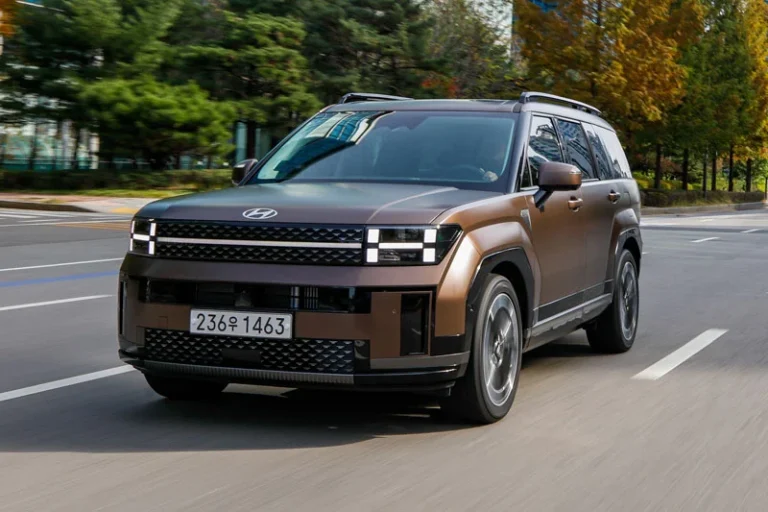
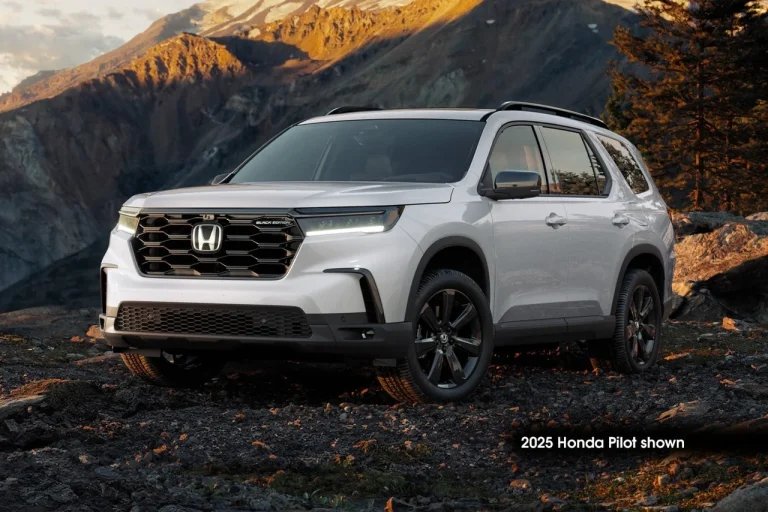
The three‑row SUV segment has become a battleground for automakers aiming to capture families that need space without sacrificing everyday usability. Nissan’s 2025 Pathfinder returns with a refreshed design, updated powertrain options, and a promise of greater practicality. But how does it truly stack up against its peers?
Practicality isn’t just about raw cargo volume; it encompasses flexible seating, ease of access, fuel efficiency, and the cost of ownership over the vehicle’s life. In this deep dive we’ll examine the Pathfinder side‑by‑side with the most relevant competitors – the 2025 Hyundai Santa Fe, the 2025 Kia Telluride, the 2025 Ford Explorer, and the 2025 Chevrolet Traverse. By the end, you’ll see which model earns the practical crown.
Before we jump into the numbers, let’s briefly revisit what makes the 2025 Nissan Pathfinder a contender in the modern three‑row SUV market.
2025 Nissan Pathfinder vs Competitors Which Three-Row SUV Wins on Practicality
2025 Nissan Pathfinder vs Competitors Which Three-Row SUV Wins on Practicality – Design and Interior Layout
The 2025 Pathfinder adopts a more angular, athletic silhouette compared with the boxier shapes of many rivals. Inside, Nissan has introduced a “Zero‑Gravity” second‑row seat that slides forward and tilts, granting easier access to the third row. The third‑row bench folds flat into the floor, a feature still rare among midsize three‑row SUVs.
Material quality has been upgraded, with soft‑touch plastics on the dashboard and optional leather‑trimmed seats. Cargo space with all seats up is 16.5 cubic feet, expanding to 79.5 cubic feet with the second and third rows folded – numbers that sit comfortably between the Santa Fe’s 12.5 cubic feet and the Telluride’s 84 cubic feet.
Technology and Safety: Does Practicality Extend to the Digital Cabin?
Practicality also means driver confidence. The Pathfinder comes standard with Nissan’s ProPILOT Assist 2.0, a semi‑autonomous system that handles highway cruising and lane keeping. The suite includes automatic emergency braking, blind‑spot monitoring, and a rear‑cross‑traffic alert.
While the 2025 Hyundai Santa Fe offers a similarly robust safety package, Nissan’s integrated 12‑inch touchscreen with wireless Apple CarPlay and Android Auto makes everyday connectivity less fiddly. The Explorer’s infotainment system, by contrast, still relies on a slower interface that can frustrate busy parents.
Key Practical Metrics Compared
| Model | Seating Capacity | Cargo Space (ft³) – Seats Up / Seats Down | Fuel Economy (combined MPG) | Base Price (USD) |
|---|---|---|---|---|
| 2025 Nissan Pathfinder | 7 | 16.5 / 79.5 | 22 | $34,900 |
| 2025 Hyundai Santa Fe (3‑Row) | 7 | 12.5 / 71.0 | 24 | $33,800 |
| 2025 Kia Telluride | 8 | 21.0 / 87.0 | 21 | $36,500 |
| 2025 Ford Explorer | 7 | 18.2 / 81.7 | 20 | $35,600 |
| 2025 Chevrolet Traverse | 8 | 23.0 / 89.7 | 19 | $34,200 |
Real‑World Practicality: Daily Use Scenarios
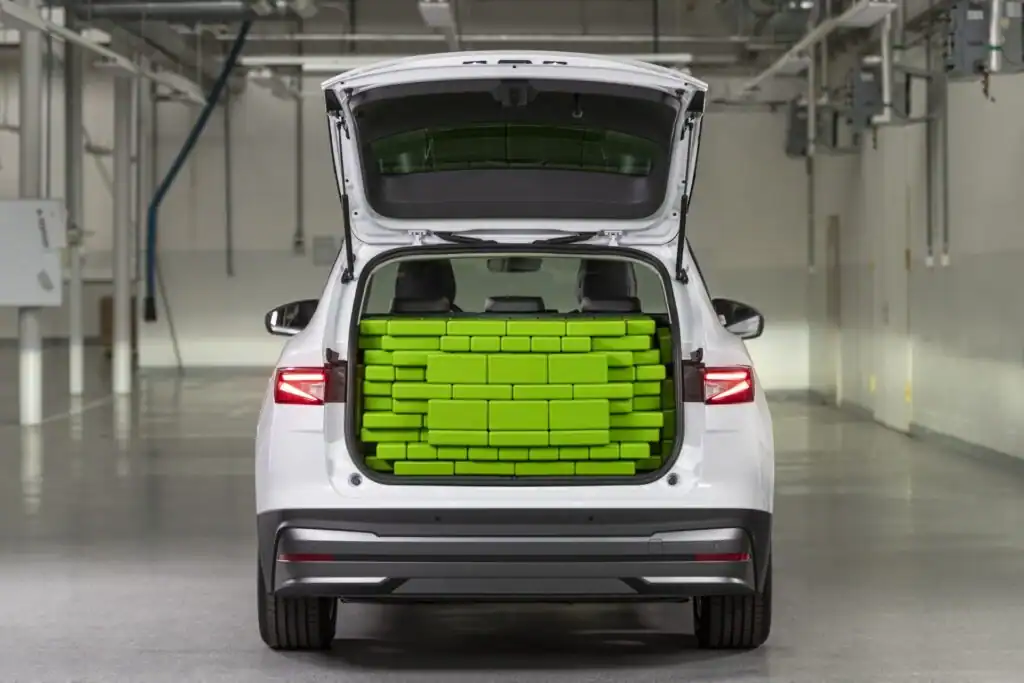
Family Road Trips: Space vs. Maneuverability
When loading a full family plus luggage, the Pathfinder’s flat‑folding third row shines. The rear seat’s 60/40 split allows a mix of passenger and cargo without the need to completely remove the third row. In contrast, the Telluride’s larger footprint can make parking in tight urban environments a challenge.
Weekly Grocery Runs: Cargo Access and Loading Height
The low loading lip (approximately 15 inches) of the Pathfinder makes it easy to slide grocery bags and larger items into the cargo area without a step stool. The Chevrolet Traverse, while offering more total volume, sits higher, requiring more effort for frequent loading and unloading.
Fuel Costs Over a Year: Economy Meets Practicality
With a combined 22 MPG, the Pathfinder beats the Telluride and Explorer in fuel efficiency, translating into roughly $300‑$400 annual savings for an average driver covering 12,000 miles per year. The 2026 Mazda CX‑5 benchmark shows how a modest increase in MPG can significantly affect long‑term ownership costs.
Maintenance and Ownership Costs
Nissan’s warranty remains competitive: a 3‑year/36,000‑mile basic warranty plus a 5‑year/60,000‑mile powertrain coverage. Kia and Hyundai match or exceed this, but their higher base prices can offset the benefit. The Pathfinder’s widespread dealer network also eases service appointments, an often‑overlooked factor in practical ownership.
Comparative Strengths and Weaknesses
- Pathfinder: Best blend of cargo flexibility, user‑friendly tech, and fuel economy in its price bracket.
- Santa Fe: Slightly cheaper and more fuel‑efficient, but sacrifices third‑row space.
- Telluride: Largest interior volume and upscale feel; however, higher price and lower MPG reduce overall practicality.
- Explorer: Strong engine options, but interior ergonomics feel dated.
- Traverse: Highest cargo capacity, but its larger size hurts maneuverability and fuel economy.
2025 Nissan Pathfinder vs Competitors Which Three-Row SUV Wins on Practicality – The Bottom Line
Taking into account cargo versatility, seating flexibility, fuel consumption, price, and everyday usability, the 2025 Nissan Pathfinder emerges as the most practical three‑row SUV for the average family. It may not lead in any single category, but its balanced approach delivers a cohesive package that addresses the real‑world needs of drivers who juggle school runs, grocery trips, and weekend adventures.
If you prioritize maximum interior space above all else, the Chevrolet Traverse or Kia Telluride might still appeal. However, for those seeking a sensible blend of space, efficiency, and tech without breaking the bank, the Pathfinder takes the practical crown in the 2025 three‑row SUV arena.
For further reading on how other vehicle classes stack up in practicality, you might explore our analysis of the 2026 BMW 3 Series vs Competitors – Best Sedan for the Money in 2026, which highlights how sedan practicality is measured against SUVs.