For decades, the BMW 3 Series has been the gold standard in the luxury compact sedan segment, a benchmark against which all rivals are measured. It consistently blends driving pleasure, premium features, and everyday usability in a package that has captivated automotive enthusiasts and discerning buyers alike. As we look ahead to the anticipated 2026 BMW 3 Series, the question naturally arises: Can this iconic sedan maintain its dominance, especially when considering the fierce competition and the ever-evolving landscape of automotive technology and value?
This comprehensive article from SpeedSUVs.com delves into the expected features and performance of the 2026 BMW 3 Series, comparing it head-to-head with its primary rivals. Our aim is to help you, the savvy car buyer, determine if the 2026 BMW 3 Series truly represents the best sedan for the money in a highly competitive market. Whether you prioritize exhilarating performance, cutting-edge technology, luxurious comfort, or simply a smart financial decision, we’ll explore every facet to guide your next automotive purchase.
Overview / Key Highlights of the 2026 BMW 3 Series
The BMW 3 Series has always been synonymous with the ultimate driving machine, offering a sublime balance of sportiness and refinement. For the 2026 model year, while official details are still emerging, we anticipate an evolution rather than a revolution. BMW is likely to refine its winning formula, incorporating the latest advancements in powertrain technology, digital integration, and driver assistance systems, all while preserving the engaging driving dynamics that define the brand. Expect a more sophisticated aesthetic, an even more connected cabin, and potentially more electrified options, all designed to keep the 3 Series at the forefront of its class.
Exterior Design and Styling
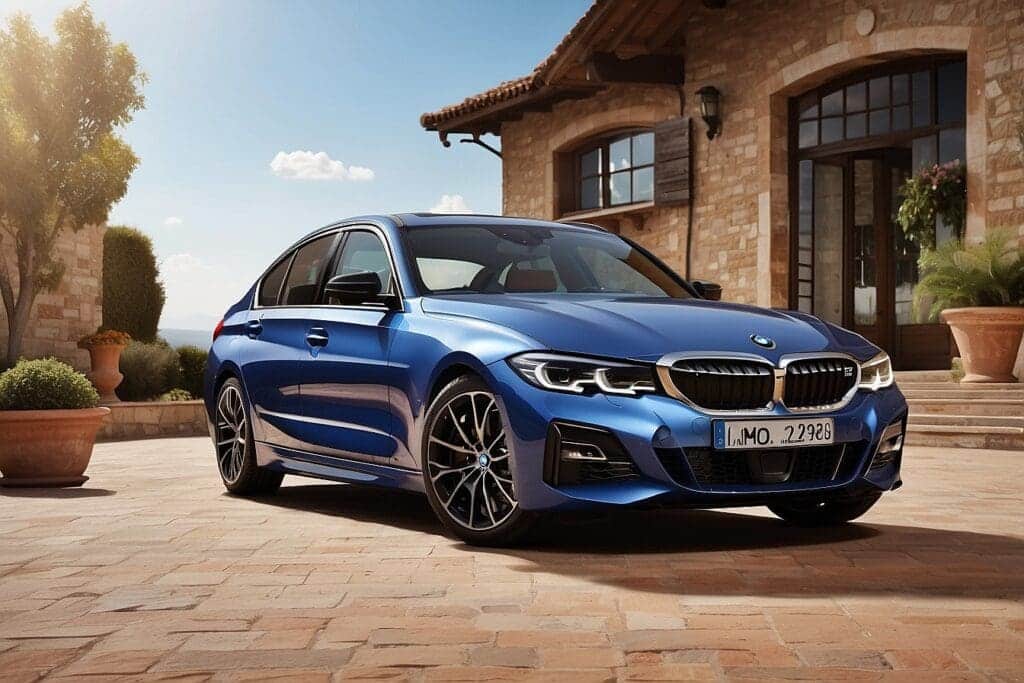
BMW’s design language has been evolving, and the 2026 3 Series is expected to continue this trend. While maintaining its classic proportions – a long hood, short overhangs, and a Hofmeister kink – we anticipate a refreshed front fascia with potentially slimmer LED headlights and a subtly redesigned kidney grille that is less polarizing than some of BMW’s larger models. The rear could see updated taillight graphics and a more sculpted bumper, enhancing its athletic stance. The overall impression will likely be one of understated sportiness and modern elegance, a balance that appeals to a broad audience.
Compared to competitors, the 3 Series typically strikes a middle ground. The Mercedes-Benz C-Class often leans towards classical elegance and luxury, while the Audi A4 favors clean, minimalist lines. The 3 Series, by contrast, usually projects a more dynamic and aggressive posture, signaling its performance credentials even when stationary. This distinctive blend of athleticism and premium appeal is a key factor in its enduring popularity.
Interior, Space, and Comfort
Step inside the 2026 BMW 3 Series, and you’ll likely be greeted by a cabin that blends ergonomic design with high-quality materials. BMW’s driver-centric cockpit philosophy means all controls are intuitively placed for easy access. We expect premium soft-touch surfaces, exquisite trim options (wood, aluminum, carbon fiber), and comfortable, supportive seats that are ideal for both spirited driving and long commutes.
In terms of space, the 3 Series offers generous room for front occupants, with ample headroom and legroom. Rear-seat passengers will find sufficient space for two adults on most journeys, though it might feel a bit snug compared to some rivals that prioritize rear legroom more heavily. The trunk capacity is usually competitive, offering enough space for luggage or grocery runs. Comfort features like multi-zone climate control, heated and ventilated seats, and ambient lighting will undoubtedly be available, enhancing the overall cabin experience. The attention to detail and refinement in the 3 Series interior is consistently a strong point, providing a truly premium environment that justifies its price tag.
Technology and Infotainment
Technology is a battleground in the luxury segment, and the 2026 BMW 3 Series will be armed with the latest innovations. We fully expect the next iteration of BMW’s iDrive infotainment system, likely featuring a large, curved display integrating both the digital instrument cluster and the central touchscreen. This system is renowned for its intuitive interface, responsive graphics, and versatile control options (touch, rotary controller, voice commands, gesture control).
Standard features will undoubtedly include wireless Apple CarPlay and Android Auto, a robust navigation system, and seamless smartphone integration. Expect advanced connectivity options, potentially including 5G capability, over-the-air (OTA) updates for vehicle software, and a suite of connected services. Audi’s MMI and Mercedes-Benz’s MBUX systems are formidable rivals, each offering their unique strengths. However, BMW’s iDrive consistently ranks among the best for its blend of functionality, speed, and user experience, making the 3 Series a technologically advanced choice for modern drivers.
Engine / Powertrain, Performance, and Fuel Economy
The heart of any BMW lies in its powertrain, and the 2026 3 Series is expected to offer a compelling range of options. The entry-level model (likely the 330i) will probably feature an updated 2.0-liter turbocharged inline-four engine, delivering a strong balance of power and efficiency. For those craving more exhilaration, the M340i, with its potent 3.0-liter turbocharged inline-six engine, often enhanced with mild-hybrid technology, will continue to offer thrilling acceleration and a sonorous exhaust note. The M3, the high-performance variant, will sit at the top, delivering supercar-baiting performance.
Plug-in hybrid (PHEV) options, such as the 330e, are also anticipated, offering a combination of electric-only range for daily commutes and the flexibility of a gasoline engine for longer trips. These models will benefit from improved battery technology and electric motor efficiency, enhancing both range and overall system output. All powertrains will likely be paired with BMW’s excellent 8-speed automatic transmission, renowned for its smooth shifts and quick responses.
In terms of driving dynamics, the 3 Series is legendary. Its balanced chassis, precise steering, and sophisticated suspension tuning deliver an engaging and confidence-inspiring driving experience that is hard to match. Whether you’re navigating city streets or carving through winding roads, the 3 Series consistently rewards the driver. Fuel economy will vary significantly across the lineup, with the 330i offering competitive figures for its class, the PHEV excelling in electric efficiency, and the M340i balancing performance with reasonable consumption.
Safety and Driver-Assistance Features
Safety is paramount, and the 2026 BMW 3 Series will come equipped with a comprehensive suite of advanced safety and driver-assistance features. Expect standard active safety systems such as automatic emergency braking, lane departure warning, and front collision warning. Optional packages will likely expand on this with adaptive cruise control with stop-and-go functionality, lane-keeping assist, blind-spot monitoring, rear cross-traffic alert, and a 360-degree surround-view camera system.
BMW continuously refines its semi-autonomous driving capabilities, and the 2026 model could see further advancements, making long highway drives less fatiguing. The brand typically earns high safety ratings from organizations like the NHTSA and IIHS, a trend we expect to continue with the new model. When you’re considering the 2026 BMW 3 Series vs competitors, its commitment to safety and driver aids will be a significant factor in your decision.
Trims, Pricing, and Value for Money
While official pricing for the 2026 BMW 3 Series is speculative, we can project a starting MSRP in the low to mid-$40,000 range for the base 330i, climbing into the $60,000s for the M340i, and significantly higher for the M3. Trim levels typically include the well-equipped standard models, often with various packages (Premium, Executive, M Sport) that bundle desirable features.
When evaluating the "value for money," it’s crucial to look beyond the sticker price. BMWs generally command strong resale values, which can offset the initial investment. The brand’s prestige, coupled with its robust engineering and luxurious features, means you’re investing in a premium experience. However, optional extras can quickly inflate the price, making a carefully configured build essential. Compared to rivals, the 3 Series often sits in a similar pricing bracket as the Mercedes C-Class and Audi A4, while offering a distinct blend of performance and luxury that defines its value proposition.
Pros and Cons
Like any vehicle, the 2026 BMW 3 Series will have its strengths and weaknesses:
Pros:
- Exceptional Driving Dynamics: Remains the benchmark for sports sedan handling and driver engagement.
- Premium Interior Quality: High-grade materials, excellent fit and finish, and a driver-focused cockpit.
- Advanced Technology: Intuitive iDrive infotainment, cutting-edge driver assistance systems.
- Strong Powertrain Lineup: Diverse range of powerful and efficient engines, including appealing PHEV options.
- Brand Prestige: Strong resale value and a highly respected luxury badge.
- Refined Ride Quality: Balances sportiness with comfort for daily driving.
Cons:
- Potentially High Price: Entry price is premium, and options can quickly add up.
- Rear Seat Space: While adequate, it can feel less spacious than some competitors for taller passengers.
- Maintenance Costs: Luxury German vehicles often come with higher long-term maintenance expenses.
- Design Evolution: Some might desire a more radical design departure from previous generations.
Rivals and Alternatives / Comparisons
The compact luxury sedan segment is packed with formidable contenders, each vying for a slice of the pie. When assessing the 2026 BMW 3 Series vs competitors, these are the key players:
- Mercedes-Benz C-Class: The C-Class emphasizes luxury, comfort, and sophisticated technology. Its interior is arguably more opulent, and its MBUX infotainment system is visually stunning. It offers a softer ride but often lacks the ultimate driving engagement of the 3 Series.
- Audi A4: Known for its understated elegance, Quattro all-wheel drive (standard on many trims), and impeccably built interior. The A4 offers a refined and comfortable driving experience, though it’s often perceived as less overtly sporty than the 3 Series.
- Genesis G70: A compelling value proposition, the G70 offers strong performance, sharp styling, and a luxurious interior at a more accessible price point. Its aggressive warranty is also a significant draw, making it a strong alternative for those looking for premium features without the premium badge price.
- Lexus IS: The IS stands out with its bold styling, reputation for reliability, and a more traditional, naturally aspirated V6 engine option (though turbocharged fours are also available). It offers a sporty ride but its infotainment system can be less intuitive, and rear-seat space is often tighter.
- Cadillac CT4: An American take on the compact sport sedan, the CT4 offers sharp handling and a powerful optional V6 engine. It’s often praised for its driving dynamics, but its interior quality and technology might not quite match the German rivals.
- Acura TLX: The TLX offers a unique blend of sportiness and luxury, particularly with its Super Handling All-Wheel Drive (SH-AWD) system. It’s a well-built and reliable option, though it might not have the same brand cachet or ultimate performance as the 3 Series.
Each of these rivals brings its own unique flavor to the segment. The 3 Series typically differentiates itself with its unparalleled blend of driver involvement, balanced chassis, and comprehensive package of luxury and tech.
Buying Tips and Who This Car Is Best For
When considering the 2026 BMW 3 Series or any of its competitors, start by defining your priorities. Are you a driving enthusiast who craves performance and handling? Is a plush, technologically advanced cabin more important? What’s your budget, not just for purchase but also for long-term ownership (insurance, maintenance, fuel)?
Our buying tips:
- Test Drive Rivals: Don’t just drive the 3 Series. Experience the C-Class, A4, and G70 back-to-back to truly understand their differences in feel, comfort, and driving dynamics.
- Evaluate Options Carefully: BMW’s options list is extensive. Prioritize what you genuinely need and avoid features that add unnecessary cost.
- Consider Long-Term Costs: Research insurance rates, expected maintenance schedules, and potential resale values for all contenders.
- Look for Deals: Luxury sedans can sometimes have incentives, especially towards the end of a model year or during specific sales events.
The 2026 BMW 3 Series is best for drivers who:
- Prioritize an engaging and rewarding driving experience above all else.
- Appreciate high-quality materials, solid build quality, and cutting-edge technology.
- Desire a vehicle with strong brand prestige and excellent resale value.
- Are willing to invest in a premium product for its performance, luxury, and advanced features.
- Need a versatile sedan for daily commuting, spirited weekend drives, and occasional longer trips.
Final Verdict / Conclusion
So, is the 2026 BMW 3 Series the best sedan for the money? The answer, as often is the case in the luxury segment, is nuanced. The 3 Series remains an exceptionally compelling package, a truly benchmark vehicle that expertly balances exhilarating performance with premium comfort and sophisticated technology. For many, its legendary driving dynamics, combined with BMW’s commitment to quality and innovation, will undoubtedly make it the top choice. It offers a holistic premium experience that few can match.
However, "best for the money" depends heavily on individual preferences and priorities. If ultimate luxury and a serene ride are paramount, the Mercedes-Benz C-Class might sway you. If you value all-weather capability, understated design, and a tech-forward, impeccably built interior, the Audi A4 is a superb option. And for those seeking exceptional performance and luxury at a more budget-friendly price, the Genesis G70 presents a formidable challenge.
Ultimately, the 2026 BMW 3 Series will continue to be a dominant force in the compact luxury sedan segment, setting a high bar for its competitors. While it might not be the cheapest option, its blend of performance, prestige, and advanced features often justifies its price, making it an excellent investment for those who prioritize a truly rewarding driving and ownership experience. For many discerning buyers, the enduring appeal and comprehensive capabilities of the 2026 BMW 3 Series will solidify its position as the best sedan for their money.