The premium compact coupe segment is a tantalizing blend of style, performance, and everyday usability, catering to drivers who crave a more engaging and aesthetically pleasing experience than a sedan. It’s a hotly contested arena where established luxury marques battle for supremacy, each vying to offer a compelling package that justifies its price tag. As the automotive world looks ahead to 2026, all eyes are on the anticipated refresh or next generation of the BMW 4 Series, a car that has long been a benchmark for driving dynamics and sophisticated engineering.
With the automotive landscape evolving rapidly, driven by technological advancements, stricter emissions standards, and shifting consumer preferences, the 2026 BMW 4 Series will need to be more than just a pretty face with a powerful engine. It will need to demonstrate superior value, striking an optimal balance between performance, luxury, technology, and, crucially, price, if it truly aims to be crowned the "best coupe for the money." But what does "best for the money" even mean in a segment where emotions often outweigh pure financial metrics? This article will delve into what we expect from the 2026 4 Series and rigorously compare it against its fiercest rivals to determine if it can indeed claim that coveted title.
The 2026 BMW 4 Series: What We Expect
BMW’s 4 Series, particularly in its current G22 generation, has carved out a distinct niche for itself, emphasizing a sportier character compared to its 3 Series sedan sibling. For 2026, we anticipate BMW will build upon this foundation, refining an already successful formula. While official details are scarce, industry speculation and BMW’s typical product cycles suggest an evolutionary, rather than revolutionary, approach, perhaps with some significant technological upgrades.
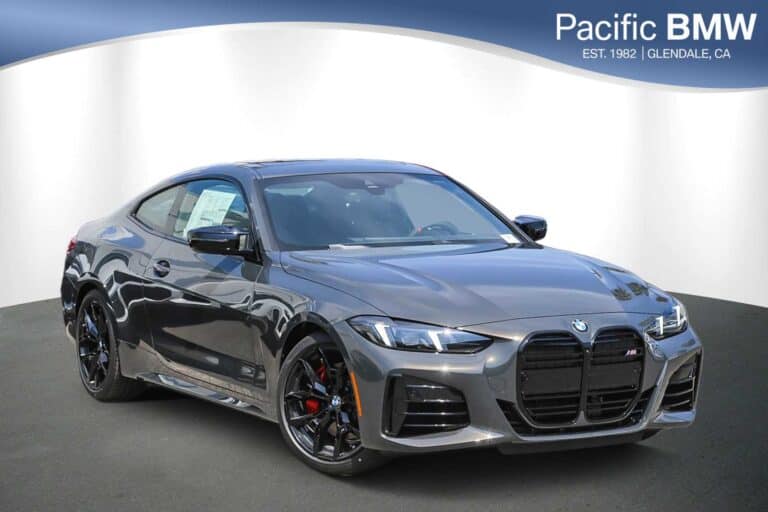
Design & Aesthetics: Expect the polarizing front grille, which debuted with the current generation, to be either subtly refined or, less likely, completely rethought. BMW rarely backs down from its design language quickly. The overall silhouette will likely retain its elegant, athletic stance, perhaps with sharper lines, revised lighting signatures (LEDs becoming even more advanced), and aerodynamic enhancements. Inside, the cabin will undoubtedly receive a significant refresh. The current iDrive 8 operating system is excellent, but 2026 could see the introduction of iDrive 9, offering even more intuitive controls, faster processing, and greater customization. Larger, seamlessly integrated curved display screens, premium materials, and improved ergonomics will be par for the course, pushing the cabin further upmarket.
Performance & Powertrains: BMW’s commitment to the "Ultimate Driving Machine" ethos means the 2026 4 Series will prioritize engaging dynamics. We expect a continuation of its robust powertrain lineup. The base model will likely feature an updated version of BMW’s potent 2.0-liter turbocharged four-cylinder engine (B48), offering strong acceleration and commendable fuel efficiency. The heart of the lineup, especially for enthusiasts, will remain the 3.0-liter turbocharged inline-six (B58), known for its silky-smooth power delivery and impressive output. Both engines will undoubtedly be paired with an eight-speed automatic transmission, renowned for its quick shifts and refinement.
Crucially, given the industry trends, mild-hybrid technology will almost certainly become standard across the range, enhancing both performance and efficiency. There’s also a strong possibility of a plug-in hybrid (PHEV) variant, offering a significant electric-only range for urban commuting and lower emissions. For those craving ultimate performance, the M4 will undoubtedly continue to exist, though its specifics fall outside the scope of the "best for the money" comparison for the standard 4 Series. The hallmark BMW driving dynamics – precise steering, balanced chassis, and responsive suspension – will be meticulously tuned to offer a blend of comfort and sporty agility.
Technology & Safety: Beyond infotainment, the 2026 4 Series will likely boast an even more comprehensive suite of advanced driver-assistance systems (ADAS). Expect enhanced semi-autonomous driving capabilities, improved adaptive cruise control with stop-and-go, more sophisticated parking assistance, and advanced connectivity features that integrate seamlessly with smart devices and urban infrastructure. Over-the-air (OTA) updates will be standard, ensuring the car’s software remains current.
Pricing Strategy: This is where the "best for the money" question truly comes into play. BMW’s pricing strategy typically positions its vehicles at the premium end of their segments. We can anticipate a slight increase over current models, reflecting the enhanced technology, materials, and mild-hybrid powertrains. The challenge for BMW will be to offer a compelling standard feature set that feels generous, rather than relying too heavily on expensive option packages that quickly inflate the price.
Key Competitors Overview
To assess the 4 Series’ value proposition, we must pit it against its natural adversaries. The premium compact coupe segment is populated by highly capable vehicles, each with its own distinct personality and strengths. The primary contenders include the Audi A5/S5 Coupe, the Mercedes-Benz CLE Coupe (which has replaced the C-Class and E-Class coupes), and, for a slightly different take, the Lexus RC. Each of these offers a unique interpretation of luxury and performance, making the buying decision a nuanced one.
Deep Dive into Competitor 1: Audi A5/S5 Coupe
The Audi A5 and its performance-oriented S5 sibling have long been considered the most direct rival to the BMW 4 Series. Audi’s approach emphasizes sophistication, technology, and all-weather capability, thanks to its ubiquitous Quattro all-wheel-drive system.
Strengths: The A5/S5 boasts an interior that is a masterclass in minimalist design and high-quality materials. Audi’s Virtual Cockpit remains one of the best digital gauge clusters in the industry, offering stunning graphics and customizable displays. The ride quality is typically refined and composed, soaking up road imperfections with ease, making it an excellent long-distance cruiser. Its styling is understated yet elegant, appealing to those who prefer a more reserved aesthetic. The standard Quattro AWD provides immense grip and confidence in adverse weather conditions, a significant draw for many buyers.
Weaknesses: While competent, the A5/S5 often falls short of the 4 Series in terms of raw driving engagement. The steering, while precise, can feel less communicative, and the overall handling, while secure, lacks the playful character that BMW is renowned for. Its base engine, a 2.0-liter turbo-four, while strong, can feel less spirited than BMW’s equivalent. The infotainment system, while technologically advanced, might not be as intuitive as BMW’s iDrive for some users, relying more on touch inputs.
Value Proposition: The Audi A5/S5 offers a strong value proposition for buyers who prioritize a comfortable, technologically advanced, and beautifully built coupe with strong all-weather capabilities. It often feels more luxurious and less overtly sporty than the 4 Series, making it appealing to those seeking refinement over ultimate thrills. Its standard AWD is a significant value add, especially in regions with challenging climates. However, for the driving enthusiast, the perceived value might diminish due to its less engaging dynamics. We anticipate the 2026 A5/S5 will likely receive minor updates or be on the cusp of a new generation, further refining its interior and tech.
Deep Dive into Competitor 2: Mercedes-Benz CLE Coupe
The Mercedes-Benz CLE Coupe is a relatively new entrant, launched to consolidate the C-Class and E-Class coupe lineages. It embodies Mercedes-Benz’s philosophy of opulent luxury, cutting-edge technology, and unparalleled comfort.
Strengths: The CLE Coupe’s interior is undeniably one of its strongest assets. Drawing inspiration from the C-Class sedan, it features a stunning, vertically oriented central touchscreen and a separate digital instrument cluster, all running the latest MBUX infotainment system. The cabin materials are exquisite, and the ambient lighting creates a truly luxurious atmosphere. The ride is exceptionally smooth and quiet, prioritizing passenger comfort above all else, making it feel like a grand tourer. Its exterior styling is sleek, elegant, and unmistakably Mercedes-Benz, exuding prestige. Mild-hybrid powertrains are standard, enhancing both power and efficiency.
Weaknesses: While powerful, the CLE Coupe’s driving dynamics are decidedly more comfort-oriented than the 4 Series. It feels heavier and less agile, with steering that is light but lacks the direct feedback of its BMW counterpart. Enthusiasts might find it less engaging on twisty roads. Mercedes-Benz models also tend to be on the higher end of the pricing spectrum, and options can quickly escalate the final cost, potentially making it less competitive on a "best for the money" basis if one is purely looking at performance per dollar.
Value Proposition: The Mercedes-Benz CLE Coupe offers exceptional value for buyers who prioritize luxury, comfort, and advanced technology above all else. Its cabin is a true sanctuary, and its ride quality is superb. For those who view a coupe as a stylish, comfortable cruiser rather than a track-day weapon, the CLE represents excellent value. Its strong brand prestige and impressive standard features (especially in terms of infotainment and luxury amenities) contribute to its perceived value. However, for those seeking the ultimate driving machine experience, the "money" spent might not translate into the desired level of sportiness compared to the 4 Series. As a new model, the 2026 CLE will likely see minimal changes.
Deep Dive into Competitor 3: Lexus RC
The Lexus RC offers a distinct alternative, leaning into Japanese luxury and renowned reliability, with a touch of unique, aggressive styling. However, it’s also the oldest platform among the main competitors.
Strengths: The Lexus RC boasts bulletproof reliability, a hallmark of the brand, which can significantly reduce long-term ownership costs and stress. Its interior, while aging, uses high-quality materials and offers excellent build quality. The ride comfort is generally good, and its isolation from road noise is commendable. For enthusiasts, the RC F variant offers a naturally aspirated V8 engine, a rare and cherished commodity in an increasingly turbocharged world. Its styling is bold and distinctive, standing out from the German crowd.
Weaknesses: The RC’s biggest drawback is its aging platform and technology. The infotainment system, particularly the remote touch interface, is notoriously clunky and unintuitive compared to the German rivals. The interior design, while luxurious, feels dated, especially in terms of screen integration and digital displays. Its powertrains, while reliable, are less fuel-efficient and less sophisticated than the mild-hybrid units offered by BMW, Audi, and Mercedes. Driving dynamics, while competent, are not as engaging or precise as the 4 Series, feeling somewhat heavier and less agile.
Value Proposition: The Lexus RC offers value through its exceptional reliability and lower depreciation, making it a sound long-term investment for those who prioritize peace of mind and unique styling over cutting-edge technology and dynamic prowess. The RC F, in particular, offers a rare V8 experience at a price point below many equivalent performance coupes. However, in a direct comparison of modern features, performance, and overall refinement, the RC struggles to compete with the German trio. For "best for the money" in 2026, it would likely be considered only by a very specific niche of buyers, as it simply can’t match the modern sophistication of its rivals. It’s uncertain if the RC will even be around in its current form by 2026, or if it will have been replaced by a more modern offering.
The "Best Coupe for the Money" Metric: Dissecting Value
Determining the "best coupe for the money" goes far beyond the sticker price. It involves a holistic assessment of various factors that contribute to the overall ownership experience and perceived value.
- Sticker Price vs. Standard Features: How much do you get for the base price? BMW, Audi, and Mercedes often start at competitive prices but quickly escalate with optional packages. A car that offers more crucial features (e.g., advanced safety, premium audio, desirable interior finishes) as standard will inherently offer better value.
- Performance per Dollar: For a coupe, performance is a key value driver. Does the engine output, handling dynamics, and overall driving thrill justify the cost? The 4 Series traditionally excels here, offering a compelling blend.
- Technology & Luxury per Dollar: How advanced is the infotainment? What is the quality of interior materials? How comprehensive are the ADAS features? A modern, intuitive, and luxurious cabin significantly enhances perceived value.
- Long-Term Ownership Costs:
- Depreciation: Some brands and models hold their value better than others. BMWs generally have good resale values.
- Maintenance: European luxury cars can be more expensive to maintain than Japanese counterparts.
- Fuel Efficiency: Better MPG translates to lower running costs over time. The mild-hybrid systems in 2026 models will be crucial here.
- Insurance: Certain performance models and brands can have higher insurance premiums.
- Brand Prestige & Emotional Appeal: While intangible, the prestige of a brand and the emotional connection a driver feels with their car significantly contribute to its perceived value. BMW, Audi, and Mercedes all command strong brand loyalty and desirability.
- Driver Engagement: For many coupe buyers, the sheer joy of driving is paramount. A car that consistently puts a smile on the driver’s face offers immeasurable value.
Comparative Analysis & Verdict
When we stack the anticipated 2026 BMW 4 Series against its competitors using these metrics, a nuanced picture emerges.
The Audi A5/S5 will likely remain the choice for those who prioritize sophisticated design, a supremely comfortable and technologically advanced interior, and all-weather capability, with a slightly more reserved driving experience. Its value lies in its refinement and standard Quattro.
The Mercedes-Benz CLE Coupe stands as the epitome of luxury and comfort in this segment. For buyers who want a truly opulent cabin, a serene ride, and cutting-edge infotainment, and are willing to pay a premium for it, the CLE offers exceptional value in its specific niche. It’s less about raw driving and more about being pampered.
The Lexus RC, despite its reliability and unique V8 option, struggles to compete on a modern "best for the money" basis due to its aging platform, dated technology, and less engaging dynamics compared to its European rivals. Its value is more in its niche appeal and long-term peace of mind.
The 2026 BMW 4 Series, if it delivers on its promise, is poised to strike the most balanced and compelling package. It will likely offer:
- Superior Driving Dynamics: BMW’s forte, promising the most engaging and rewarding driving experience in the segment.
- Competitive Luxury & Technology: An updated interior with iDrive 9, premium materials, and comprehensive ADAS will keep it on par with or even ahead of its rivals.
- Strong Powertrain Options: A range of powerful and efficient mild-hybrid engines, including the superb inline-six.
- Brand Prestige: The BMW badge carries significant weight and contributes to strong resale value.
Therefore, for the driver who seeks a harmonious blend of exhilarating performance, modern luxury, and cutting-edge technology, all wrapped in a stylish package, the 2026 BMW 4 Series stands a very strong chance of being the "best coupe for the money." Its value proposition is anchored in its ability to offer a truly driver-centric experience without sacrificing too much in terms of comfort or digital sophistication.
However, this hinges on BMW’s pricing strategy. If the 2026 4 Series can offer a generous standard feature set, keeping the need for expensive options to a minimum, and maintain its price competitiveness relative to the enhanced offerings, it will be incredibly difficult to beat. If, on the other hand, BMW packs too many essential features into costly packages, its "best for the money" claim could be undermined, pushing buyers towards the equally compelling, though different, values offered by Audi and Mercedes-Benz.
Final Thoughts
The premium compact coupe segment remains a vibrant and exciting corner of the automotive market. The 2026 BMW 4 Series is set to be a formidable contender, evolving to meet the demands of a modern driver while staying true to its performance heritage. While "best for the money" is ultimately a subjective judgment based on individual priorities, the 4 Series appears uniquely positioned to offer the most well-rounded and dynamically engaging package. It promises to be the car that truly marries the thrill of driving with the luxury and technology expected of a premium vehicle, making it an exceptionally strong candidate for the title. As always, the final decision will rest with the discerning buyer, after test drives and careful consideration of what truly matters to them in their pursuit of the perfect coupe.