In the realm of luxury coupes, few names resonate with the same blend of performance, prestige, and polarizing design as BMW. The 4 Series, particularly in its current G22 generation, has carved out a distinct niche, offering a more driver-focused experience than many of its rivals. As we look ahead to the 2026 model year, anticipation builds for what updates BMW will bring to this crucial segment. The perennial question, however, remains: when stacked against its formidable competitors, can the 2026 BMW 4 Series truly claim the title of the "best coupe for the money"?
This article will delve into the expected evolution of the 2026 BMW 4 Series, dissecting its potential design enhancements, technological advancements, and powertrain refinements. More importantly, we will pit it against its closest adversaries – the Mercedes-Benz CLE Coupe, Audi A5/S5, and Lexus RC – to evaluate which vehicle offers the most compelling blend of performance, luxury, features, and overall value in an increasingly competitive landscape.
The 2026 BMW 4 Series: Evolution of a Sporting Icon
By 2026, the BMW 4 Series is expected to have undergone a significant mid-cycle refresh (LCI – Life Cycle Impulse) or even be on the cusp of a new generation, solidifying its position within the brand’s evolving portfolio. While details are speculative, we can anticipate a refined aesthetic, enhanced technological integration, and possibly further powertrain electrification.
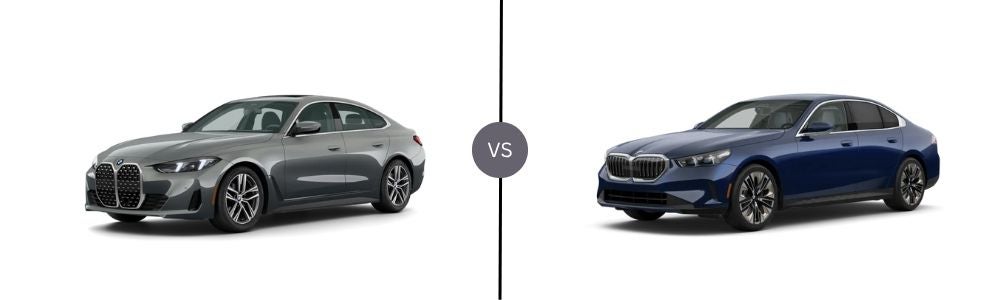
Design and Aesthetics: The most talked-about aspect of the current 4 Series has been its controversial large kidney grille. For 2026, BMW is likely to retain this signature element but might introduce subtle tweaks to its proportions, finishes, or integration with the headlights and front bumper, aiming for a more harmonious look. The overall silhouette – a sleek, athletic two-door profile – will undoubtedly remain, emphasizing its sporting intentions. Expect updated LED lighting signatures, revised wheel designs, and potentially new exterior color options. The interior will likely see a significant update, mirroring the latest BMW design language with a focus on premium materials, modern ergonomics, and ambient lighting that elevates the cabin experience.
Performance and Powertrains: BMW’s commitment to driving dynamics is unwavering, and the 2026 4 Series will be no exception. The lineup is expected to continue with a range of potent turbocharged engines. The entry-level 430i will likely feature an updated 2.0-liter turbocharged four-cylinder engine, possibly with mild-hybrid assistance, offering around 255-260 horsepower and robust torque. The M440i, a sweet spot in the range, will almost certainly retain its magnificent 3.0-liter turbocharged inline-six, also paired with a 48V mild-hybrid system, pushing output towards the 380-400 horsepower mark. This powertrain, known for its silky smoothness and eager acceleration, will continue to be a highlight. The ubiquitous ZF 8-speed automatic transmission, renowned for its swift and seamless shifts, will remain standard across the range, directing power to the rear wheels or BMW’s xDrive all-wheel-drive system. Chassis tuning will undoubtedly prioritize agility and driver engagement, with adaptive M suspension likely available to tailor the ride and handling characteristics.
Technology and Infotainment: The 2026 4 Series will be at the forefront of BMW’s technological offerings. It’s almost certain to feature the latest iteration of the iDrive infotainment system, likely iDrive 8.5 or even iDrive 9, displayed on a large, curved digital instrument cluster and central touchscreen. This system offers intuitive controls, advanced voice recognition, and seamless smartphone integration (Apple CarPlay and Android Auto). Expect a comprehensive suite of advanced driver-assistance systems (ADAS), including enhanced adaptive cruise control, lane-keeping assist, automated parking, and a more sophisticated Highway Assistant for semi-autonomous driving capabilities. Over-the-air updates will ensure the vehicle’s software remains current.
Interior Quality and Comfort: BMW has steadily improved its interior quality, and the 2026 4 Series will showcase premium materials like fine leathers, open-pore wood, and aluminum trim. The front seats will offer excellent support and adjustability, catering to spirited driving and long-distance comfort. While the rear seats in any coupe are typically compromised, the 4 Series will aim to offer reasonable space for shorter journeys, though it’s still best suited for two adults. Trunk space will be practical for a coupe, further enhancing its daily usability.
Pricing and Value Proposition: While specific pricing for 2026 is speculative, the 4 Series will continue to command a premium. The 430i is expected to start in the low to mid-$50,000s, with the M440i pushing into the mid-$60,000s. Optional packages and individual features can quickly escalate the price, a common trait in the luxury segment. The "value" aspect will hinge on what comes standard versus what requires ticking option boxes, and how well its performance and tech stack up against the competition at similar price points.
The Competitive Arena: Rivals for the Crown
To determine if the 2026 BMW 4 Series offers the best value, we must examine its key adversaries, each bringing a unique philosophy to the luxury coupe segment.
1. Mercedes-Benz CLE Coupe: The Epitome of Elegance and Comfort
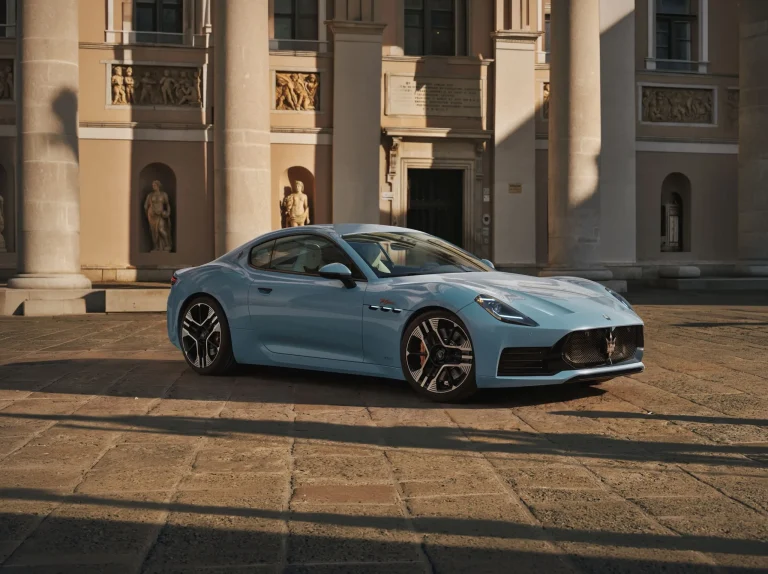
The Mercedes-Benz CLE Coupe, introduced for the 2024 model year, is the direct successor to both the C-Class and E-Class coupes, consolidating Mercedes’ two-door offerings into one compelling package. By 2026, it will be a firmly established player, refined and ready to challenge the 4 Series head-on.
Strengths: The CLE Coupe truly excels in luxury and refinement. Its interior is a masterclass in opulent design, featuring premium materials, meticulous craftsmanship, and the latest iteration of the MBUX infotainment system with its stunning dual-screen setup. Comfort is paramount, with incredibly supportive seats and a ride quality that effortlessly smooths out imperfections. Powertrains, likely including a 2.0-liter turbo-four (CLE 300) and a 3.0-liter inline-six (CLE 450), will be smooth and potent, all benefiting from standard mild-hybrid assistance and 4MATIC all-wheel drive. Mercedes often offers a more extensive list of standard luxury features, enhancing its perceived value at the entry level.
Weaknesses: While capable, the CLE Coupe typically prioritizes comfort over outright sportiness. Its handling, though composed, might not offer the same razor-sharp responsiveness and feedback as the BMW 4 Series. Its elegant design, while beautiful, might be seen as less aggressive or "sporty" by some buyers. Mercedes-Benz models also tend to be on the higher end of the pricing spectrum, and options can quickly inflate the sticker price.
2. Audi A5/S5 Coupe: Understated Sophistication with Standard Quattro
Audi’s A5 and S5 coupes have long been celebrated for their understated elegance, impeccable interior quality, and standard Quattro all-wheel-drive system, providing confidence in all weather conditions. By 2026, the A5/S5 might see a refresh or even a new generation, bringing it in line with Audi’s latest design and technology trends.
Strengths: The A5/S5’s interior is a benchmark for minimalist design and tactile quality, with high-resolution digital displays and intuitive MMI infotainment. The standard Quattro AWD offers exceptional grip and stability, making it a favorite in regions with challenging climates. Performance from the A5’s 2.0-liter turbo-four and the S5’s 3.0-liter turbocharged V6 is strong and efficient, delivered smoothly through a dual-clutch transmission (S tronic). The ride is typically well-balanced, offering a comfortable daily commute while still being engaging when pushed. Audi often strikes a good balance between standard features and optional extras, potentially offering good "bang for the buck" in its core configurations.
Weaknesses: While highly competent, the A5/S5 can sometimes feel less engaging or "alive" to drive compared to the 4 Series, particularly for those who prioritize raw driver involvement. Its design, while sophisticated, might lack the visual drama or aggressive stance that some buyers seek in a luxury coupe. The steering, while precise, can feel a bit numb compared to BMW’s more communicative setups.
3. Lexus RC: Reliability and Distinctive Styling
The Lexus RC stands out with its bold, distinctive styling and a reputation for bulletproof reliability. By 2026, the RC will be one of the older platforms in this comparison, but its enduring appeal lies in its unique character and value proposition.
Strengths: Unquestionable reliability and low long-term ownership costs are Lexus hallmarks. The RC’s design is polarizing but certainly unique, making it stand out from the German trio. The interior, while perhaps not as cutting-edge as its rivals, is exceptionally well-built and uses high-quality materials, offering a serene and comfortable environment. Lexus often provides a generous list of standard features, meaning you get more for your money at the base trim levels. The available V6 engines (RC 300, RC 350) are smooth and durable, and the optional V8 in the RC F offers a naturally aspirated roar that is increasingly rare.
Weaknesses: The RC’s platform is considerably older than its rivals, which manifests in less sophisticated infotainment (even with updates), a heavier curb weight, and less dynamic handling characteristics. It prioritizes a comfortable, isolated ride over agile performance, making it less engaging for enthusiasts. Fuel economy tends to lag behind the more modern turbocharged engines of its competitors. Its infotainment system, particularly the trackpad controller, can be frustrating to use.
Comparative Analysis: Is the 4 Series Truly the Best for the Money?
The answer to whether the 2026 BMW 4 Series is the "best coupe for the money" is inherently subjective, dependent on individual priorities. However, a direct comparison across key metrics can shed light on its overall value proposition.
Performance & Driving Dynamics: For enthusiasts who prioritize a visceral driving experience, the 2026 BMW 4 Series will likely remain the benchmark. Its chassis balance, communicative steering, and potent powertrains, especially the M440i, offer an unparalleled blend of sportiness and everyday usability. The CLE prioritizes comfort, and the A5/S5, while competent, can feel less engaging. The RC lags significantly in this regard.
Luxury & Comfort: The Mercedes-Benz CLE Coupe will undoubtedly lead in outright luxury and cabin ambiance, offering a more opulent and technologically advanced interior experience. The Audi A5/S5 is close behind with its minimalist elegance. The 4 Series offers a premium and driver-focused cabin, but its luxury quotient might be a hair below the CLE. The RC’s interior is well-built but shows its age in terms of design and tech.
Technology & Infotainment: All three German contenders will offer cutting-edge infotainment systems (iDrive, MBUX, MMI) and comprehensive ADAS suites. BMW’s iDrive is highly intuitive, but Mercedes’ MBUX offers more visual flair. Audi’s MMI is known for its user-friendliness. The Lexus RC, while updated, will likely still trail in this area.
Design: This is perhaps the most subjective category. The 4 Series, with its bold grille, makes a statement. The CLE offers sophisticated elegance, while the A5/S5 provides understated class. The RC is uniquely aggressive. Which is "best" depends entirely on personal taste.
Resale Value & Ownership Costs: BMWs generally hold their value well, but premium maintenance costs are a factor. Lexus typically shines brightest in long-term reliability and lower maintenance costs, contributing significantly to its "value for money" proposition over a longer ownership period. Mercedes and Audi are comparable to BMW in terms of ownership expenses.
Standard Features vs. Options: BMW, like its German rivals, tends to offer a somewhat spartan base model, requiring buyers to delve into often expensive option packages to unlock the full luxury and technology experience. Lexus, conversely, often includes more desirable features as standard. This is a critical point for "value for money" – what do you get for the base price, and how quickly does the total cost climb with desired features?
Conclusion: A Nuanced Answer
The 2026 BMW 4 Series is poised to remain a top contender in the luxury coupe segment, delivering a compelling package of performance, advanced technology, and premium interior quality. For the enthusiast who prioritizes driving dynamics and an engaging experience above all else, the 4 Series very well could be the "best coupe for the money," assuming one values the driving experience as the primary form of return on investment. Its blend of power, agility, and modern tech is hard to beat for those seeking a true driver’s car.
However, if "best for the money" leans more towards outright luxury, comfort, and a serene driving experience, the Mercedes-Benz CLE Coupe might present a more compelling argument. For those who desire all-weather capability, understated design, and a highly refined cabin, the Audi A5/S5 makes a strong case. And for buyers who prioritize long-term reliability, distinctive styling, and a generous list of standard features without the highest initial outlay, the Lexus RC offers a unique and enduring value proposition, albeit on an older platform.
Ultimately, the "best coupe for the money" is less about a single objective winner and more about aligning the vehicle’s strengths with your personal priorities and budget. The 2026 BMW 4 Series will undoubtedly offer a potent blend of luxury and performance, making it a strong contender, but its rivals are equally adept at catering to different facets of the luxury coupe buyer’s desires. Prospective owners will need to weigh the exhilarating drive of the BMW against the opulent comfort of the Mercedes, the refined balance of the Audi, and the reliable distinction of the Lexus to find their perfect match.