The electric vehicle (EV) revolution is accelerating, and the luxury SUV segment is at its forefront. As we look towards 2026, the landscape will be even more competitive, with established giants and innovative newcomers vying for consumer attention. BMW, a pioneer in the luxury automotive space, has made a significant statement with its iX line, and the anticipated 2026 iteration is poised to build on that foundation. But with a plethora of compelling alternatives, the critical question for discerning buyers remains: Is the 2026 BMW iX the best electric vehicle for the money?
This comprehensive article will delve into the anticipated features and strengths of the 2026 BMW iX, pit it against its formidable rivals, and meticulously analyze its value proposition to help you determine if it aligns with your priorities and budget.
The 2026 BMW iX: A Glimpse into the Future of Electric Luxury
While specific details for the 2026 BMW iX are still under wraps, we can infer its trajectory based on BMW’s current iX offerings and their commitment to continuous innovation. The current iX already represents a bold step for the brand, combining avant-garde design with cutting-edge technology and BMW’s signature driving dynamics.
Anticipated Strengths of the 2026 BMW iX:
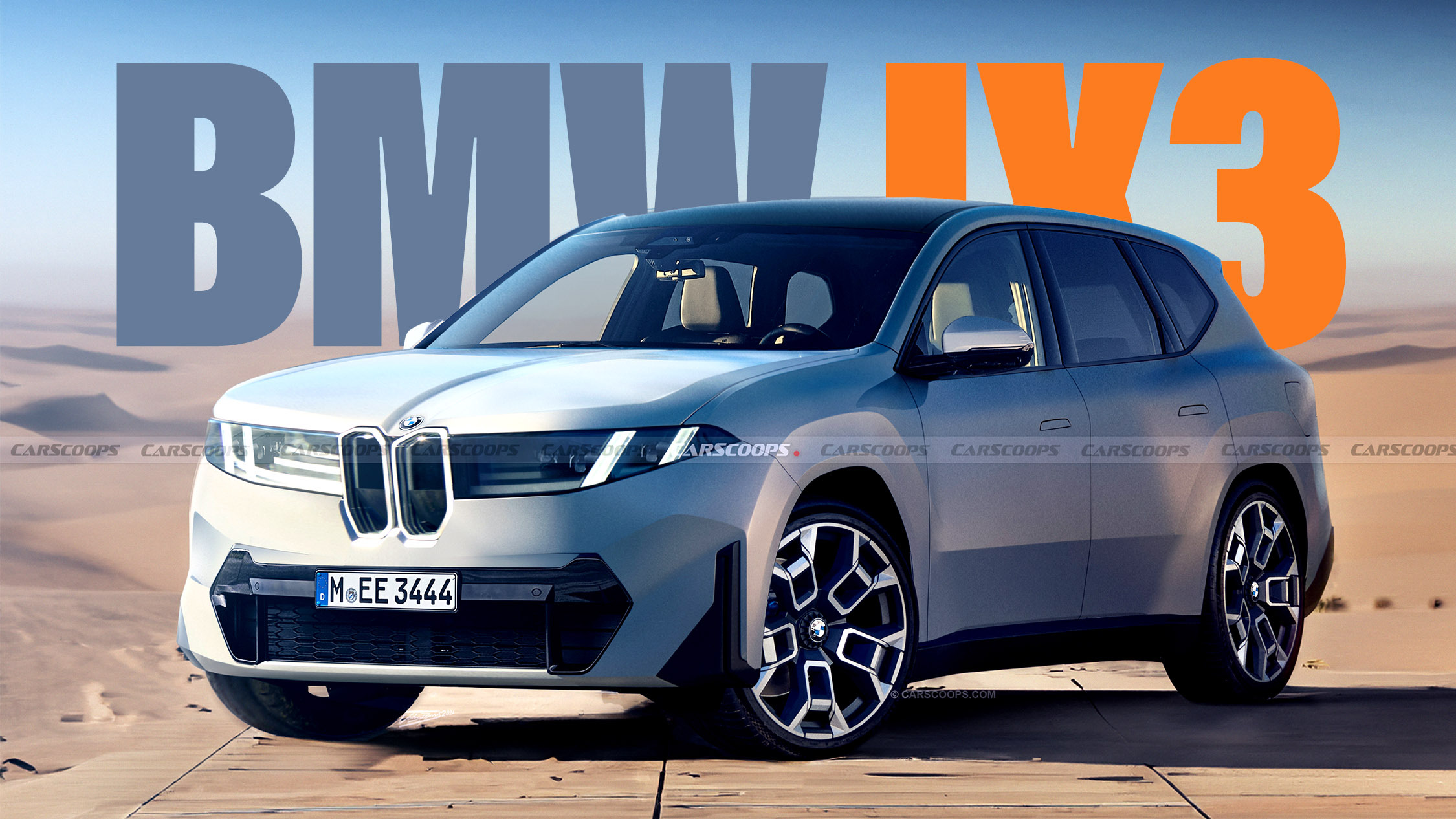
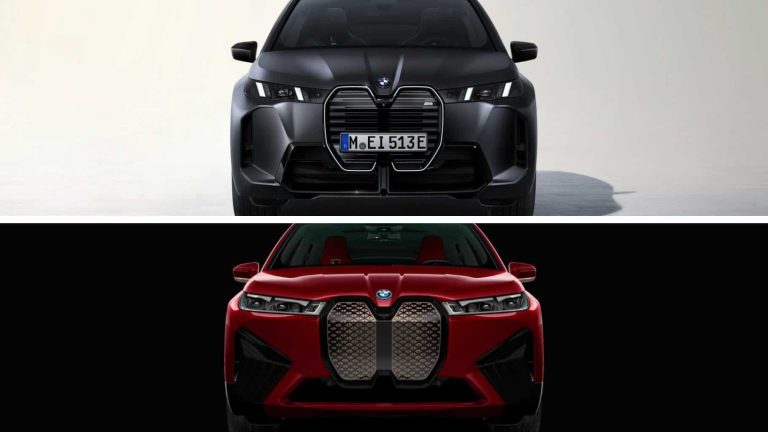
- Evolved Design Language: Expect a refined, perhaps slightly less polarizing, yet still distinctly futuristic exterior. BMW is known for evolving its designs, and the 2026 iX will likely feature updated lighting signatures, aerodynamic enhancements, and potentially new material options. The iconic kidney grille, already reinterpreted for the iX, will continue to serve as a hub for advanced sensors.
- Enhanced Performance and Efficiency: The 2026 iX will undoubtedly offer more power and improved efficiency across its variants (e.g., xDrive50, M60). We can anticipate quicker 0-60 mph times, potentially exceeding the current M60’s 3.6 seconds, and even more responsive handling thanks to advancements in chassis tuning, adaptive air suspension, and all-wheel-drive systems. BMW’s focus on the "Ultimate Driving Machine" will translate seamlessly into its electric offerings.
- Next-Generation Battery Technology and Range: Range anxiety is rapidly becoming a relic of the past, and BMW will be at the forefront of this shift. The 2026 iX is expected to boast significantly improved battery density and energy management, pushing its EPA-estimated range beyond the current 300+ miles, potentially approaching or even exceeding 350 miles on a single charge for some trims. Faster DC fast-charging capabilities will also be a given, allowing for substantial range replenishment in minimal time.
- Revolutionary Interior and Infotainment: The current iX’s interior is a masterclass in minimalist luxury, featuring sustainable materials and the stunning Curved Display. For 2026, anticipate further refinements to the iDrive system (likely iDrive 9 or 10), potentially integrating more augmented reality features, advanced voice controls, and seamless connectivity options. "Shy Tech" – technology that remains hidden until needed – will continue to be a design principle, creating a serene and uncluttered cabin environment.
- Advanced Driver-Assistance Systems (ADAS): BMW’s commitment to safety and convenience will see the 2026 iX equipped with even more sophisticated ADAS features. Expect enhanced semi-autonomous driving capabilities, improved parking assistance, and proactive safety systems that leverage an array of sensors, cameras, and radar.
- Sustainable Luxury: BMW has made sustainability a core pillar of its i-brand. The 2026 iX will likely continue to incorporate recycled materials, responsibly sourced wood, and vegan interior options, appealing to an increasingly eco-conscious luxury buyer.
Expected Price Point: The 2026 BMW iX will undoubtedly remain a premium offering. While exact pricing is speculative, expect a starting MSRP similar to or slightly higher than the current model, which ranges from approximately $87,000 for the xDrive50 to over $111,000 for the M60, before options. The "value for money" will hinge on what these price tags include as standard versus optional extras.
The Competition: A Battle of Electric Titans
To assess the 2026 BMW iX’s value, we must stack it against its most formidable rivals in the luxury electric SUV segment. These competitors bring their own unique strengths to the table, challenging BMW’s dominance.
1. Audi Q8 e-tron (and upcoming Q6 e-tron)
- Strengths: The Q8 e-tron (formerly e-tron) offers a refined, conventional luxury experience with impeccable build quality and a familiar, sophisticated interior. Its driving dynamics are composed and comfortable, prioritizing a smooth ride. Audi’s Quattro all-wheel-drive system is legendary. The upcoming Q6 e-tron, built on the new PPE platform, promises significant improvements in range, charging speed, and performance, potentially narrowing the tech gap with BMW.
- Weaknesses: The current Q8 e-tron’s range and performance, while competitive, don’t always lead the pack. Its interior, while luxurious, might feel less futuristic than the iX’s.
- Value Proposition: Audi often provides a robust standard feature set, making its initial price feel more inclusive. The Q6 e-tron, positioned slightly below the Q8 e-tron in size but with newer tech, could offer a very compelling blend of luxury and value. For those who prefer a more traditional luxury aesthetic without the iX’s bold design statements, the Audi offers a strong, safe choice.
2. Mercedes-Benz EQE SUV
- Strengths: The EQE SUV is a masterclass in comfort and digital luxury. Its available Hyperscreen infotainment system is visually stunning, and the cabin materials are top-tier, prioritizing plushness. The ride quality is exceptionally smooth, akin to an electric S-Class. Mercedes-Benz’s user experience with MBUX is intuitive and feature-rich.
- Weaknesses: While powerful, the EQE SUV often prioritizes comfort over sporty driving dynamics, which might disappoint traditional BMW enthusiasts. Its exterior design, while aerodynamic, can appear somewhat generic or "blob-like" to some.
- Value Proposition: Mercedes-Benz commands a premium, and the EQE SUV is no exception. It offers immense luxury and technological prowess, but often requires delving into extensive options lists to unlock its full potential. For buyers prioritizing ultimate comfort, serene interiors, and cutting-edge digital displays, the EQE SUV presents a compelling, albeit often expensive, package.
3. Tesla Model X
- Strengths: The Model X remains a pioneer, known for its incredible acceleration (especially Plaid), impressive range, and unique Falcon Wing doors. Tesla’s Supercharger network is a significant advantage for long-distance travel, offering unparalleled reliability and speed. The large central screen and minimalist interior design appeal to tech enthusiasts.
- Weaknesses: Build quality can be inconsistent compared to traditional luxury brands. The yoke steering wheel is controversial, and the minimalist interior, while futuristic, lacks the tactile luxury of German rivals. The Falcon Wing doors, while a party trick, can be impractical in tight spaces. Tesla’s customer service experience has also been a point of contention for some.
- Value Proposition: The Model X offers segment-leading performance and range (in certain configurations) at a price that can often undercut the most expensive German luxury EVs, especially when considering its standard tech. However, the premium interior finishes and driving dynamics expected from a luxury SUV are often where it falls short compared to the iX. Its value is strongest for those prioritizing raw performance, range, and access to the Supercharger network above all else.
4. Rivian R1S
- Strengths: The R1S carves out its own niche as an adventure-ready luxury EV SUV. It boasts incredible off-road capability, unique design, innovative storage solutions, and robust performance from its quad-motor setup. It offers true SUV versatility, including strong towing capacity and seating for up to seven.
- Weaknesses: Its focus on ruggedness means it might not offer the same refined on-road driving dynamics as the iX. The interior, while premium, leans more towards adventurous utility than traditional luxury elegance. Its charging network is still developing, though access to Tesla’s Supercharger network is improving.
- Value Proposition: The R1S is a different kind of luxury EV, appealing to buyers who value capability and adventure as much as comfort and technology. Its high starting price reflects its unique capabilities. For those who truly need off-road prowess and a versatile family hauler, the R1S offers unparalleled value, but it’s not a direct competitor for the iX’s urban luxury focus.
5. Cadillac Lyriq
- Strengths: The Lyriq showcases Cadillac’s bold new design language, featuring a striking exterior and a beautifully appointed, technologically advanced interior highlighted by a massive 33-inch curved LED display. It offers a smooth, quiet ride and features like Super Cruise for hands-free driving on compatible highways. Often, it comes with a competitive price point relative to its luxury features.
- Weaknesses: While competent, its performance and driving dynamics might not match the sportier BMW iX. Cadillac’s charging network access isn’t as robust as Tesla’s or BMW’s partnerships.
- Value Proposition: The Lyriq is arguably one of the strongest "value for money" propositions in the luxury EV SUV segment. It delivers stunning design, a luxurious interior, and advanced tech at a price that often undercuts its European rivals, offering more standard features. For buyers seeking a stylish, comfortable, and technologically rich EV without the German premium, the Lyriq is an excellent choice.
Deep Dive: The "Best Value for the Money" Equation
Defining "best value for the money" in the luxury segment is complex, as it’s not solely about the lowest price. It encompasses a holistic assessment of performance, features, luxury, technology, reliability, and emotional appeal relative to cost.
1. Performance vs. Price:
- BMW iX: Traditionally, BMW offers an unparalleled blend of power and handling. The 2026 iX M60 will likely deliver blistering acceleration and precise dynamics. If you prioritize an engaging driving experience, the iX will likely offer top-tier performance for its price, especially considering its luxury appointments.
- Tesla Model X: For sheer straight-line acceleration, the Model X Plaid is hard to beat, often for a lower starting price than the iX M60. However, its handling and interior luxury don’t always match its speed.
- Others: The Audi Q8 e-tron and Mercedes EQE SUV offer strong performance but typically lean towards comfort over sportiness. The Rivian R1S offers unique off-road performance.
- Value Verdict: For a balanced performance package that excels in both acceleration and handling within a luxurious shell, the iX makes a strong case.
2. Range and Charging vs. Price:
- BMW iX: Expected to offer competitive 300-350+ mile range with fast DC charging. BMW’s partnerships (like with Electrify America) improve charging access.
- Tesla Model X: Still often leads in range and benefits from the extensive Supercharger network, offering significant convenience value.
- Others: Most competitors are catching up rapidly in range and charging speed. The upcoming Audi Q6 e-tron promises excellent charging capabilities.
- Value Verdict: Tesla still holds an edge in charging convenience due to its network. However, the 2026 iX’s anticipated range and charging speeds, combined with improving third-party networks, will offer excellent value for most users.
3. Luxury, Interior, and Technology vs. Price:
- BMW iX: The iX’s interior is a strong differentiator. Its blend of sustainable materials, minimalist design, and the Curved Display offers a truly modern luxury experience. "Shy Tech" integrates advanced features seamlessly without clutter.
- Mercedes-Benz EQE SUV: Offers the pinnacle of traditional luxury and digital opulence with the Hyperscreen.
- Cadillac Lyriq: Delivers exceptional visual impact and features for its price, especially with the 33-inch display.
- Value Verdict: The iX’s unique blend of sustainable luxury and cutting-edge, integrated technology provides excellent value for those seeking a forward-thinking, serene, and driver-focused cabin. The Lyriq offers incredible bang for your buck in this category, while Mercedes caters to ultimate plushness.
4. Standard Features vs. Options:
- BMW, like its German counterparts, is known for its extensive (and often expensive) options lists. What appears to be a competitive starting price can quickly escalate.
- Brands like Cadillac (Lyriq) and sometimes even Audi tend to offer more features as standard, making their base models feel more complete and potentially offering better value at lower trim levels.
- Value Verdict: This is a crucial point. Buyers must scrutinize what is included in the base price of the 2026 iX versus what they truly desire. If many desired features are optional, the "value for money" might diminish compared to a competitor that includes them as standard.
5. Ownership Costs and Resale Value:
- Maintenance: EVs generally have lower maintenance costs than ICE vehicles due to fewer moving parts. Luxury EVs, however, still command premium service costs for specialized components.
- Insurance: Can be higher for high-performance luxury EVs.
- Depreciation: While new EVs have shown varied depreciation curves, established luxury brands like BMW tend to hold their value reasonably well, though less than some high-demand Tesla models initially.
- Value Verdict: Hard to predict for 2026, but BMW’s brand reputation typically supports strong resale value.
The 2026 BMW iX’s Unique Selling Propositions (USPs)
Beyond the raw comparisons, the 2026 BMW iX will likely stand out for several key reasons:
- BMW Driving Dynamics: This remains a core strength. The iX translates the "Ultimate Driving Machine" philosophy into the electric era, offering a blend of agile handling, precise steering, and comfortable ride quality that few rivals can match.
- Progressive Luxury: The iX doesn’t just offer luxury; it redefines it for the digital age with its sustainable materials, minimalist design, and integrated "Shy Tech." It feels less like a traditional luxury car adapted for EV and more like a luxury EV designed from the ground up.
- Seamless Technology Integration: BMW’s iDrive system is highly regarded for its intuitive operation, and the Curved Display combined with advanced voice and gesture control creates a holistic user experience.
- Brand Prestige and Dealer Network: BMW’s extensive global dealer network and reputation for quality and service add a layer of reassurance for luxury buyers.
Conclusion: Is the 2026 BMW iX the Best Electric Vehicle for the Money?
The question of whether the 2026 BMW iX is the "best electric vehicle for the money" doesn’t have a simple yes or no answer. It depends heavily on individual priorities and what "value" means to you.
- If you prioritize an engaging, dynamic driving experience, a truly futuristic and sustainably-minded luxury interior, and seamless technology integration, the 2026 BMW iX makes an incredibly compelling case. Its blend of performance, luxury, and advanced features will undoubtedly justify its premium price for those who appreciate BMW’s unique approach.
- If raw performance and an extensive, reliable charging network are your absolute top priorities, the Tesla Model X might still edge it out.
- If ultimate comfort, a plush interior, and a vast digital display are your desires, the Mercedes-Benz EQE SUV could be a better fit, albeit at a potentially higher cost.
- If you seek a refined, understated luxury experience with strong build quality, the Audi Q8 e-tron (or the upcoming Q6 e-tron) offers a compelling alternative.
- For adventurous buyers needing off-road capability and unique versatility, the Rivian R1S stands alone.
- And if you’re looking for outstanding design, a luxurious tech-filled cabin, and excellent features at a highly competitive price point, the Cadillac Lyriq might offer the most "bang for your buck."
Ultimately, the 2026 BMW iX is poised to be a leader in the luxury electric SUV segment, offering a distinctive and highly desirable package. Its value for money will stem from its unique blend of driving pleasure, innovative design, and cutting-edge sustainable luxury. For those who resonate with BMW’s vision for the electric future and are willing to invest in a truly premium and progressive experience, the 2026 iX will undoubtedly represent an excellent and worthwhile investment. As always, a thorough test drive and careful comparison of standard features versus optional extras will be crucial to making the best decision for your personal needs.