The electric vehicle (EV) market is a rapidly accelerating race, with luxury manufacturers vying for dominance in a segment hungry for innovation, performance, and sustainability. Among the frontrunners, the BMW iX has carved out a distinctive niche, blending audacious design with cutting-edge technology and a refined driving experience. As we look towards 2026, the iX is poised to receive potential updates, sharpening its competitive edge against a formidable array of rivals. The crucial question for discerning buyers remains: in an increasingly crowded luxury EV SUV space, will the 2026 BMW iX represent the best electric vehicle for your money?
This comprehensive article will delve into the anticipated strengths of the 2026 BMW iX, compare it meticulously against its key competitors, and analyze what "value for money" truly means in the high-stakes world of premium electric mobility.
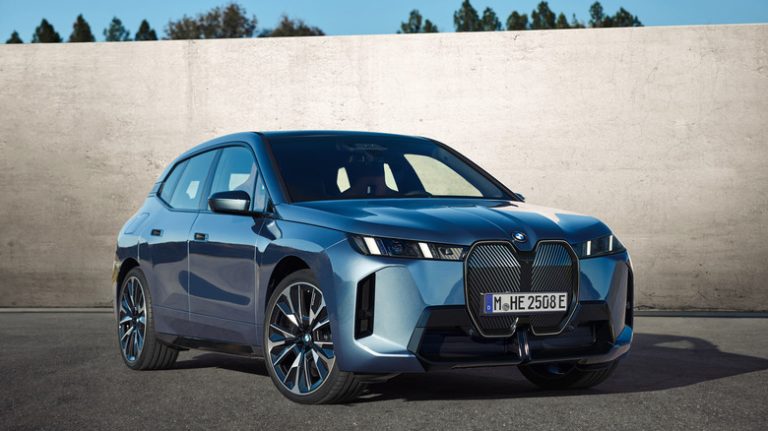
The 2026 BMW iX: Evolution of a Flagship Electric SUV
First introduced to critical acclaim, the BMW iX immediately stood out with its polarizing yet undeniably futuristic design, a spacious and minimalist interior, and a strong commitment to sustainable materials. As we project to the 2026 model year, it’s reasonable to expect BMW to build upon this foundation with strategic enhancements rather than a complete overhaul.
Anticipated 2026 Enhancements:
- Subtle Design Refresh: While the core silhouette will likely remain, expect minor tweaks to the front and rear fascias, potentially integrating updated lighting signatures or grille designs to align with BMW’s evolving aesthetic.
- Battery and Range Improvements: Battery technology is advancing rapidly. The 2026 iX is likely to benefit from increased energy density, translating into either extended driving ranges (potentially pushing well beyond 320 miles on a single charge for the xDrive50 and M60 variants) or improved efficiency with the existing capacity. Faster charging capabilities, possibly leveraging new charging infrastructure standards, could also be on the cards.
- Software and Infotainment Upgrades: BMW’s iDrive 8 and its subsequent iterations are already highly sophisticated. The 2026 model will almost certainly feature the latest version of the iDrive operating system, offering even more intuitive controls, enhanced AI voice assistance, and potentially deeper integration with third-party apps and digital services. Over-the-air (OTA) update capabilities will ensure the vehicle remains current.
- Advanced Driver-Assistance Systems (ADAS): Expect further refinement of BMW’s semi-autonomous driving features, offering smoother operation, expanded capabilities in various driving scenarios, and potentially higher levels of autonomy in specific situations, pending regulatory approvals.
- Performance Tweaks: While already exhilarating, minor power bumps or efficiency improvements could be implemented across the range, further solidifying the iX’s reputation for engaging electric performance.
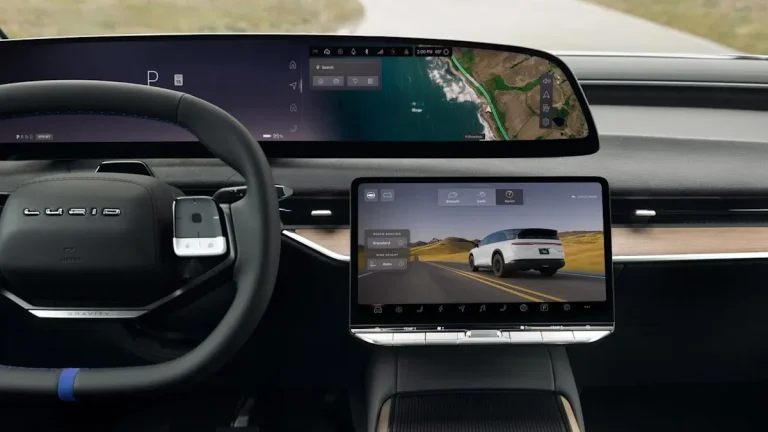
The current iX already boasts impressive credentials: the xDrive50 offers 516 horsepower and a 0-60 mph sprint in 4.4 seconds, while the M60 variant unleashes 610 hp and hits 60 mph in a blistering 3.6 seconds. These figures, combined with BMW’s renowned chassis tuning, deliver a driving experience that is both dynamically engaging and serenely comfortable. The spacious interior, dominated by the curved display housing a 12.3-inch instrument cluster and a 14.9-inch infotainment screen, provides a luxurious and tech-forward cabin environment. Sustainable materials, such as olive-tanned leather and recycled plastics, underscore BMW’s commitment to eco-conscious manufacturing.
Defining "Value for Money" in the Luxury EV Segment
Before diving into comparisons, it’s crucial to establish what "value for money" truly signifies when discussing premium electric vehicles. It’s far more nuanced than just the sticker price.
- Initial Purchase Price vs. Standard Features: How much do you get for the base price? Are essential luxury and technology features standard, or are they expensive optional extras?
- Total Cost of Ownership (TCO): This encompasses depreciation, insurance, maintenance (typically lower for EVs), electricity costs vs. gasoline, and potential tax credits or incentives.
- Range and Charging Ecosystem: Does the vehicle offer sufficient range for your needs, and how convenient is its charging infrastructure access? Faster charging can save significant time.
- Performance and Driving Dynamics: Does the vehicle deliver an engaging and satisfying driving experience commensurate with its price tag and brand promise?
- Interior Quality, Comfort, and Technology: Are the materials premium? Is the cabin comfortable and spacious? Is the infotainment system intuitive, and does it offer leading-edge features?
- Brand Prestige and Resale Value: A strong brand often translates to higher perceived value and better resale value down the line.
- Reliability and Build Quality: A luxury vehicle should offer impeccable build quality and a high degree of reliability.
With these factors in mind, let’s pit the anticipated 2026 BMW iX against its most formidable competitors.
Key Competitors: A Formidable Field
The luxury electric SUV segment is fiercely competitive, with established players and ambitious newcomers constantly pushing boundaries.
1. Tesla Model X: The Pioneer’s Evolution
- Strengths: Unmatched Supercharger network, blistering acceleration (especially Plaid), impressive range, minimalist interior, advanced autonomous driving capabilities (Autopilot/FSD).
- Weaknesses: Interior material quality and fit-and-finish can be inconsistent compared to traditional luxury brands, ride comfort is often firmer, reliance on touchscreen for almost all functions can be distracting.
- Value Proposition: The Model X offers incredible performance and range, backed by a superior charging infrastructure. For those prioritizing raw speed, tech-forward minimalism, and the Tesla ecosystem, it presents a compelling package. Its resale value has historically been strong. However, its luxury feel, in terms of materials and ride, often falls short of European rivals.
2. Mercedes-Benz EQE SUV: German Luxury Redefined
- Strengths: Sumptuous interior with unparalleled material quality, supremely comfortable ride, MBUX Hyperscreen (optional) offers stunning visual and interactive experience, strong brand prestige, advanced safety features.
- Weaknesses: Driving dynamics are more comfort-focused than sporty, range can be slightly less competitive than some rivals, charging speeds are good but not always class-leading, exterior design can be perceived as generic by some.
- Value Proposition: The EQE SUV prioritizes traditional luxury, comfort, and advanced cabin technology. For buyers seeking a serene, high-tech sanctuary on wheels with a strong brand legacy, it delivers immense value. It might not be the fastest or have the longest range, but it excels in refinement and passenger experience.
3. Audi Q8 e-tron (and Q8 Sportback e-tron): Understated Elegance
- Strengths: Refined and understated exterior design, impeccable interior build quality and ergonomics, comfortable and quiet ride, excellent Quattro all-wheel-drive system, proven reliability.
- Weaknesses: Historically, range has been a slight disadvantage, charging speeds were good but not cutting-edge on older models (though improving), less dramatic performance than some rivals, interior tech, while excellent, isn’t as visually flashy as Mercedes’ Hyperscreen or BMW’s Curved Display.
- Value Proposition: The Q8 e-tron offers a more conservative, yet deeply luxurious and competent package. It appeals to buyers who appreciate subtlety, rock-solid engineering, and a highly functional, well-appointed cabin. It might not win every spec-sheet battle, but its overall refinement and ease of use are strong selling points for those seeking a premium, no-fuss EV.
4. Porsche Macan EV (Upcoming): The Performance Challenger
- Strengths: Expected to set new benchmarks for EV driving dynamics and performance in the segment, cutting-edge PPE platform, premium interior materials, strong brand cachet.
- Weaknesses: Likely to be the most expensive in this comparison, potentially less cargo space than larger SUV rivals, brand focus is heavily on performance which might not appeal to all luxury buyers.
- Value Proposition: While still speculative for 2026, the Macan EV will undoubtedly offer unparalleled driving engagement. For buyers who prioritize sports car performance in an SUV body and are willing to pay a premium for the Porsche badge and engineering, it will offer immense value, albeit at a higher price point. It’s a different segment of value – performance value.
5. Cadillac Lyriq: American Luxury Reimagined
- Strengths: Striking and distinctive exterior design, luxurious and spacious interior with unique aesthetic elements, large 33-inch curved display, competitive range, relatively aggressive pricing, Super Cruise hands-free driving technology.
- Weaknesses: Charging network might not be as robust as Tesla or have the extensive partnerships of European brands (though GM is investing heavily), brand perception is still rebuilding against established European luxury, initial rollout challenges.
- Value Proposition: The Lyriq offers a compelling blend of dramatic design, modern luxury, and advanced technology at a potentially more accessible price point than its European rivals. For buyers looking for something distinctively American and future-forward, with strong value for the features offered, the Lyriq is a serious contender.
Head-to-Head Comparison: Where the iX Shines
Let’s dissect how the 2026 BMW iX is expected to stack up across critical dimensions.
1. Performance and Driving Dynamics:
The BMW iX, even in its current form, is a standout. It offers a unique blend of immediate EV torque with BMW’s characteristic chassis balance and steering feel. The iX M60, in particular, delivers thrilling acceleration and surprisingly agile handling for its size, thanks to adaptive air suspension and integral active steering.
- Vs. Tesla Model X: The Model X Plaid might win in a straight-line drag race, but the iX offers a more refined, comfortable, and engaging driving experience on varied roads, feeling more like a traditional luxury sport SUV.
- Vs. Mercedes EQE SUV: The EQE SUV prioritizes plush comfort. The iX offers a sportier, more connected feel without sacrificing much in terms of ride quality, striking a better balance for enthusiasts.
- Vs. Audi Q8 e-tron: The Q8 e-tron is competent and composed, but the iX typically offers more immediate power delivery and a more dynamic edge.
- Vs. Porsche Macan EV: This will be the ultimate showdown for driving dynamics. The Macan EV is expected to be segment-leading, so the iX might be challenged to match its pure athleticism, though it will remain exceptionally capable.
2. Range and Charging:
The 2026 iX is anticipated to improve on its already respectable range (currently up to 307 miles for the xDrive50). Fast charging capability will be crucial.
- Vs. Tesla Model X: Tesla’s proprietary Supercharger network remains a significant advantage for convenience, though other brands are catching up with broader public network access and faster charging speeds. The iX’s range should be highly competitive.
- Vs. Mercedes EQE SUV / Audi Q8 e-tron: The iX is expected to offer competitive or slightly superior range figures, especially with anticipated battery advancements. BMW’s charging architecture is robust and continues to improve.
3. Interior and Technology:
The iX’s cabin is a masterclass in modern luxury and minimalist design, highlighted by the huge curved display and sustainable materials. The iDrive system is highly functional and intuitive.
- Vs. Tesla Model X: The iX offers a far more traditional luxury interior feel, with physical buttons complementing the touchscreen, higher quality materials, and superior fit-and-finish. Tesla’s minimalism can feel stark to some.
- Vs. Mercedes EQE SUV: The EQE’s Hyperscreen is visually stunning, but the iX’s integrated curved display offers a similar level of sophistication with a slightly different aesthetic and material choices. Both are excellent, but the iX feels more "organic" in its integration.
- Vs. Audi Q8 e-tron: Audi’s interior is impeccable but more conventional. The iX offers a more futuristic and avant-garde design, pushing boundaries in luxury EV interiors.
- Vs. Cadillac Lyriq: The Lyriq’s interior is bold and distinct. The iX’s approach is similarly forward-thinking but perhaps with a more universally accepted luxury aesthetic.
4. Design and Aesthetics:
The iX’s exterior design is its most polarizing feature. It’s bold, distinctive, and undeniably futuristic.
- Vs. All Competitors: This is highly subjective. The iX stands out in a way that none of its competitors quite do. While some prefer the sleekness of the Model X, the elegance of the EQE SUV, or the understated luxury of the Q8 e-tron, the iX makes a statement. For those who want their luxury EV to look like nothing else on the road, the iX offers unmatched visual impact.
5. Price and Value Proposition (The "For the Money" Question):
BMW iX models typically start in the mid-$80,000 range for the xDrive50, climbing well into six figures for the M60. This places it squarely against its premium rivals.
- Initial Price: The iX’s pricing is competitive within the segment. It offers a substantial amount of standard technology and luxury features for its base price, often requiring fewer expensive options to reach a desirable trim level compared to some rivals.
- Total Cost of Ownership: EVs generally have lower running costs. BMW’s established dealer network and service reputation add to the ownership experience. While depreciation is a factor for all luxury vehicles, BMWs tend to hold their value well.
- Features vs. Price: The 2026 iX, with its anticipated upgrades, will likely offer a class-leading blend of performance, cutting-edge technology, luxurious comfort, and unique design for its price point. It represents a strong balance, avoiding the extreme minimalism of Tesla or the potentially higher price point of a performance-focused Porsche, while offering more dynamism than the Mercedes or Audi.
The Verdict: Is the 2026 BMW iX the Best EV for Your Money?
Defining the "best electric vehicle for the money" is inherently personal, as it depends on individual priorities. However, the 2026 BMW iX makes an incredibly compelling case, especially for a specific type of buyer.
The 2026 BMW iX is likely to be the best EV for your money if you prioritize:
- A balanced blend of exhilarating performance and refined comfort: It offers engaging driving dynamics without sacrificing ride quality.
- Cutting-edge, yet intuitive, interior technology: The iDrive system and curved display are sophisticated and user-friendly.
- A distinct and modern luxury aesthetic: Both inside and out, the iX pushes design boundaries.
- Sustainable materials and manufacturing: BMW’s commitment to eco-conscious luxury is evident.
- A strong brand presence with a robust dealer network and service: BMW ownership comes with inherent peace of mind.
While the Tesla Model X might appeal more to those chasing raw acceleration and a vast charging network, the Mercedes EQE SUV to those seeking ultimate plushness, the Audi Q8 e-tron to those valuing understated competence, and the Porsche Macan EV to pure performance enthusiasts, the BMW iX excels in offering a holistic, well-rounded luxury EV experience.
The 2026 BMW iX is not just a competitor; it’s a statement. It provides a highly desirable combination of performance, luxury, technology, and sustainability wrapped in a distinctive package. For those who appreciate a vehicle that delivers a truly premium driving experience, stands out from the crowd, and offers a comprehensive suite of features and capabilities for its segment-appropriate price, the 2026 BMW iX is poised to be an incredibly strong contender for the title of "best electric vehicle for your money." It strikes a near-perfect balance, making it an undeniable leader in the luxury electric SUV landscape.