The automotive landscape is in a constant state of flux, but few nameplates have endured and adapted with the same tenacity as the Ford Explorer. For over three decades, it has been a cornerstone of American families, adventurers, and fleet operators alike, defining the very essence of the SUV. As we peer into the near future, the 2026 Ford Explorer arrives not merely as an update, but as a comprehensive reimagining, poised to redefine its segment once more. This isn’t just another refresh; it’s a statement, a testament to Ford’s commitment to innovation, utility, and the evolving demands of the modern driver.
From its humble, body-on-frame origins to its current sophisticated, rear-wheel-drive-based architecture, the Explorer has consistently evolved. For 2026, Ford has gone back to the drawing board, integrating a blend of cutting-edge technology, refined powertrains, and a design philosophy that marries rugged capability with urban sophistication. Our extensive review delves into every facet of this highly anticipated vehicle, from its commanding presence to its intricate digital ecosystem, dissecting its features, anticipating its pricing, and assessing its place in an increasingly competitive market.
A Striking Evolution: Exterior Design and Presence
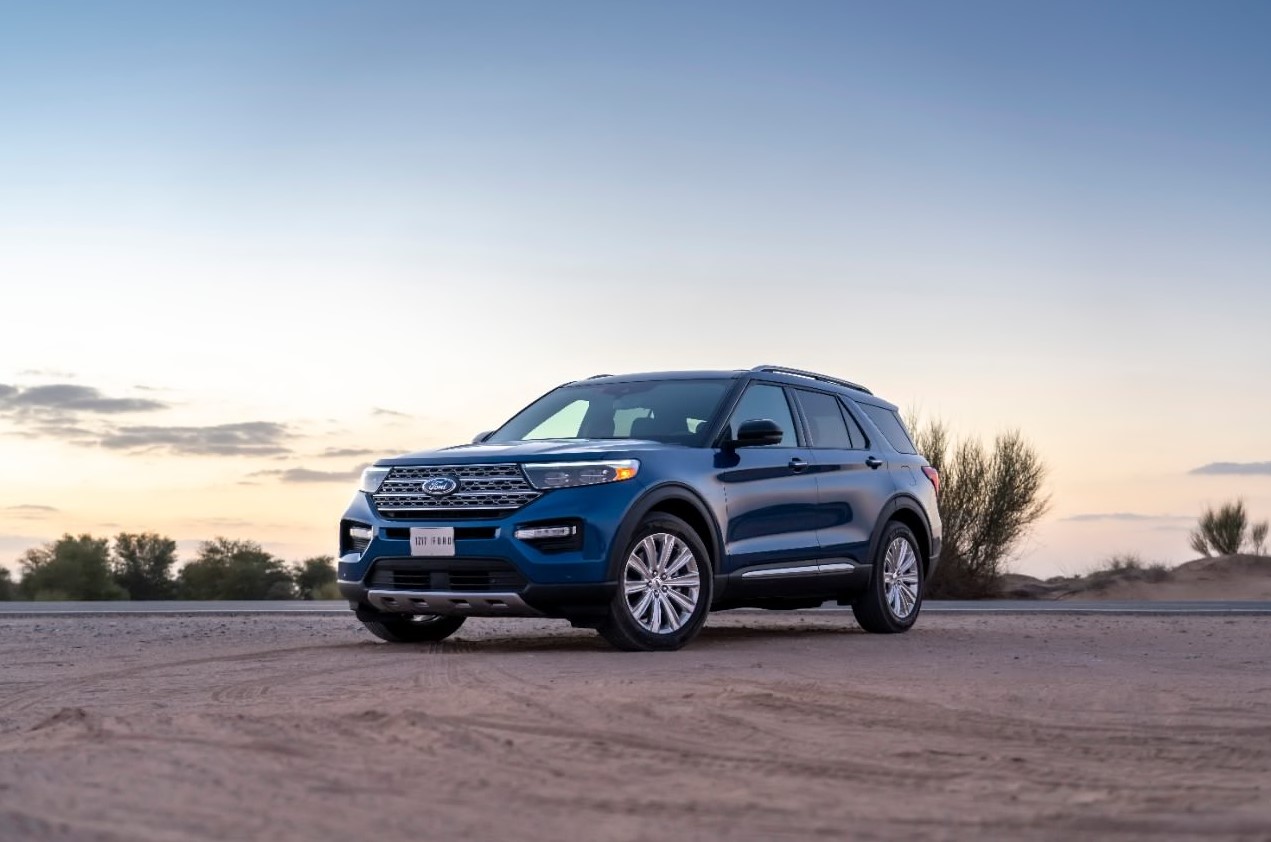
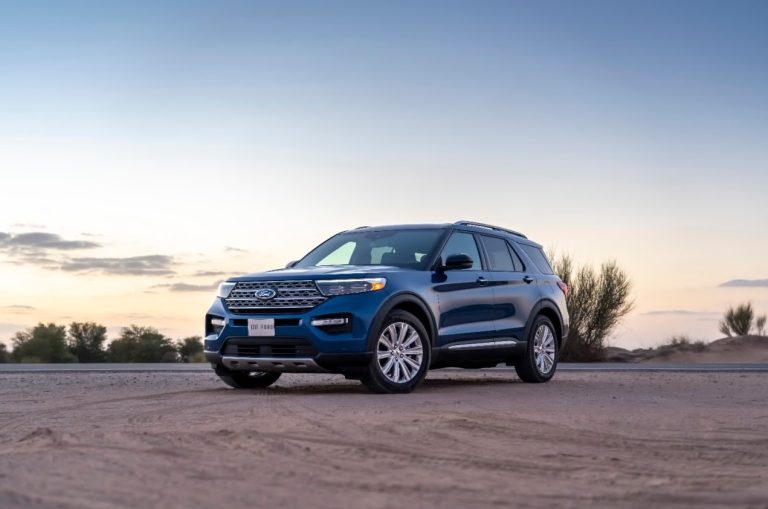
The first impression of the 2026 Ford Explorer is one of confident evolution rather than radical revolution. Ford’s designers have meticulously sculpted a form that is both instantly recognizable and undeniably fresh. The signature upright stance remains, but every panel has been rethought, every line sharpened. The front fascia, in particular, showcases a bold new interpretation of Ford’s design language. A larger, more assertive grille, varying in texture and finish across trim levels, dominates the leading edge, flanked by sleek, re-profiled LED headlights that integrate seamlessly into the vehicle’s shoulders. These aren’t just cosmetic changes; the new lighting elements offer enhanced visibility and a distinctive signature, particularly at night.
The Explorer’s profile maintains its strong, purposeful character, but with subtly revised character lines that flow more dynamically from front to rear. The wheel arches are more pronounced, housing a range of striking wheel designs from 18-inch alloys on base models to impressive 22-inch options on the Platinum and ST variants. Aerodynamic efficiency has clearly been a priority, with flush door handles, carefully integrated spoilers, and underbody paneling contributing to improved fuel economy and reduced wind noise. The rear design echoes the front’s modern aesthetic, featuring redesigned LED taillights that stretch horizontally, emphasizing the vehicle’s width and stability. A more integrated rear diffuser and exhaust finishers (real ones, thankfully) complete the contemporary look.
Trim differentiation is more pronounced than ever. The XLT exudes a balanced blend of utility and style, while the Limited adds chrome accents and more premium finishes. The Explorer ST-Line brings a sporty visual flair without the full performance hardware, borrowing cues from the full-blown ST, which boasts blacked-out trim, unique badging, and an even more aggressive stance. For those seeking ultimate luxury, the Platinum model distinguishes itself with unique grille treatments, premium paint options, and subtle, elegant details that elevate its curb appeal. The overall impression is one of rugged elegance, a vehicle that looks equally at home traversing a mountain pass or navigating a city boulevard.
Sanctuary Within: Interior Comfort and Technology
Step inside the 2026 Explorer, and you’re greeted by an interior that represents a significant leap forward in design, material quality, and technological integration. Ford has clearly listened to feedback, addressing previous generations’ criticisms and elevating the cabin experience to new heights. The dashboard features a cleaner, more horizontal layout, emphasizing width and spaciousness. Soft-touch materials are now pervasive, even in lower trims, and higher-end models boast exquisite leather upholstery, open-pore wood, or genuine aluminum trim. The fit and finish are impeccable, creating an ambiance of premium craftsmanship that rivals many luxury competitors.
The centerpiece of the cabin is the new, expansive digital interface. A prominent 13.2-inch (or larger on top trims) portrait-oriented touchscreen dominates the center stack, seamlessly integrating Ford’s next-generation SYNC system. This isn’t just a bigger screen; it’s faster, more intuitive, and offers crisp graphics. Wireless Apple CarPlay and Android Auto are standard, along with a host of connected services and over-the-air (OTA) update capabilities, ensuring the Explorer’s technology remains current for years to come. Below the main screen, physical controls for climate and essential functions remain, a welcome nod to user-friendliness that avoids overly digitizing everything.
Complementing the central display is a fully customizable 12.3-inch digital instrument cluster, allowing drivers to configure information from traditional gauges to full-screen navigation maps. A large head-up display (HUD) is available, projecting critical information directly onto the windshield, further reducing driver distraction.
Seating comfort has been significantly improved across all three rows. The front seats are supportive and offer extensive adjustability, with heating, ventilation, and massage functions available on higher trims. The second row, available as either a bench or captain’s chairs, provides ample legroom and features improved recline functionality. Crucially, third-row access has been made easier, and the third row itself offers surprising comfort for adults on shorter journeys, making the Explorer a true seven-seater for families. Cargo capacity remains a strong suit, with flexible seating configurations allowing for cavernous storage when needed, aided by a power-folding third row. Noise isolation has also seen significant enhancements, with thicker acoustic glass and improved insulation creating a remarkably quiet and serene cabin experience, even at highway speeds.
Power and Poise: Powertrain and Driving Dynamics
Underpinning the 2026 Explorer is an evolution of Ford’s highly capable CD6 platform, known for its rear-wheel-drive bias and excellent handling characteristics. The powertrain lineup has been thoroughly revised, offering a compelling blend of power, efficiency, and environmental consciousness.
The base engine is expected to be a refined version of the 2.3-liter EcoBoost four-cylinder, now producing around 300 horsepower and 310 lb-ft of torque. Paired with an advanced 10-speed automatic transmission, this engine provides strong acceleration and commendable fuel economy for its class.
For those seeking more exhilaration, the ST and Platinum models will likely retain a potent 3.0-liter EcoBoost V6, pushing outputs north of 400 horsepower and 415 lb-ft of torque. This engine transforms the Explorer into a genuine performance SUV, capable of thrilling sprints and effortless highway cruising, all while maintaining the refined composure expected of a premium vehicle.
However, the most significant powertrain news for 2026 is the expansion of electrification. The existing hybrid powertrain (3.3-liter V6 paired with an electric motor) is expected to receive significant updates, boosting both power and all-electric range. More importantly, Ford is widely anticipated to introduce a Plug-in Hybrid Electric Vehicle (PHEV) variant. This PHEV Explorer would offer a substantial all-electric driving range (estimated 30-40 miles) for daily commutes, coupled with the long-distance capability of its gasoline engine, positioning it as a highly attractive option for environmentally conscious buyers and those seeking to reduce fuel costs. While a full battery-electric Explorer is likely further down the line, the PHEV represents a crucial step in the Explorer’s electrification journey.
On the road, the 2026 Explorer promises a driving experience that is both engaging and refined. The rear-wheel-drive architecture provides a balanced feel, and the available intelligent all-wheel-drive system ensures confident traction in various conditions. Steering feel is precise and well-weighted, offering good feedback to the driver. The suspension tuning strikes an excellent balance between comfortable compliance over rough roads and firm control through corners, making it a joy to drive whether on a cross-country trip or a spirited drive on winding backroads. Dynamic modes (Normal, Sport, Eco, Trail, Sand, Snow/Wet) further tailor the vehicle’s responses to different driving scenarios. Towing capacity is expected to remain robust, making the Explorer a versatile choice for those with boats, trailers, or recreational vehicles.
Safety, Driver Assistance, and Connectivity
Ford’s commitment to safety is evident in the 2026 Explorer, which features an expanded and enhanced suite of advanced driver-assistance systems (ADAS) under the Co-Pilot360 Assist 2.0 (or even 3.0) umbrella. Standard features include Pre-Collision Assist with Automatic Emergency Braking, Lane-Keeping System, Blind Spot Information System (BLIS) with Cross-Traffic Alert, and Auto High-Beam Headlights.
Building on this foundation, optional features elevate the Explorer’s semi-autonomous capabilities. The latest iteration of Ford’s BlueCruise hands-free highway driving system is expected, offering even more mapped roads and smoother transitions. Enhanced active park assist, evasive steering assist, intersection assist, and a 360-degree camera system with split-view display further boost confidence and convenience. The Explorer is engineered to achieve top safety ratings from both the NHTSA and IIHS, cementing its reputation as a safe choice for families.
Connectivity extends beyond the infotainment system. The Explorer will likely offer a standard Wi-Fi hotspot, remote vehicle controls via the FordPass app, and integration with smart home devices. Over-the-air updates will allow Ford to continuously improve vehicle features, performance, and even add new functionalities post-purchase, ensuring the Explorer remains at the technological forefront.
Pricing and Trim Levels
Anticipating the pricing for the 2026 Ford Explorer requires considering the significant upgrades and inflationary pressures. While official figures are yet to be released, we expect a slight bump from the current generation, reflecting the advanced technology, improved materials, and enhanced powertrains.
- Base Explorer: Expected to start in the low to mid $40,000s. This trim will offer essential features, the new standard engine, and the refreshed design, making it an attractive entry point.
- Explorer XLT: Likely to range from $45,000 to $50,000. Adds more convenience features, upgraded interior trim, and additional options.
- Explorer Limited: Estimated between $52,000 and $58,000. This popular trim will come well-equipped with leather seating, premium audio, advanced driver-assist features, and more refined exterior accents.
- Explorer ST-Line: Expected in the $50,000 to $55,000 range. Offers the sporty aesthetics of the ST without the full performance engine.
- Explorer ST: The performance variant, projected to start in the high $50,000s to low $60,000s. Commands a premium for its powerful V6 EcoBoost engine, sport-tuned suspension, and aggressive styling.
- Explorer Platinum: The pinnacle of luxury, anticipated to reach $65,000 to $70,000+. Features exclusive interior materials, advanced technology, and unique exterior details.
- Hybrid/PHEV Options: These powertrains will likely carry a premium over their gasoline-only counterparts, potentially adding $2,000-$5,000 depending on the specific configuration and available tax incentives.
Ford will undoubtedly offer a comprehensive list of optional packages, allowing buyers to customize their Explorer with features like panoramic sunroofs, premium sound systems (B&O is a likely partner), advanced towing packages, and specialized appearance groups.
The Competition
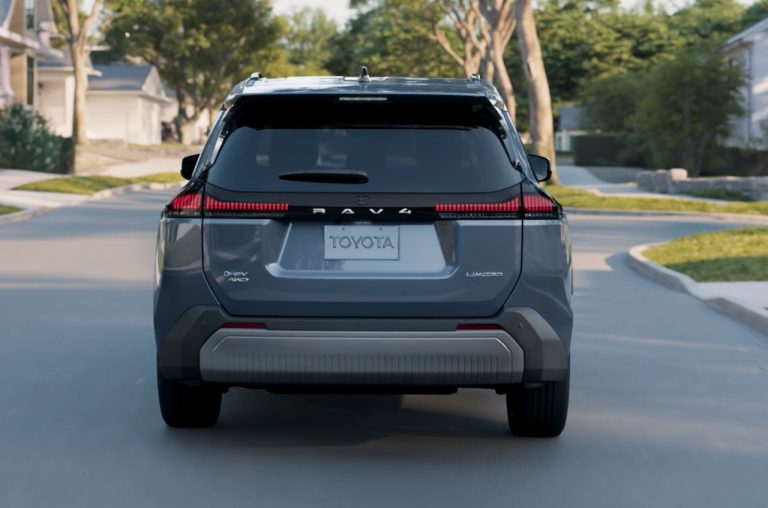
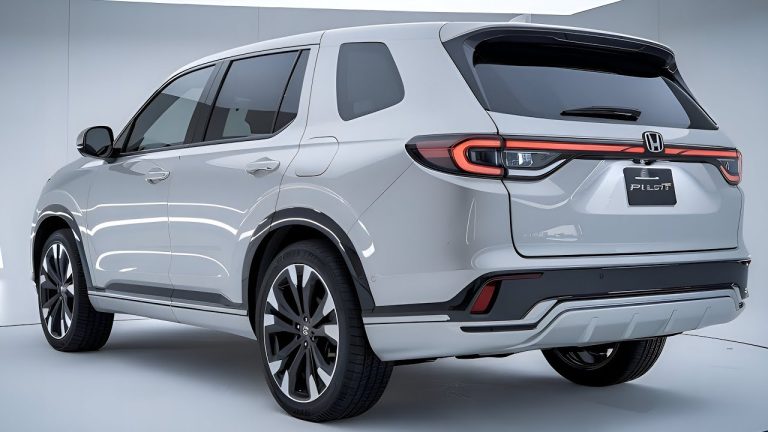
The mid-size, three-row SUV segment is a brutal battleground, and the 2026 Explorer faces formidable adversaries. Key competitors include the Kia Telluride, Hyundai Palisade, Honda Pilot, Toyota Highlander, Jeep Grand Cherokee L, and Volkswagen Atlas. Each offers a compelling package of features, style, and utility.
However, the 2026 Explorer is uniquely positioned. Its rear-wheel-drive platform offers a driving dynamic often preferred by enthusiasts, while its expanded hybrid and anticipated PHEV options provide a distinct efficiency advantage over many rivals. The breadth of its lineup, from the capable base model to the luxurious Platinum and the performance-oriented ST, ensures it can cater to a wider spectrum of buyers. Its technological prowess, particularly with the new SYNC system and BlueCruise, puts it at the forefront of in-car connectivity and semi-autonomous driving.
Conclusion: A New Benchmark for the Modern Family
The 2026 Ford Explorer is more than just a new vehicle; it’s a statement of intent from a company that understands the pulse of the American consumer. It skillfully blends its iconic heritage with a forward-looking vision, delivering a package that is simultaneously familiar and groundbreaking. With its sharpened design, significantly upgraded interior, intuitive technology, and a diverse range of powerful and efficient powertrains – including the crucial step towards broader electrification – the new Explorer is poised to reclaim its throne as a dominant force in the three-row SUV segment.
For families seeking a versatile, safe, and technologically advanced vehicle; for adventurers needing robust capability; and for anyone desiring a sophisticated yet practical daily driver, the 2026 Ford Explorer promises to be an irresistible proposition. It’s a vehicle that doesn’t just meet expectations; it raises them, setting a new benchmark for what a modern family SUV can and should be. The wait for this next-generation icon will undoubtedly be worth it.