When the Hyundai Ioniq 5 burst onto the scene, it wasn’t just another electric vehicle; it was a design statement, a technological marvel, and a clear signal of Hyundai’s ambitious foray into the EV future. With its retro-futuristic styling, spacious interior, and ultra-fast charging capabilities, it quickly captured the imagination of consumers and critics alike, earning numerous accolades, including the prestigious World Car of the Year award.
Now, as we look towards 2026, the automotive world anticipates the evolution of this groundbreaking EV. While Hyundai has yet to release official details for the 2026 model year, industry trends, typical refresh cycles, and the brand’s commitment to continuous innovation suggest a thoughtful evolution rather than a complete overhaul. The 2026 Hyundai Ioniq 5 is expected to build upon its already stellar foundation, bringing subtle enhancements in design, technology, range, and performance to maintain its competitive edge in the rapidly expanding electric SUV segment.
This comprehensive review delves into what we can anticipate from the 2026 Hyundai Ioniq 5, covering its expected design refinements, advanced features, anticipated performance upgrades, and a speculative look at its pricing and trim levels. Whether you’re a current Ioniq 5 owner or contemplating your first EV, prepare to explore the refined future of electric mobility.
The Evolution: What’s New for 2026?
The 2026 model year typically marks a mid-cycle refresh for vehicles introduced around 2022. For the Ioniq 5, this means a strategic update aimed at enhancing its appeal without altering its core identity. We anticipate a focus on:
- Subtle Exterior Tweaks: Minor revisions to the front and rear fascias, perhaps updated LED lighting signatures, new wheel designs, and an expanded palette of exterior colors. These changes will likely refine its distinctive "Parametric Pixel" design language rather than revolutionize it.
- Interior Enhancements: Expect upgrades to material quality in certain trims, new upholstery options, and potentially revised ergonomics for controls. Hyundai might also integrate more sustainable and recycled materials, aligning with its eco-conscious brand image.
- Infotainment & Connectivity: A significant area for improvement could be an updated infotainment system. Hyundai’s new Connected Car Navigation Cockpit (ccNC) system, already rolling out in newer models, offers faster processing, more intuitive menus, and enhanced over-the-air (OTA) update capabilities. This could be a key feature for the 2026 Ioniq 5, along with advanced voice recognition and new digital services.
- Battery & Range Optimizations: While a revolutionary battery chemistry change is unlikely, Hyundai may introduce a slightly larger battery capacity or optimize existing battery management software to eke out a few more miles of EPA-estimated range. Efficiency improvements through aerodynamic refinements or powertrain tuning are also possible.
- Driver-Assistance & Safety: Expect enhancements to the Hyundai SmartSense suite, possibly including improved sensor accuracy, new semi-autonomous driving features, or more sophisticated parking assistance systems.
These anticipated changes aim to keep the Ioniq 5 at the forefront of the EV market, responding to customer feedback and leveraging the latest advancements in automotive technology.
Exterior Design: The Retro-Futuristic Masterpiece, Refined
The Hyundai Ioniq 5’s exterior design is arguably its most captivating feature. It masterfully blends a nostalgic, almost pixelated aesthetic with a sleek, modern silhouette. For 2026, this iconic look is expected to receive careful refinement.
The signature "Parametric Pixel" lighting elements, both front and rear, will undoubtedly remain, possibly with a slightly sharper execution or new animated sequences. The distinctive clamshell hood and flush door handles, which contribute to its smooth, aerodynamic profile, are also likely to carry over.
Anticipated changes might include:
- Revised Bumpers: Subtle reshaping of the front and rear bumpers could give the 2026 model a slightly more aggressive or sophisticated stance.
- Grille Evolution: While EVs don’t have traditional grilles, the Ioniq 5 features a textured panel that could see new patterns or integration of active aero elements.
- New Wheel Designs: A fresh set of aerodynamically optimized wheel designs, potentially in larger sizes or with two-tone finishes, would complete the refreshed look.
- Color Palette Expansion: Hyundai might introduce new vibrant or understated color options to further personalize the Ioniq 5 experience.
Despite any updates, the 2026 Ioniq 5 will retain its unique crossover proportions – a relatively short wheelbase for an EV, combined with a wide stance and a low roofline, giving it an undeniable presence that stands out in a sea of conventional SUVs. Its design isn’t just about aesthetics; it’s a testament to Hyundai’s bold vision for electric vehicles, creating a car that looks distinctively different and forward-thinking.
Interior Comfort & Technology: A Sanctuary of Innovation
Step inside the 2026 Hyundai Ioniq 5, and you’re greeted by an interior that redefines spaciousness and minimalist luxury. The E-GMP platform allows for a completely flat floor, liberating cabin space that feels more like a lounge than a traditional car interior.
Key interior aspects expected to carry over and be enhanced include:
- Spaciousness and Versatility: The long wheelbase translates to exceptional legroom for both front and rear passengers. The sliding center console ("Universal Island") is a clever feature, allowing for customization of front cabin space, and we anticipate it will remain, perhaps with improved storage solutions or charging pads. Rear seats that slide and recline further enhance comfort and cargo flexibility.
- Sustainable Materials: Hyundai has emphasized the use of eco-friendly materials in the Ioniq 5, including recycled plastics, plant-based yarns, and eco-processed leather. The 2026 model is likely to double down on this commitment, potentially introducing new sustainable material options.
- Dual 12.3-inch Displays: The integrated dual 12.3-inch digital instrument cluster and infotainment touchscreen will undoubtedly remain the focal point of the dashboard. For 2026, the underlying software is where the magic happens. The anticipated adoption of Hyundai’s ccNC system will bring crisper graphics, faster response times, more personalized profiles, and potentially new connected services. Wireless Apple CarPlay and Android Auto, a common request, might finally become standard.
- Advanced Ergonomics: Hyundai consistently delivers user-friendly interfaces. While the Ioniq 5 leans heavily on touchscreens, physical buttons for critical climate controls and audio volume provide a welcome tactile experience. These are expected to be maintained or subtly refined.
- Vehicle-to-Load (V2L) Functionality: A game-changer for many, the Ioniq 5’s V2L feature allows it to power external devices and appliances, turning the car into a mobile power bank. This innovative capability, which includes both an exterior port and an interior outlet (on higher trims), will certainly be a staple of the 2026 model, potentially with improved power output or monitoring.
- Premium Audio and Ambient Lighting: Higher trims will continue to offer premium sound systems (likely Bose) and customizable ambient lighting, allowing occupants to tailor the cabin’s mood.
The 2026 Ioniq 5’s interior will remain a testament to thoughtful design, blending cutting-edge technology with practical comfort, all while maintaining an airy and inviting atmosphere.
Performance & Powertrain: Electrifying Dynamics
At the heart of the 2026 Hyundai Ioniq 5’s performance is the advanced Electric Global Modular Platform (E-GMP). This dedicated EV architecture is designed from the ground up to optimize electric vehicle performance, packaging, and safety.
We anticipate the 2026 model to continue offering a range of powertrain options, catering to different needs and budgets:
- Standard Range RWD: Likely featuring a smaller battery pack (e.g., 58 kWh) and a single rear-mounted electric motor, offering sufficient power for daily commuting and a competitive entry price. Power output could be around 168-170 horsepower.
- Long Range RWD: The popular choice, combining a larger battery pack (e.g., 77.4 kWh or slightly more for 2026) with a single rear motor, balancing range and efficiency. This configuration typically offers around 225 horsepower and robust torque.
- Long Range AWD: The performance king of the standard Ioniq 5 lineup, adding a second electric motor to the front axle for all-wheel drive capability. This boosts combined output significantly (around 320 horsepower and 446 lb-ft of torque), enabling quicker acceleration (0-60 mph in under 5 seconds) and enhanced traction in adverse conditions.
While specific power figures for 2026 are speculative, Hyundai might fine-tune motor outputs or battery chemistry for marginal gains in efficiency or responsiveness. The driving dynamics of the Ioniq 5 are already praised for their smooth, composed ride and surprisingly agile handling for an electric SUV. The low center of gravity afforded by the underfloor battery pack contributes to stability, while the well-tuned suspension absorbs road imperfections effectively. Selectable drive modes (Eco, Normal, Sport) will tailor throttle response and steering feel to driver preference.
It’s also worth noting the halo car of the Ioniq 5 family, the Ioniq 5 N, which will push performance to extreme levels with over 600 horsepower. While this article focuses on the standard Ioniq 5, the N variant showcases the incredible potential of the E-GMP platform and Hyundai’s engineering prowess.
Range & Charging: Freedom on the Road
Electric vehicle range and charging speed are paramount concerns for prospective buyers, and the 2026 Hyundai Ioniq 5 is expected to maintain its leadership in these areas.
- Estimated Range: Based on the current model, the 2026 Ioniq 5 Long Range RWD should offer an EPA-estimated range exceeding 300 miles on a single charge. With potential battery optimizations or slight capacity increases, we could see figures closer to 310-320 miles. The AWD variant will likely see a slightly lower but still highly competitive range, potentially in the 260-280 mile ballpark. The Standard Range RWD would likely offer around 220-230 miles.
- 800V Ultra-Fast Charging: One of the Ioniq 5’s most significant advantages is its 800V electrical architecture, a feature typically found in much more expensive EVs. This enables incredibly fast DC public charging. When connected to a compatible 350 kW DC fast charger, the 2026 Ioniq 5 is expected to replenish its battery from 10% to 80% in as little as 18 minutes – a truly class-leading figure that minimizes downtime on long journeys.
- Level 2 (AC) Charging: For home charging, the Ioniq 5 comes with a robust onboard charger (typically 10.9 kW). This allows for a full charge overnight (around 7-8 hours) when connected to a 240V Level 2 charger, making it convenient for daily use.
- Charging Ecosystem: Hyundai often partners with charging networks (like Electrify America in the US) to offer complimentary charging sessions to new Ioniq 5 owners, a benefit that might extend to the 2026 model, enhancing the ownership experience.
The combination of competitive range and blistering fast-charging speeds makes the 2026 Ioniq 5 an ideal choice for both daily commuting and long-distance travel, alleviating range anxiety for most drivers.
Safety & Driver-Assistance Features: Guardian of Your Journey
Safety is a non-negotiable for modern vehicles, and the 2026 Hyundai Ioniq 5 is expected to uphold Hyundai’s stellar reputation in this regard. Built on a robust platform designed to protect occupants, it will also integrate a comprehensive suite of advanced driver-assistance systems (ADAS) under the "Hyundai SmartSense" umbrella.
Standard safety features anticipated across the 2026 lineup include:
- Forward Collision-Avoidance Assist (FCA): With pedestrian, cyclist, and junction turning detection.
- Lane Keeping Assist (LKA) & Lane Following Assist (LFA): Helps keep the vehicle centered in its lane.
- Blind-Spot Collision-Avoidance Assist (BCA): Provides visual and audible warnings and can apply braking if necessary.
- Rear Cross-Traffic Collision-Avoidance Assist (RCCA): Alerts drivers to approaching vehicles when backing up.
- Smart Cruise Control (SCC) with Stop & Go: Maintains a set distance from the vehicle ahead.
- Driver Attention Warning (DAW): Monitors driver fatigue and distraction.
- High Beam Assist (HBA): Automatically switches between high and low beams.
Higher trims of the 2026 Ioniq 5 will likely offer even more advanced features:
- Highway Driving Assist 2 (HDA 2): An advanced Level 2 semi-autonomous driving system that can assist with lane changes and adapt cruising speed based on navigation data.
- Remote Smart Parking Assist (RSPA): Allows the driver to remotely park the vehicle into or out of a tight space using the key fob.
- Surround View Monitor (SVM): Provides a 360-degree bird’s-eye view for easier parking and maneuvering.
- Blind-Spot View Monitor (BVM): Displays a live video feed of the blind spot in the instrument cluster when the turn signal is activated.
Given the current model’s excellent safety ratings from organizations like the IIHS (Insurance Institute for Highway Safety) and NHTSA (National Highway Traffic Safety Administration), the 2026 Ioniq 5 is expected to continue earning top marks, providing peace of mind for drivers and passengers alike.
2026 Hyundai Ioniq 5 Pricing & Trims: Value Proposition
Exact pricing for the 2026 Hyundai Ioniq 5 will naturally remain under wraps until closer to its release date, likely in late 2025 or early 2026. However, we can make educated predictions based on current market trends and Hyundai’s pricing strategy.
The Ioniq 5 typically comes in a few distinct trim levels, offering a clear progression of features and capabilities:
- SE Trim (Entry-Level): This trim will likely offer the standard range battery and RWD as its base, with the long-range RWD as an option. It will include essential features like the dual 12.3-inch screens, comprehensive SmartSense suite, and LED lighting.
- Anticipated Starting Price: ~$44,000 – $46,000 (a slight increase from current models due to inflation and minor upgrades).
- SEL Trim (Mid-Range): Building on the SE, the SEL adds comfort and convenience features such as H-Tex leatherette seating surfaces, heated steering wheel, power liftgate, and potentially more advanced driver aids. It will likely come standard with the long-range battery, with AWD as an option.
- Anticipated Starting Price: ~$48,000 – $52,000.
- Limited Trim (Top-Tier): The Limited trim represents the pinnacle of the Ioniq 5 experience, packing in all available features. This includes the full SmartSense suite with HDA 2, Vision Roof, Bose premium audio, V2L interior outlet, ventilated front seats, head-up display, and more. It will come standard with the long-range battery and offer AWD.
- Anticipated Starting Price: ~$54,000 – $58,000.
It’s crucial to remember that these are speculative prices. Factors such as federal tax credits (which can fluctuate based on battery sourcing and vehicle manufacturing location) and regional incentives will also play a significant role in the effective purchase price for consumers. Hyundai is committed to offering strong value, and the 2026 Ioniq 5 is expected to continue this tradition, positioning itself competitively against rivals.
Competitor Landscape: Standing Out in a Crowded Field
The electric SUV market is becoming increasingly competitive, but the 2026 Hyundai Ioniq 5 is well-equipped to hold its own against a growing list of formidable rivals.
Key competitors include:
- Tesla Model Y: The segment leader in sales, offering impressive performance and range, but with a more minimalist interior and often a higher price point.
- Kia EV6: The Ioniq 5’s platform-mate, sharing much of its underlying technology but with a sportier, more aggressive design and different interior aesthetic.
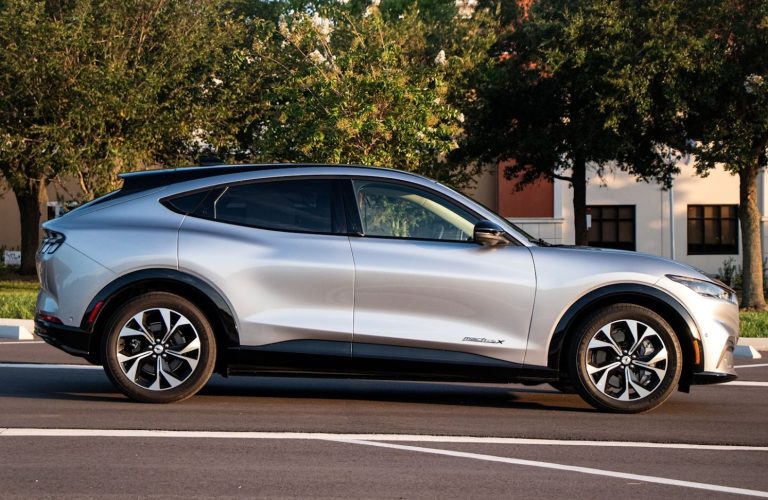
- Ford Mustang Mach-E: A strong contender with engaging driving dynamics and a recognizable nameplate, but typically slower charging speeds.
- Volkswagen ID.4: A more traditional SUV approach, offering solid range and a comfortable ride, but often perceived as less exciting than the Ioniq 5.
- Nissan Ariya: A stylish and comfortable entry from Nissan, emphasizing a lounge-like interior and advanced ProPILOT Assist 2.0.
- Chevrolet Blazer EV: A new entrant promising strong performance and range, adding another compelling option to the mix.
The 2026 Hyundai Ioniq 5 differentiates itself with its truly unique design, class-leading 800V fast-charging capability, innovative V2L functionality, and a highly spacious and tech-forward interior that prioritizes passenger comfort. Its balanced approach to performance, range, and value continues to make it a highly attractive option.
The Verdict: Is the 2026 Ioniq 5 Your Next EV?
The 2026 Hyundai Ioniq 5 is poised to reinforce its position as a benchmark in the electric vehicle segment. While official details are still forthcoming, the anticipated mid-cycle refresh promises to refine an already exceptional package.
For those seeking an electric vehicle that combines head-turning design with practical functionality, blistering fast-charging, a supremely comfortable and spacious interior, and a comprehensive suite of safety features, the 2026 Ioniq 5 will undoubtedly remain a top contender. It’s an EV that caters to families, tech enthusiasts, and anyone looking for a distinctive and enjoyable driving experience free from range anxiety.
Its commitment to innovation, coupled with Hyundai’s reputation for reliability and value, makes the 2026 Ioniq 5 more than just a car; it’s a statement about the exciting future of electric mobility. As we await its official unveiling, the anticipation for the refined Ioniq 5 only grows, solidifying its status as one of the most desirable electric SUVs on the market.
Conclusion
The 2026 Hyundai Ioniq 5 stands ready to build upon its legacy as a trailblazer in the electric vehicle landscape. With expected enhancements to its iconic design, a more sophisticated and connected interior, optimized performance, and continued leadership in charging technology, it promises to deliver an even more compelling ownership experience. The Ioniq 5 represents Hyundai’s unwavering commitment to an electrified future, offering a blend of style, substance, and sustainability that is hard to match. For those ready to embrace the next generation of electric driving, the 2026 Ioniq 5 is an EV that demands attention and promises to delight.