The electric vehicle (EV) market is a relentless battlefield of innovation, range, and value. In just a few short years, the Hyundai Ioniq 5 has carved out a formidable reputation as a segment leader, praised for its distinctive design, rapid charging capabilities, and impressive overall package. As we look ahead to 2026, the question on many prospective EV buyers’ minds is: can the refreshed Hyundai Ioniq 5 continue its reign as the best electric vehicle for the money amidst an ever-growing wave of sophisticated competitors?
This comprehensive article will delve into the anticipated updates for the 2026 Hyundai Ioniq 5, pit it against its fiercest rivals, and meticulously analyze key metrics to determine if it maintains its compelling value proposition in a highly competitive landscape.
The 2026 Hyundai Ioniq 5: Evolving an Icon
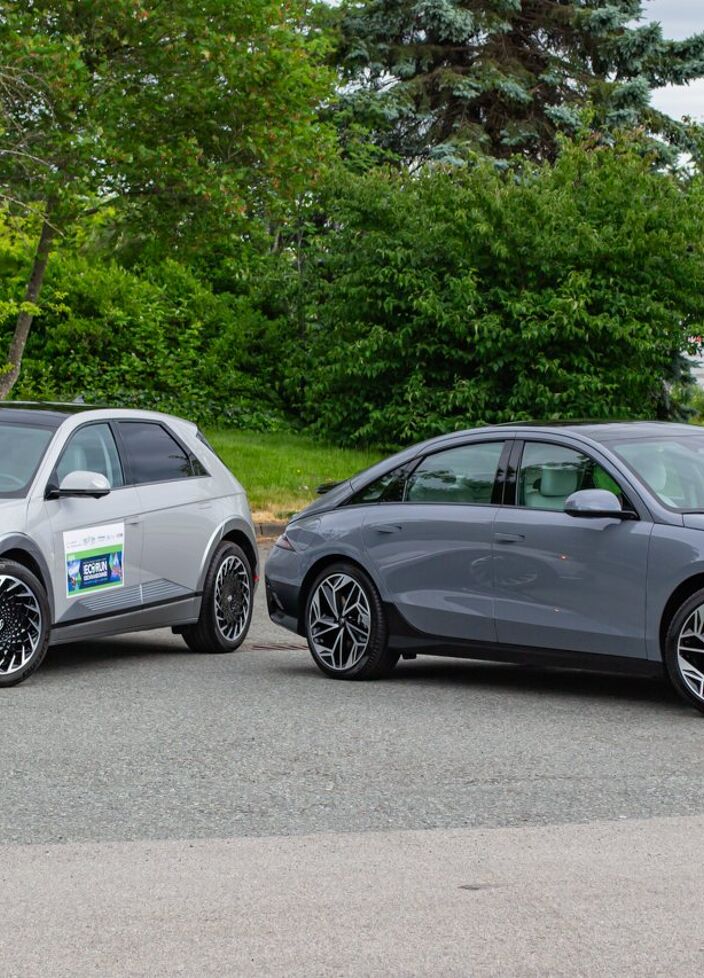
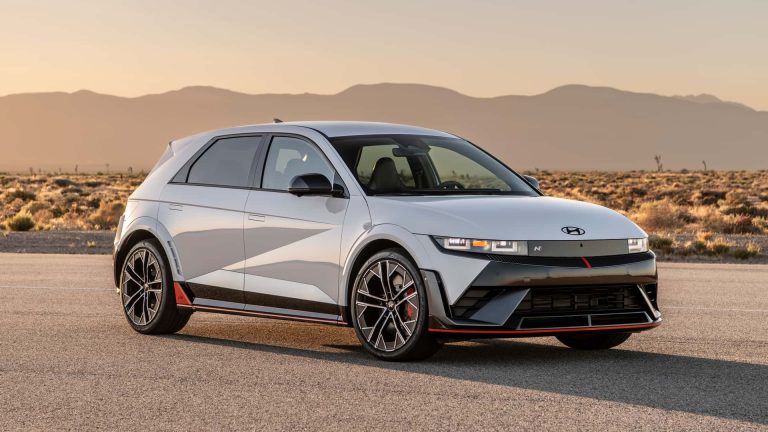
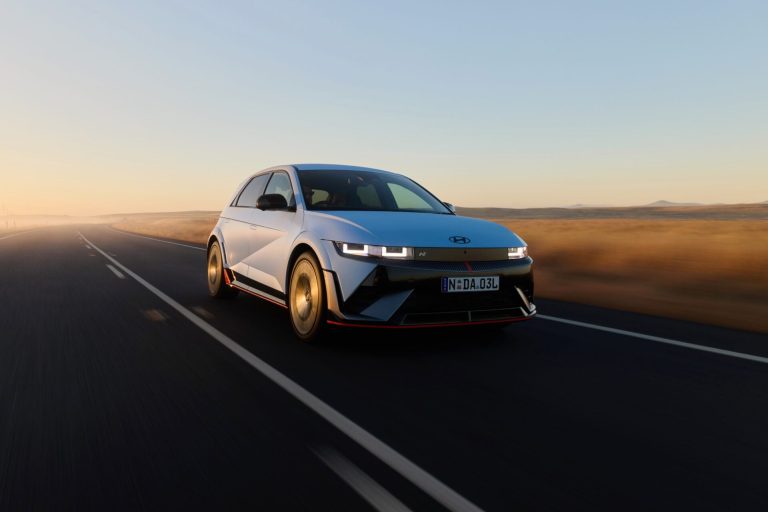
The current Hyundai Ioniq 5 has been a resounding success, capturing hearts with its retro-futuristic styling, spacious and airy interior, and the game-changing 800V architecture enabling ultra-fast charging. For 2026, we can expect Hyundai to build upon this strong foundation, implementing a mid-cycle refresh that addresses minor criticisms and incorporates the latest technological advancements.
Anticipated Enhancements for the 2026 Ioniq 5:
- Battery & Range Improvements: While the Ioniq 5 already offers competitive range (currently up to 303 miles EPA), advances in battery chemistry and packaging are inevitable. Expect a slight bump in usable battery capacity, potentially pushing the EPA estimated range closer to 320-330 miles for the long-range RWD variant, further solidifying its appeal as a long-range electric vehicle. Efficiency gains through software optimization and aerodynamic tweaks are also likely.
- Performance Tweaks: Subtle enhancements to motor efficiency and power delivery might see marginal improvements in acceleration, particularly for the dual-motor AWD versions, maintaining its competitive edge in EV performance.
- Interior Refinements: The current interior is a highlight, but Hyundai is known for continuous improvement. We might see updated infotainment screens with faster processors, new material options, and potentially more physical buttons for commonly used functions (a response to user feedback on many modern EVs). Integration of more advanced augmented reality features and enhanced ambient lighting could also be on the cards, making it an even more premium EV interior.
- Exterior Design Update: Expect a subtle but noticeable refresh of the exterior styling. This could include revised front and rear bumpers, new headlight and taillight signatures, and updated wheel designs. The Ioniq 5’s iconic pixel graphics will undoubtedly remain, but with a fresh twist. Crucially, addressing a common complaint, the 2026 model is almost certainly to include a rear wiper, a small but significant practical improvement.
- Advanced Driver-Assistance Systems (ADAS): Hyundai’s SmartSense suite is already comprehensive. The 2026 Ioniq 5 will likely feature even more sophisticated Level 2+ semi-autonomous driving capabilities, improved highway driving assist (HDA), and potentially more robust parking assistance systems, enhancing its reputation as a safe electric vehicle.
- Software & Connectivity: Over-the-air (OTA) update capabilities will become even more central, allowing for continuous improvement of infotainment, battery management, and ADAS features throughout the vehicle’s lifespan.
Despite these anticipated upgrades, Hyundai is expected to maintain its aggressive pricing strategy, ensuring the 2026 Ioniq 5 remains a strong contender for the "best value" title.
The Competitive Arena: Who’s Challenging the Ioniq 5?
By 2026, the EV landscape will be teeming with formidable contenders across various price points. The Ioniq 5 will face pressure from established rivals, refreshed models, and exciting new entrants.
Established & Refreshed Rivals:
- Tesla Model Y: The perennial best-seller, the Model Y will likely have received its own refresh by 2026. Its strengths lie in its performance, access to the extensive Supercharger network, and minimalist tech-forward interior. However, its often-criticized ride quality, spartan interior materials, and higher entry price point (especially for comparable features) could be vulnerabilities. The Model Y remains a benchmark for EV range and performance.
- Kia EV6: The Ioniq 5’s platform mate, the EV6, offers a sportier design and driving feel. It shares the same excellent 800V charging architecture and similar battery technology. By 2026, a refreshed EV6 will likely mirror many of the Ioniq 5’s technological updates, continuing to appeal to buyers looking for a more aggressive aesthetic and dynamic driving experience. It will remain a direct competitor in terms of fast-charging EV capabilities.
- Ford Mustang Mach-E: Ford’s stylish electric SUV continues to evolve. By 2026, it will likely offer improved range, faster charging (though perhaps not 800V), and updated interior tech. Its strengths include its Mustang-inspired design, engaging driving dynamics, and American brand appeal. However, its infotainment system can have a learning curve, and its DC fast-charging speeds often lag behind the E-GMP twins. The Mach-E appeals to those seeking a sporty electric SUV.
- Volkswagen ID.4: VW’s accessible electric SUV emphasizes practicality, comfort, and value. By 2026, the ID.4 will have undergone significant updates, likely improving range, charging speeds, and interior quality – addressing some current criticisms. Its spacious interior and comfortable ride make it a strong option for families looking for a straightforward, practical electric SUV.
Emerging Challengers (Stronger by 2026):
- Chevrolet Equinox EV: General Motors is making an aggressive play for the affordable EV market with the Equinox EV, slated for release before 2026. Leveraging GM’s Ultium platform, it promises competitive range, modern tech, and crucially, an attractive starting price. If GM delivers on its promises, the Equinox EV could become a serious contender for the "best value" title, putting immense pressure on all rivals, including the Ioniq 5, as an affordable electric SUV.
- Nissan Ariya: Nissan’s entry into the electric crossover segment, the Ariya, focuses on a refined, comfortable experience with a stylish interior. While its initial charging speeds and performance weren’t class-leading, by 2026, Nissan will have had time to refine the platform, potentially boosting its appeal as a comfortable EV crossover.
- Subaru Solterra / Toyota bZ4X (Refreshed): These siblings, while currently facing range and charging challenges, represent the brands’ commitment to AWD electric vehicles. By 2026, a refresh is likely to address these shortcomings, offering improved battery technology and faster charging. Their strength lies in their all-wheel-drive prowess and brand loyalty, particularly for the Solterra, targeting buyers in colder climates or those needing AWD electric vehicle capabilities.
Head-to-Head: Dissecting "Best for the Money" Metrics
Determining the "best EV for the money" isn’t just about the sticker price; it encompasses a holistic evaluation of features, performance, running costs, and overall ownership experience.
1. Price & Value Proposition:
- 2026 Ioniq 5: Hyundai’s historical strength lies in offering a feature-rich package at a highly competitive price. We expect the refreshed Ioniq 5 to maintain this strategy, potentially starting in the low $40,000s for the base model, climbing to the mid-$50,000s for top trims. When factoring in federal tax credits and potential state incentives, its total cost of ownership (TCO) becomes highly attractive.
- Competitors:
- Tesla Model Y: Likely to remain pricier, starting closer to the mid-$40,000s and quickly escalating. Its TCO benefits from low maintenance and strong resale, but the initial outlay is higher.
- Kia EV6: Will be very close to the Ioniq 5 in price, with slight variations depending on trim and market positioning.
- Mach-E: Sits comfortably in the mid-range, often slightly above the Ioniq 5 for comparable trims.
- ID.4: Historically strong on value, likely to compete directly with the Ioniq 5’s lower and mid-range trims.
- Equinox EV: This is the wildcard. Its promised starting price in the low $30,000s (before incentives) could redefine "value" in the segment, forcing all competitors, including the Ioniq 5, to sharpen their pencils.
2. Range & Charging Speed:
- 2026 Ioniq 5: Its 800V architecture remains a significant differentiator, allowing for charging from 10% to 80% in as little as 18 minutes (under ideal conditions). Even with other brands adopting 800V, the Ioniq 5 will likely be among the fastest. Improved battery tech should push its range into the 320-330 miles ballpark, making it a compelling long-range EV.
- Competitors:
- Tesla Model Y: Excellent range (300+ miles) and the unparalleled Supercharger network. While Superchargers are fast, they are 400V architecture, meaning the Ioniq 5 can theoretically charge faster on an 800V capable charger.
- Kia EV6: Identical charging prowess and similar range to the Ioniq 5, a clear advantage over many rivals.
- Mach-E: Decent range (up to ~310 miles) but typically slower DC fast charging than 800V systems.
- ID.4: Improving, but its 400V system and current battery technology mean slower charging times and often slightly less range than the E-GMP twins.
- Equinox EV: Promises good range (up to 300 miles) and decent charging speeds (150 kW), but likely not on par with 800V systems.
3. Performance & Driving Dynamics:
- 2026 Ioniq 5: Expected to retain its comfortable, composed ride with enough power for brisk acceleration (0-60 mph in ~4.5-7.0 seconds depending on trim). It prioritizes comfort over aggressive sportiness, making it an excellent daily driver EV.
- Competitors:
- Tesla Model Y: Offers blistering acceleration, especially in Performance trim, and a sportier (though often stiffer) ride.
- Kia EV6: Generally considered the more athletic and engaging driver among the E-GMP twins, with firmer suspension tuning.
- Mach-E: A truly sporty offering, with responsive steering and a fun-to-drive character, living up to its Mustang heritage.
- ID.4: Leans towards a softer, more comfort-oriented ride, prioritizing smoothness over sharp handling.
- Equinox EV: Unknown yet, but GM’s Ultium platform has shown promise for both comfort and performance in other vehicles.
4. Interior & Technology:
- 2026 Ioniq 5: The current model’s lounge-like interior, flat floor, and Vehicle-to-Load (V2L) capability are major selling points. The refreshed model will likely enhance these, with improved infotainment, more intuitive controls, and advanced ADAS. V2L is a unique feature that adds significant utility, making it a versatile electric vehicle.
- Competitors:
- Tesla Model Y: Minimalist, screen-centric interior. While innovative, some find it sterile and lacking physical controls. Tech is cutting-edge but can be frustrating for those who prefer tactile feedback.
- Kia EV6: A more driver-focused cockpit than the Ioniq 5, but still shares many tech features and V2L.
- Mach-E: Features a large, vertically oriented touchscreen that dominates the dashboard. Material quality is good, and Ford’s Co-Pilot360 offers strong ADAS.
- ID.4: A clean, modern interior but some plastics can feel a bit hard. Infotainment has improved but still has room for refinement.
- Equinox EV: GM’s Ultifi software and large screens promise a modern, connected experience, potentially with Google built-in.
5. Design & Practicality:
- 2026 Ioniq 5: Its unique, polarizing yet beloved design sets it apart. The spacious rear seats, flexible interior layout, and ample cargo space (though no significant frunk) contribute to its practicality. The addition of a rear wiper will be a huge practical win.
- Competitors:
- Tesla Model Y: More conventional SUV shape, maximizing cargo space. While it has a small frunk, its interior can feel less spacious due to the sloped roofline in the rear.
- Kia EV6: Sleeker, more coupe-like design sacrifices some rear headroom and cargo space compared to the Ioniq 5. No frunk of note.
- Mach-E: Stylish SUV-coupe design, but the sloped roof impacts rear passenger space and cargo. Features a useful drainable frunk.
- ID.4: More traditional SUV proportions, maximizing interior volume and cargo capacity for its footprint.
- Equinox EV: A more conventional, yet attractive, SUV design, likely prioritizing interior space and cargo versatility.
Beyond the Specs: Intangibles of Ownership
- Brand Perception & Reliability: Hyundai has made huge strides in perception and reliability. Its comprehensive warranty (10-year/100,000-mile battery and powertrain) is a significant advantage, offering peace of mind that few competitors match.
- Dealer Network: Hyundai boasts an extensive traditional dealer network for sales and service, which some buyers prefer over Tesla’s direct-to-consumer model.
- Software Updates: All modern EVs rely on OTA updates. Hyundai’s system is maturing, ensuring the vehicle can evolve over time.
- Resale Value: While Tesla has historically dominated in resale value, the Ioniq 5 is building a strong track record, and its unique design may help it retain value well.
Conclusion: Is the 2026 Hyundai Ioniq 5 Still the Best EV for the Money?
The electric vehicle market in 2026 will be more diverse and competitive than ever. While the 2026 Hyundai Ioniq 5 will face immense pressure from refreshed rivals like the Tesla Model Y and Ford Mustang Mach-E, and new value-focused entrants like the Chevrolet Equinox EV, its core strengths are likely to ensure its continued success.
The anticipated refresh, including improved range, refined interior tech, and crucial practical additions like a rear wiper, will build upon an already exceptional foundation. The Ioniq 5’s 800V ultra-fast charging capability, distinctive design, spacious lounge-like interior, and Hyundai’s industry-leading warranty will continue to set it apart.
While the "best EV for the money" is ultimately subjective and depends on individual priorities (e.g., performance, range, design, brand loyalty), the 2026 Hyundai Ioniq 5 is poised to remain an incredibly compelling choice. It will likely continue to offer an unparalleled blend of cutting-edge technology, striking design, robust practicality, and competitive pricing, making it a top contender for anyone seeking exceptional value in the rapidly evolving electric vehicle segment. For those looking for a balanced, feature-rich, and future-proof electric vehicle without breaking the bank, the 2026 Ioniq 5 will undoubtedly be a front-runner.