In the ever-evolving automotive landscape, the traditional sedan segment faces constant pressure from the surging popularity of SUVs and crossovers. Yet, for many discerning buyers, the efficiency, driving dynamics, and often superior value proposition of a well-engineered sedan remain irresistible. Among the contenders vying for the top spot, the Hyundai Sonata has consistently carved out a significant niche, known for its bold styling, generous features, and compelling value. As we look ahead to the 2026 model year, the question on many minds is: will the 2026 Hyundai Sonata continue to stand out, and more importantly, is it the best sedan for the money when pitted against its formidable rivals?
This comprehensive guide aims to delve into what makes the 2026 Hyundai Sonata a compelling choice, dissecting its design, technology, performance, and safety features. We’ll then place it squarely against its primary competitors, providing a detailed comparison to help you determine if the Sonata truly offers the ultimate balance of price and performance in the mid-size sedan category. Whether you’re a long-time sedan enthusiast or exploring your options beyond SUVs, understanding the Sonata’s strengths and weaknesses against its peers is crucial for making an informed buying decision.
Overview / Key Highlights
The Hyundai Sonata has undergone a remarkable transformation in recent years, shedding its more conservative skin for a dramatically styled, tech-forward identity. For 2026, we anticipate the Sonata to build upon the significant refresh introduced for the 2024 model year, which brought even more aggressive styling, a refined interior, and updated technology. Hyundai’s strategy has been to offer more for less, challenging established players with a comprehensive package that doesn’t skimp on features or warranty.
Key highlights expected for the 2026 Sonata include its distinctive exterior design, a sophisticated and spacious interior, an advanced infotainment system, a suite of potent and efficient powertrains (including a hybrid option), and a strong emphasis on safety. Its reputation for offering premium features at a non-premium price point is a cornerstone of its appeal, making it a strong candidate for anyone asking, "Is the 2026 Hyundai Sonata the best sedan for the money?"
Exterior Design and Styling
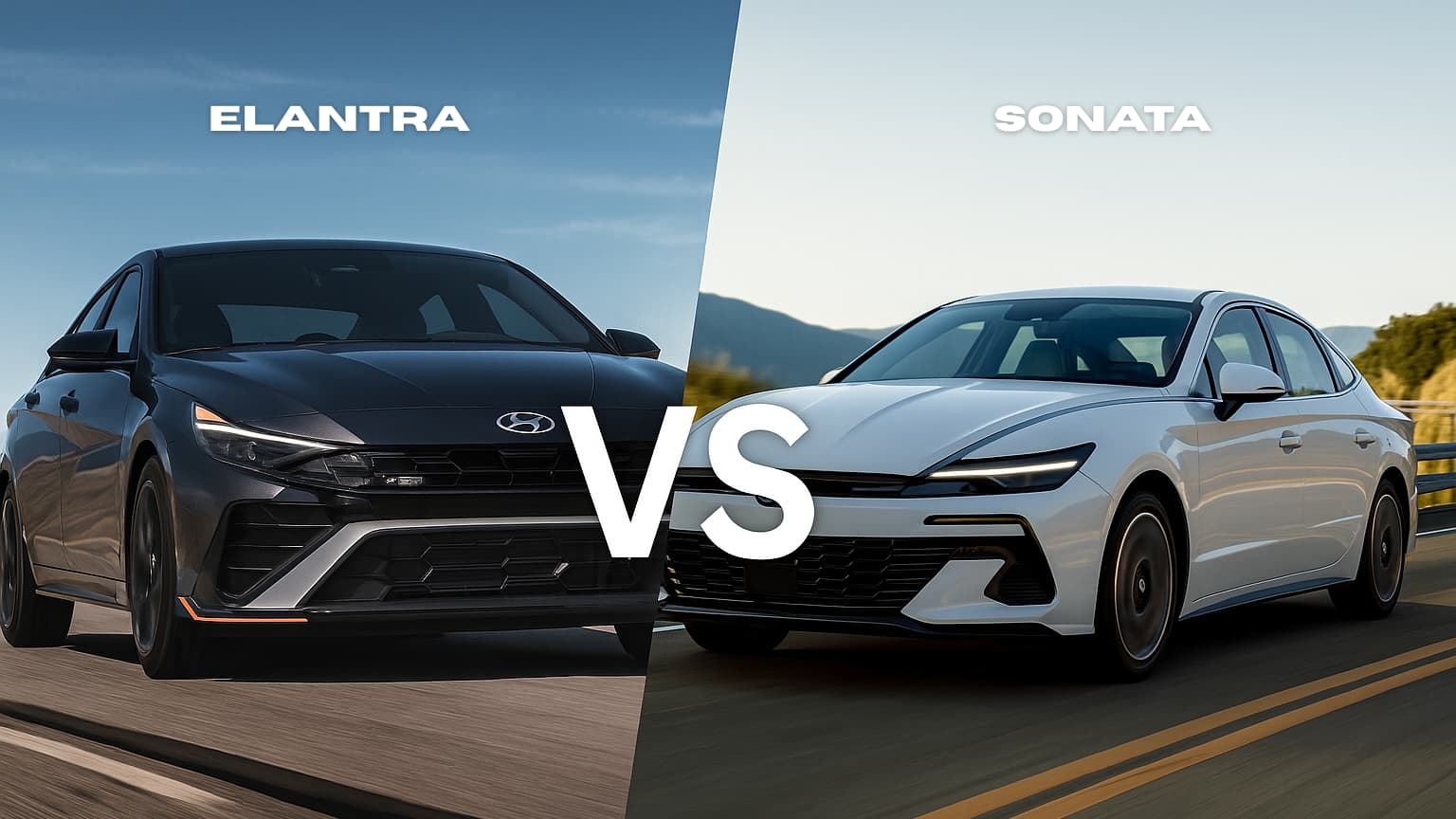
One of the most striking aspects of the Hyundai Sonata, particularly since its significant redesigns, has been its "Sensuous Sportiness" design language. For 2026, expect this philosophy to be further refined, maintaining the sedan’s distinct visual presence. The front fascia is dominated by a wide, aggressive grille that seamlessly integrates with the lighting signature. The standout feature is often the "seamless horizon lamp," a thin, continuous LED strip that stretches across the entire front of the car, giving it an unmistakable nighttime signature. This design element, initially seen on the Staria and Kona, has been expertly adapted to the Sonata, ensuring it turns heads.
The profile is sleek and coupe-like, with a fastback roofline that hints at sportiness without compromising rear passenger headroom significantly. Sharp character lines flow along the body, creating a dynamic interplay of light and shadow. At the rear, the taillight design often mirrors the front’s horizon lamp, with a full-width LED strip that emphasizes the car’s width and modern aesthetic. The N Line variant, in particular, will likely amplify this sporty appeal with unique bumpers, larger wheels, dual exhaust outlets, and specific badging, appealing to those who desire a more aggressive look. In a segment often criticized for blandness, the Sonata’s design is anything but, making it a strong contender for buyers who value distinctive styling.
Interior, Space, and Comfort
Step inside the 2026 Hyundai Sonata, and you’ll likely be greeted by a cabin that feels more upscale than its price tag suggests. Hyundai has consistently impressed with its interior quality, and the Sonata is no exception. Expect a driver-centric cockpit, characterized by high-quality materials, soft-touch surfaces, and thoughtful design details. The centerpiece is often a curved display housing both the digital instrument cluster and the infotainment touchscreen, creating a sleek, modern aesthetic.
Space and comfort are paramount for a mid-size sedan, and the Sonata typically excels here. Both front and rear passengers enjoy ample legroom and headroom, making long journeys comfortable even for taller adults. The seats are generally well-cushioned and supportive, with higher trims offering features like leather upholstery, heating, and ventilation. The cabin is engineered for quietness, with good sound insulation that keeps road and wind noise to a minimum, enhancing the overall sense of refinement.
Practicality is also strong, with a generously sized trunk that can easily accommodate luggage for a family trip or a significant grocery haul. Thoughtful storage solutions throughout the cabin, such as large door pockets and a spacious center console, add to its everyday usability. For families and commuters alike, the Sonata’s interior promises a comfortable, spacious, and well-appointed environment.
Technology and Infotainment
The 2026 Hyundai Sonata is expected to be a technological powerhouse, leveraging Hyundai’s latest advancements. The infotainment system is likely to be a highlight, featuring a large, high-resolution touchscreen (possibly 12.3 inches or larger) that is intuitive to use and highly responsive. Seamless integration with Apple CarPlay and Android Auto will be standard, providing easy access to smartphone features.
Beyond the main screen, expect a fully digital instrument cluster, offering customizable displays and crucial driving information. Hyundai’s Digital Key technology, allowing owners to use their smartphone as a car key, is a convenient feature that adds to the modern experience. Over-the-air (OTA) updates for certain vehicle systems and maps are also becoming more common, ensuring the Sonata stays current. Other tech amenities could include a wireless charging pad, multiple USB ports (including USB-C), a premium Bose sound system, and perhaps even augmented reality navigation in top trims. For tech-savvy buyers, the Sonata’s array of features undeniably boosts its case for being the best sedan for the money.
Engine / Powertrain, Performance, and Fuel Economy
The 2026 Hyundai Sonata is anticipated to offer a diverse range of powertrains designed to cater to different driving preferences and priorities, balancing performance with fuel efficiency.
- Standard Engine: The base engine is likely to be a naturally aspirated 2.5-liter four-cylinder, producing around 191 horsepower and 181 lb-ft of torque. Paired with an 8-speed automatic transmission, this engine provides adequate power for daily driving and highway cruising, offering competitive fuel economy figures, typically in the high 20s to low 30s MPG combined.
- N Line Performance: For those seeking more excitement, the Sonata N Line will likely retain its potent 2.5-liter turbocharged four-cylinder engine. This powerplant typically generates a robust 290 horsepower and 311 lb-ft of torque, channeled through an 8-speed wet dual-clutch transmission (DCT). The N Line transforms the Sonata into a genuine sport sedan, offering brisk acceleration and a more engaging driving experience, albeit with slightly lower fuel economy, usually in the mid-20s MPG combined.
- Hybrid Option: A highly efficient hybrid variant is also expected, combining a 2.0-liter four-cylinder engine with an electric motor. This setup usually delivers a combined output of around 192 horsepower and exceptional fuel economy, often reaching into the high 40s or even 50 MPG combined, making it an excellent choice for urban commuters and environmentally conscious buyers.
In terms of driving dynamics, the Sonata generally offers a comfortable and composed ride, absorbing road imperfections with ease. The steering is typically light and precise, making it easy to maneuver in city traffic. The N Line model, with its sport-tuned suspension and enhanced braking, provides a firmer ride and more dynamic handling, appealing to enthusiasts.
Safety and Driver-Assistance Features
Safety is a top priority for Hyundai, and the 2026 Sonata is expected to come equipped with a comprehensive suite of advanced safety and driver-assistance features, collectively known as Hyundai SmartSense. These technologies are designed to enhance driver awareness, mitigate collisions, and reduce fatigue, contributing significantly to its value proposition.
Standard safety features across most trims will likely include:
- Forward Collision-Avoidance Assist (FCA): Detects potential frontal collisions with vehicles, pedestrians, and cyclists, and can apply the brakes automatically.
- Lane Keeping Assist (LKA) and Lane Following Assist (LFA): Helps keep the vehicle centered in its lane.
- Blind-Spot Collision-Avoidance Assist (BCA): Provides visual and audible warnings, and can apply braking to help prevent collisions when changing lanes.
- Rear Cross-Traffic Collision-Avoidance Assist (RCCA): Warns the driver and can brake when backing out of a parking spot if an approaching vehicle is detected.
- Smart Cruise Control (SCC) with Stop & Go: Maintains a set distance from the vehicle ahead, even in stop-and-go traffic.
- Driver Attention Warning (DAW): Monitors driving patterns to detect drowsy or inattentive driving.
Higher trims may offer more advanced features such as Highway Driving Assist (HDA), which combines SCC and LFA to provide semi-autonomous driving on highways, Remote Smart Parking Assist (RSPA), and a Surround View Monitor. With strong expected safety ratings from organizations like the IIHS and NHTSA, the Sonata reinforces its position as a safe and reliable choice for families and individuals.
Trims, Pricing, and Value for Money
While official 2026 pricing and trim details are speculative, we can extrapolate based on current models and Hyundai’s market strategy. The Sonata typically comes in several trim levels, each building upon the last with additional features:
- SE: The entry-level trim, offering core features and the naturally aspirated 2.5L engine. It focuses on affordability while still providing essential tech and safety.
- SEL: A popular mid-range trim, adding more comfort, convenience, and tech features like larger infotainment screens, heated seats, and more advanced driver aids.
- N Line: The performance-oriented trim, featuring the turbocharged 2.5L engine, sportier styling, and a sport-tuned suspension.
- Limited: The top-tier non-hybrid trim, boasting premium features like leather upholstery, ventilated seats, a premium sound system, and the full suite of driver-assistance technologies.
- Hybrid (Blue, SEL, Limited): Various trims offering the highly efficient hybrid powertrain.
Expected pricing for the 2026 Sonata could range from approximately $28,000 for the base SE model up to around $39,000 for the top-tier Limited or N Line models. The hybrid variants would likely fall within a similar range, potentially slightly higher for their enhanced fuel economy.
Hyundai’s value proposition is incredibly strong, offering a generous list of standard features that often cost extra on competitors. This, combined with Hyundai’s industry-leading 10-year/100,000-mile powertrain warranty (5-year/60,000-mile new vehicle warranty), makes the Sonata a compelling choice for long-term ownership. When considering total cost of ownership, including purchase price, features, and warranty, the 2026 Hyundai Sonata makes a very strong argument for being the best sedan for the money.
Pros and Cons
To help you weigh your options, here’s a quick summary of the expected pros and cons of the 2026 Hyundai Sonata:
Pros:
- Striking Exterior Design: Stands out in a conservative segment.
- Feature-Rich Interior: High-quality materials and abundant technology, especially for the price.
- Comprehensive Safety Suite: Hyundai SmartSense offers advanced driver assistance.
- Diverse Powertrain Options: From efficient hybrid to potent N Line.
- Exceptional Value for Money: Generous standard features and competitive pricing.
- Industry-Leading Warranty: A major confidence booster for buyers.
- Spacious and Comfortable Cabin: Good for families and long commutes.
Cons:
- Polarizing Design: While bold, it might not appeal to everyone.
- Front-Wheel Drive Only: Some competitors offer all-wheel drive.
- N Line Ride Stiffness: While sporty, it might be too firm for some preferences.
- No V6 Option: Only four-cylinder engines available.
- Brand Perception: While improving, some buyers might still favor more established sedan brands for perceived prestige or resale value (though Hyundai’s resale is competitive).
Rivals and Alternatives / Comparisons
The mid-size sedan segment, while shrinking, remains fiercely competitive. The 2026 Hyundai Sonata faces off against some of the most enduring names in the automotive world. Here’s how it stacks up against its primary rivals:
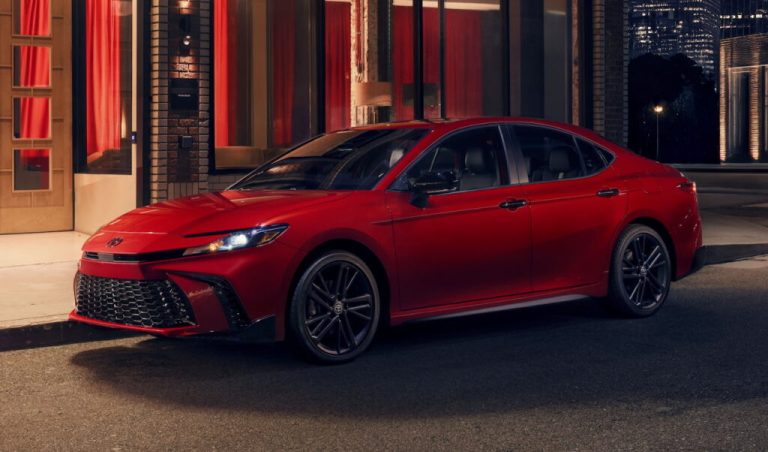
- Toyota Camry: The perennial best-seller, known for its legendary reliability, strong resale value, and a wide array of powertrains, including a very popular hybrid. The Camry offers a more conservative design and a reputation for bulletproof dependability. While the Sonata often beats it on standard tech and interior pizzazz for the price, the Camry’s conservative appeal and strong hybrid make it a tough competitor.
- Honda Accord: Renowned for its engaging driving dynamics, refined interior, and excellent fuel efficiency. The Accord typically offers a more upscale feel and a balanced ride, often considered a driver’s car in the segment. The Sonata’s bold design and aggressive pricing might undercut the Accord in certain trims, but the Accord’s overall refinement and driving enjoyment are strong points.
- Kia K5: A direct platform mate to the Sonata, the K5 shares many mechanical components and powertrain options, including the potent 2.5T engine. It offers an equally striking, if slightly different, sporty design. The choice between the Sonata and K5 often comes down to specific styling preferences, interior layouts, and dealer incentives, as both offer incredible value and similar tech.
- Nissan Altima: Positioned as a value-oriented option, the Altima offers a comfortable ride and available all-wheel drive (a feature the Sonata lacks). Its VC-Turbo engine is innovative, but its interior quality and overall refinement often lag behind the Sonata, Camry, and Accord. The Sonata generally provides a more premium experience and a better array of standard tech for the money.
When comparing the 2026 Hyundai Sonata against these rivals, its distinctive styling, advanced standard features, and leading warranty often give it an edge in the "value for money" department. While the Camry offers unparalleled reliability and the Accord superior driving dynamics, the Sonata often delivers a more comprehensive and modern package at a very attractive price point.
Buying Tips and Who This Car Is Best For
If you’re considering the 2026 Hyundai Sonata, here are some buying tips and insights into who this car is best suited for:
- Test Drive Multiple Trims: The driving experience can vary significantly between the standard 2.5L, the N Line, and the Hybrid. Drive them all to find the powertrain and suspension setup that best suits your needs.
- Evaluate Your Priorities: Do you prioritize fuel economy (Hybrid), performance (N Line), or a balance of features and value (SEL/Limited)? The Sonata caters to diverse preferences.
- Compare Feature Lists: Hyundai is known for offering robust standard features. Compare what comes standard on a Sonata trim versus similarly priced competitors to truly appreciate its value.
- Consider Long-Term Ownership: Hyundai’s exceptional warranty provides peace of mind, which is a significant factor in long-term satisfaction and cost of ownership.
- Check Resale Value: While Hyundai’s resale value has improved significantly, it’s always wise to research current market trends for the Sonata and its direct competitors in your region.
The 2026 Hyundai Sonata is an excellent choice for:
- Value-Conscious Buyers: Those looking for a well-equipped sedan with a strong warranty without breaking the bank.
- Tech Enthusiasts: Buyers who appreciate modern infotainment, digital displays, and advanced connectivity features.
- Families and Commuters: Thanks to its spacious and comfortable interior, good fuel economy options, and strong safety ratings.
- Style-Oriented Drivers: Individuals who want a car that stands out from the crowd with its bold, distinctive design.
- Performance Seekers (N Line): Drivers who desire a sporty sedan with impressive acceleration and engaging handling.
Final Verdict / Conclusion
After a thorough examination of its anticipated features, performance, safety, and competitive landscape, the 2026 Hyundai Sonata emerges as a remarkably strong contender in the mid-size sedan segment. Its bold, head-turning design ensures it won’t be mistaken for any other car on the road, while its sophisticated and feature-rich interior offers a premium experience at a mainstream price. With a diverse range of efficient and powerful powertrains, including an excellent hybrid and an exhilarating N Line, the Sonata caters to a broad spectrum of drivers.
When we revisit the central question – "Is the 2026 Hyundai Sonata the best sedan for the money?" – the answer leans heavily towards a resounding yes for many buyers. While rivals like the Toyota Camry offer bulletproof reliability and the Honda Accord boasts superior driving dynamics, the Sonata often packages a more comprehensive array of technology, distinctive styling, and a class-leading warranty at a highly competitive price point. It represents a fantastic blend of style, substance, and value that is hard to ignore.
For those seeking a modern, stylish, and well-appointed sedan that delivers exceptional bang for your buck, the 2026 Hyundai Sonata is not just a strong alternative to the segment leaders, but a compelling choice that often outshines them in terms of overall value. It truly challenges the notion that you have to compromise on features or design when shopping for an affordable mid-size sedan.