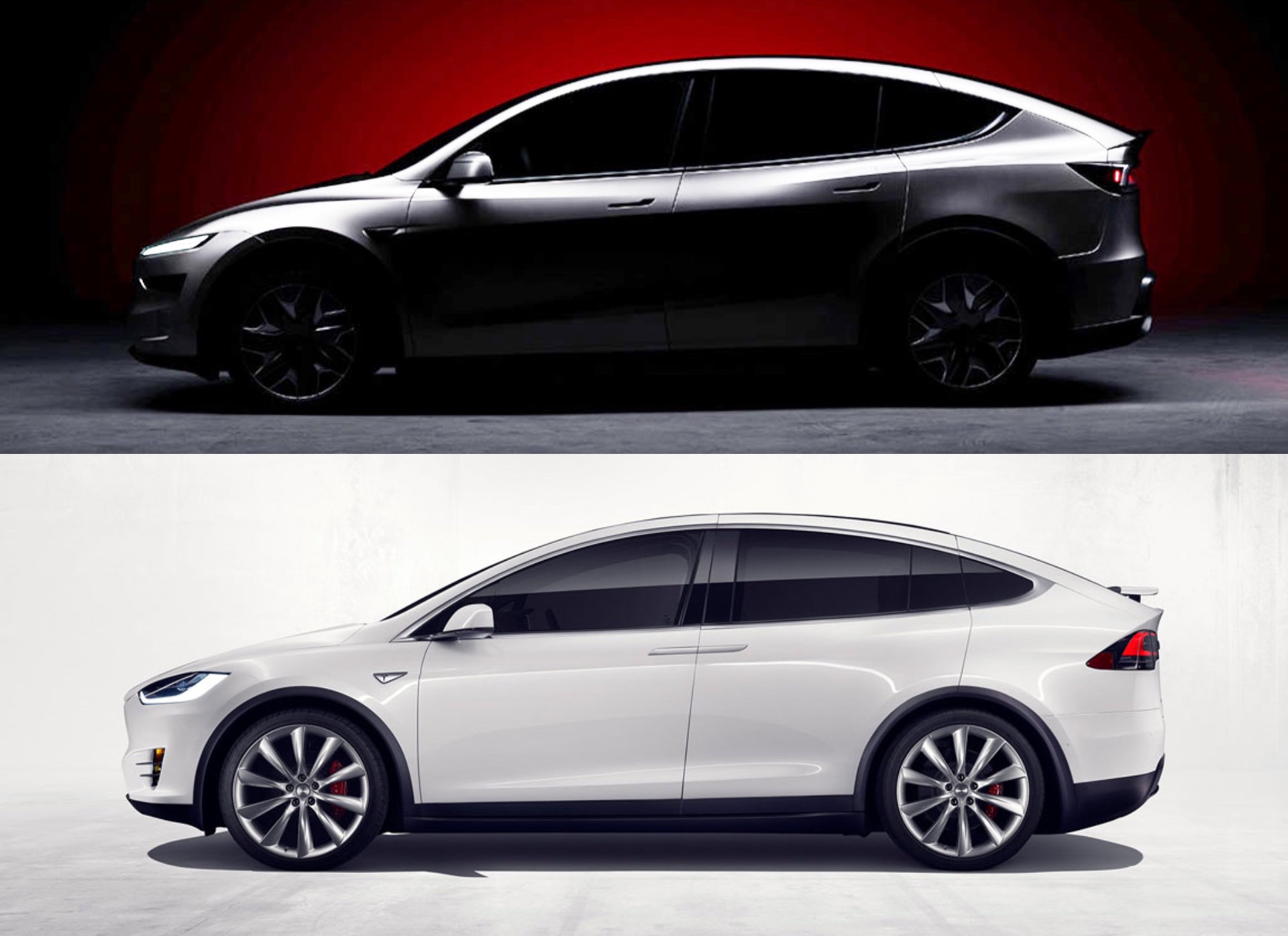
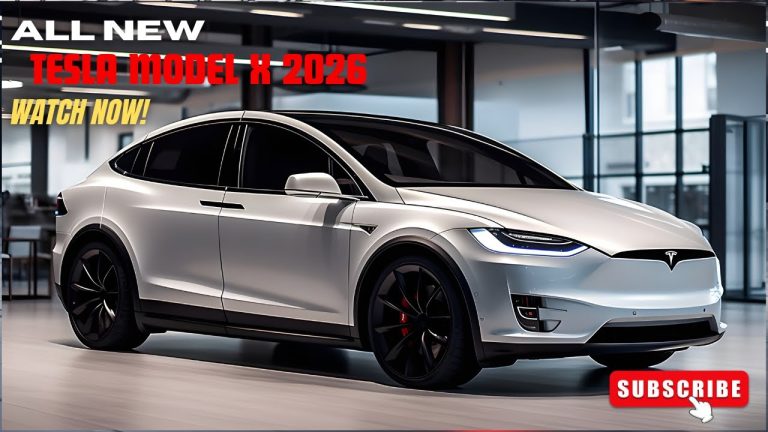
The electric vehicle (EV) market is a rapidly evolving battleground, with new contenders emerging almost monthly to challenge established players. Tesla, long the undisputed king of electric innovation, finds itself in an increasingly competitive landscape. As we look towards 2026, the Tesla Model X, a vehicle that pioneered the luxury electric SUV segment, will undoubtedly face its toughest challenges yet.
The question on many prospective buyers’ minds isn’t just about performance or luxury anymore; it’s about value. In an era where premium EVs can command six-figure price tags, discerning whether a vehicle offers the "best electric vehicle for the money" is paramount. This comprehensive article delves into what we can expect from the 2026 Tesla Model X and pits it against its formidable rivals, aiming to determine if Tesla’s flagship SUV still holds the crown for value in a crowded market.
The 2026 Tesla Model X: Evolving a Pioneer
By 2026, the Tesla Model X will likely have undergone several iterative updates, if not a significant refresh, to maintain its competitive edge. While Tesla is famously secretive about future product plans, we can anticipate key areas of improvement building on its existing strengths:
- Design Refinements: Expect subtle exterior tweaks to modernize its iconic silhouette, perhaps new wheel designs, updated lighting signatures, and aerodynamic enhancements to further boost efficiency. The unique Falcon Wing doors are likely to remain a signature, albeit with continued software and sensor improvements for reliability and convenience.
- Performance & Range: The Model X Plaid will undoubtedly remain a performance benchmark, potentially seeing minor power bumps or more importantly, efficiency gains to push its already impressive range even further. Expect EPA estimated ranges to nudge closer to or exceed 350-400 miles for the long-range variants, thanks to battery chemistry advancements and software optimizations.
- Interior & Technology: Tesla’s minimalist interior design philosophy will persist, but expect significant upgrades in material quality, fit-and-finish, and perhaps more customization options to compete with traditional luxury brands. The large central touchscreen will likely see hardware upgrades for faster processing and a more intuitive, customizable user interface. Enhanced ambient lighting, improved sound systems, and potentially more physical controls for essential functions (a common critique) could be introduced.
- Autopilot & Full Self-Driving (FSD): By 2026, Tesla’s FSD suite is projected to be significantly more advanced, offering a more robust and reliable autonomous driving experience. This continuous software evolution remains a key differentiator.
- Charging Infrastructure: Tesla’s Supercharger network remains a colossal advantage. By 2026, the network will be even more expansive and faster with widespread V4 Superchargers, offering even quicker charge times. The adoption of the NACS standard by other automakers will eventually level the playing field, but Tesla owners will still benefit from priority access and seamless integration.
- Pricing Strategy: Tesla’s pricing is dynamic. While the Model X is a premium vehicle, Tesla’s ability to adjust pricing based on production efficiencies and market demand could see it offer compelling value propositions, especially with potential tax credits.
The Contenders: Tesla Model X’s Fiercest Rivals in 2026
The luxury electric SUV segment will be brimming with exceptional vehicles by 2026, each bringing its unique blend of performance, luxury, and technology. Here are the key players that will challenge the Model X:
1. Mercedes-Benz EQS SUV
- Strengths: Unrivaled interior luxury and comfort, exquisite build quality, a serene ride, and the stunning Hyperscreen infotainment system. Mercedes’ traditional brand prestige and extensive dealer network are significant draws. Range is competitive.
- Weaknesses: Performance, while ample, doesn’t match the Model X Plaid. Charging infrastructure outside of proprietary networks might be less seamless than Tesla. Its design can be polarizing.
- Value Proposition: Offers a traditional luxury experience with cutting-edge EV technology. For those prioritizing ultimate comfort and opulence, it’s a strong contender, though often at a higher price point than a similarly equipped Model X.
2. BMW iX
- Strengths: A distinctive, futuristic design (inside and out), impressive driving dynamics characteristic of BMW, and a high-quality, tech-laden interior. The iX offers a compelling balance of performance and efficiency.
- Weaknesses: Its exterior design remains controversial for some. BMW’s charging network integration isn’t as seamless as Tesla’s.
- Value Proposition: A superb driver’s EV that combines luxury with engaging performance. It often sits in a similar price bracket to the Model X, offering a different take on modern luxury.
3. Audi Q8 e-tron (and potentially Q6 e-tron Sportback)
- Strengths: Understated elegance, exceptional build quality, comfortable ride, and intuitive MMI infotainment system. Audi’s quattro AWD system provides confidence in all conditions.
- Weaknesses: Performance and range, while solid, generally trail the Model X. The Q8 e-tron platform might feel a bit older compared to newer rivals by 2026.
- Value Proposition: For buyers seeking refined luxury, a traditional driving experience, and robust German engineering without the flamboyance of some competitors. It often represents a slightly more conservative, yet premium, choice.
4. Lucid Gravity
- Strengths: This is arguably the most direct and potent threat to the Model X, especially the Plaid variant. Lucid promises groundbreaking range (potentially exceeding 400 miles), blistering performance, exquisite luxury, and innovative interior packaging. Its focus on efficiency and premium materials could set a new benchmark.
- Weaknesses: As a newer brand, Lucid’s charging infrastructure is still developing, and its long-term reliability and service network are unproven compared to Tesla or legacy automakers. It will likely come with a very premium price tag.
- Value Proposition: For the buyer who wants the absolute cutting edge in EV technology, luxury, and performance, potentially surpassing the Model X in several key metrics. If Lucid can deliver on its promises, the Gravity will redefine "best for the money" at the ultra-premium end.
5. Rivian R1S
- Strengths: Unique rugged aesthetic, exceptional off-road capability, impressive performance, and a highly practical, family-friendly interior. Rivian’s focus on adventure and sustainability resonates with a specific buyer demographic.
- Weaknesses: Charging infrastructure (though improving with NACS adoption), less established service network, and software that, while functional, might lack Tesla’s polish and advanced autonomous features.
- Value Proposition: For those who want a premium electric SUV that can genuinely go off-road and offers a distinct, adventurous lifestyle vehicle. It competes with the Model X on price but offers a very different use case.
6. Volvo EX90
- Strengths: Volvo’s legendary commitment to safety, sophisticated Scandinavian design, a focus on sustainable materials, and advanced lidar-based autonomous driving hardware. It promises a serene and technologically advanced family SUV.
- Weaknesses: As a new model, its real-world performance and reliability will need to be proven. Performance figures might not match the Model X Plaid.
- Value Proposition: For the safety-conscious, environmentally aware family buyer who values understated luxury and cutting-edge passive and active safety features.
7. Cadillac LYRIQ
- Strengths: Stunning exterior design, a beautifully crafted interior with a massive curved display, and GM’s impressive Super Cruise hands-free driving technology. It offers a compelling blend of luxury and style at a potentially more accessible price point than some rivals.
- Weaknesses: Range and charging speeds, while competitive, might not always match Tesla’s or Lucid’s best. Cadillac’s charging network experience is still maturing.
- Value Proposition: A strong option for those seeking striking design, a luxurious American interior, and advanced driver-assistance features at a potentially better "value" than some European luxury brands or the Model X.
Defining "Best Electric Vehicle for the Money" in 2026
The concept of "best for the money" is inherently subjective, depending entirely on an individual’s priorities and budget. Here’s how the 2026 Tesla Model X and its competitors might stack up for different buyer profiles:
-
For the Performance Enthusiast: The Tesla Model X Plaid will remain incredibly difficult to beat for sheer acceleration and track capability. However, the Lucid Gravity could offer a more refined and luxurious high-performance experience, potentially eclipsing the Plaid in certain metrics. The BMW iX M60 offers a fantastic balance of luxury and engaging driving dynamics.
-
For the Luxury Seeker: The Mercedes-Benz EQS SUV will likely reign supreme for traditional luxury, interior opulence, and a serene ride. The Lucid Gravity will challenge this with its own take on ultra-premium materials and innovative design. The Volvo EX90 will offer a different, minimalist Scandinavian luxury. While the Model X interior will have improved, it may still lag behind these rivals in outright material richness.
-
For the Tech Aficionado: The Tesla Model X will still offer its cutting-edge FSD suite, seamless software updates, and the robust Supercharger network. The Lucid Gravity will bring its own innovative software and efficiency tech. The Mercedes Hyperscreen and Cadillac Super Cruise are also incredibly compelling tech offerings. Tesla’s holistic ecosystem remains a powerful draw.
-
For the Family-Focused Buyer: The Tesla Model X with its seven-seat option, spacious interior, and unique Falcon Wing doors (which aid in child seat access) remains highly practical. The Rivian R1S offers adventure-ready utility and plenty of space. The Volvo EX90 will be a strong contender with its focus on safety and family-centric design.
-
For the Range-Anxious Driver: The Lucid Gravity is poised to set new benchmarks for range, potentially outperforming even the best Tesla Model X variants. Tesla’s Supercharger network, however, offers unparalleled peace of mind for long journeys.
-
For the Eco-Conscious Buyer: All these EVs contribute to a greener future. Vehicles emphasizing sustainable materials like the Volvo EX90 or Rivian R1S might appeal more strongly in this category, alongside Tesla’s mission-driven approach.
Conclusion: The Evolving Definition of Value
By 2026, the Tesla Model X will continue to be a formidable player in the luxury electric SUV segment. Its unparalleled performance, advanced technology, and superior charging infrastructure will ensure it remains a top choice for many. However, the definition of "best electric vehicle for the money" will have broadened significantly.
For buyers prioritizing outright luxury, meticulous build quality, and a traditional premium feel, the offerings from Mercedes-Benz, BMW, Audi, and Volvo will present compelling alternatives. For those seeking the absolute bleeding edge of EV technology, range, and luxury, the Lucid Gravity could emerge as the ultimate disruptor, potentially surpassing the Model X in certain aspects. The Rivian R1S will continue to carve out its niche for adventure and utility, while the Cadillac LYRIQ offers a stylish, tech-forward option at a potentially more attractive price point.
The 2026 Tesla Model X will remain an excellent electric SUV, offering a unique blend of performance, tech, and a comprehensive ownership ecosystem. But "best for the money" will no longer be a simple declaration. Instead, it will be a nuanced decision based on individual priorities: whether that’s raw speed, sumptuous luxury, off-road capability, cutting-edge autonomy, or the most robust charging network. The competition will ensure that consumers win, with an unprecedented array of high-quality electric SUVs to choose from, each offering its own compelling value proposition. The Model X will still be a benchmark, but it will share the podium with an ever-growing roster of exceptional rivals.