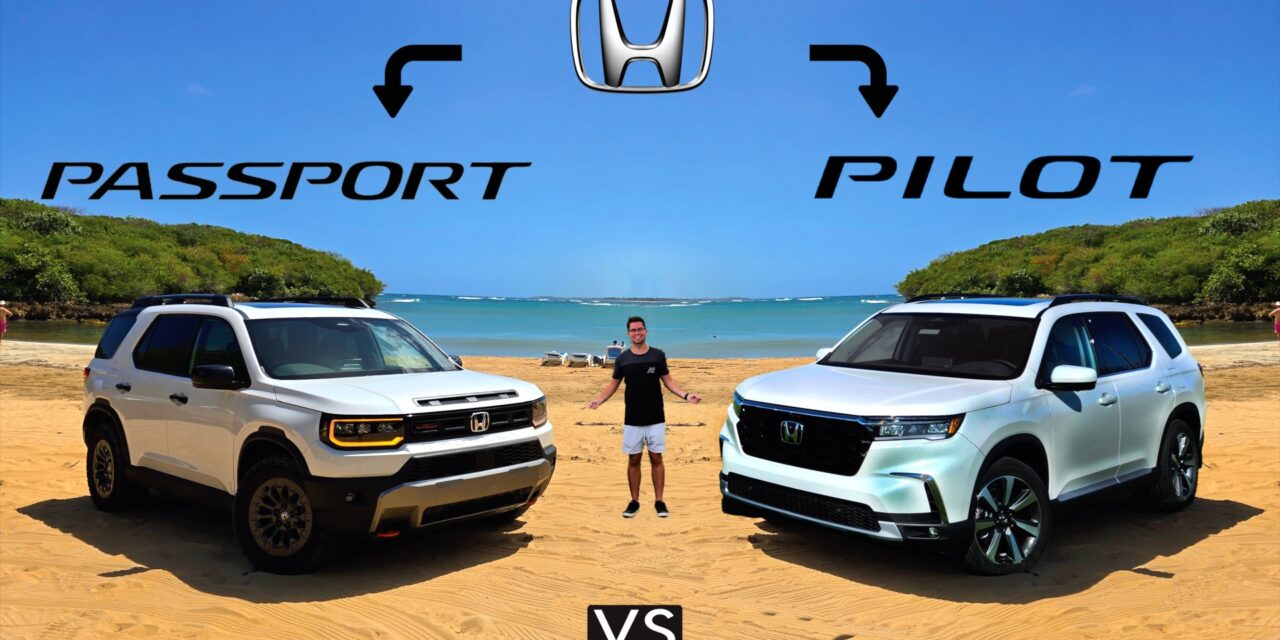
The three-row mid-size SUV segment is less of a market niche and more of a battle royale, a perpetual rumble where manufacturers throw their best punches in pursuit of the coveted "family hauler" crown. For decades, the Honda Pilot has been a consistent contender, a byword for practicality, reliability, and sensible family transport. But as we look ahead to 2026, the landscape is shifting dramatically. Electrification is gaining ground, technology is evolving at warp speed, and competitors are no longer just playing catch-up – many are setting new benchmarks.
So, as Honda prepares for what we anticipate will be a refined and potentially electrified 2026 Pilot, the critical question looms large: Can it still command the "best SUV for the money" title against a field of increasingly sophisticated, value-packed rivals? Let’s strap in, because this isn’t just about MSRP; it’s about total cost of ownership, features per dollar, long-term reliability, and that elusive feeling of getting more than you paid for.
The 2026 Honda Pilot: What We Expect from the Evolution
While details on the 2026 Pilot are, naturally, speculative at this stage, we can make informed predictions based on Honda’s recent product cycles and market trends. The current fourth-generation Pilot, introduced for the 2023 model year, brought a more rugged, truck-like aesthetic, improved interior space, and a refined V6 powertrain. For 2026, it’s highly probable we’ll see a mid-cycle refresh, or perhaps even a more significant powertrain evolution, building on that solid foundation.
Design & Exterior: Expect the current Pilot’s more assertive styling cues to be further honed. Sharper LED lighting signatures, potentially revised grille designs, and new wheel options will likely keep it fresh. The TrailSport trim, with its off-road prowess and lifted suspension, has been a hit and will undoubtedly continue, perhaps with even more capability. Honda is known for subtle but impactful updates, ensuring the Pilot maintains its broad appeal – rugged enough for adventure, yet polished enough for city streets.
Interior & Technology: This is where Honda will need to truly shine. The 2023 Pilot made significant strides with a more user-friendly infotainment system and a cleaner cabin design. For 2026, anticipate even larger central touchscreens, possibly incorporating Google built-in functionality akin to what we’ve seen in other new Honda models. Wireless Apple CarPlay and Android Auto will be standard across more trims. Expect further refinement in materials, potentially introducing more soft-touch surfaces and subtle ambient lighting to elevate the cabin’s perceived luxury. Crucially, the Honda Sensing suite of safety and driver-assist technologies will undoubtedly be enhanced, possibly with improved adaptive cruise control, lane-keeping assistance, and even more sophisticated parking aids. Seating flexibility, a Honda hallmark, will remain a priority, with continued focus on easy third-row access and versatile cargo configurations.
Powertrain & Performance: The venerable 3.5-liter V6 engine, currently producing 285 horsepower and paired with a 10-speed automatic transmission, is a strong, reliable unit. However, for the "best for the money" conversation in 2026, the introduction of a hybrid powertrain is almost a certainty. With rivals pushing electrification, Honda cannot afford to be left behind. A Pilot Hybrid, potentially leveraging technology from the CR-V Hybrid or even an adapted version of the Odyssey’s rumored hybrid setup, would dramatically improve fuel economy and reduce emissions, significantly bolstering its value proposition. A plug-in hybrid (PHEV) option, while less likely for a mid-cycle refresh, would be a game-changer for some buyers. Even if the V6 remains the primary option, subtle tweaks for improved efficiency are a given. Expect Honda’s usual blend of comfortable ride quality and predictable handling, perhaps with further sound deadening to enhance cabin serenity.
Value Proposition: Honda’s reputation for rock-solid reliability, strong resale values, and reasonable maintenance costs are core pillars of its value. If the 2026 Pilot delivers on anticipated technological advancements and introduces an efficient hybrid option while maintaining its competitive pricing, it will undoubtedly remain a formidable contender. The comprehensive standard safety features, practical interior, and proven longevity contribute significantly to its total cost of ownership (TCO).
The Gauntlet: Competitors Vying for the Value Crown
The 2026 Pilot won’t have an easy ride. The segment is packed with innovative, feature-rich, and often aggressively priced alternatives. Let’s look at the primary challengers:
1. Toyota Grand Highlander / Highlander
The Stalwart Rival: Toyota and Honda have been locked in a perpetual battle for decades, and the Highlander (and now Grand Highlander) is the Pilot’s most direct and formidable foe. The Grand Highlander, introduced recently, directly addresses the Highlander’s previous criticism of a cramped third row, offering genuine adult-friendly space.
- Strengths: Unmatched reputation for reliability and resale value. Toyota’s hybrid powertrains (available in both Highlander and Grand Highlander) are incredibly fuel-efficient, often setting the benchmark for the segment. The Grand Highlander offers cavernous interior space. Toyota Safety Sense is comprehensive and standard.
- Weaknesses: Driving dynamics can be less engaging than some rivals. Interior design, while functional, might lack the perceived flair or premium feel of Korean competitors. Top trims can get expensive.
- Value Play: Toyota’s hybrids are arguably the strongest "best for the money" argument in terms of long-term fuel savings and TCO. If the 2026 Pilot’s hybrid isn’t significantly more efficient, the Grand Highlander could easily take the crown for eco-conscious buyers. Its spaciousness and reliability make it an undeniable value leader.
2. Kia Telluride / Hyundai Palisade
The Disruptors: When the Telluride and Palisade burst onto the scene, they completely redefined what buyers could expect from a mainstream three-row SUV. They offer near-luxury interiors, striking designs, and a wealth of standard features at highly competitive price points.
- Strengths: Stunning, upscale interior designs that punch above their weight class. Abundant standard features, even on base models. Comfortable ride quality. Intuitive infotainment systems. Excellent warranty (10-year/100,000-mile powertrain). Strong curb appeal.
- Weaknesses: Currently, both rely solely on a 3.8-liter V6, which is competent but not class-leading in fuel economy. Resale values, while strong, typically don’t quite match Honda or Toyota. Off-road capability is limited.
- Value Play: For sheer "features-per-dollar" and perceived luxury, the Telluride and Palisade are incredibly difficult to beat. They offer a premium experience without the premium price tag. If Kia/Hyundai introduce a hybrid option by 2026, their value proposition would become almost insurmountable.
3. Chevrolet Traverse / GMC Acadia
The American Heavyweights: GM’s entries in this segment, especially the recently redesigned Chevrolet Traverse, prioritize interior volume and a more traditional American SUV feel.
- Strengths: The new Traverse boasts truly massive interior space, particularly for third-row passengers and cargo, easily rivaling minivans. A powerful new 2.5L turbocharged four-cylinder engine (328 hp) offers strong performance. Comfortable ride, especially for long highway journeys. Good towing capacity.
- Weaknesses: Interior materials, while improved, might not feel as consistently premium as some Japanese or Korean rivals. Fuel economy, even with the new engine, might lag behind hybrid competitors. Resale values historically haven’t matched Honda/Toyota.
- Value Play: If space is your absolute top priority, the Traverse offers immense value. Its starting price is often competitive, and it provides a lot of "metal for the money." For large families needing to haul significant cargo and passengers, it’s a compelling choice.
4. Subaru Ascent
The All-Weather Specialist: Subaru’s three-row offering brings its signature symmetrical all-wheel drive and strong safety credentials to the table.
- Strengths: Standard Symmetrical AWD on all trims, making it excellent for foul weather and light off-roading. Strong safety ratings and comprehensive EyeSight driver-assist features. Comfortable ride. Good ground clearance.
- Weaknesses: The CVT (continuously variable transmission) can be a polarizing experience for some drivers. Interior design, while practical, can feel a bit dated compared to newer rivals. Fuel economy from the turbocharged 2.4-liter flat-four is decent but not class-leading.
- Value Play: For buyers in snowy climates or those who prioritize standard AWD and safety above all else, the Ascent offers incredible value. Its robust build and go-anywhere capability (within reason) provide peace of mind that many competitors charge extra for.
5. Mazda CX-90
The Premium Contender: Mazda’s new CX-90 aims to elevate the brand into a more premium space, offering sophisticated design, engaging driving dynamics, and innovative powertrains.
- Strengths: Upscale interior design and materials that truly feel premium. Available inline-six engines (including a mild-hybrid option) and a plug-in hybrid (PHEV) offer both power and efficiency. Engaging driving dynamics, a hallmark of Mazda. Excellent craftsmanship.
- Weaknesses: Third-row space might be tighter than some class leaders. As a newer entry, long-term reliability and resale values are yet to be fully established (though Mazda generally performs well). Price point is generally higher than mainstream rivals.
- Value Play: The CX-90 offers "premium for less" if you value driving pleasure and a truly refined interior without stepping into a luxury badge. Its PHEV option offers significant fuel savings for those with shorter commutes and charging access. It’s a compelling value for those seeking a more sophisticated experience.
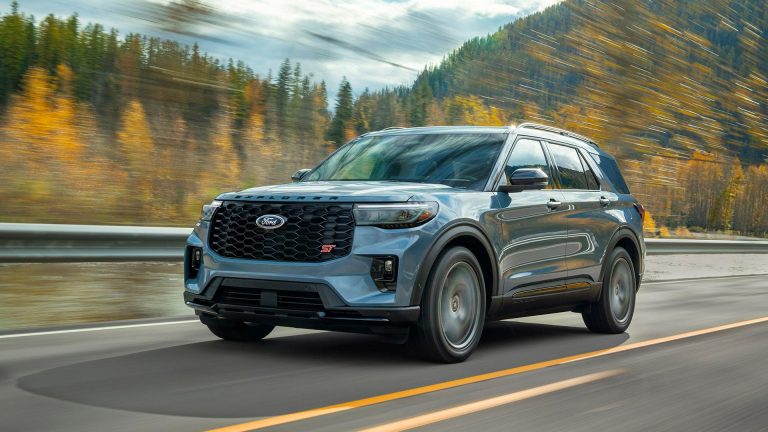
6. Ford Explorer
The American Icon: The Ford Explorer has a long history in the segment and offers a diverse range of powertrains, including a hybrid and a performance-oriented ST model.
- Strengths: Wide array of powertrain options to suit different needs. Good cargo space. Rear-wheel-drive based platform provides a sporty feel for some. Available with strong towing capacity.
- Weaknesses: Interior materials can feel inconsistent, and some cabin designs can appear dated. Reliability has been a mixed bag in the past. Ride quality can be firmer than some competitors.
- Value Play: Ford often offers attractive incentives, making the Explorer a potentially good initial value. Its diverse powertrain options allow buyers to tailor the vehicle to their specific needs, from fuel efficiency to performance. However, long-term TCO might not match the Japanese stalwarts.
The "Best for the Money" Equation: Where Does the Pilot Land?
Defining "best for the money" is complex. It’s not simply the lowest sticker price. It’s a holistic sum of:
- Initial Purchase Price: How much car do you get for your dollar?
- Fuel Economy: Significant long-term savings, especially with rising fuel costs.
- Maintenance & Insurance: Reliability directly impacts these costs.
- Resale Value: The biggest factor in total cost of ownership over 3-5 years.
- Standard Features: What do you get without ticking endless option boxes?
- Warranty: Peace of mind for unexpected repairs.
- Durability & Longevity: How well does it hold up over time?
The 2026 Honda Pilot, with its anticipated refinements and, critically, the likely introduction of an efficient hybrid powertrain, is poised to remain a top-tier contender for the "best for the money" title.
Honda’s legacy of unrivaled reliability and strong resale values provides an inherent advantage in the TCO calculation. Even if its initial purchase price isn’t the absolute lowest, the money you save on fuel (with a hybrid), maintenance, and the higher return you get when you sell it, often makes the Pilot an incredibly smart financial decision. The comprehensive Honda Sensing suite, which bundles crucial safety features, often comes standard across more trims, adding to its intrinsic value. Its pragmatic, spacious, and durable interior design also means it will likely stand the test of time, both aesthetically and functionally, enduring the rigors of family life without complaint.
However, the competition has never been fiercer. The Toyota Grand Highlander Hybrid will be a fierce rival, possibly even surpassing the Pilot in long-term fuel savings and third-row space. The Kia Telluride/Hyundai Palisade will continue to dominate for buyers prioritizing luxury features and stunning design on a budget. The Mazda CX-90 will lure those who value a premium driving experience without the premium badge.
Ultimately, the 2026 Honda Pilot will likely not be the cheapest SUV on the lot, nor will it be the flashiest. But it will undoubtedly be one of the most balanced, practical, and dependable choices. If Honda successfully integrates a class-competitive hybrid system, maintains its stellar reliability, and continues to offer a comprehensive suite of standard features, the 2026 Pilot will stand as a testament to intelligent engineering and long-term value. For families seeking a no-nonsense, highly capable, and financially sound investment in their daily transport, the 2026 Honda Pilot will be exceptionally difficult to overlook, solidifying its place not just as a strong competitor, but potentially, once again, as the very best SUV for your hard-earned money.