The compact SUV segment isn’t just a battleground; it’s a sprawling, multi-front war where every millimeter of cargo space, every horsepower, and every infotainment pixel is fiercely contested. It’s where practicality meets aspiration, and where the majority of new car buyers ultimately land. For years, one name has consistently punched above its weight, offering a driving experience and interior ambiance that belies its mainstream pricing: the Mazda CX-5.
But as we gaze into the automotive crystal ball, anticipating the arrival of the 2026 Mazda CX-5 – likely a significant refresh or even a full redesign – the question looms larger than ever: Can it maintain its reputation as the "best SUV for the money" against an increasingly sophisticated and diverse field of competitors?
To answer that, we need to peel back the layers of expectation for the next-generation CX-5 and pit it against the segment’s stalwarts and rising stars. This isn’t just about MSRP; it’s about total value, driving enjoyment, interior quality, technology, efficiency, and the intangible feeling of getting more than you paid for.
The 2026 Mazda CX-5: What We Expect from the Challenger
Mazda has carved out a unique niche for itself, consistently delivering vehicles that feel more premium than their price tags suggest. The current CX-5, despite its age, still sets a benchmark for driving dynamics and interior craftsmanship in the non-luxury space. For 2026, we anticipate Mazda will double down on these strengths while addressing areas where the current model has started to show its age.
Design Evolution: Expect the Kodo design language to evolve, becoming even more sophisticated and sculpted. Think sleeker lines, a more pronounced grille, and perhaps a subtle widening of the stance, giving it an even more athletic and upscale presence. Mazda’s mastery of light and shadow on body panels is unparalleled, and the 2026 CX-5 should be a masterclass in this art.
Interior Revolution (or Refinement): This is where Mazda truly shines. We anticipate a significant upgrade in interior design, materials, and technology. Current Mazdas boast soft-touch materials, meticulously damped controls, and a fit and finish that rivals entry-level luxury brands. For 2026, expect a larger, more integrated infotainment screen (perhaps migrating towards a touch-and-dial hybrid system like some premium brands), a fully digital instrument cluster, and enhanced connectivity features. The focus will remain on driver ergonomics and a serene cabin environment, with improved noise insulation. Wireless Apple CarPlay/Android Auto will be standard, and advanced driver-assist systems (i-Activsense) will see further refinement, likely incorporating more advanced semi-autonomous driving capabilities.
Powertrain Innovation: This is a crucial area. The current CX-5 relies on a naturally aspirated 2.5-liter Skyactiv-G engine and an optional 2.5-liter turbo. While these are refined and punchy (especially the turbo), the segment is rapidly electrifying. For 2026, it’s almost a certainty that Mazda will introduce some form of electrification. A mild-hybrid system is a strong possibility, offering improved fuel economy and smoother start/stop operation. A full-hybrid variant, potentially borrowing technology from Toyota given their partnership, would be a game-changer for the CX-5, allowing it to compete directly with the segment’s efficiency leaders. A turbocharged option will undoubtedly remain for those seeking more spirited performance.
Driving Dynamics – The Mazda Mantra: This is the CX-5’s core differentiator. Mazda’s "Jinba Ittai" philosophy – horse and rider as one – translates into an uncanny connection between driver and machine. We expect the 2026 CX-5 to build on this, with an even more refined chassis, communicative steering, and a suspension tuned for both comfort and engaging handling. While it may not be the fastest, it will likely remain the most enjoyable to drive in its class, offering a sense of precision and composure often found in European luxury SUVs.
The Competitors: The Kings of the Hill and the Rising Stars
To truly assess the 2026 CX-5’s "best for the money" claim, we must measure it against the segment’s fiercest rivals. Each offers a compelling package, targeting different aspects of the compact SUV buyer’s priorities.
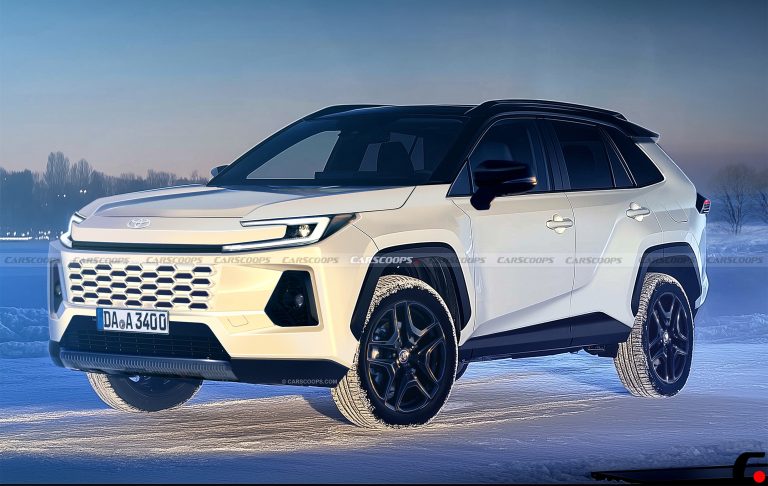
1. Toyota RAV4 (The Ubiquitous King):
- Strengths: Unflappable reliability, stellar resale value, a diverse powertrain lineup including class-leading hybrids (RAV4 Hybrid, RAV4 Prime PHEV), exceptional fuel economy, vast dealer network.
- Weaknesses: Interior materials can feel a bit utilitarian, driving dynamics are competent but unexciting, infotainment can feel a step behind some rivals.
- Value Proposition: Hard to beat for long-term ownership costs and efficiency.
2. Honda CR-V (The Practical Paragon):
- Strengths: Cavernous interior space (especially for rear passengers and cargo), refined ride quality, strong resale value, available hybrid powertrain that balances power and efficiency, intuitive interior layout.
- Weaknesses: Styling can be conservative, base engine can feel a bit underpowered, infotainment system, while improved, isn’t segment-leading.
- Value Proposition: The ultimate family hauler in the segment, offering practicality and comfort in spades.
3. Hyundai Tucson / Kia Sportage (The Style and Tech Mavericks):
- Strengths: Bold, futuristic styling (especially the Sportage), cutting-edge interior tech and massive digital displays, long warranty, strong feature-per-dollar ratio, increasingly competitive hybrid and PHEV options.
- Weaknesses: Ride quality can be a bit firm on larger wheels, some quirky design elements may not appeal to everyone, brand perception still building for some buyers.
- Value Proposition: A strong contender for those who prioritize modern aesthetics, advanced tech, and a generous warranty.
4. Subaru Forester (The Rugged Adventurer):
- Strengths: Standard Symmetrical All-Wheel Drive, exceptional outward visibility, strong safety ratings (EyeSight suite), impressive ground clearance for light off-roading, spacious and practical cabin.
- Weaknesses: Only one engine option (naturally aspirated 2.5L) which can feel sluggish, interior design is more functional than stylish, CVT transmission can drone under hard acceleration.
- Value Proposition: The go-to choice for outdoor enthusiasts and those who prioritize safety and all-weather capability.
5. Ford Escape (The European-Inspired Driver):
- Strengths: Engaging driving dynamics, diverse powertrain options (including hybrid and PHEV), comfortable ride, decent interior space.
- Weaknesses: Interior design can feel a bit plain, some material choices are less premium, resale value isn’t always as strong as Japanese rivals.
- Value Proposition: A good choice for those who want a European-style driving feel with American practicality, especially with its hybrid options.
Head-to-Head: The CX-5’s Claim to "Best for the Money"
Now, let’s dissect how the anticipated 2026 CX-5 stacks up against these formidable foes across the key metrics that define "best for the money."
1. Driving Experience:
- CX-5: Expect it to remain the undisputed king here. Its precise steering, composed chassis, and responsive engines (especially the turbo) will continue to deliver a level of engagement unmatched by its mainstream rivals. It’s the SUV for people who still enjoy driving.
- Competitors: The Escape offers a decent drive, the RAV4 and CR-V are competent, while the Tucson/Sportage lean into a firmer, sportier feel. The Forester is safe and predictable. None, however, match Mazda’s "Jinba Ittai."
- Verdict: If driving pleasure is a significant part of "for the money," the CX-5 will likely still win.
2. Interior Quality & Design:
- CX-5: This is Mazda’s other major advantage. We anticipate an even more refined cabin, with premium materials, meticulous fit and finish, and an intuitive layout. It consistently punches above its weight, feeling more akin to an Audi or BMW than a Toyota or Honda.
- Competitors: The CR-V offers excellent practicality and good materials, while the Hyundai/Kia twins dazzle with tech and bold design. The RAV4 and Forester are more functional.
- Verdict: The 2026 CX-5 should continue to offer the most "premium for the money" interior experience.
3. Technology & Infotainment:
- CX-5: This has been an area of "functional excellence" rather than "flashy brilliance" for Mazda. While the current system is intuitive with the rotary controller, a larger, more modern touchscreen and a fully digital gauge cluster are essential for 2026. If Mazda can integrate these seamlessly while maintaining its driver-centric approach, it will be competitive.
- Competitors: Hyundai/Kia lead with large, integrated screens and advanced features. Honda and Toyota have improved significantly. Ford’s Sync system is generally good.
- Verdict: The CX-5 needs a strong tech upgrade to compete here, but Mazda’s focus on user-friendliness could still be a unique selling point.
4. Powertrains & Efficiency:
- CX-5: This is the make-or-break area. If Mazda introduces a competitive hybrid option, it immediately elevates its "for the money" argument. The current naturally aspirated engine, while smooth, isn’t class-leading in efficiency. A strong hybrid variant would allow it to challenge the RAV4 and CR-V directly. The turbo will remain a performance value.
- Competitors: RAV4 Hybrid/Prime are segment leaders. CR-V Hybrid is excellent. Escape offers diverse hybrid options. Hyundai/Kia are rapidly catching up.
- Verdict: A hybrid CX-5 is crucial to be truly "best for the money" across the board, especially with rising fuel costs. Without it, its value proposition for efficiency-minded buyers diminishes.
5. Space & Practicality:
- CX-5: Historically, the CX-5 has been slightly smaller in terms of rear legroom and cargo volume compared to segment giants like the CR-V and RAV4. While a redesign might improve this, it’s unlikely to suddenly become the segment leader here. Mazda prioritizes driving dynamics and design over outright cavernous space.
- Competitors: CR-V and RAV4 are the segment kings for interior volume and cargo. Forester is also very practical.
- Verdict: If maximum space is your primary "for the money" consideration, the CX-5 might still fall slightly short of the segment leaders.
6. Safety & Reliability:
- CX-5: Mazda’s i-Activsense suite is comprehensive and effective. Expect further refinements for 2026, keeping it at the top of safety ratings. Reliability has always been strong for Mazda, often ranking alongside Toyota and Honda.
- Competitors: All these vehicles boast excellent safety ratings and generally strong reliability. Toyota and Honda often have an edge in perceived long-term reliability. Hyundai/Kia’s long warranties offer peace of mind.
- Verdict: The CX-5 will continue to be a top-tier performer in safety and reliability, contributing significantly to its long-term value.
7. Pricing & Overall Value Proposition:
- CX-5: Mazda typically prices its vehicles competitively, often slotting between the mainstream brands and entry-level luxury. The "for the money" argument hinges on its ability to deliver a near-premium experience at a mainstream price. If the 2026 model can introduce significant upgrades (especially a hybrid) without a drastic price hike, its value proposition will be incredibly strong.
- Competitors: The segment is intensely competitive, with every brand fighting for market share. Deals are common, and feature lists are long.
The Verdict: Is the 2026 Mazda CX-5 the Best SUV for the Money?
The answer, as often is the case in such a diverse segment, is nuanced.
For the discerning driver who prioritizes engaging driving dynamics, a genuinely premium interior feel, and sophisticated design above all else, the 2026 Mazda CX-5 will almost certainly remain the undisputed "best SUV for the money." No other mainstream compact SUV delivers such a refined, enjoyable, and upscale experience for a comparable price. It’s the closest you can get to a luxury SUV without paying the luxury premium.
However, for buyers whose definition of "best for the money" leans heavily on maximum cargo space, absolute fuel economy (especially without a hybrid option), or the latest and largest infotainment screens, the CX-5 might still face stiffer competition from the likes of the Honda CR-V, Toyota RAV4, or the tech-laden Hyundai Tucson/Kia Sportage.
The key to the 2026 Mazda CX-5 truly solidifying its claim as the absolute best overall for the money will be its powertrain strategy. If Mazda can introduce a truly competitive and efficient hybrid option, it will bridge its primary gap with the segment leaders. Combine that with its inherent strengths in driving pleasure and interior quality, and the 2026 CX-5 could very well redefine what "best for the money" means in the compact SUV segment, offering a potent cocktail of refinement, engagement, and now, potentially, class-leading efficiency.
Mazda continues to be the brand for those who appreciate the subtle art of driving and thoughtful design. And if the 2026 CX-5 lives up to its promise, it will continue to be a compelling, perhaps even unbeatable, value proposition for a wide array of buyers. The compact SUV segment war rages on, but Mazda is poised to deliver a contender that’s not just competitive, but genuinely desirable.