The BMW 3 Series has long been the gold standard in the compact luxury sports sedan segment, a benchmark against which all others are measured. For decades, it has captivated drivers with its unparalleled blend of engaging dynamics, premium comfort, and sophisticated technology. As we look ahead to the 2026 model year, anticipation is building for what promises to be a significant evolution of this iconic vehicle.
This article provides a full review of the 2026 BMW 3 Series, delving into its anticipated design, cutting-edge features, expected powertrains, and, crucially, an estimation of its pricing & features. Whether you’re a long-time BMW enthusiast, a prospective buyer considering an upgrade, or simply curious about the future of luxury sports sedans, this comprehensive guide will give you an in-depth look at what to expect from the next iteration of Bavaria’s best-seller. We’ll explore how the 2026 model aims to uphold its legacy while pushing boundaries in performance, efficiency, and digital integration, ensuring it remains a dominant force in a fiercely competitive market.
Overview / Key Highlights of the 2026 BMW 3 Series
The 2026 BMW 3 Series is expected to arrive as either a heavily refreshed version of the current G20 generation (often referred to as an LCI – Life Cycle Impulse) or potentially an all-new generation (G80/G81). Given BMW’s typical product cycles, a comprehensive refresh is more probable, incorporating significant updates across the board. Key highlights will undoubtedly center on an even more refined driving experience, a further leap in interior technology, and enhanced electrification options.
Expect the 2026 3 Series to maintain its driver-centric focus, offering a compelling balance between exhilarating performance and everyday usability. BMW will likely introduce its latest design language, making the sedan appear both more athletic and more elegant. Inside, a thoroughly modernized cabin with advanced infotainment and connectivity features will take center stage. Crucially, the 2026 model will likely broaden its appeal with improved efficiency across its powertrain lineup, including more potent and longer-range plug-in hybrid variants, alongside potentially even more powerful mild-hybrid-assisted gasoline engines.
Exterior Design and Styling
BMW’s design philosophy continually evolves, and the 2026 BMW 3 Series will undoubtedly reflect the brand’s latest aesthetic direction. While retaining the classic sports sedan proportions, expect a more aggressive and contemporary stance. We anticipate a redesigned front fascia featuring a subtly enlarged or re-sculpted kidney grille, possibly with new internal elements or an illuminated surround, similar to what we’ve seen on other recent BMW models.
The headlights are likely to be slimmer and more angular, incorporating BMW’s signature LED daytime running light designs with advanced adaptive matrix LED technology. The lower bumper will feature larger air intakes and more sculpted lines, emphasizing the car’s sporting intent. Around the side, expect cleaner body surfacing, potentially new character lines, and a wider array of wheel designs, ranging from sophisticated multi-spoke options to performance-oriented lightweight alloys. The rear will likely see redesigned LED taillights with a more three-dimensional effect, a subtly reshaped trunk lid, and updated bumper styling, possibly integrating more prominent exhaust finishers, particularly on sportier trims. Overall, the 2026 3 Series will project a more modern, sharper image while remaining instantly recognizable as a BMW.
Interior, Space, and Comfort
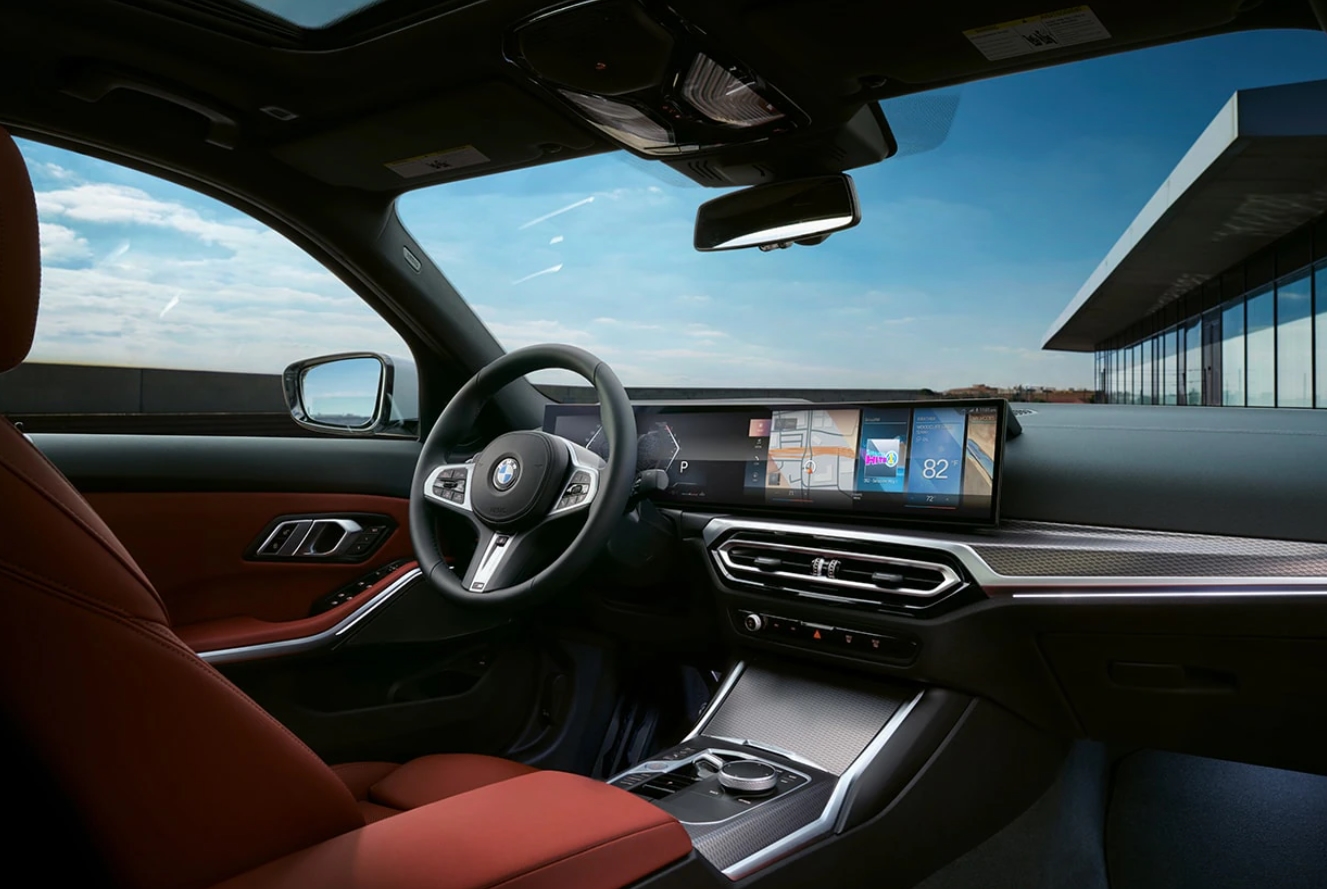
Stepping inside the 2026 BMW 3 Series, you’re expected to find a cabin that represents a significant leap forward in terms of design, materials, and digital integration. The most prominent feature will likely be BMW’s Curved Display, seamlessly merging the digital instrument cluster with the central infotainment touchscreen into a single, elegant unit. This will drastically reduce physical buttons, creating a cleaner, more minimalist dashboard aesthetic.
Material quality will remain a BMW hallmark, with an expected upgrade in soft-touch surfaces, premium leather options, and sophisticated trim choices like open-pore wood, brushed aluminum, or carbon fiber. Seating comfort is paramount in a luxury sedan, and the 2026 3 Series will offer excellent support and adjustability, with optional sport seats providing enhanced bolstering. While the 3 Series is a compact sedan, it typically offers adequate space for four adults, with decent legroom and headroom in the rear for most passengers. Cargo capacity in the trunk will remain competitive for the segment, making it practical for daily commutes and weekend getaways. Expect enhanced ambient lighting options and improved sound insulation for a more serene cabin experience.
Technology and Infotainment
The 2026 BMW 3 Series will be at the forefront of automotive technology, likely featuring the latest iteration of the BMW iDrive infotainment system – potentially iDrive 8.5 or even iDrive 9.0. This system will be accessed primarily through the large central touchscreen, offering intuitive menus, crisp graphics, and rapid response times. Gesture control and an advanced voice assistant ("Hey BMW") will provide alternative interaction methods, allowing drivers to control various functions without taking their hands off the wheel or eyes off the road.
Standard features will include wireless Apple CarPlay and Android Auto, a built-in navigation system with real-time traffic updates, and over-the-air (OTA) software update capability, ensuring the car’s systems remain current. Expect enhanced connectivity features, including a Wi-Fi hotspot, USB-C ports throughout the cabin, and potentially a wireless charging pad. High-end optional technology will likely include a sophisticated head-up display, augmented reality navigation, and a premium Harman Kardon or Bowers & Wilkins sound system, transforming the cabin into a mobile concert hall.
Engine / Powertrain, Performance, and Fuel Economy
The powertrain lineup for the 2026 BMW 3 Series is expected to be a masterclass in efficiency and performance, leveraging BMW’s expertise in internal combustion engines and electrification.
- 330i: The base model will likely feature an updated 2.0-liter turbocharged four-cylinder engine (B48), potentially paired with a 48-volt mild-hybrid system. This setup will deliver around 255-260 horsepower and robust torque, offering strong acceleration (0-60 mph in the low 5-second range) and excellent fuel economy, likely in the high 20s to low 30s MPG combined. The mild-hybrid system will smooth out stop/start operations and provide a small electric boost.
- M340i: For those seeking more power, the M340i will continue to be the enthusiast’s sweet spot before the full M3. It will almost certainly feature the venerable 3.0-liter turbocharged inline-six engine (B58), also integrated with a 48-volt mild-hybrid system. Output could reach around 385-390 horsepower, propelling the M340i from 0-60 mph in a blistering 4.0-4.2 seconds. Fuel economy will remain respectable for its performance, likely in the mid-20s MPG combined.
- 330e (Plug-in Hybrid): The 330e will see significant improvements. Expect a more powerful electric motor, a larger battery pack, and an extended all-electric range, potentially exceeding 40 miles on a single charge. The combined output of the 2.0-liter engine and electric motor could approach 290-300 horsepower, offering a blend of strong acceleration, silent electric commuting, and impressive overall fuel efficiency, potentially reaching over 70 MPGe.
- Transmission and Drivetrain: All models will almost certainly come standard with a smooth and responsive 8-speed automatic transmission. Rear-wheel drive will be standard on most trims, with BMW’s xDrive all-wheel-drive system available as an option, providing enhanced traction and stability in various conditions.
BMW’s commitment to delivering the "ultimate driving machine" means the 2026 3 Series will continue to offer precise steering, a finely tuned suspension (with optional adaptive dampers), and excellent chassis balance, making it a joy to drive on winding roads while remaining comfortable for daily commutes.
Safety and Driver-Assistance Features
Safety is a paramount concern for BMW, and the 2026 3 Series will be equipped with a comprehensive suite of advanced safety and driver-assistance features. Many of these will come standard, while more advanced capabilities will be available as options, often bundled into packages.
Standard safety features are expected to include a full array of airbags, anti-lock brakes (ABS), traction control, and stability control. The Active Driving Assistant package will likely be standard, encompassing:
- Forward Collision Warning with automatic emergency braking and pedestrian/cyclist detection
- Lane Departure Warning
- Blind Spot Detection
- Rear Cross-Traffic Alert
Optional advanced systems will likely include:
- Adaptive Cruise Control with Stop & Go functionality
- Lane Keeping Assist with active lane centering
- Evasion Aid
- Automatic Lane Change Assist
- Parking Assistant Plus, which includes a 360-degree surround-view camera system, parking sensors, and automated parking functions.
- Highway Assistant, allowing for hands-free driving on certain divided highways under specific conditions.
These technologies work together to enhance driver awareness, mitigate potential collisions, and reduce driver fatigue, contributing to a safer and more relaxed driving experience.
Trims, Pricing, and Value for Money
The 2026 BMW 3 Series will likely continue with its established trim structure, offering a clear progression in features and performance. We expect the primary trims to be:
- 330i: The entry point, offering a strong balance of performance, luxury, and efficiency.
- 330e: The plug-in hybrid variant, focusing on electric range and fuel economy.
- M340i: The performance-oriented model, with the potent inline-six engine and M Sport enhancements.
Estimated 2026 BMW 3 Series Pricing:
- 330i (RWD): Starting around $48,000 – $50,000
- 330i xDrive (AWD): Starting around $50,000 – $52,000
- 330e (RWD): Starting around $52,000 – $54,000
- 330e xDrive (AWD): Starting around $54,000 – $56,000
- M340i (RWD): Starting around $62,000 – $64,000
- M340i xDrive (AWD): Starting around $64,000 – $66,000
These prices will increase with various optional packages (e.g., Premium Package, Executive Package, Driving Assistance Professional Package) and individual features like upgraded wheels, specific interior trims, or adaptive suspension. While BMWs are never cheap, the 3 Series typically offers strong value for money within the luxury segment, considering its performance, technology, build quality, and resale value. Its competitive standard feature list and broad range of customization options allow buyers to tailor the car to their specific needs and budget.
Pros and Cons
Like any vehicle, the 2026 BMW 3 Series will have its strengths and weaknesses.
Pros:
- Exceptional Driving Dynamics: Continues to set the benchmark for handling, steering feel, and overall driving engagement.
- Sophisticated Technology: Features cutting-edge iDrive infotainment, advanced driver-assistance systems, and seamless connectivity.
- Premium Interior: High-quality materials, excellent build quality, and a comfortable, driver-focused cabin.
- Diverse Powertrain Options: From efficient mild-hybrid four-cylinders to potent inline-sixes and an improved plug-in hybrid.
- Strong Brand Prestige: BMW’s reputation for luxury, performance, and engineering excellence.
- Stylish Design: An updated exterior that blends athleticism with elegance.
Cons:
- Premium Price Tag: Can be expensive, especially when adding desirable optional features and packages.
- Rear Passenger Space: While adequate, it’s not the most spacious rear seat for taller adults compared to some competitors.
- Complex Infotainment: While powerful, the iDrive system can have a learning curve for new users due to its depth of features.
- Firm Ride: Even with standard suspension, some might find the ride quality a bit firm, especially on models with larger wheels or M Sport suspension.
- Maintenance Costs: Luxury cars generally come with higher maintenance and repair costs.
Rivals and Alternatives
The compact luxury sports sedan segment is fiercely competitive, and the 2026 BMW 3 Series will face strong opposition from several well-established rivals:
- Mercedes-Benz C-Class: Known for its opulent interior, refined ride, and advanced technology, often perceived as more luxury-focused than performance-oriented.
- Audi A4: Offers a high-tech cabin, standard Quattro all-wheel drive, and a comfortable, understated driving experience.
- Genesis G70: A compelling challenger with a focus on value, strong performance, and a distinctive design, backed by an excellent warranty.
- Lexus IS: Emphasizes reliability, a distinctive exterior design, and a comfortable, quality interior, though often criticized for less engaging driving dynamics and older infotainment.
- Tesla Model 3: While fully electric, it’s a significant alternative for tech-savvy buyers seeking strong performance, a minimalist interior, and zero emissions, though its driving experience differs significantly.
The 2026 3 Series will need to continuously innovate to maintain its edge against these capable competitors, each offering a slightly different blend of attributes.
Buying Tips and Who This Car Is Best For
If you’re considering the 2026 BMW 3 Series, here are some tips to help you make an informed decision:
- Test Drive Multiple Trims: The driving experience can vary significantly between the 330i, 330e, and M340i. Drive each to see which best suits your performance and efficiency needs.
- Evaluate Optional Packages Carefully: BMW offers numerous packages. Prioritize those that genuinely enhance your driving experience or daily usability rather than adding features you won’t use. The Driving Assistance Professional Package is highly recommended for those who do a lot of highway driving.
- Consider Your Commute: If you have a shorter commute with charging access, the 330e plug-in hybrid could save you significant fuel costs. If performance is paramount, the M340i is worth the upgrade.
- Factor in Maintenance and Insurance: Luxury vehicles typically have higher ongoing costs. Get insurance quotes and research typical maintenance schedules and expenses.
- Explore Leasing vs. Buying: Given BMW’s strong residual values, leasing can often be an attractive option, allowing you to upgrade to a new model every few years.
The 2026 BMW 3 Series is best suited for:
- Driving Enthusiasts: Who prioritize engaging handling, precise steering, and powerful engines.
- Young Professionals: Seeking a premium, stylish, and technologically advanced daily driver.
- Small Families: Who need a comfortable and safe sedan for city driving and occasional longer trips, appreciating the blend of luxury and practicality.
- Tech-Savvy Buyers: Who value cutting-edge infotainment, connectivity, and driver-assistance features.
Final Verdict / Conclusion
The 2026 BMW 3 Series is poised to continue its reign as the definitive compact luxury sports sedan. With its anticipated blend of sharpened exterior design, a thoroughly modern and technologically advanced interior, a diverse and efficient powertrain lineup, and the brand’s unwavering commitment to driving dynamics, it promises to be an incredibly compelling package.
From its refined driving manners and exhilarating performance to its sophisticated safety systems and luxurious cabin, the 2026 3 Series is designed to satisfy a wide range of discerning drivers. While its pricing & features will place it firmly in the premium segment, the value it offers in terms of engineering excellence, brand prestige, and daily enjoyment is undeniable. This full review of the 2026 BMW 3 Series underscores its likely position as a segment leader, continuing to offer that unique BMW blend of sportiness and luxury that has captivated car enthusiasts for generations. For anyone seeking a dynamic, technologically advanced, and prestigious sedan, the 2026 BMW 3 Series will undoubtedly remain a top contender.