The automotive world is a relentless conveyor belt of innovation, and few vehicles embody its constant evolution quite like the Toyota RAV4. For decades, this compact SUV has been a cornerstone of the segment, a default choice for millions seeking reliability, practicality, and increasingly, efficiency. But as the current fifth-generation model approaches its twilight, whispers and predictions about its successor – the 2026 Toyota RAV4 – are growing louder, sparking immense anticipation among consumers and industry observers alike.
This isn’t just another refresh; we’re talking about a full generational overhaul, a chance for Toyota to redefine what the RAV4 stands for in an increasingly competitive and electrified landscape. From its potential release date to its groundbreaking features and, ultimately, how you can navigate the purchasing process, buckle up as we delve into everything you need to know about the next chapter of Toyota’s iconic crossover.
The Anticipation Builds: 2026 Toyota RAV4 Release Date Speculation
Predicting the exact unveiling of a future model is always a dance of educated guesses, but industry cycles provide a solid rhythm. The current fifth-generation RAV4 debuted in late 2018 as a 2019 model year vehicle. Toyota typically adheres to a 5-6 year generational lifecycle for its high-volume models, making a 2025 reveal for a 2026 model year vehicle highly probable.
Here’s the breakdown of what to expect regarding the 2026 RAV4’s release:
- Initial Sightings & Spy Shots (Late 2024 – Early 2025): We’ve already seen early prototypes under heavy camouflage undergoing testing. These "spy shots" will become more frequent and revealing as development progresses, giving us our first glimpses of the new design language. Automotive enthusiasts and journalists will dissect every visible detail, from headlight designs to exhaust configurations.
- Official Teasers & Concepts (Mid-2025): Toyota is known for its strategic rollout. Expect a series of cryptic teasers – perhaps a shadowed silhouette, a close-up of a new lighting signature, or a brief video hinting at its capabilities. This phase might also include a concept car that strongly previews the production model, though Toyota typically keeps its concepts fairly close to reality for volume sellers like the RAV4.
- Global Debut (Late 2025 – Early 2026): The most likely scenario is a global unveiling at a major international auto show in late 2025. The Los Angeles Auto Show, Detroit’s North American International Auto Show, or even the New York International Auto Show could serve as the stage. This is when Toyota will pull back the curtain, reveal all the design details, engine specifications, and highlight key features.
- Market Launch (Spring/Summer 2026): Following the debut, production will ramp up, and the 2026 RAV4 will begin arriving at dealerships across North America and other key markets. Expect a phased rollout, with popular trims and powertrains likely arriving first. Demand will undoubtedly be high, so early orders or pre-reservations might be advisable for those eager to be among the first owners.
Key takeaway: Mark your calendars for late 2025/early 2026 as the window for official news and subsequent availability. Patience will be a virtue, but the wait promises to be worthwhile.
Redefining the Icon: What to Expect from the 2026 RAV4’s Design and Engineering
A new generation brings with it fundamental changes, and the 2026 RAV4 is poised to receive significant upgrades across the board.
The Foundation: Evolved TNGA-K Platform
The current RAV4 rides on Toyota’s TNGA-K platform, a highly versatile architecture that underpins everything from the Camry to the Highlander. The 2026 model will almost certainly utilize an evolved version of this platform. Expect improvements in:
- Rigidity and Dynamics: Enhanced structural rigidity will contribute to a more refined ride, better handling, and improved crash safety. This could translate to a more engaging driving experience without sacrificing comfort.
- Noise, Vibration, and Harshness (NVH): Toyota has made strides in recent models to reduce cabin noise. The new platform will likely incorporate further sound-deadening measures and refined suspension tuning to create a quieter and more serene cabin environment, addressing a common critique of the current model.
- Packaging Efficiency: The platform allows for optimized interior space, potentially freeing up more room for passengers and cargo, or enabling more flexible interior configurations.
Exterior Design: Rugged Refinement Meets Modern Aerodynamics
The current RAV4’s rugged, truck-inspired styling was a bold departure from its smoother predecessors and has been a key factor in its success. For the 2026 model, expect an evolution rather than a revolution.
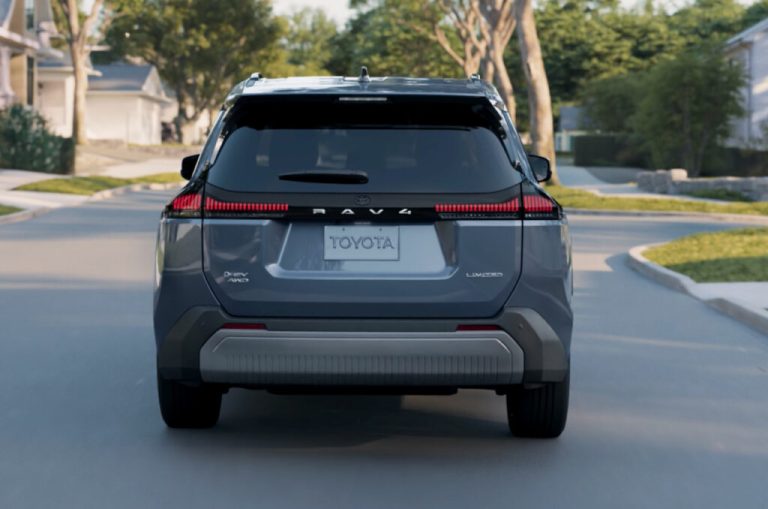
- Sharper Lines, Softer Edges: Toyota will likely retain the assertive stance but refine the bodywork with cleaner lines and more sophisticated surfacing. Aerodynamic efficiency will be paramount, influencing everything from the grille design to the subtle sculpting of the body panels, aiding fuel economy and reducing wind noise.
- Lighting Signature: Expect a complete overhaul of the lighting elements. Slimmer, more aggressive LED headlights and taillights with distinctive daytime running light signatures will be a given, enhancing both aesthetics and visibility. Higher trims might feature adaptive LED technology.
- Grille Evolution: The front fascia, particularly the grille, is the face of any vehicle. The 2026 RAV4 will likely sport a modernized interpretation of Toyota’s current design language, perhaps integrating more seamlessly with the headlights and emphasizing its width and planted stance.
- New Wheel Designs: A fresh set of alloy wheel designs, potentially with aerodynamic inserts, will complete the exterior transformation.
- Adventure and TRD Off-Road Variants: These popular trims will undoubtedly return, offering more aggressive styling cues, unique wheels, potentially increased ground clearance, and specialized off-road features to cater to the outdoorsy crowd.
Interior: A Much-Needed Technological and Material Upgrade
If there’s one area where the current RAV4 shows its age, it’s the interior technology and some material choices. The 2026 RAV4 is poised to deliver a significant leap forward here.
- Digital Dominance: A larger, more vibrant digital instrument cluster will likely become standard or available across most trims, offering customizable displays for crucial driving information. The central infotainment screen will undoubtedly grow in size, potentially moving towards a floating tablet-style design, integrating seamlessly with the dashboard.
- Latest Toyota Audio Multimedia System: This intuitive system, already seen in newer Toyota models, will be at the heart of the RAV4’s connectivity. Expect wireless Apple CarPlay and Android Auto, integrated navigation, over-the-air (OTA) update capabilities, and a robust voice assistant. Higher trims might feature premium JBL audio systems.
- Material Quality: Expect a noticeable step up in interior materials, with more soft-touch surfaces, improved stitching, and a greater sense of premium quality, especially in higher trims. Sustainable materials might also play a role, reflecting Toyota’s environmental commitments.
- Ergonomics and Storage: Thoughtful design will enhance usability. Expect improved storage solutions, better cup holders, more USB-C ports throughout the cabin, and potentially wireless charging pads as standard on many trims.
- Seating Comfort: Redesigned seats with improved bolstering and support will enhance comfort on long journeys. Ventilated front seats and heated rear seats will likely be available on higher trims.
- Panoramic Sunroof: A larger panoramic sunroof, allowing more light into the cabin, will likely be an optional feature, enhancing the sense of spaciousness.
Powertrains: The Hybrid Reign Continues, Prime Gets a Boost
This is where Toyota truly shines, and the 2026 RAV4 will undoubtedly double down on electrification.
- Next-Generation Hybrid Synergy Drive: The standard RAV4 Hybrid will remain a cornerstone. Expect a significant evolution of Toyota’s proven Hybrid Synergy Drive system. This means improved fuel efficiency (potentially pushing into the low 40s MPG combined), more refined power delivery, and potentially a slight bump in overall horsepower. The eAWD system, utilizing an electric motor for the rear axle, will continue to provide confident all-weather traction.
- RAV4 Prime: Longer Range, Faster Charging: The plug-in hybrid (PHEV) RAV4 Prime is a star performer, offering impressive all-electric range and exhilarating acceleration. The 2026 Prime will likely push boundaries further, with an even longer EV range (targeting 50+ miles on a single charge) and potentially faster charging capabilities. Its combined horsepower could also see an increase, solidifying its position as the performance leader of the lineup.
- Internal Combustion Engine (ICE): While the focus will be on hybrids, Toyota may still offer a traditional gasoline-only engine, likely an updated version of the current 2.5-liter Dynamic Force four-cylinder. Expect minor refinements for efficiency and smoothness, paired with an 8-speed automatic transmission. However, its role might diminish as hybrid options become even more compelling.
- Driving Modes and Off-Road Capability: Expect an expanded suite of driving modes (Eco, Normal, Sport) and potentially an enhanced Multi-Terrain Select system for Adventure and TRD Off-Road variants, optimizing traction and throttle response for various surfaces.
Safety and Driver-Assist Technology: Toyota Safety Sense 4.0+
Toyota is a leader in standardizing safety features, and the 2026 RAV4 will come equipped with the latest iteration of its comprehensive suite: Toyota Safety Sense (TSS) 4.0 or 4.5. This will likely include:
- Pre-Collision System with Pedestrian and Cyclist Detection: Enhanced detection capabilities, even in low light.
- Full-Speed Range Dynamic Radar Cruise Control: Smoother operation and potentially predictive capabilities.
- Lane Departure Alert with Steering Assist: Improved accuracy and gentler interventions.
- Lane Tracing Assist: More robust lane-centering capabilities.
- Road Sign Assist: Expanded recognition of various road signs.
- Automatic High Beams: More responsive and intelligent high beam control.
- Proactive Driving Assist: A new feature that provides gentle braking and steering support to help maintain distance from other vehicles or curves in the road.
- Blind Spot Monitor with Rear Cross-Traffic Alert: Standard on most, if not all, trims.
- Front and Rear Parking Assist with Automatic Braking: Enhanced low-speed collision avoidance.
- Available Advanced Features: Higher trims might offer features like a digital rearview mirror, a 360-degree panoramic view monitor, and a more sophisticated hands-free driving assist system for highway use, similar to Lexus’s Teammate.
Trims and Pricing: Value and Versatility
Toyota’s trim strategy for the RAV4 is well-established, offering a wide range of options to suit different budgets and needs. Expect a similar structure for the 2026 model, with potential new nomenclature or repackaged features.
- Base Models (LE, XLE): These will offer excellent value, providing a solid foundation of safety, tech, and comfort features at an accessible price point. The XLE will add more convenience items like a power driver’s seat and perhaps a larger infotainment screen.
- Mid-Range (XLE Premium, Limited): Stepping up, these trims will introduce more luxurious touches – upgraded upholstery, premium audio, larger wheels, and more advanced driver-assist features. The Limited will be the luxury flagship, with all the bells and whistles.
- Sporty/Adventure (Adventure, TRD Off-Road): These trims cater to a specific aesthetic and capability. Expect unique styling, potentially higher ground clearance, off-road tuned suspension, and specialized traction management systems.
- Prime (SE, XSE, XSE Premium): The plug-in hybrid will likely retain its own distinct trim levels, offering escalating levels of luxury and technology on top of its advanced powertrain.
Pricing: Given the extensive redesign, enhanced technology, and inflationary pressures, expect a modest price increase across the board compared to the outgoing model.
- Estimated Starting Price (ICE): $30,000 – $32,000
- Estimated Starting Price (Hybrid): $33,000 – $35,000
- Estimated Starting Price (Prime): $45,000 – $48,000
These are initial estimates, and final pricing will depend on economic factors and specific feature content closer to release. However, Toyota is known for offering competitive pricing, and the RAV4 will continue to represent strong value in its segment.
Your Ultimate 2026 Toyota RAV4 Buying Guide
So, the 2026 RAV4 is on your radar. How do you navigate the buying process to ensure you get the right vehicle for your needs and at the best possible price?
Step 1: Research, Research, Research (Pre-Launch & Post-Launch)
- Pre-Launch: Follow automotive news sites, forums, and official Toyota announcements. Stay updated on spy shots, leaked specs, and official teasers. This will give you a head start on understanding the new model’s direction.
- Post-Launch: Once the 2026 RAV4 is officially revealed, devour every review from reputable automotive journalists. Watch video reviews, compare specifications on Toyota’s official website, and use online configurators to build your ideal trim.
- Compare Competitors: Don’t buy a RAV4 in a vacuum. Cross-shop with its main rivals: Honda CR-V, Hyundai Tucson, Kia Sportage, Mazda CX-50, Nissan Rogue, and Subaru Forester. Each has its strengths, and understanding them will solidify your decision.
Step 2: Define Your Needs and Budget
This is the most crucial step. Be honest with yourself about what you truly need versus what you merely want.
- Lifestyle: Are you a city dweller, a suburban commuter, or an outdoor enthusiast? Do you frequently carry passengers, cargo, or both?
- Powertrain Priority:
- Gasoline: If maximum affordability and simple mechanics are your priority, and fuel economy is less critical.
- Hybrid: If you want excellent fuel economy, lower emissions, and good power without the hassle of plugging in. This is likely the sweet spot for most buyers.
- Prime (PHEV): If you have a short commute (allowing you to drive mostly on electricity), access to charging, and desire strong acceleration and the best fuel economy. It comes at a premium, but potential tax credits might offset some cost.
- Drivetrain: Do you need all-wheel drive (AWD) for snow, light off-roading, or just peace of mind? Front-wheel drive (FWD) is usually more affordable and slightly more fuel-efficient.
- Technology & Safety: Which features are non-negotiable? A large screen? Specific driver aids? Premium audio?
- Budget: Determine your absolute maximum purchase price, including taxes, fees, and potential accessories. Factor in insurance costs, fuel, and estimated maintenance.
Step 3: Choose Your Trim Level and Options
Based on your needs and budget, narrow down the trim levels.
- Base (LE, XLE): If value and core functionality are paramount.
- Mid-Range (XLE Premium, Limited): If you want a balance of features, comfort, and technology.
- Specialized (Adventure, TRD Off-Road, Prime): If you have specific requirements for ruggedness, off-road capability, or plug-in efficiency.
- Packages: Toyota often bundles popular features into packages (e.g., Cold Weather Package, Technology Package). Assess if these offer better value than adding individual options.
- Accessories: Consider dealer-installed accessories like floor mats, cargo nets, roof racks, or body protection. Factor these into your budget.
Step 4: Financing – Loan vs. Lease
- Loan (Purchase): You own the vehicle outright after payments. Best if you plan to keep the car for many years, drive high mileage, or customize it. Shop for interest rates before you go to the dealership – check banks and credit unions.
- Lease: You essentially rent the car for a set period (typically 24-36 months) with mileage limits. Best if you like to drive a new car every few years, have a predictable commute, or prefer lower monthly payments. Understand residual value, money factor, and mileage penalties.
- Down Payment: A larger down payment can reduce your monthly payments and overall interest paid.
- Trade-in: If you have a trade-in, research its value beforehand using sites like Kelley Blue Book or Edmunds. Don’t let the dealer lowball you.
Step 5: The Test Drive (Crucial!)
Once the 2026 RAV4 arrives at dealerships, schedule thorough test drives of your preferred trims and powertrains.
- Drive Multiple Trims: If possible, try both the Hybrid and Prime, and potentially the gas model if you’re undecided. Experience different wheel sizes as they affect ride quality.
- Simulate Your Commute: Drive on roads you typically use – highways, city streets, rough patches.
- Assess Key Areas:
- Comfort: Seat support, ride quality over bumps, road noise, wind noise.
- Performance: Acceleration (especially merging onto highways), braking feel, steering response.
- Visibility: Check blind spots, rearview mirror, and the effectiveness of the 360-degree camera (if equipped).
- Technology: How intuitive is the infotainment system? Is Apple CarPlay/Android Auto responsive? Test voice commands.
- Ergonomics: Are controls easy to reach? Is the driving position comfortable?
- Cargo Space: Bring items you typically carry (stroller, groceries, sports gear) to ensure they fit.
- Ask Questions: Don’t hesitate to ask the salesperson about features, warranties, and maintenance schedules.
Step 6: Negotiation and Dealership Experience
- Be Prepared: Know the invoice price (dealer cost) versus MSRP (manufacturer’s suggested retail price). Online tools can help.
- Negotiate the Price of the Car First: Don’t let trade-in value or financing muddy the waters. Get a firm price on the new RAV4.
- Walk Away if Necessary: Be prepared to leave if you’re not getting a fair deal. There will be other dealerships and other RAV4s.
- Review All Documents: Read every line of the sales contract, financing agreement, and warranty details before signing. Watch out for hidden fees or unwanted add-ons.
- Consider Extras: Discuss extended warranties, service plans, and paint protection. Decide if these are worthwhile for your situation.
Step 7: Post-Purchase – Ownership Experience
- Warranty: Understand your basic, powertrain, and hybrid component warranties.
- Maintenance: Follow Toyota’s recommended maintenance schedule. Toyota is known for reliability, but regular service is key to longevity.
- Insurance: Shop around for the best insurance rates. The RAV4’s safety features might help reduce premiums.
- Resale Value: The RAV4 consistently holds its value exceptionally well, especially hybrid models. This is a significant long-term benefit.
The Road Ahead
The 2026 Toyota RAV4 is shaping up to be a formidable contender, set to elevate its game with a more refined design, cutting-edge technology, and an even stronger emphasis on its class-leading hybrid powertrains. For those seeking a versatile, reliable, and efficient compact SUV that can tackle everything from daily commutes to weekend adventures, the next-generation RAV4 promises to be a compelling choice. By following this comprehensive guide, you’ll be well-equipped to navigate its release and make an informed decision when it’s time to drive home in your new RAV4. The wait is almost over, and the future of the RAV4 looks brighter than ever.