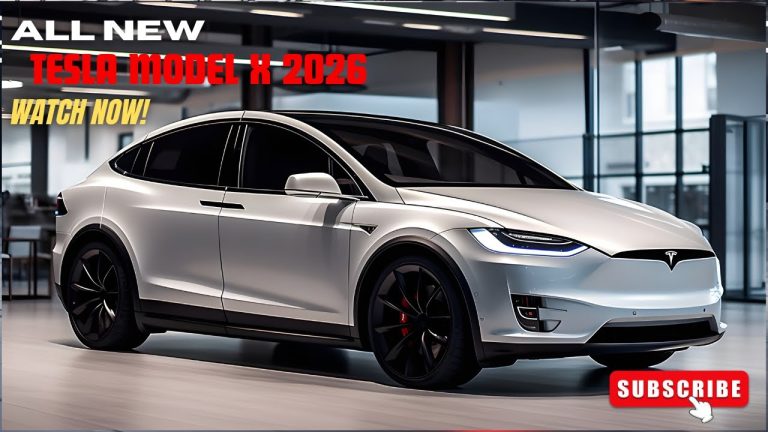
Tesla has long been synonymous with innovation, pushing the boundaries of electric vehicle technology and challenging traditional automotive norms. Among its lineup, the Model X stands out as a unique proposition: a luxury all-electric SUV that blends supercar-rivalling performance with family-friendly utility and a distinctive design. As we look towards the horizon, anticipation builds for what the 2026 Tesla Model X might bring.
Unlike conventional automakers, Tesla doesn’t adhere to a rigid annual model year refresh schedule. Instead, it continuously updates its vehicles through over-the-air (OTA) software updates and implements hardware changes throughout production runs. However, the designation "2026 Model X" implies either a significant mid-cycle refresh or a series of iterative improvements that coalesce into a notably advanced version of the vehicle by that year.
This comprehensive article delves into the speculative release date, potential enhancements, and a detailed buying guide for the highly anticipated 2026 Tesla Model X. We’ll explore everything from expected design changes and performance upgrades to pricing, ownership costs, and how it stacks up against a rapidly evolving competitive landscape.
The Anticipated 2026 Tesla Model X: What to Expect
While Tesla remains tight-lipped about future product plans, especially years in advance, we can make informed predictions based on industry trends, Tesla’s past behavior, and ongoing technological advancements.
1. Speculative Release Date: A Continuous Evolution
The concept of a "2026 Tesla Model X release date" is less about a single launch event and more about a continuous evolution culminating in a significantly enhanced vehicle by that year.
- Tesla’s Refresh Cycle: The Model X received its last major interior and powertrain refresh in early 2021, bringing a new horizontal screen, updated steering (including the controversial yoke option), and performance boosts. Given Tesla’s typical refresh cycles for its older models (around 5-7 years for significant updates), a more substantial mid-cycle refresh for the Model X could plausibly begin to roll out in late 2025 or early 2026. This would encompass more than just software updates, potentially involving exterior tweaks and new hardware.
- Production & Availability: If a refresh is introduced, orders would likely open concurrently with the announcement, with deliveries commencing shortly thereafter, often in phases across different regions. Prospective buyers should monitor Tesla’s official channels and reputable automotive news outlets for the most accurate and up-to-date information.
2. Potential Design Enhancements: Refined Aerodynamics and Modern Aesthetics
While the Model X’s signature Falcon Wing doors are unlikely to change, a 2026 iteration could see several refinements:
- Exterior:
- Subtle Aerodynamic Tweaks: Expect even more streamlined bodywork, potentially integrating lessons learned from the Cybertruck and upcoming models. This could include revised front and rear bumpers, optimized wheel designs, and subtle changes to the side skirts to further reduce drag and improve range.
- Lighting Technology: Advanced LED lighting, possibly incorporating matrix or adaptive high-beam technology, could offer enhanced visibility and a more futuristic signature.
- New Color Palettes: Tesla periodically introduces new exterior colors, and 2026 could bring fresh options to the lineup.
- Interior:
- Display Evolution: While the current horizontal 17-inch screen is impressive, Tesla could integrate an even more advanced display, perhaps with higher resolution, improved haptics, or dynamic content zoning. Rear passenger screens might also see upgrades.
- Material Upgrades: Expect a continued focus on premium, sustainable materials. New trim options, enhanced seat comfort, and improved sound insulation could elevate the luxury experience.
- Steering Wheel Options: The debate around the yoke steering wheel continues. Tesla might offer both yoke and traditional round steering wheel options, or refine the yoke design for better ergonomics.
- Ambient Lighting: More sophisticated and customizable ambient lighting systems could create a more personalized cabin atmosphere.
3. Performance and Powertrain Upgrades: More Range, Faster Charging, Unrivaled Power
Tesla’s relentless pursuit of efficiency and power means the 2026 Model X will likely push boundaries further:
- Battery Technology:
- Increased Energy Density: Anticipate advancements in battery cell chemistry (e.g., 4680 cells or next-generation formulations) leading to higher energy density, translating into extended range without significantly increasing battery pack size or weight.
- Faster Charging Speeds: Compatibility with even higher Supercharging V4 speeds and improved thermal management could drastically reduce charging times, especially on long journeys.
- Motor Efficiency: More efficient electric motors, potentially utilizing advanced materials or manufacturing techniques, would contribute to better range and sustained performance.
- Acceleration: While the Plaid’s 0-60 mph time of 2.5 seconds is already mind-bending, Tesla might find marginal gains or offer a more efficient "Ludicrous" mode for daily driving.
- Suspension and Handling: Refinements to the adaptive air suspension system could offer an even smoother ride and more dynamic handling, adjusting to road conditions and driving styles with greater precision.
4. Software and Autonomous Capabilities: FSD Advancements and Infotainment Evolution
Software is Tesla’s core strength, and the 2026 Model X will undoubtedly showcase significant advancements:
- Full Self-Driving (FSD) Beta: By 2026, FSD Beta is expected to be significantly more robust, potentially nearing full Level 4 autonomy in many driving scenarios. This would mean more confident navigation, complex urban driving capabilities, and enhanced safety features.
- Infotainment System: The in-car entertainment system will continue to evolve, with deeper integration of streaming services, enhanced gaming capabilities (perhaps leveraging more powerful processors), and a more intuitive user interface.
- Connectivity: Next-generation cellular connectivity (e.g., 5G) would ensure faster updates, real-time traffic data, and seamless online experiences.
5. Safety Features: Beyond the Standards
Tesla consistently achieves top safety ratings. The 2026 Model X will likely build upon this with:
- Enhanced Sensor Suite: An upgraded suite of cameras, radar, and potentially lidar (though Tesla has historically resisted lidar) could provide a more comprehensive view of the vehicle’s surroundings.
- Active Safety Systems: More sophisticated versions of automatic emergency braking, lane-keeping assist, and blind-spot monitoring, operating with greater precision and in a wider range of conditions.
- Structural Integrity: Continuous improvements in manufacturing processes and material science could lead to an even more rigid and protective passenger cell.
Decoding the Trims and Configurations for the 2026 Model X
Based on current offerings, the 2026 Model X is likely to retain a streamlined trim structure, primarily differentiating by performance and range.
-
Tesla Model X Long Range (Hypothetical 2026):
- Focus: Optimized for maximum range and everyday usability, while still offering impressive acceleration.
- Powertrain: Dual-motor all-wheel drive.
- Estimated Range: Could push past 350-370 miles on a single charge (EPA estimate), thanks to battery advancements.
- 0-60 mph: Still very quick, likely in the low 4-second range.
- Ideal for: Families, long-distance commuters, and those prioritizing range over extreme performance.
-
Tesla Model X Plaid (Hypothetical 2026):
- Focus: Uncompromising performance, boasting supercar-level acceleration.
- Powertrain: Tri-motor all-wheel drive.
- Estimated Range: Slightly less than the Long Range due to performance tuning, but still substantial, potentially around 320-340 miles.
- 0-60 mph: Could remain in the astonishing 2.5-second range, perhaps with minor improvements or more consistent performance.
- Ideal for: Enthusiasts, those who crave exhilarating performance, and drivers who want the ultimate in electric SUV power.
-
Seating Configurations: Both trims are expected to offer flexible seating:
- 5-Seater: Standard, offering maximum cargo space.
- 6-Seater: Features two captain’s chairs in the second row, providing enhanced comfort and easier third-row access.
- 7-Seater: A traditional three-person bench in the second row, maximizing passenger capacity.
Pricing, Options, and the True Cost of Ownership
Investing in a 2026 Tesla Model X will be a significant financial decision. Understanding the potential pricing, available options, and long-term ownership costs is crucial.
1. Estimated Pricing for the 2026 Model X
Predicting exact pricing years in advance is challenging due to inflation, material costs, and technological advancements. However, we can establish a probable range:
- Model X Long Range (2026): Given current pricing trends and anticipated upgrades, expect the 2026 Long Range to potentially start in the low $90,000s to mid-$100,000s.
- Model X Plaid (2026): The performance variant will command a premium, likely starting in the low $110,000s to $130,000s.
These prices are before any potential federal or state tax credits, which can significantly reduce the effective purchase price.
2. Key Optional Upgrades
Tesla’s option structure is relatively straightforward:
- Full Self-Driving (FSD) Capability: This is the most significant optional upgrade, commanding a substantial one-time fee or a monthly subscription. By 2026, its capabilities and pricing model may have evolved.
- Premium Paint Colors: Beyond the standard white, other colors (black, grey, blue, red) typically incur an additional cost.
- Wheel Upgrades: Larger or more aerodynamic wheel designs are usually optional extras.
- Interior Configuration: Choosing 6- or 7-seat layouts typically adds to the base price.
- Interior Decor: While materials are generally premium, specific wood, carbon fiber, or upgraded trim options might be available.
3. The True Cost of Ownership
While the initial purchase price is high, the long-term cost of owning a Tesla Model X can be surprisingly competitive.
- Fuel Costs (Electricity): Charging at home during off-peak hours is significantly cheaper than gasoline. Even using the Supercharger network is often more economical than traditional fuel.
- Maintenance: Electric vehicles have fewer moving parts than internal combustion engine (ICE) cars, leading to lower scheduled maintenance costs. No oil changes, spark plugs, or complex transmission servicing.
- Insurance: Due to its high performance, advanced technology, and repair costs (especially the Falcon Wing doors), insurance premiums for the Model X can be higher than average. It’s crucial to get quotes before purchasing.
- Depreciation: Teslas generally hold their value well, especially with continuous OTA updates keeping them feeling fresh. However, as battery technology advances, the depreciation curve for older EVs is still an evolving area.
- Tax Incentives: Federal, state, and local incentives for EV purchases can offset the initial cost. These programs change frequently, so research current eligibility at the time of purchase.
The Buying Guide: Navigating Your Purchase of the 2026 Model X
Purchasing a Tesla is a unique experience, largely conducted online. Here’s a step-by-step guide for acquiring your 2026 Model X:
Step 1: Research and Education
- Stay Informed: Follow Tesla news, official announcements, and reputable automotive reviews. Pay close attention to any details released about the 2026 Model X’s features, range, and pricing.
- Understand Your Needs: Determine your priorities: maximum range, ultimate performance, seating capacity, and specific tech features.
- Compare: Research key competitors (see below) to ensure the Model X aligns with your preferences and budget.
Step 2: The Tesla Test Drive
- Experience It: Despite the online buying process, a test drive is crucial. Visit a Tesla showroom or schedule a drive.
- Focus on the Uniqueness: Pay attention to the instant torque, regenerative braking, Falcon Wing doors, the large central screen interface, and the overall driving dynamics. If available, experience the yoke steering.
- Ask Questions: Tesla advisors are knowledgeable. Don’t hesitate to inquire about charging, service, and software features.
Step 3: Online Ordering Process
- Visit Tesla’s Website: Once the 2026 Model X is officially available for order, configure your vehicle online. Select your trim (Long Range or Plaid), seating configuration, exterior color, wheel choice, and FSD option.
- Deposit: A non-refundable deposit is typically required to place your order.
- Financing: Tesla offers its own financing and leasing options, or you can arrange pre-approved financing through your bank or credit union.
- Trade-in: Tesla can provide an estimated trade-in value for your current vehicle.
Step 4: Financing and Payment
- Loan vs. Lease: Evaluate whether buying (loan) or leasing is more suitable for your financial situation and driving habits.
- Tax Credits: Confirm your eligibility for any federal, state, or local tax credits or rebates for EVs. These can be significant.
Step 5: Delivery and Inspection
- Schedule Delivery: Once your Model X is built and shipped, you’ll be notified to schedule a delivery appointment at a Tesla delivery center or, in some regions, direct to your home.
- Thorough Inspection: Upon delivery, carefully inspect the vehicle for any panel gaps, paint imperfections, or interior issues. While Tesla’s quality has improved, it’s always wise to be vigilant.
- Familiarize Yourself: Take time to learn the vehicle’s features, charging process, and the mobile app integration.
Step 6: After-Sales Support and Ownership
- Charging: Install a Level 2 charger at home for convenient overnight charging. Utilize the Supercharger network for long trips.
- Service: Schedule service appointments through the Tesla mobile app. Many minor issues can be addressed by Tesla’s mobile service technicians, who come to your location.
- Software Updates: Enjoy continuous improvements and new features delivered directly to your car via OTA updates.
- Community: Join online Tesla owner forums and groups for tips, advice, and to connect with other enthusiasts.
Model X in the Competitive Landscape: 2026 Outlook
By 2026, the luxury electric SUV segment will be even more crowded and competitive. The Model X, while still unique, will face formidable rivals.
Current and Emerging Competitors:
- Rivian R1S: A rugged yet luxurious adventurer, offering strong off-road capabilities and innovative features.
- Lucid Gravity: Expected to launch around 2024-2025, promising Lucid’s signature ultra-long range and premium interior in an SUV format.
- Mercedes-Benz EQS SUV / EQE SUV: Luxurious, technologically advanced, and comfortable, focusing on traditional luxury buyers.
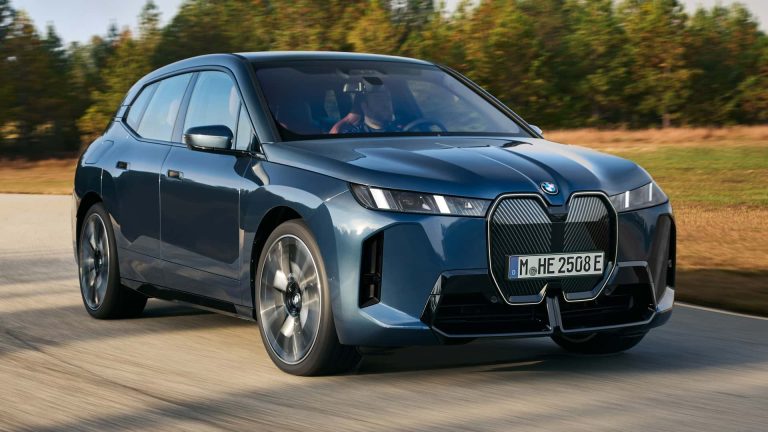
- BMW iX: A bold, futuristic design with a focus on driving dynamics and a high-tech interior.
- Audi Q8 e-tron / Q6 e-tron: Refining Audi’s EV offerings with strong performance and sophisticated interiors.
- Cadillac LYRIQ: A stylish, tech-laden American luxury EV.
- Volvo EX90 / Polestar 3: Safety-focused and design-led options from the Geely stable.
Model X’s Enduring Unique Selling Propositions (USPs):
- Performance: The Plaid trim’s acceleration remains unparalleled in the SUV segment.
- Supercharger Network: Tesla’s proprietary, extensive, and reliable fast-charging network is a significant advantage, though increasingly opening to other EVs.
- Software and Autonomy: Tesla’s leading position in FSD development and continuous OTA updates provides a dynamic ownership experience.
- Falcon Wing Doors: While polarizing, they remain a distinct and functional design element, offering unique access to the rear seats.
- Brand Identity: Tesla’s strong brand recognition and innovative image continue to attract a loyal customer base.
The Future of the Model X and Tesla’s Vision
The 2026 Model X will be more than just a car; it will be a testament to Tesla’s ongoing commitment to sustainable energy and advanced technology. It represents a piece of a larger ecosystem that includes solar power, battery storage, and advanced AI.
Tesla’s vision extends beyond individual vehicles. The Model X, by 2026, will likely be even more integrated into the smart home ecosystem, communicate seamlessly with other Tesla products, and serve as a mobile hub for entertainment, productivity, and, eventually, full autonomous transport.
Conclusion: Embracing the Electric Future with the 2026 Model X
The 2026 Tesla Model X, whether through a major refresh or continuous incremental improvements, is poised to remain a compelling choice in the luxury electric SUV market. It will likely offer enhanced range, even more blistering performance, a refined interior, and significantly advanced autonomous capabilities.
While the exact "release date" is more of a gradual evolution, prospective buyers should start their research now. Understanding the Model X’s unique attributes, potential upgrades, and the comprehensive buying process will ensure you’re well-prepared to embrace the future of electric mobility. For those seeking a blend of cutting-edge technology, exhilarating performance, family practicality, and a distinctive design, the 2026 Tesla Model X promises to be an extraordinary and future-proof investment.
Frequently Asked Questions (FAQs) about the 2026 Tesla Model X
Q1: What is the expected 2026 Tesla Model X release date?
A1: Tesla does not follow traditional model year releases. Instead, it introduces continuous updates. A significant mid-cycle refresh for the Model X, encompassing hardware and software improvements, could plausibly begin rolling out in late 2025 or early 2026, making it effectively the "2026 Model X." Monitor official Tesla announcements for the most accurate timing.
Q2: How much will the 2026 Tesla Model X cost?
A2: Exact pricing is speculative, but based on current trends and anticipated upgrades, expect the 2026 Model X Long Range to start in the low $90,000s to mid-$100,000s, and the Plaid version in the low $110,000s to $130,000s, before options and potential tax credits.
Q3: What are the main differences between the Long Range and Plaid trims for the 2026 Model X?
A3: The Long Range will prioritize extended driving range (potentially 350+ miles) and strong, but not extreme, performance. The Plaid trim will focus on maximum performance with a tri-motor setup, offering astonishing 0-60 mph acceleration (around 2.5 seconds), with a slightly lower, but still substantial, range.
Q4: Will the 2026 Model X have the Falcon Wing doors?
A4: Yes, the Falcon Wing doors are a signature design element of the Model X and are highly likely to remain a feature in the 2026 iteration.
Q5: What kind of range can I expect from the 2026 Model X?
A5: With advancements in battery technology, the 2026 Model X Long Range could offer an EPA-estimated range exceeding 350-370 miles, while the Plaid might achieve around 320-340 miles.
Q6: Will Full Self-Driving (FSD) be truly autonomous by 2026?
A6: By 2026, FSD Beta is expected to be significantly more advanced and capable, potentially approaching Level 4 autonomy in many driving scenarios. However, the timeline for full, unsupervised autonomy in all conditions (Level 5) remains a challenging long-term goal for the entire industry.
Q7: Is the 2026 Tesla Model X eligible for federal tax credits?
A7: Eligibility for federal, state, and local EV tax credits can change frequently based on vehicle price, battery component sourcing, and income limits. It’s essential to check the most current regulations from government sources (e.g., IRS) at the time of purchase.
Q8: How does the Model X compare to competitors like the Rivian R1S or Mercedes EQS SUV?
A8: The Model X stands out with its unparalleled performance (Plaid), advanced software, Supercharger network, and unique Falcon Wing doors. Competitors like the Rivian R1S offer more off-road capability, while the Mercedes EQS SUV focuses on traditional luxury and cabin refinement. The 2026 Model X will likely continue to differentiate itself through its tech-first approach and performance.