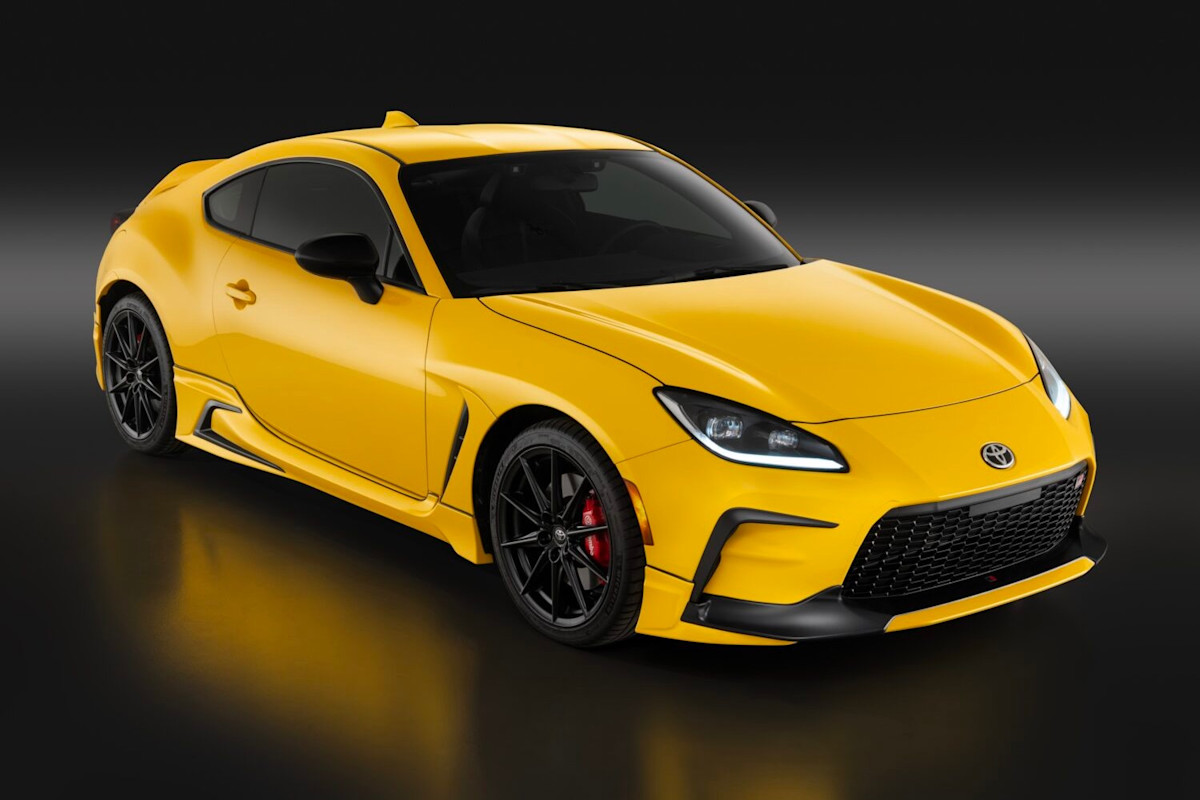
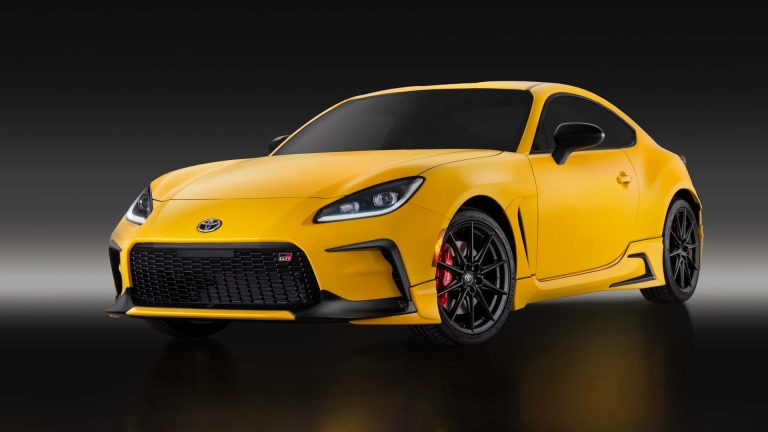
The Toyota GR86 has carved a unique niche in the automotive landscape, standing as a beacon for enthusiasts who prioritize pure, unadulterated driving pleasure over raw horsepower figures. Its lightweight chassis, communicative steering, and perfectly balanced rear-wheel-drive dynamics have made it a darling among those who believe driving is an art form. As the current generation (ZN8) matures, whispers and speculation inevitably turn to its successor. While Toyota remains tight-lipped about future models, the prospect of a 2026 Toyota GR86 ignites fervent discussion and eager anticipation.
This article delves into the speculative realm of the 2026 GR86’s potential release, exploring what enthusiasts might expect from its evolution. More importantly, it provides a comprehensive buying guide for those already dreaming of placing a deposit on the next iteration of Toyota’s beloved sports coupe.
Part 1: The Road Ahead – What to Expect from the 2026 Toyota GR86 (Speculative)
It’s crucial to preface this section by stating that any information regarding a 2026 GR86 is purely speculative, based on industry trends, Toyota’s typical product cycles, and the fervent wishes of the enthusiast community. Toyota has not officially announced any details for a model beyond the current generation. However, we can make educated guesses about the direction the company might take.
The current GR86, introduced for the 2022 model year, represented a significant evolution over its predecessor, the 86 (formerly GT86). It brought a larger 2.4-liter naturally aspirated boxer engine, boosting power to 228 hp and torque to 184 lb-ft – a welcome improvement that addressed the previous model’s perceived power deficit. For a 2026 model, Toyota faces the delicate task of enhancing the car without diluting its core philosophy.
1. Powertrain Enhancements: The Turbo Question (and Realistic Alternatives)
The most persistent rumor and fervent wish from fans is the addition of forced induction. A turbocharged GR86 would undoubtedly unlock significantly more power, potentially pushing output north of 280-300 hp. While appealing on paper, several factors make a turbocharger for the 2026 model less probable for a full redesign and more likely for a later mid-cycle refresh or a special edition.
- Cost and Complexity: Adding a turbocharger, intercooler, and all associated plumbing significantly increases manufacturing costs and engineering complexity. Toyota has always aimed to keep the GR86 relatively affordable.
- Weight and Balance: Turbos add weight, which can compromise the car’s celebrated balance and agility. The GR86’s lightweight nature is fundamental to its appeal.
- Emissions and Fuel Economy: While turbos can improve efficiency, integrating them into a naturally aspirated platform can be challenging for emissions compliance, especially in an evolving regulatory landscape.
More realistically, for a 2026 model, Toyota is likely to refine the existing 2.4-liter boxer engine. This could involve:
- Minor Power Bump: Optimized tuning, revised intake/exhaust systems, or slight compression ratio adjustments could yield a modest increase in horsepower and torque, perhaps pushing it closer to 240-250 hp.
- Improved Torque Delivery: Focusing on a broader, flatter torque curve, particularly in the mid-range, would enhance daily drivability and on-track performance without sacrificing the linear response of a naturally aspirated engine.
- Hybridization (Mild): This is a long shot for a pure sports car, but given Toyota’s commitment to hybridization, a mild-hybrid system (48V) could be explored. This would primarily offer torque fill at low RPMs, improving throttle response and potentially aiding fuel economy, without adding excessive weight or complexity. However, it’s more likely for a later generation than a 2026 refresh.
2. Chassis and Dynamics: Evolution, Not Revolution
The current GR86’s chassis is a marvel, praised for its rigidity and communicative nature. For 2026, expect iterative improvements rather than a complete overhaul, especially if it’s a mid-cycle refresh.
- Further Weight Reduction: Every gram counts. Toyota engineers will likely explore lighter materials in non-structural components or optimized design to shed a few more pounds, enhancing agility and responsiveness.
- Suspension Tuning: Refined suspension components, recalibrated dampers, and perhaps slightly stiffer anti-roll bars could further sharpen handling, improve body control, and enhance the car’s notorious "playfulness" at the limit.
- Steering Feel: While already excellent, continuous refinement of the electric power steering system could lead to even greater feedback and precision.
- Braking System: Minor upgrades to brake components or cooling could improve fade resistance for track enthusiasts.
3. Design Language: Modernization and Aerodynamics
The GR86’s design is a blend of aggressive sportiness and timeless coupe aesthetics. For 2026, expect a refresh to bring it in line with Toyota’s evolving design language, particularly that of the Gazoo Racing (GR) sub-brand.
- Front Fascia: Redesigned headlights (perhaps sharper LED signatures), a revised GR-specific grille, and more aggressive bumper styling could give it a fresher, more contemporary look. Aerodynamic efficiency will be a key consideration.
- Rear End: Updated taillight designs, a subtly reshaped bumper, and possibly a more integrated rear spoiler could feature.
- Side Profile: Likely to remain largely unchanged, preserving the classic coupe silhouette, though new wheel designs will certainly be on offer.
- Aerodynamics: Expect subtle tweaks to underbody panels, air curtains, and perhaps a functional front splitter or rear diffuser to improve downforce and reduce drag, benefiting both stability and fuel efficiency.
4. Interior and Technology: Comfort Meets Connectivity
The current GR86’s interior is driver-focused but can feel a bit sparse compared to more expensive rivals. The 2026 model will likely see significant upgrades here.
- Infotainment System: A larger, higher-resolution touchscreen infotainment system running Toyota’s latest software (similar to what’s found in the new Prius or Crown) is almost a certainty. Expect wireless Apple CarPlay and Android Auto to be standard.
- Digital Gauge Cluster: While the current digital cluster is good, a more customizable and visually appealing unit could be introduced, offering more telemetry options for track use.
- Material Quality: Expect improved soft-touch materials on the dash and door panels, along with enhanced trim pieces to elevate the cabin’s perceived quality.
- Advanced Driver-Assistance Systems (ADAS): Toyota Safety Sense will undoubtedly be updated, likely to version 3.0 or higher. This means enhanced pre-collision systems, adaptive cruise control, lane-keeping assist, and potentially a more sophisticated blind-spot monitoring system. These features are becoming standard even in sports cars.
- Ergonomics: Minor tweaks to seat design, steering wheel placement, and control layouts could further refine the driving position and usability.
Part 2: The Countdown Begins – 2026 GR86 Release Date Projections
Predicting exact release dates for unannounced models is challenging, but we can establish a plausible timeline based on Toyota’s typical product cycles and industry practices.
- Current Generation Lifespan: The current GR86 (ZN8) debuted as a 2022 model. Toyota typically maintains a generation for 5-7 years before a full redesign, with a mid-cycle refresh (facelift) usually occurring around the 3-4 year mark.
- Mid-Cycle Refresh Scenario: If the 2026 model is a mid-cycle refresh, we could see an official announcement and reveal sometime in late 2024 or early 2025. Production would likely begin in mid-2025, with vehicles arriving at dealerships by late 2025 as 2026 model year vehicles. This aligns perfectly with a "2026 GR86" designation.
- Next-Generation Scenario (Less Likely for 2026): If it were a complete redesign, the timeline would be longer. Announcements would likely come in late 2025, with production starting in 2026 for a 2027 model year vehicle. Given the relatively recent launch of the ZN8, a full redesign for 2026 seems premature. Therefore, a significant refresh is the most probable scenario.
Projected Timeline for a 2026 GR86 (Refresh):
- Official Teasers/Concept Unveil: Late 2024
- Full Production Model Reveal: Early 2025 (e.g., Chicago Auto Show, New York Auto Show, or a dedicated online event)
- Order Books Open: Mid-2025
- Production Start: Late Summer/Early Fall 2025
- Dealership Arrival: Late Fall 2025 – Early Winter 2026 (as 2026 model year vehicles)
Anticipated Pricing: Expect a modest increase over the current model. The current GR86 starts around $30,000. A 2026 refresh could see the base price start in the $32,000 – $35,000 range, depending on the extent of upgrades and market conditions. Special editions or higher trims could push towards $40,000.
Part 3: Your Ultimate 2026 GR86 Buying Guide
For those ready to embrace the thrill of the next GR86, a strategic approach is essential. This guide covers everything from pre-purchase research to post-purchase considerations.
1. Pre-Purchase Research: Laying the Groundwork
- Define Your Needs and Budget:
- Purpose: Is it a daily driver, a weekend toy, or a dedicated track machine? Your answer will influence trim, options, and even tire choices.
- Budget: Beyond the MSRP, consider taxes, registration, dealer fees, insurance, and long-term ownership costs (fuel, tires, maintenance). Sports car insurance can be significantly higher.
- Competitors: While the GR86 is unique, consider rivals like the Mazda MX-5 Miata (lighter, less power, convertible), its twin Subaru BRZ (subtly different suspension tuning), and perhaps used options like the Nissan Z or Supra if your budget allows.
- Stay Informed: Follow reputable automotive news outlets, Toyota’s official channels, and enthusiast forums. Information will trickle out before official announcements.
- Trim Levels (Hypothetical for 2026):
- Base Model (e.g., GR86): Likely to offer the core driving experience with essential features. Manual transmission will almost certainly be standard, with an automatic as an option.
- Premium (e.g., GR86 Premium): Adds comfort and tech features like larger wheels, upgraded tires, heated seats, improved infotainment, and potentially a better sound system.
- Special Edition/Track Package (e.g., GR86 Track Edition/TRUENO Edition): Toyota often releases limited editions. These could include performance enhancements like Brembo brakes, stickier tires (e.g., Michelin Pilot Sport 4S), unique aero, and bespoke interior touches. Be prepared for higher prices and increased exclusivity.
2. The Dealership Experience: Navigating the Purchase
- Finding a Reputable Dealer: Research dealerships known for fair pricing, good customer service, and a positive reputation, especially with performance vehicles.
- Test Drive (When Available):
- Engine & Transmission: Pay attention to throttle response, power delivery, clutch feel (if manual), and shifter throws. Test various RPM ranges.
- Steering: Evaluate steering weight, precision, and feedback. Does it communicate what the front wheels are doing?
- Suspension & Ride Quality: Test on various road surfaces. Is the ride too stiff for your daily commute? How does it handle bumps and corners?
- Brakes: Assess pedal feel, stopping power, and fade resistance.
- Interior Ergonomics: Ensure you can find a comfortable driving position. Check visibility, ease of access to controls, and infotainment usability.
- Noise, Vibration, Harshness (NVH): While a sports car isn’t meant to be silent, listen for excessive wind noise, road noise, or engine drone that could become fatiguing.
- Ordering vs. Buying Off the Lot:
- Ordering: If you want a specific color, trim, or options, ordering is your best bet. Be prepared for a waitlist, especially for a new or refreshed model. Deposits are usually required.
- Off the Lot: You might get lucky and find a desirable configuration, but popular models often sell quickly and may command markups.
- Negotiation:
- MSRP: Aim to pay close to MSRP. Dealer markups (ADM) can be common on highly anticipated models. Be prepared to walk away if the markup is unreasonable.
- Trade-in: Research your current vehicle’s value using sites like Kelley Blue Book or Edmunds before going to the dealer.
- Financing: Get pre-approved for a loan from your bank or credit union before visiting the dealership. This gives you leverage and a comparison point for dealer financing.
- Add-ons: Be wary of high-pressure sales for overpriced add-ons (paint protection, extended warranties, nitrogen in tires). Research their value and decline if unnecessary.
3. Financial Considerations: Beyond the Sticker Price
- Insurance: Get quotes before you buy. Sports cars, especially new ones, can have significantly higher premiums due to their performance potential and repair costs. Factors like your age, driving record, location, and desired coverage will play a major role.
- Fuel Costs: The GR86 requires premium unleaded fuel. Factor this into your monthly budget.
- Tires: Performance tires are essential for handling but wear faster and are more expensive to replace than standard all-season tires. Budget for new tires every 15,000-25,000 miles, depending on driving style.
- Maintenance: While Toyotas are generally reliable, performance vehicles require regular maintenance. Factor in oil changes, brake pad/rotor replacements, and other scheduled services.
- Resale Value: The GR86 and its predecessors have historically held their value well, which is a significant advantage for long-term ownership.
4. Post-Purchase Tips: Maximizing Your GR86 Experience
- Break-in Period: Follow Toyota’s recommendations for the break-in period (typically the first 1,000 miles). This usually involves avoiding high RPMs, hard acceleration, and sudden braking to allow engine components to seat properly.
- Owner’s Manual: Read it! It contains crucial information about your car’s features, maintenance schedule, and warranty.
- Enthusiast Community: Join online forums, local car clubs, and attend events. The GR86 community is vibrant and a great resource for tips, advice, and camaraderie.
- Modifications: If you plan to modify your GR86, research how it might affect your warranty. Stick to reputable brands and professional installers.
- Track Days/Autocross: If you’ve bought the GR86 for its performance, consider participating in track days or autocross events. It’s the best way to safely explore the car’s limits and improve your driving skills.
Conclusion: The Future is Bright for the Driver’s Car
The prospect of a 2026 Toyota GR86, even if a refresh, is exciting. It represents Toyota’s continued commitment to delivering an affordable, driver-focused sports car in an increasingly electrified and SUV-dominated market. While official details remain under wraps, enthusiasts can anticipate thoughtful enhancements to the powertrain, chassis, and interior, all while preserving the fundamental character that makes the GR86 so beloved.
For those considering a purchase, meticulous research, a strategic approach to the buying process, and a clear understanding of ownership costs will ensure a rewarding experience. The 2026 GR86 is poised to carry the torch for pure driving pleasure, and for the discerning enthusiast, it will undoubtedly be worth the wait.