The automotive landscape is a battlefield, a relentless arena where manufacturers vie for the hearts, minds, and wallets of consumers. Nowhere is this struggle more intense than in the compact SUV segment, a hotly contested space that serves as the bedrock of many brands’ sales charts. And in this gladiatorial contest, one name stands as the undisputed heavyweight champion: the Toyota RAV4.
For years, the RAV4 hasn’t just been a player; it’s been the benchmark, the segment leader, the vehicle against which all others are measured. Its recipe for success is deceptively simple: unwavering reliability, impressive practicality, admirable fuel efficiency (especially in hybrid guise), and a reputation for holding its value like few others. But the automotive world waits for no one, and with the current fifth-generation (XA50) RAV4 having debuted for the 2019 model year, the clock is ticking.
Enter the anticipated 2026 Toyota RAV4. As whispers turn to murmurs and concept sketches to engineering directives, the next-generation RAV4 is poised to make its grand entrance, promising to reset expectations and once again redefine what it means to be the "best SUV for the money." But the competition isn’t sitting idly by. Rivals have sharpened their claws, refined their offerings, and learned from Toyota’s playbook. The question isn’t just if the 2026 RAV4 will be good; it’s if it can maintain its iron grip on the value proposition in an increasingly sophisticated and diverse segment.
Let’s strap in and take a speculative yet informed look at what the 2026 RAV4 will likely bring to the table and how it will stack up against its formidable challengers in the quest for the ultimate family-friendly, budget-conscious SUV.
The Challenger: The Anticipated 2026 Toyota RAV4
Toyota operates on a principle of continuous improvement, often iterating on successful formulas rather than radical departures. The 2026 RAV4, likely built on an evolved version of the acclaimed TNGA-K platform, will embody this philosophy while pushing boundaries in key areas.
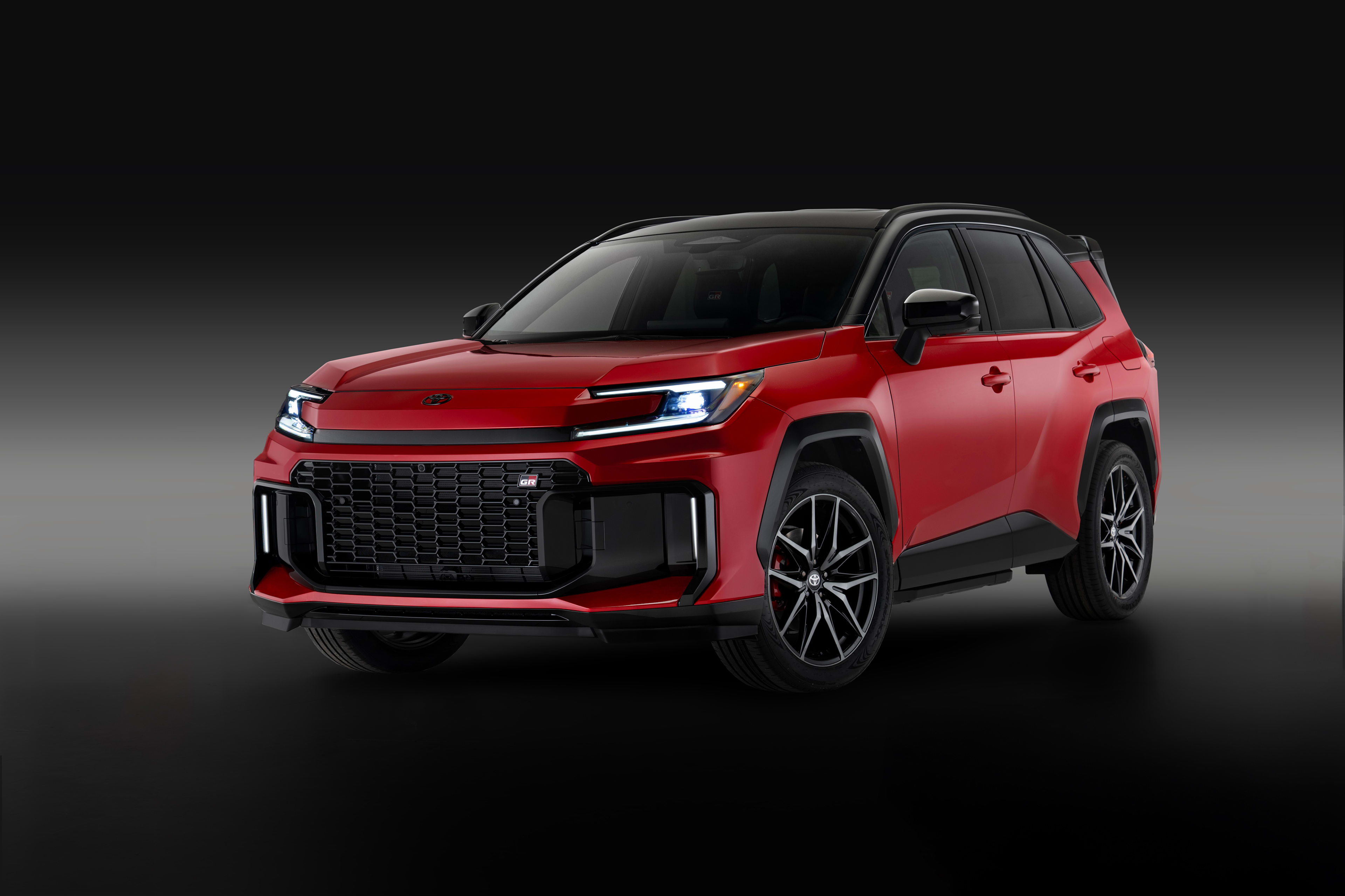
1. Design & Presence: Expect an evolution, not a revolution. The current RAV4’s rugged, truck-like aesthetic has been a hit, and Toyota won’t abandon it entirely. The 2026 model will likely feature sharper creases, more sophisticated LED lighting signatures (front and rear), and a slightly wider, more planted stance. Aerodynamics will be further refined, not just for fuel efficiency but to contribute to a quieter cabin. The Adventure and TRD Off-Road trims will undoubtedly lean into their rugged personas with unique fascias, increased ground clearance, and potentially more advanced off-road tech.
2. Interior & Technology: A Digital Revolution: This is where the 2026 RAV4 must make its biggest leap. The current model’s interior, while functional, is beginning to show its age compared to some rivals’ flashy digital cockpits. We anticipate:
- Larger, Integrated Infotainment: A generously sized, perhaps 10-12 inch, touchscreen display will be seamlessly integrated into the dashboard, running Toyota’s latest infotainment system with wireless Apple CarPlay and Android Auto as standard. Expect faster processors, crisp graphics, and more intuitive menu structures.
- Digital Instrument Cluster: A fully digital, customizable instrument cluster will likely replace the current analog/digital hybrid, offering drivers a wealth of information at their fingertips.
- Premium Materials & Ergonomics: While still a mass-market vehicle, an elevated sense of quality will be apparent through softer-touch materials on key surfaces, improved switchgear, and potentially more ambient lighting options. Ergonomics will remain a Toyota strong suit, with intuitive control layouts.
- Advanced Connectivity: Over-the-air (OTA) update capabilities, enhanced voice commands, and a suite of connected services (remote start, vehicle tracking, etc.) will be par for the course.
3. Powertrains: Hybrid Dominance, Prime Evolution: This is Toyota’s wheelhouse.
- Next-Gen Hybrid System: The bread and butter will be an evolution of Toyota’s fifth-generation hybrid system. Expect more power (likely exceeding the current 219 hp), even better fuel economy (potentially pushing into the low 40s MPG combined), and a smoother power delivery. The electronic AWD system will also see refinements for improved traction and responsiveness.
- RAV4 Prime (PHEV): The current Prime is a star, and the 2026 version will aim even higher. Anticipate an increase in all-electric range (current 42 miles could push past 50), more potent acceleration (sub-5.5 seconds 0-60 mph is possible), and even faster charging capabilities.
- Pure ICE: While the focus will be on electrification, a refined 2.5-liter naturally aspirated four-cylinder will likely remain for entry-level models, perhaps with minor efficiency tweaks.
4. Driving Dynamics & Ride Quality: The TNGA-K platform has already delivered improved handling and a more composed ride in the current RAV4. The 2026 iteration will further refine this, with potential enhancements to suspension tuning, increased body rigidity, and improved noise, vibration, and harshness (NVH) suppression. The goal will be a blend of comfortable daily driving with confident, predictable handling when the road gets twisty.
5. Safety & Reliability: Uncompromising Standards: Toyota Safety Sense (TSS) will undoubtedly evolve to its next iteration (TSS 4.0 or 5.0). This means more sophisticated adaptive cruise control, lane-keeping assist, enhanced pedestrian and cyclist detection, and potentially features like hands-free driving assist on certain highways (though less likely to be standard). Toyota’s legendary reliability will remain a core pillar of the RAV4’s appeal, contributing significantly to its long-term value.
The Gauntlet: Key Competitors
The 2026 RAV4 will enter a segment brimming with talent, each competitor bringing its own unique strengths to the table.
1. Honda CR-V: The Perennial Rival
- Strengths: The latest CR-V is a masterclass in refinement. It offers a spacious, comfortable interior, excellent build quality, and a highly efficient hybrid powertrain that gives the current RAV4 a run for its money. Its driving dynamics are smooth and composed, making it a pleasant daily driver. Honda’s reputation for reliability is second only to Toyota’s.
- Challenges for RAV4: The CR-V’s interior design is arguably more cohesive and premium-feeling than the current RAV4’s. Its hybrid system is incredibly refined.
- RAV4’s Edge: Toyota’s hybrid system often delivers slightly better real-world fuel economy. The RAV4’s more adventurous styling might appeal to those seeking something less conservative. The RAV4 Prime has a significant performance and EV range advantage over the CR-V Hybrid.
2. Hyundai Tucson / Kia Sportage: The Disruptors
- Strengths: These Korean twins have revolutionized the segment with their audacious styling, feature-packed interiors, and impressive technology offerings. They boast available hybrid and plug-in hybrid powertrains, a generous warranty (10-year/100,000-mile powertrain), and often undercut rivals on price for comparable equipment. Their interiors are often more visually striking and technologically advanced than the current RAV4.
- Challenges for RAV4: Unbeatable warranty, eye-catching design, and a strong value proposition with loads of tech. Their PHEV offerings are competitive.
- RAV4’s Edge: Toyota’s long-term reliability and resale value are still unmatched. Some might find the Hyundai/Kia styling polarizing. Toyota’s hybrid systems are arguably more proven over time.
3. Mazda CX-50 (and CX-5): The Driver’s Choice with a Rugged Twist
- Strengths: Mazda prioritizes driving dynamics, and the CX-50 (and its more urban sibling, the CX-5) deliver. They offer a premium interior experience, high-quality materials, and a more engaging ride than many competitors. The CX-50 also offers a robust turbo engine option and a more rugged aesthetic.
- Challenges for RAV4: Superior driving feel, a more upscale interior ambiance, and a genuinely premium feel for the price.
- RAV4’s Edge: Mazda lacks a dedicated hybrid or PHEV option (though a mild-hybrid could be integrated). Cargo space is generally less generous. Resale value, while good, typically trails Toyota. The RAV4 is arguably more focused on practicality and efficiency.
4. Subaru Forester / Outback: The Adventure-Seeker’s Friend
- Strengths: Subaru’s unwavering commitment to standard Symmetrical All-Wheel Drive, excellent outward visibility, and top-tier safety ratings (thanks to EyeSight) makes them compelling. They excel in off-pavement capability within the segment and offer genuinely practical, roomy interiors. The Outback, in particular, blends SUV ruggedness with wagon-like driving dynamics.
- Challenges for RAV4: Superior standard AWD, often better ground clearance, and a reputation for go-anywhere capability.
- RAV4’s Edge: Subaru’s powertrains (especially the base naturally aspirated engine) can feel less refined and powerful than Toyota’s. Fuel economy, especially without a strong hybrid option, can lag. Interior tech sometimes feels a generation behind.
Head-to-Head: The Value Equation
The "best SUV for the money" isn’t just about the sticker price; it’s a holistic assessment of initial cost, features, fuel economy, reliability, maintenance, and perhaps most crucially, resale value.
- Initial Price & Features: The 2026 RAV4 will likely see a modest price increase over the current generation, reflecting its enhanced technology and refinement. However, Toyota is masterful at packaging desirable features, especially safety tech (TSS), as standard or affordable options. While Hyundai/Kia might offer more "wow" factor tech for the money, the RAV4 will counter with proven systems and seamless integration.
- Fuel Economy: This will remain a RAV4 stronghold, particularly with its advanced hybrid and Prime offerings. It’s difficult for most competitors to match Toyota’s consistent 38-40+ MPG combined in real-world driving. The Prime’s electric range offers significant savings for many commuters.
- Reliability & Maintenance: This is where Toyota earns its stripes. Year after year, Toyota vehicles consistently rank at the top for long-term reliability. This translates directly into lower ownership costs through fewer unscheduled repairs and predictable maintenance. This inherent trustworthiness is a huge part of its value proposition.
- Resale Value: Toyota is the undisputed king of resale value. A new RAV4 owner can be confident that their vehicle will retain a significant portion of its original purchase price years down the line. This dramatically reduces the true cost of ownership and is a massive advantage over nearly every competitor. While Hyundai/Kia have improved, and Honda/Subaru are strong, they rarely match Toyota.
- Driving Experience & Practicality: The 2026 RAV4 will aim for a balanced driving experience – comfortable, composed, and efficient, with enough power to satisfy most. Its interior space, particularly for cargo, is expected to remain highly competitive. While Mazda might offer a more engaging drive, and the CR-V a slightly more refined cabin, the RAV4 typically hits the sweet spot for the broadest range of buyers.
Conclusion: The Reign Continues?
The 2026 Toyota RAV4 faces a more competitive landscape than ever before. Rivals like the Honda CR-V offer compelling refinement, Hyundai and Kia bring audacious design and tech, Mazda delivers driving enjoyment, and Subaru offers unparalleled AWD capability. Each has a strong argument for being a "best SUV for the money" in certain aspects.
However, the 2026 Toyota RAV4 is not just a refresh; it’s an evolution. By addressing its current shortcomings (primarily interior tech and material quality) while doubling down on its strengths (hybrid efficiency, legendary reliability, and unmatched resale value), the next-generation RAV4 is poised to once again solidify its position.
Will it be the flashiest? Perhaps not. The most powerful? Likely not. But in the nuanced equation of "best SUV for the money" – balancing initial cost, features, fuel economy, long-term dependability, and residual value – the 2026 Toyota RAV4 is almost certainly going to emerge as a truly dominant force. It understands what the majority of buyers truly want: a reliable, efficient, practical, and technologically relevant vehicle that won’t break the bank to own or sell.
The segment will undoubtedly continue to evolve, but the 2026 Toyota RAV4 is primed not just to compete, but to lead, offering a compelling blend of everything a modern compact SUV buyer could desire. The crown, it seems, will remain firmly affixed atop the RAV4’s head, at least for the foreseeable future. Get ready for the next chapter of an automotive legend.