The automotive landscape is a constantly shifting tapestry of innovation, ambition, and fierce competition. Amidst this dynamic environment, certain vehicles carve out niches of unwavering loyalty, becoming synonymous with reliability, practicality, and enduring value. The Honda Pilot is undoubtedly one such vehicle. For generations of families, it has been the dependable workhorse, the comfortable road-tripper, and the safe haven.
Now, as we look towards the middle of the decade, the automotive rumor mill is beginning to hum with whispers of a significant evolution. While the current, fourth-generation Pilot (introduced for the 2023 model year) is a highly competent and well-received machine, Honda’s typical product cycle suggests that a substantial refresh or even a full redesign could be on the horizon for the 2026 model year. This isn’t just about minor tweaks; it’s about a comprehensive reimagining to keep the Pilot at the forefront of the hyper-competitive three-row SUV segment.
For those considering a new family vehicle in the coming years, understanding the potential trajectory of the 2026 Honda Pilot is paramount. This article aims to delve into the anticipated release date, explore the likely advancements, and provide a comprehensive buying guide to help you navigate the excitement surrounding this eagerly awaited future model.
The Current Landscape: Setting the Stage for the 2026 Pilot
Before we peer into the crystal ball, it’s essential to acknowledge the foundation upon which the 2026 Pilot will be built. The current fourth-generation Pilot, launched for 2023, represented a significant step forward. It adopted a more rugged, truck-like aesthetic, moving away from the softer lines of its predecessor. Under the hood, it retained a familiar 3.5-liter V6 engine, albeit with updates, paired with a 10-speed automatic transmission. Its interior saw a significant upgrade in technology and materials, and the Trailsport trim brought genuine off-road capability to the lineup.
Despite its strengths – excellent passenger and cargo space, strong resale value, and Honda’s reputation for reliability – the automotive world never stands still. Competitors like the Kia Telluride, Hyundai Palisade, Toyota Grand Highlander, and Mazda CX-90 continue to push boundaries in terms of design, technology, and powertrain options, especially with the increasing focus on electrification. This relentless pursuit of progress is precisely why Honda is unlikely to rest on its laurels, making a compelling case for a 2026 model that addresses emerging trends and future-proofs the Pilot for years to come.
Anticipating the 2026 Honda Pilot: What to Expect
Predicting the exact specifications of a vehicle still a few years out is akin to reading tea leaves. However, by observing Honda’s recent product launches, industry trends, and strategic moves, we can paint a fairly accurate picture of what the 2026 Honda Pilot is likely to bring to the table.
1. Evolutionary Design, Revolutionary Presence
Honda has been refining its design language across its SUV lineup. The latest CR-V and HR-V showcase a blend of modern sophistication and subtle ruggedness. We can expect the 2026 Pilot to follow suit, likely retaining the more upright, confident stance of the current generation but with more refined details.
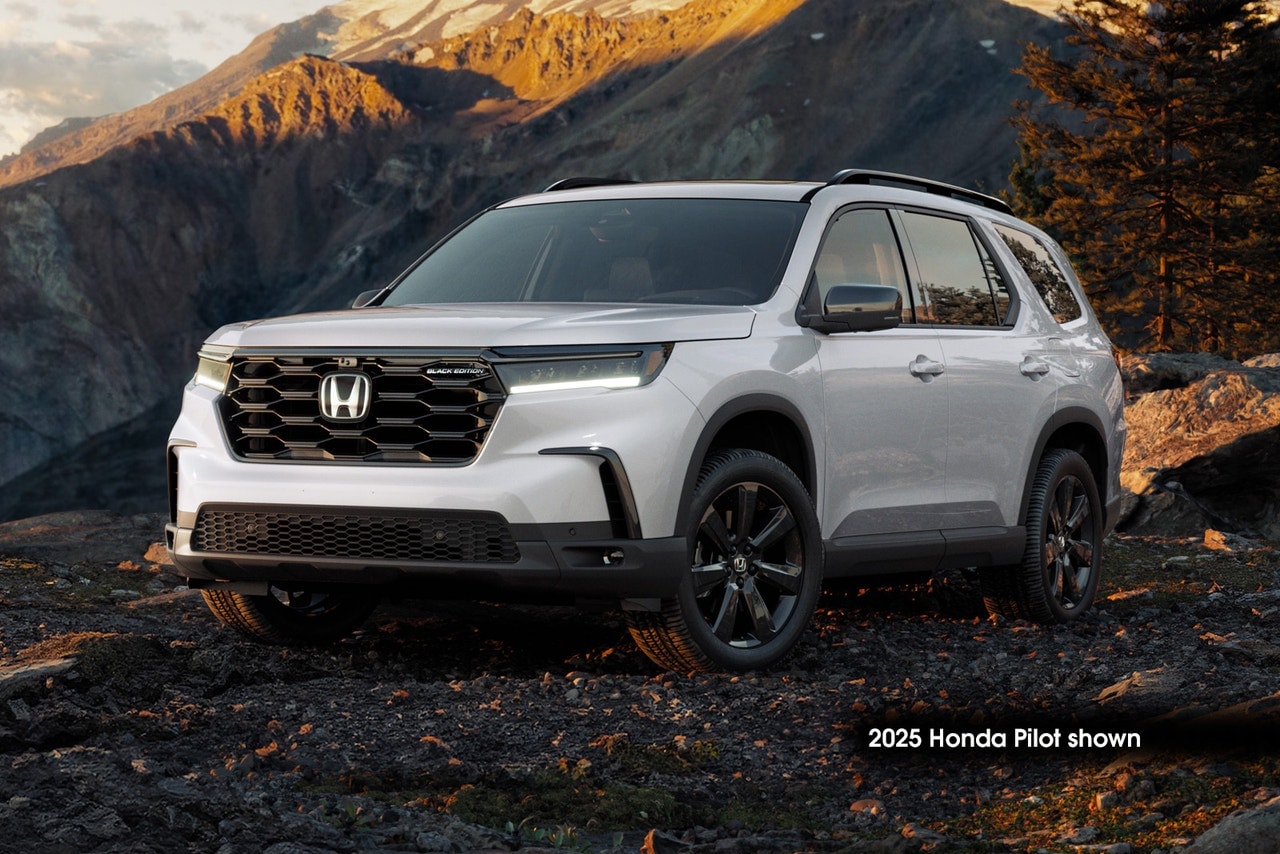
- Exterior: Expect sharper lines, a more pronounced grille design that integrates seamlessly with sleeker LED headlights, and possibly a more athletic roofline. Aerodynamics will undoubtedly play a larger role, potentially influencing subtle design cues for improved fuel efficiency. The Trailsport variant will likely continue, pushing the envelope with even more aggressive styling, all-terrain tires, and functional skid plates.
- Interior: This is where Honda often shines in terms of practicality and user-friendliness. The 2026 Pilot’s cabin is anticipated to be a significant leap forward in terms of digital integration and premium materials. Expect larger, more responsive infotainment screens (potentially Google Built-in as seen in other Honda models), a fully digital instrument cluster, and an even more minimalist dashboard design to reduce clutter. High-quality soft-touch materials, improved switchgear, and ambient lighting will elevate the perceived luxury. The focus on clever storage solutions and easy third-row access, hallmarks of the Pilot, will almost certainly be enhanced.
2. Powertrain Electrification: The Hybrid Imperative
This is perhaps the most significant area of anticipated change. While the current V6 is a proven workhorse, the industry is rapidly moving towards electrification for improved fuel economy and reduced emissions.
- Hybrid Power: It’s almost a certainty that the 2026 Honda Pilot will offer a robust hybrid powertrain option, possibly even as the standard offering or a prominent trim level. Honda’s excellent e:HEV hybrid system, already deployed in models like the CR-V, could be adapted for the larger Pilot, delivering a compelling blend of power and efficiency. This system typically pairs an Atkinson-cycle four-cylinder engine with electric motors, offering smooth power delivery and impressive mpg figures.
- Potential for PHEV: While less certain, a Plug-in Hybrid Electric Vehicle (PHEV) variant is a distinct possibility. A PHEV Pilot would offer a significant all-electric range, catering to commuters and those looking to minimize their carbon footprint while retaining the flexibility of gasoline for longer trips. This would align Honda with competitors like the Mazda CX-90 PHEV and potentially a future Toyota Grand Highlander PHEV.
- Turbocharged Four-Cylinder? Honda could also introduce a smaller, turbocharged four-cylinder engine as a base option, offering a balance of performance and efficiency for buyers who aren’t quite ready for a hybrid. The venerable 3.5-liter V6, if it remains, would likely be heavily revised for greater efficiency and potentially paired with a mild-hybrid system.
3. Advanced Technology and Safety Features
Honda has consistently been at the forefront of automotive safety and technology. The 2026 Pilot will undoubtedly push these boundaries further.
- Honda Sensing Suite: The next generation of Honda Sensing will likely be standard across all trims, offering enhanced capabilities. This could include improved adaptive cruise control with traffic jam assist, more sophisticated lane-keeping assistance, and potentially features like automatic lane change assist and advanced parking systems. Driver attention monitoring will also likely become more precise.
- Connectivity: Wireless Apple CarPlay and Android Auto will be standard, along with multiple USB-C charging ports throughout the cabin. Over-the-air (OTA) updates for infotainment and vehicle software will become more commonplace, ensuring the Pilot remains current.
- Comfort and Convenience: Expect ventilated front seats, heated rear seats, a panoramic sunroof, and potentially a head-up display to be available on higher trims. Digital key functionality, allowing your smartphone to act as a key, is also a strong possibility.
4. Refined Platform and Driving Dynamics
The current Pilot utilizes a robust platform, shared with the Ridgeline pickup. For 2026, Honda will likely refine this architecture, focusing on enhanced rigidity, reduced noise, vibration, and harshness (NVH), and improved ride comfort.
- Driving Experience: Expect a more engaging driving experience, even for a family SUV. Honda is known for its balanced chassis tuning, and the 2026 Pilot should offer precise steering, stable handling, and a composed ride that absorbs road imperfections with ease.
- i-VTM4 AWD System: Honda’s intelligent Variable Torque Management (i-VTM4) all-wheel-drive system, which can actively send power to individual rear wheels, will undoubtedly be carried over and potentially enhanced, offering even better traction and off-road capability, especially in the Trailsport variant.
The All-Important 2026 Honda Pilot Release Date
Pinpointing an exact release date this far out is challenging, as automotive development cycles can be subject to unforeseen delays. However, based on industry patterns and Honda’s typical cadence, we can make an educated estimation.
- Development & Spy Shots: We would likely start seeing camouflaged prototypes undergoing road testing in late 2024 or early 2025. These "spy shots" would offer the first glimpses of the new design and confirm the development is well underway.
- Official Reveal: Honda typically prefers to reveal new models several months before they hit dealership lots. A likely scenario would be an official unveiling in late 2025 or early 2026 at a major auto show (like Los Angeles or Detroit) or a dedicated online event.
- On-Sale Date: Following the reveal, production would ramp up. We could expect the 2026 Honda Pilot to arrive in dealerships and be available for purchase by mid-2026. This timeline allows for initial production, shipping to dealerships, and dealer training before the full marketing push.
It’s crucial for prospective buyers to monitor official Honda announcements and reputable automotive news outlets for the most accurate and up-to-date information as 2025 approaches.
Navigating the Purchase: Your 2026 Honda Pilot Buying Guide
Once the 2026 Honda Pilot is officially unveiled and its specifications confirmed, the real fun of planning your purchase begins. Here’s a comprehensive guide to help you make an informed decision.
1. Is the 2026 Pilot Right for You?
Before diving into trims and features, consider if the Pilot truly aligns with your needs.
- Target Audience: The Pilot is ideal for growing families, those who frequently carpool, individuals needing significant cargo space for hobbies or travel, and anyone prioritizing reliability, safety, and strong resale value in a three-row SUV.
- Key Strengths (Anticipated): Exceptional interior space and flexibility, robust safety features, fuel-efficient powertrain options (especially hybrid), comfortable ride, user-friendly technology, and Honda’s reputation for quality.
- Potential Considerations: While expected to be more refined, it’s still a large SUV. If you rarely use a third row or need extreme off-road prowess beyond what Trailsport offers, other vehicles might be a better fit.
2. Budgeting and Pricing Expectations
The new generation will undoubtedly come with a price increase over the current model.
- Estimated MSRP Range: The current Pilot starts around $38,000 and can exceed $53,000 for top trims. Expect the 2026 model to start in the low $40,000s for the base LX or Sport trim and potentially reach well over $58,000 for the fully loaded Elite or Black Edition, especially with advanced hybrid powertrains.
- Trim Level Impact: Be realistic about the features you need. Jumping up a trim level can add thousands to the price, so evaluate if the added comfort, tech, or styling elements are worth the extra cost for your budget.
- Financing vs. Leasing:
- Financing: Best if you plan to keep the vehicle for more than 3-5 years, drive high mileage, or prefer to build equity.
- Leasing: Ideal if you like to drive a new car every few years, prefer lower monthly payments, or want to avoid depreciation concerns. Be mindful of mileage limits.
3. Understanding the Trim Levels (Anticipated)
While exact names and feature sets will be confirmed closer to launch, Honda typically offers a well-defined hierarchy.
- LX/Sport (Entry-Level): These trims will offer the core Pilot experience. Expect the standard hybrid powertrain (if offered), the full Honda Sensing suite, essential infotainment (likely a 7-inch screen), and comfortable cloth seats. This is the value proposition, providing all the necessities without many frills.
- EX-L (Mid-Range Sweet Spot): Historically the most popular trim. This is where you start getting significant upgrades: larger infotainment screen (9-inch or more), leather upholstery, heated front seats, power liftgate, power-adjustable passenger seat, and perhaps wireless phone charging. It balances features and value exceptionally well.
- Touring/Elite (Luxury & Tech-Focused): These upper trims bring the full suite of luxury and technology. Expect a panoramic sunroof, premium audio system, navigation, ventilated front seats, heated second-row seats, hands-free power liftgate, 360-degree camera system, and potentially unique interior accents and larger alloy wheels. The Elite often adds exclusive features.
- Trailsport (Off-Road Capable): Building on the current success, the 2026 Trailsport will likely continue to be the adventurer’s choice. Expect rugged exterior styling, all-terrain tires, lifted suspension, skid plates, unique interior trim, and potentially advanced traction management modes. This trim offers genuine capability for light to moderate off-road excursions.
- Black Edition (Styling-Focused): If offered, this trim prioritizes aesthetic appeal with blacked-out exterior accents, unique wheels, and special interior badging.
4. Key Features to Prioritize
Decide what’s non-negotiable for your family:
- Safety: Honda Sensing will be standard, but consider if features like a 360-degree camera or blind-spot monitoring with rear cross-traffic alert (often on mid-to-upper trims) are essential for your peace of mind.
- Infotainment: How important is a large screen, navigation, or premium audio? If you rely heavily on your phone, wireless CarPlay/Android Auto might be enough.
- Comfort: Do you need heated/ventilated seats, a panoramic roof, or second-row captain’s chairs (often optional or standard on higher trims)?
- Capability: If you venture off the beaten path, the Trailsport’s enhanced AWD and ground clearance are key. If towing is a priority, ensure the chosen powertrain and trim meet your towing needs.
5. The Test Drive: Your Ultimate Evaluation
Once the 2026 Pilot is available, a thorough test drive is crucial.
- Bring the Family: If possible, bring your typical passengers (especially kids who will sit in the third row) to ensure everyone fits comfortably and has adequate legroom.
- Car Seats: If you use car seats, bring them along to test installation in various positions.
- Cargo Test: Bring items you frequently haul (stroller, sports gear, groceries) to see how they fit in the cargo area, especially with the third row up and down.
- Drive Route: Drive on a variety of roads: city streets, highways, and even some rougher patches if possible, to assess ride comfort, handling, and cabin quietness.
- Technology Check: Play with the infotainment system, connect your phone, and test out the Honda Sensing features in a safe manner.
- Visibility: Pay attention to outward visibility, especially for parking and lane changes.
6. Dealership Experience and Negotiation
- Research: Use online resources (Honda’s official site, automotive reviews) to understand current incentives and market values.
- Multiple Dealers: Contact several dealerships to compare offers. Don’t be afraid to negotiate on price, trade-in value, and financing rates.
- Trade-in: Get your current vehicle appraised at multiple locations or through online services to ensure you’re getting a fair price.
- Extended Warranties: Carefully consider if an extended warranty is right for you. Research third-party options as well.
7. Long-Term Ownership
Honda vehicles are known for their strong resale value and reliability. The 2026 Pilot is expected to continue this tradition.
- Maintenance: Stick to the recommended maintenance schedule to ensure longevity and optimal performance.
- Resale Value: A well-maintained Pilot with a clean title will likely command a strong resale price when it’s time to upgrade again.
Comparing the Competition
The 2026 Honda Pilot will face stiff competition in the three-row SUV segment. Key rivals include:
- Toyota Grand Highlander: A direct and formidable competitor, especially with its emphasis on spaciousness and hybrid powertrains.
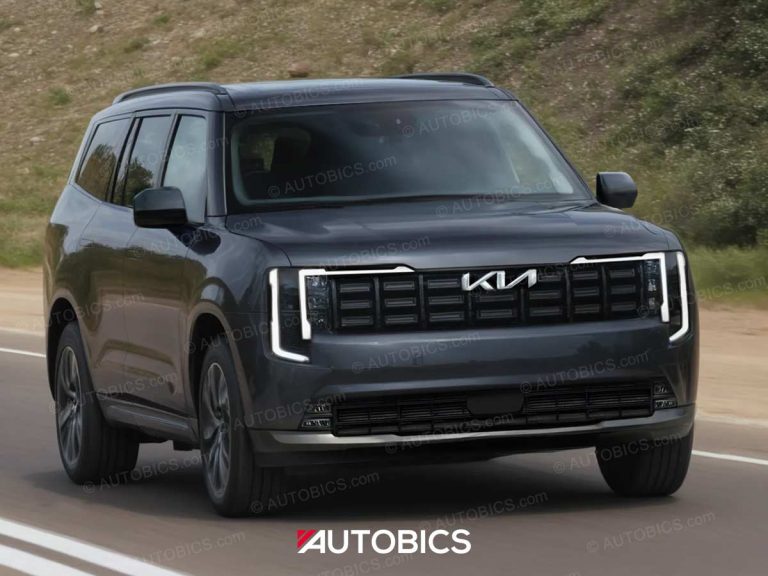
- Kia Telluride / Hyundai Palisade: These Korean twins offer striking design, premium interiors, and excellent value.
- Mazda CX-90: A newer entrant with a focus on premium driving dynamics, inline-six engines, and a PHEV option.
- Chevrolet Traverse / GMC Acadia: American alternatives offering strong V6 power and ample space.
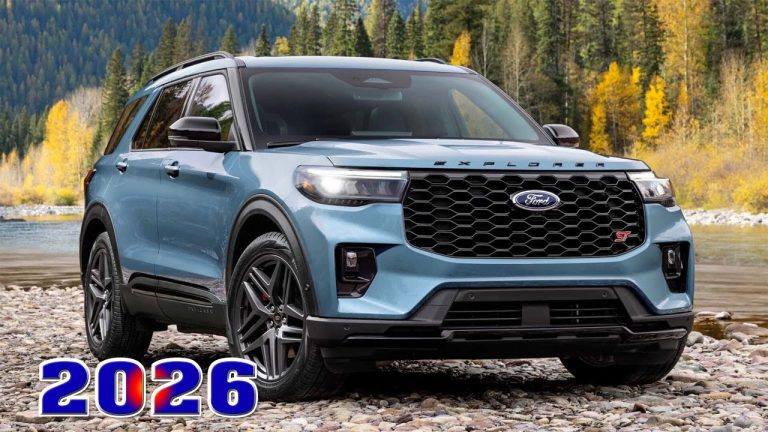
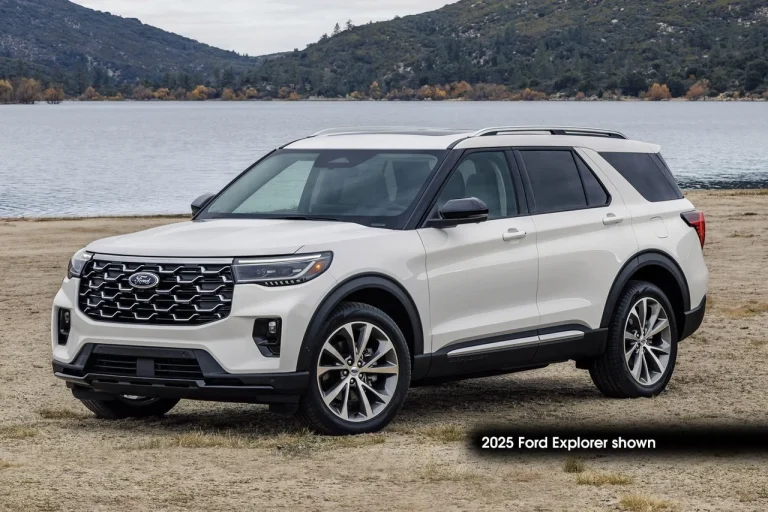
- Ford Explorer: Another long-standing rival with a variety of powertrain options and an available ST performance trim.
The 2026 Pilot will need to differentiate itself through its expected blend of Honda reliability, thoughtful interior design, potentially class-leading fuel economy with its hybrid options, and advanced safety features to stand out in this crowded field.
Conclusion: The Future of Family Hauling
The 2026 Honda Pilot represents more than just another model year refresh; it’s anticipated to be a thoughtful evolution designed to meet the demands of modern families and a rapidly changing automotive world. With expected advancements in design, a strong focus on electrification, and cutting-edge technology, the next-generation Pilot is poised to continue its legacy as a benchmark in the three-row SUV segment.
For those in the market for a versatile, reliable, and forward-thinking family vehicle in the mid-2020s, the 2026 Honda Pilot will undoubtedly be a compelling option. While the full picture will only emerge closer to its official reveal in late 2025 or early 2026, the anticipation is already building. Prepare to be impressed, as Honda readies its next-generation Pilot to carry families into the future, one comfortable and confident mile at a time. Stay tuned, as the journey to the 2026 Pilot is just beginning to unfold.