The Hyundai Sonata has long been a stalwart in the fiercely competitive mid-size sedan segment, consistently offering a compelling blend of style, technology, and value. As we look ahead to the 2026 model year, anticipation builds around how Hyundai will evolve this iconic nameplate. For enthusiasts and prospective buyers navigating the ever-changing automotive landscape, understanding the Top Features of the 2026 Hyundai Sonata will be crucial in making an informed decision. This article will delve deep into what we expect from the next iteration of this popular sedan, covering everything from its anticipated design to its cutting-edge technology and performance capabilities.
Hyundai has a strong track record of pushing boundaries, and the Sonata has often served as a showcase for the brand’s latest innovations. Building on the significant refresh seen in 2024, the 2026 model is poised to further refine its appeal, cementing its position as a top contender against both traditional sedans and the growing wave of crossovers. Whether you’re a long-time Sonata fan or considering a Hyundai for the first time, this comprehensive guide will highlight the features that are set to define the 2026 Sonata experience, helping you determine if it’s the right vehicle for your lifestyle.
Overview: Anticipating the 2026 Hyundai Sonata’s Evolution
The 2026 Hyundai Sonata is expected to represent a sophisticated evolution rather than a revolutionary overhaul, building upon the strong foundations laid by its predecessors. Hyundai’s strategy typically involves iterative enhancements, especially following a major refresh. Therefore, we anticipate the 2026 Sonata to refine its aggressive styling, elevate its interior luxury, integrate even more advanced technology, and potentially enhance its powertrain offerings for improved efficiency and performance.
Key highlights we expect to see include an even more striking exterior design, a cabin focused on digital integration and premium comfort, a suite of advanced safety features that set new benchmarks, and a range of efficient yet engaging powertrain options. The brand’s commitment to providing exceptional value for money is also expected to continue, making the Top Features of the 2026 Hyundai Sonata accessible to a broad audience.
Exterior Design and Styling: A Vision of Modernity
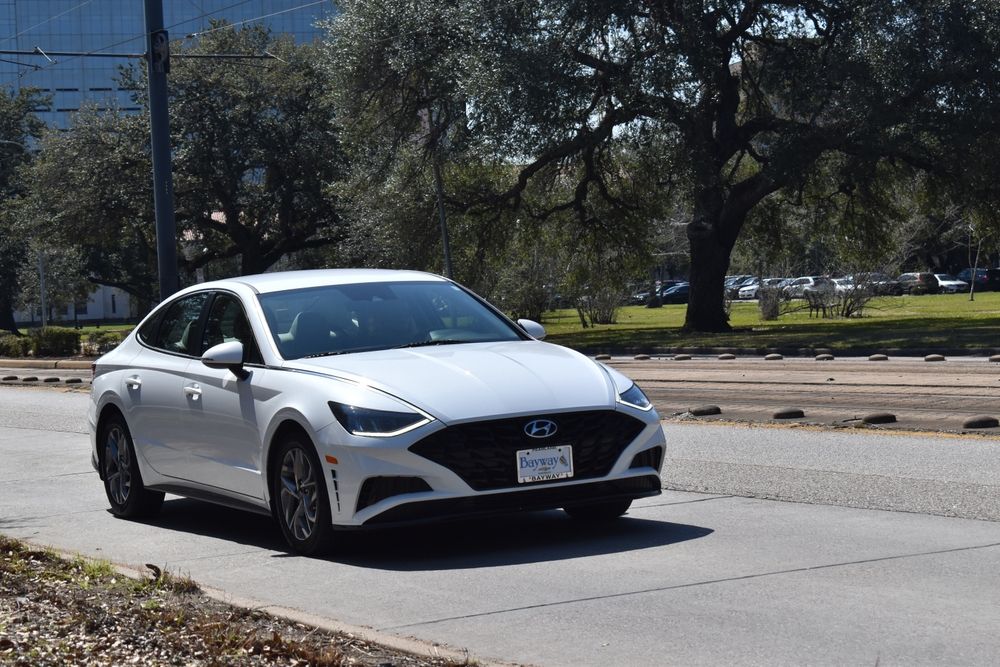
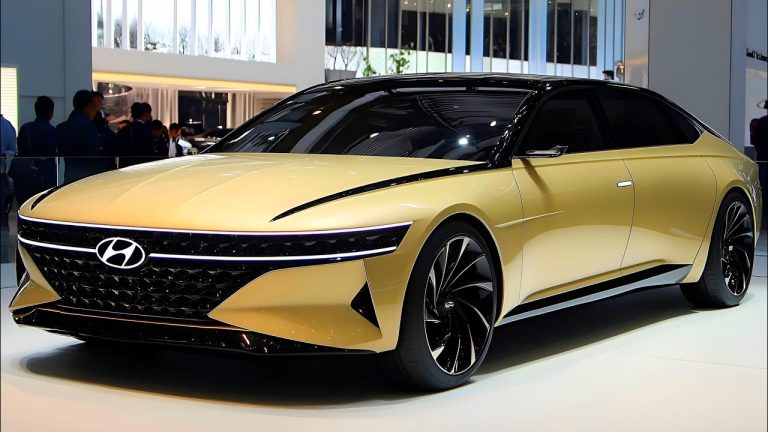
Hyundai has consistently impressed with its "Sensuous Sportiness" design philosophy, and the 2026 Sonata is set to further embody this aesthetic. Building on the significant design updates of the 2024 model, which introduced a more aggressive, sportier facade, the 2026 Sonata will likely refine these elements. We anticipate a sleeker, more aerodynamic profile, characterized by sharp character lines and a fastback-like roofline that blurs the lines between a sedan and a coupe.
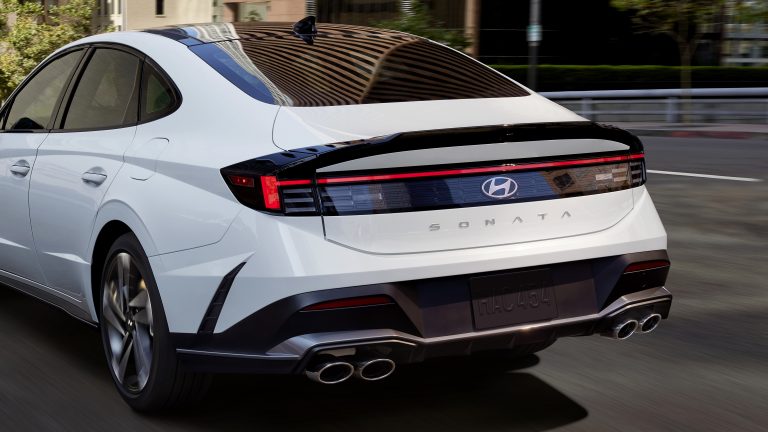
One of the most distinctive design elements will undoubtedly be the lighting signature. Expect a refined version of Hyundai’s "seamless horizon lamp" – a full-width LED light bar that spans the front fascia, creating an unmistakable and futuristic identity. This will likely be complemented by hidden or subtly integrated headlamps, contributing to a clean and sophisticated front-end design. At the rear, redesigned LED taillights, possibly connected by another full-width light bar, will enhance the car’s visual width and premium feel.
Wheel options will also play a crucial role in the Sonata’s curb appeal. We expect a range of striking alloy wheel designs, potentially up to 19 or 20 inches on higher trims, featuring intricate patterns and aerodynamic enhancements. The N Line variant, in particular, will likely feature unique styling cues such as larger air intakes, specific grille designs, and distinctive exhaust outlets to emphasize its performance credentials. The overall effect will be a sedan that stands out from the crowd, exuding confidence and dynamic appeal.
Interior, Space, and Comfort: A Sanctuary of Sophistication
Step inside the 2026 Hyundai Sonata, and you’re expected to find a cabin that marries cutting-edge technology with premium comfort and thoughtful design. Hyundai has been pushing boundaries with its interior layouts, and the 2026 Sonata will likely feature a driver-centric cockpit that feels both modern and intuitive.
Central to the interior experience will be a large, curved panoramic display that seamlessly integrates the digital instrument cluster and the infotainment touchscreen. This dual-screen setup, already seen in other Hyundai and Kia models, is expected to offer crisp graphics, quick response times, and customizable layouts. Materials throughout the cabin are anticipated to be of a higher quality, with soft-touch surfaces, elegant trim options (such as brushed aluminum or open-pore wood accents), and available premium upholstery like Nappa leather.
Seating comfort will be a priority, with ergonomically designed front seats offering excellent support for long journeys, potentially with advanced features like ventilation, heating, and even massage functions on top trims. Rear passenger space has historically been a strong suit for the Sonata, and the 2026 model is expected to continue this tradition, offering ample legroom and headroom for adults. The cabin will also likely benefit from enhanced sound insulation, creating a quieter and more refined environment. Practicality will be addressed with smart storage solutions, a spacious trunk, and a versatile rear seat that can be folded down for increased cargo capacity, making the Sonata a practical choice for families and individuals alike.
Technology and Infotainment: Connectivity at Your Fingertips
The 2026 Hyundai Sonata is poised to be a technological powerhouse, offering a suite of features designed to enhance connectivity, convenience, and entertainment. The aforementioned integrated display will serve as the hub for a next-generation infotainment system, likely powered by a faster processor and offering more intuitive menus.
Key technological features are expected to include:
- Wireless Apple CarPlay and Android Auto: Seamless smartphone integration will likely be standard across most, if not all, trims, eliminating the need for cumbersome cables.
- Advanced Voice Recognition: An improved natural language voice assistant will allow drivers to control various vehicle functions, navigation, and media with simple spoken commands.
- Over-the-Air (OTA) Updates: This feature will enable the vehicle’s software to be updated wirelessly, ensuring access to the latest features and bug fixes without a trip to the dealership.
- Digital Key 2.0: Expanding on Hyundai’s innovative digital key, this enhanced version will allow owners to use their smartphone or smartwatch to unlock, start, and share access to their vehicle more securely and conveniently.
- Augmented Reality Navigation: Higher trims might offer an AR-enhanced navigation system that overlays turn-by-turn directions onto a live camera feed of the road ahead, providing a highly intuitive navigation experience.
- Premium Audio System: Expect an available high-fidelity audio system, possibly from a renowned brand like Bose or Harman Kardon, delivering an immersive sound experience.
- Wireless Charging Pad: A conveniently located wireless charging pad will keep compatible devices powered up without clutter.
- Multiple USB-C Ports: Catering to modern device charging needs, expect a generous array of USB-C ports throughout the cabin.
These features, among others, will ensure that the 2026 Sonata remains at the forefront of automotive technology, offering a connected and engaging experience for all occupants.
Engine / Powertrain, Performance, and Fuel Economy
Hyundai typically offers a range of powertrain options to cater to different driver preferences, and the 2026 Sonata is expected to continue this tradition, focusing on a balance of performance and efficiency.
- Standard Gasoline Engines: We anticipate the continuation of efficient gasoline engines, possibly a refined 2.5-liter naturally aspirated four-cylinder and a more potent 1.6-liter turbocharged four-cylinder. These engines, paired with smooth-shifting automatic transmissions (likely an 8-speed automatic), will offer a good balance of everyday performance and competitive fuel economy figures, perhaps seeing minor improvements in efficiency through optimization.
- Hybrid Powertrain: The Sonata Hybrid has been a popular choice, and the 2026 model is expected to feature an even more advanced hybrid system. This will likely combine a 2.0-liter four-cylinder engine with an electric motor, delivering impressive fuel economy ratings, potentially approaching 50 MPG combined. The hybrid system will also offer smooth power delivery and the ability to drive on electric power alone for short distances at low speeds.
- N Line Performance: For those seeking a more spirited driving experience, the Sonata N Line is expected to return with its robust 2.5-liter turbocharged four-cylinder engine. This powertrain typically delivers around 290 horsepower and 311 lb-ft of torque, paired with an 8-speed wet dual-clutch transmission. The N Line will also feature a sport-tuned suspension and other performance enhancements, making it a true "sport sedan" for enthusiasts.
Hyundai’s commitment to efficiency will likely see the integration of further aerodynamic refinements and engine technologies across the range to maximize fuel economy without compromising on performance.
Safety and Driver-Assistance Features: Hyundai SmartSense Elevated
Safety remains a paramount concern for car buyers, and the 2026 Hyundai Sonata is expected to set a high standard with an even more comprehensive suite of Hyundai SmartSense safety and driver-assistance features. Building on an already robust package, the 2026 model will likely feature enhanced versions of existing technologies and introduce new ones.
Key safety features are anticipated to include:
- Enhanced Forward Collision-Avoidance Assist (FCA): This system will likely gain improved pedestrian and cyclist detection, as well as junction turning and crossing capabilities, actively intervening to prevent or mitigate collisions.
- Highway Driving Assist 2 (HDA 2): A more advanced semi-autonomous driving system that combines adaptive cruise control with lane-keeping assist, offering smoother lane changes and improved performance in various highway conditions.
- Blind-Spot View Monitor (BVM) and Blind-Spot Collision-Avoidance Assist (BCA): BVM displays a live video feed of the blind spots in the instrument cluster, while BCA can apply braking to help prevent collisions when changing lanes.
- Remote Smart Parking Assist (RSPA): This innovative feature allows the driver to remotely park or exit a parking spot using the key fob, particularly useful in tight spaces.
- Rear Cross-Traffic Collision-Avoidance Assist (RCCA): Alerts the driver and can apply brakes if a vehicle is detected approaching from the side when backing out of a parking space.
- Driver Attention Warning (DAW) with Leading Vehicle Departure Alert: Monitors driver behavior for signs of fatigue or inattention and alerts them, also notifying the driver when the vehicle ahead starts moving.
- Safe Exit Warning (SEW) and Safe Exit Assist (SEA): Warns occupants of approaching vehicles before opening doors and can even lock the rear doors to prevent children from opening them into traffic.
- Surround View Monitor (SVM): Provides a 360-degree view around the vehicle, making parking and maneuvering in tight spots much easier.
These advanced systems work in concert to provide an extra layer of protection and peace of mind, making the 2026 Sonata one of the safest vehicles in its class.
Trims, Pricing, and Value for Money
While specific details for the 2026 model are still speculative, Hyundai typically structures the Sonata lineup to offer a range of options that cater to different budgets and preferences, all while maintaining its reputation for strong value. We expect the 2026 Hyundai Sonata to be available in familiar trim levels such as SE, SEL, Limited, and the performance-oriented N Line, with the Hybrid option available on specific trims.
Pricing will likely see a modest increase from the previous model year, reflecting the advancements in technology, design, and features. However, even with these potential adjustments, the Sonata is expected to remain highly competitive within its segment. Hyundai’s strategy is to pack a significant amount of standard equipment into its vehicles, often offering features that are optional or reserved for higher trims in rival models. This approach ensures that even entry-level Sonatas provide a compelling ownership experience, while top trims deliver near-luxury levels of sophistication and technology without the premium price tag. The overall value proposition of the 2026 Hyundai Sonata will continue to be a major selling point.
Pros and Cons of the 2026 Hyundai Sonata
Every vehicle has its strengths and weaknesses, and the 2026 Hyundai Sonata, despite its anticipated advancements, will be no exception.
Pros:
- Striking and Modern Design: Expected to be one of the most visually appealing sedans on the market.
- Advanced Technology Suite: Cutting-edge infotainment, connectivity, and driver-assistance features.
- Comfortable and Spacious Interior: High-quality materials, excellent ergonomics, and ample room for passengers and cargo.
- Diverse Powertrain Options: Efficient gasoline, hybrid, and potent N Line variants cater to various needs.
- Comprehensive Safety Features: Hyundai SmartSense offers a leading array of active and passive safety technologies.
- Strong Value Proposition: Packed with features at a competitive price point.
- Excellent Warranty: Hyundai’s industry-leading warranty continues to be a major draw.
Cons:
- Styling Might Be Polarizing: While striking, its bold design might not appeal to everyone.
- No AWD Option: Unlike some rivals, the Sonata typically remains front-wheel drive, which might be a drawback for buyers in snowy climates. (Unless Hyundai surprises us for 2026).
- Hybrid Availability: The hybrid powertrain might only be available on specific trims, limiting choice.
- Performance vs. Rivals: While the N Line is strong, some competitors might offer more outright performance or a wider range of high-performance variants.
Rivals and Alternatives / Comparisons
The mid-size sedan segment, though shrinking in favor of SUVs, still boasts formidable competitors. The 2026 Hyundai Sonata will face stiff competition from:
- Toyota Camry: Known for its legendary reliability, strong resale value, and available AWD. The Camry typically offers a more conservative design but excellent hybrid efficiency.
- Honda Accord: Praised for its engaging driving dynamics, refined interior, and strong hybrid option. The Accord often appeals to those who prioritize a sporty feel.
- Kia K5: As a sibling model, the K5 shares many mechanical components with the Sonata but offers a distinct design language and a slightly different brand image. It’s a very close alternative.
- Subaru Legacy: The only mainstream mid-size sedan to offer standard AWD, making it a unique proposition for buyers in regions with harsh weather.
- Nissan Altima: Offers a comfortable ride and available AWD, though its interior and technology might not be as cutting-edge as the Sonata’s.
The Sonata differentiates itself with its avant-garde styling, advanced tech, and strong value, often offering a more distinct and modern personality compared to some of its more traditionally styled rivals.
Buying Tips and Who This Car Is Best For
If you’re considering the 2026 Hyundai Sonata, here are some tips:
- Assess Your Needs: Do you prioritize fuel economy? Look at the Hybrid. Do you crave performance? The N Line is your answer. Do you want a balanced daily driver? The 1.6T or 2.5L gas models will suffice.
- Test Drive Multiple Trims: Features and driving dynamics can vary significantly between trims, especially between a base model and the N Line.
- Consider the Technology: If cutting-edge infotainment and driver-assistance features are important to you, pay attention to the higher trims that offer the full suite of Hyundai SmartSense and connectivity.
- Compare Value, Not Just Price: Hyundai often includes features as standard that are optional on competitors. Factor this into your overall value assessment.
- Review Warranty and Ownership Costs: Hyundai’s excellent warranty and competitive maintenance costs add to the long-term value.
The 2026 Hyundai Sonata is best for:
- Tech-savvy individuals and families: Who appreciate advanced infotainment and safety features.
- Drivers seeking distinctive style: Its bold design will appeal to those who want to stand out.
- Value-conscious buyers: Who want a feature-rich car without breaking the bank.
- Commuters and long-distance travelers: Who desire comfort, efficiency (especially with the hybrid), and advanced driver aids.
- Performance enthusiasts (N Line): Who want a sporty sedan that offers exhilarating performance.
Final Verdict: The Enduring Appeal of the 2026 Hyundai Sonata
The 2026 Hyundai Sonata is poised to continue its legacy as a formidable contender in the mid-size sedan segment. By building upon its recent refresh and incorporating the latest advancements in design, technology, and safety, it promises to deliver a truly compelling package. The Top Features of the 2026 Hyundai Sonata—from its striking exterior and luxurious, tech-laden interior to its efficient powertrains and comprehensive safety suite—underscore Hyundai’s commitment to innovation and value.
While the automotive market continues to shift, the Sonata’s blend of style, substance, and affordability ensures its enduring appeal. For those seeking a modern, feature-packed, and engaging sedan that offers a distinctive alternative to its rivals, the 2026 Hyundai Sonata is set to be an outstanding choice, offering a driving experience that is both refined and exhilarating. Keep an eye on official announcements as we get closer to its release, but all signs point to the 2026 Sonata being a true highlight in its class.