The mid-size SUV segment is a battleground, a fiercely contested arena where practicality, efficiency, technology, and design clash for consumer dollars. For years, one name has consistently risen above the fray: the Toyota RAV4. It’s been a sales juggernaut, a byword for reliability, and a pioneer in hybrid technology within the mainstream. But as we peer into the automotive crystal ball towards 2026, a critical question looms: will the next-generation Toyota RAV4 still wear the crown as the "best SUV for the money" against an increasingly sophisticated and aggressive field of competitors?
Let’s buckle up and speculate on what the 2026 RAV4 might bring, and how it will stack up against the best the market has to offer in the ongoing pursuit of value.
The Anticipated 2026 Toyota RAV4: Evolution, Not Revolution (But With Key Upgrades)
While details for the 2026 RAV4 are, naturally, shrouded in secrecy, we can make highly educated guesses based on Toyota’s recent trends, generational refresh cycles, and the competitive landscape.
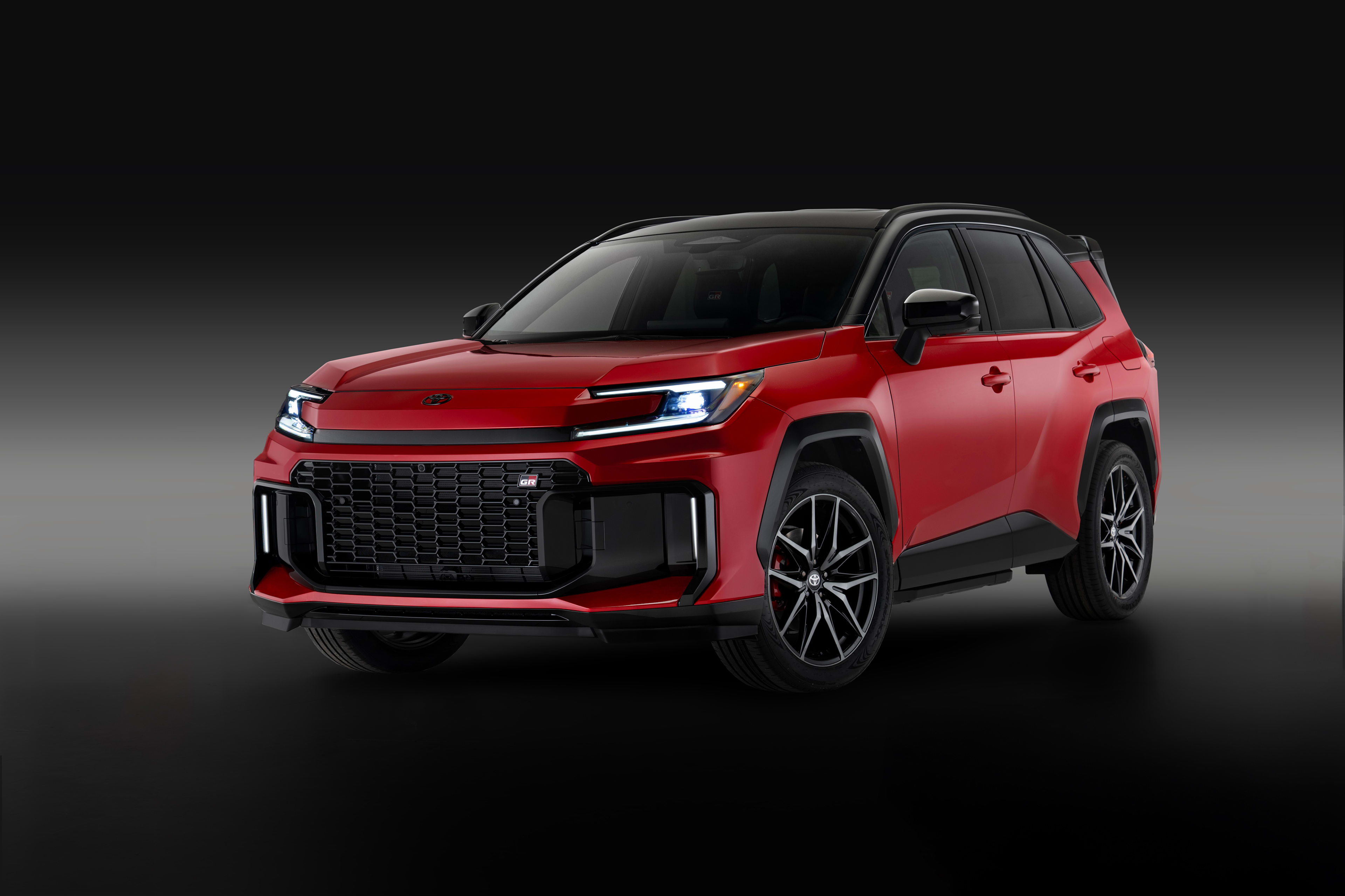
Platform and Design: Expect the 2026 RAV4 to ride on an evolved version of Toyota’s highly versatile TNGA-K platform. This architecture underpins everything from the Camry to the Highlander, offering excellent rigidity, safety, and a basis for dynamic driving. Design-wise, Toyota has been on a roll, injecting more character and modern aesthetics into models like the Prius, Crown, and even the new Land Cruiser. We anticipate the 2026 RAV4 to shed some of its current angularity for a sleeker, more refined, yet still rugged and adventure-ready look. Think integrated lighting signatures, cleaner lines, and perhaps a more aerodynamic profile to aid efficiency. The current generation’s robust stance will likely remain, perhaps with a touch more urban sophistication.
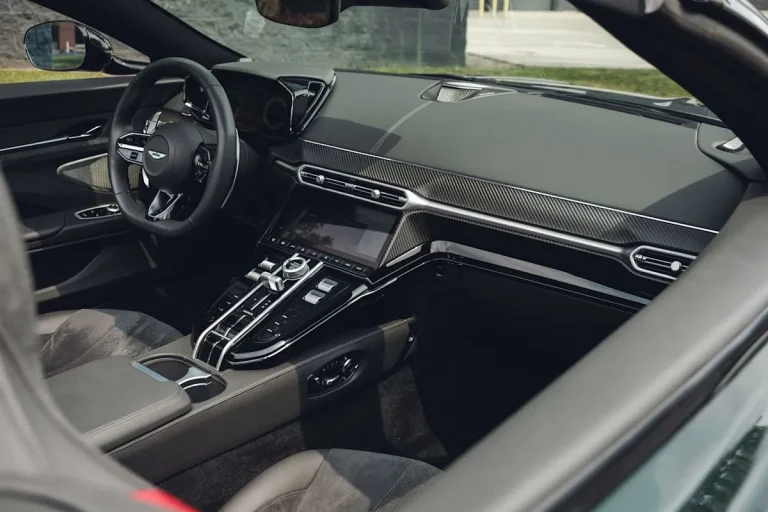
Interior and Technology: This is where the current RAV4, while practical, shows its age against newer rivals. The 2026 model must make significant strides here. Expect a thoroughly redesigned cabin with improved material quality, especially on touchpoints. The infotainment system will undoubtedly be upgraded, likely featuring a larger, seamlessly integrated touchscreen (10-inch minimum, perhaps 12.3-inch on higher trims) running the latest Toyota Audio Multimedia system – a vast improvement over previous iterations. Wireless Apple CarPlay and Android Auto, a customizable digital gauge cluster, and an abundance of USB-C ports will be standard or widely available. Expect advanced ambient lighting, improved ergonomics, and potentially more sustainable interior materials to align with modern consumer expectations. Toyota Safety Sense (TSS) will also see an upgrade, likely to TSS 4.0 or beyond, offering more refined adaptive cruise control, lane-keeping assistance, and potentially advanced features like hands-free highway driving on select trims.
Powertrains: The Hybrid Heartbeat: This is the RAV4’s trump card, and it will only get stronger. The 2026 RAV4 will almost certainly continue its strong emphasis on hybrid powertrains. We can anticipate an even more efficient and potentially more powerful iteration of Toyota’s renowned hybrid system. The current 2.5-liter hybrid offers a compelling blend of power and efficiency, but future improvements could include a more advanced e-CVT, lighter components, and enhanced battery technology (perhaps even a move to newer battery chemistries like bipolar nickel-metal hydride or even some form of solid-state in select applications, though that’s more speculative for mainstream).
The RAV4 Prime, the plug-in hybrid (PHEV) variant, is also due for a significant upgrade. Its current 42 miles of electric range is excellent, but by 2026, competitors will be pushing boundaries. We could see the Prime’s EV range increase to 50-60 miles, coupled with faster charging capabilities and potentially more potent electric motors for even brisker acceleration. A non-hybrid gasoline option might remain, but its prominence will likely diminish as Toyota pushes further into electrification.
The "For the Money" Equation for the RAV4: Toyota’s long-standing strengths are reliability, exceptional resale value, and relatively low running costs (especially for its hybrids). The 2026 RAV4 is expected to build on these pillars. Its fuel efficiency will remain a benchmark, and Toyota’s reputation for trouble-free ownership translates directly into lower maintenance and repair bills over the long run. The high resale value means that while the initial purchase price might be competitive, the depreciation hit will be significantly less than many rivals, making it a strong financial proposition over a typical ownership cycle.
The Gauntlet of Innovation: Key Competitors in 2026
The RAV4 won’t be cruising unchallenged. The mid-size SUV segment will be even more cutthroat by 2026, with every major player bringing their A-game.
1. Honda CR-V (The Perennial Rival):
The CR-V, having just received a comprehensive redesign for 2023, will be a formidable competitor in 2026. Honda focused on interior refinement, a more mature design, and an improved hybrid system. By 2026, its hybrid powertrain will be well-established, offering strong efficiency and a refined driving experience. Honda’s reputation for reliability and solid resale values mirrors Toyota’s, making it the closest philosophical rival. The CR-V often edges out the RAV4 in terms of interior space and sheer comfort, making it a compelling choice for families prioritizing passenger room. It might not be as adventurous-looking as the RAV4, but its sensible approach to design and engineering is highly appealing.
2. Hyundai Tucson / Kia Sportage (The Style and Tech Mavens):
Hyundai and Kia have revolutionized the segment with bold, futuristic designs and feature-rich interiors. The current Tucson and Sportage, introduced recently, will still be fresh in 2026, perhaps with minor refreshes. They offer an unmatched visual flair, cutting-edge infotainment, and an incredibly generous warranty (10-year/100,000-mile powertrain). Their hybrid and PHEV options are competitive, though often not quite as fuel-efficient as Toyota’s. For buyers prioritizing head-turning aesthetics, a feature-packed experience, and a long warranty, these Korean twins offer tremendous value for money, often undercutting the RAV4 on initial purchase price for comparable features. The long-term reliability might not have the same legendary status as Toyota, but it’s rapidly improving.
3. Subaru Forester (The Rugged Individualist):
Subaru’s Forester, due for a redesign around 2025, will be a fresh contender. It will undoubtedly double down on its strengths: standard Symmetrical All-Wheel Drive, impressive ground clearance, excellent outward visibility, and a strong emphasis on safety (Subaru’s EyeSight suite is top-notch). While not typically offering the same fuel efficiency as the RAV4 hybrid (Subaru’s mild-hybrid system, if it continues, is less potent), its off-road capability and go-anywhere attitude appeal to a distinct segment of buyers. For those who value adventurous utility and confidence in adverse weather, the Forester’s value proposition is strong, even if its interior tech might lag slightly behind the RAV4 and Hyundai/Kia.
4. Mazda CX-50 / CX-5 (The Driving Enthusiast’s Choice):
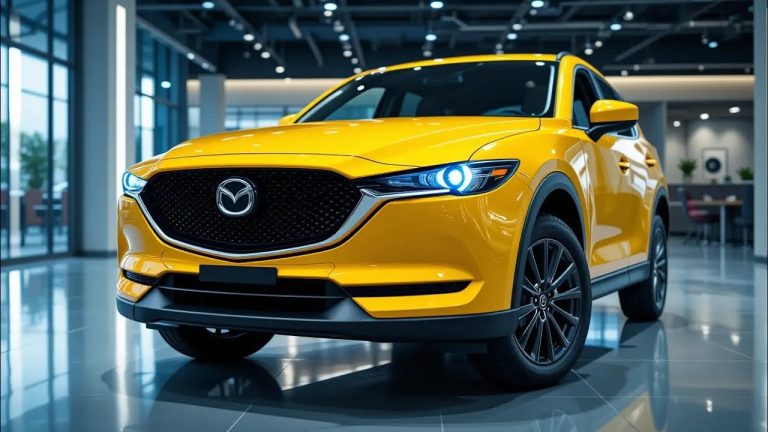
Mazda has been successfully carving out a niche as a premium-lite brand, offering engaging driving dynamics and upscale interiors at mainstream prices. The CX-50, with its rugged styling and available turbo engine, and the potentially still-available CX-5, appeal to those who prioritize driving pleasure and a more luxurious feel. Mazda’s interiors are often class-leading in material quality and design elegance. By 2026, Mazda will likely have expanded its mild-hybrid and potentially even full-hybrid offerings, though they may not match Toyota’s benchmark efficiency. For "money" here, it’s about getting a near-luxury experience for a mainstream price, though long-term maintenance costs might be slightly higher than Toyota.
5. Nissan Rogue (The Comfort-Focused Option):
The Nissan Rogue, which received a significant update in 2021 and a refresh for 2024, will continue to be a strong contender in 2026. Its strengths lie in its comfortable "Zero Gravity" seats, refined ride quality, and generally quiet cabin. The innovative VC-Turbo engine offers a unique blend of power and efficiency, though a full hybrid option might be needed by 2026 to truly compete with the RAV4. Nissan’s ProPILOT Assist offers a competitive suite of driver-assistance features. The Rogue often presents good initial value, but its long-term resale and reliability have historically lagged behind Toyota and Honda.
Defining "Best for the Money": It’s Not Just the Sticker Price
The term "best for the money" is subjective and multifaceted. It encompasses several key factors:
- Initial Purchase Price: How much does it cost to buy the car?
- Fuel Economy: Ongoing cost of ownership, especially crucial with fluctuating gas prices.
- Maintenance & Repairs: Reliability and the cost of keeping the vehicle on the road.
- Insurance Costs: Can vary significantly by model and trim.
- Resale Value: How much of your initial investment can you recoup when you sell or trade it in? This is arguably the most overlooked aspect of "value."
- Features & Technology: What do you get for your dollar?
- Warranty: Protection against unexpected issues.
The 2026 RAV4’s Value Proposition: Still a King, But Not Undisputed
Considering all these factors, the 2026 Toyota RAV4 is poised to remain an incredibly strong contender for "best SUV for the money," primarily due to its:
- Unmatched Hybrid Efficiency: Its advanced hybrid powertrains will continue to set benchmarks for fuel economy, significantly reducing running costs.
- Legendary Reliability: Toyota’s reputation for trouble-free ownership is a powerful financial benefit, minimizing unexpected repair bills.
- Class-Leading Resale Value: This is where the RAV4 truly shines. Its ability to retain a high percentage of its original value makes it an incredibly smart financial decision over the long term.
- Comprehensive Safety: Expect an updated TSS suite to provide peace of mind and contribute to potentially lower insurance premiums.
However, the competition is fierce:
- For the Warranty-Conscious: Hyundai and Kia offer an unbeatable warranty, providing exceptional peace of mind for the initial ownership period.
- For the Feature-Hungry: Hyundai and Kia often pack more cutting-edge technology and design flair for a similar or lower initial price.
- For the Driving Enthusiast: Mazda will likely continue to offer a more engaging driving experience and a more premium interior feel, if you’re willing to potentially sacrifice a bit of fuel economy or outright ruggedness.
- For the Utmost Comfort: The Honda CR-V and Nissan Rogue often excel in ride comfort and interior quietness.
- For the Adventurer: The Subaru Forester will remain the go-to for standard AWD prowess and outdoor utility.
Conclusion: The Nuance of "Best"
By 2026, the Toyota RAV4 will undoubtedly evolve to be more refined, more technologically advanced, and even more efficient. Its core strengths – reliability, outstanding fuel economy (especially with its hybrids), and segment-leading resale value – will continue to make it an incredibly compelling "for the money" proposition for a vast majority of buyers. For those seeking a practical, dependable, and financially sensible daily driver that holds its value, the RAV4 will likely remain the default choice.
However, the definition of "best for the money" is becoming increasingly nuanced. For buyers prioritizing cutting-edge design and infotainment, Hyundai and Kia offer incredible value. For those who crave a more engaging driving experience, Mazda is the answer. For outright comfort, the CR-V or Rogue might sway you. And for genuine all-weather, light off-road capability, the Forester still reigns supreme.
The 2026 Toyota RAV4 will face its toughest challenge yet. It will likely continue to dominate the sales charts by appealing to a broad audience with its well-rounded, dependable package. But in a segment where innovation is rampant and every competitor is pushing boundaries, the "best SUV for the money" will ultimately depend on an individual buyer’s specific priorities and definition of value. The RAV4 will remain a frontrunner, but it will have to fight harder than ever to prove it’s the undisputed king of the value kingdom. The next few years promise an exhilarating show in the compact SUV arena.