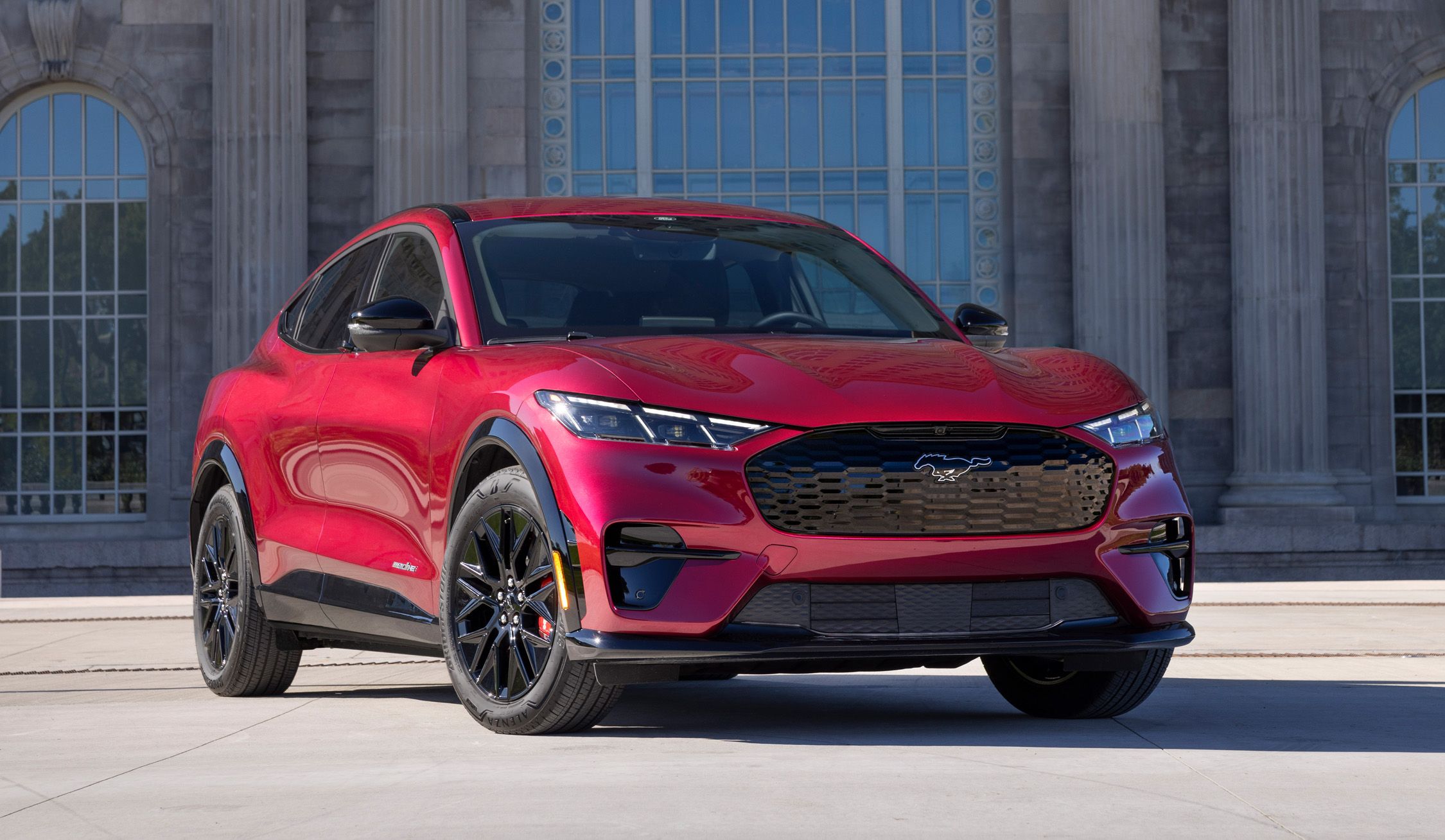
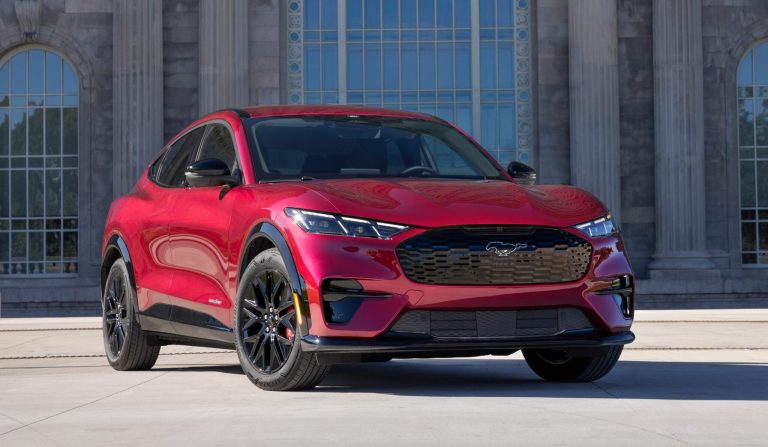
The electric vehicle (EV) revolution is accelerating at an unprecedented pace, transforming the automotive landscape with each passing year. As we look towards 2026, the competition is fiercer than ever, with established automakers and disruptive startups alike vying for a slice of the growing EV pie. At the heart of this dynamic market stands the Ford Mustang Mach-E, a vehicle that boldly marries the iconic Mustang nameplate with a practical, all-electric crossover body.
But as the market matures, the question for many discerning buyers isn’t just about going electric, but about finding the best electric vehicle for the money. Does the 2026 Ford Mustang Mach-E, with its blend of performance, style, and technology, truly offer the ultimate value proposition when pitted against its formidable rivals? This in-depth analysis will dive into the projected capabilities of the 2026 Mach-E and stack it against its key competitors, helping you determine if it’s the smart buy for your electrified future.
The Evolution of an Icon: What to Expect from the 2026 Ford Mustang Mach-E
While 2026 is still a few model years away, we can make informed predictions about the evolution of the Mustang Mach-E based on Ford’s aggressive EV strategy and the rapid advancements in battery and automotive technology. By 2026, we anticipate the Mach-E will have undergone several key enhancements:
- Improved Battery Technology & Range: Ford is heavily investing in next-generation battery tech. The 2026 Mach-E is likely to feature more energy-dense batteries, pushing its maximum range well beyond the current 310 miles (for the RWD Extended Range). We could see top trims approaching or even exceeding 350-400 miles on a single charge, making range anxiety a relic of the past for most drivers.
- Faster Charging Speeds: As charging infrastructure improves, so too will vehicle charging capabilities. The 2026 Mach-E will likely support even higher DC fast-charging rates, significantly reducing the time it takes to replenish the battery on long journeys.
- Advanced Infotainment & Connectivity: Expect an evolution of Ford’s SYNC system, offering even more intuitive controls, seamless smartphone integration, over-the-air (OTA) updates for continuous improvement, and potentially new entertainment features.
- Enhanced Driver-Assistance Systems: Ford’s BlueCruise hands-free driving technology will undoubtedly be more sophisticated by 2026, covering more mapped roads and offering expanded functionalities. Expect more robust parking assistance, collision avoidance, and predictive safety features.
- Subtle Design Refinements: While the core Mustang-inspired crossover design will remain, minor exterior and interior tweaks will keep it fresh, potentially with new lighting signatures, wheel designs, and interior material options.
- New Performance Variants: Beyond the GT, Ford might introduce even more potent performance trims or specialized off-road packages to broaden the Mach-E’s appeal.
- Competitive Pricing Structure: Ford understands the importance of aggressive pricing in a competitive market. While specific numbers are speculative, the 2026 Mach-E will aim to offer a strong feature-to-price ratio across its trim levels, particularly considering potential government incentives.
These projected enhancements position the 2026 Mach-E as a strong contender, but how does it stack up against the best of the best?
Key Metrics for EV Value Comparison
To determine the "best electric vehicle for the money," we need to evaluate several critical factors:
- Purchase Price & Standard Features: What do you get for your initial investment?
- Range & Charging Speed: Practicality for daily driving and road trips.
- Performance & Driving Dynamics: The "fun-to-drive" factor and acceleration.
- Interior Quality, Technology & Comfort: Cabin experience, infotainment, cargo space.
- Safety & Driver-Assistance Systems: Protection and convenience on the road.
- Total Cost of Ownership (TCO): Beyond the sticker price, including insurance, maintenance, and depreciation.
- Brand Reputation & After-Sales Support: Reliability, service network, and resale value.
- Government Incentives: Federal, state, and local tax credits or rebates that can significantly impact the effective price.
The Competitor Landscape: Who Will the 2026 Mach-E Be Battling?
The electric crossover segment is burgeoning, and by 2026, the Mach-E will face a formidable lineup of rivals:
- Tesla Model Y: The segment sales leader, known for its range, performance, charging network, and minimalist tech.
- Hyundai Ioniq 5 / Kia EV6: These E-GMP platform twins offer distinctive styling, ultra-fast charging, and impressive tech.
- Chevrolet Blazer EV: GM’s bold entry, aiming to capture the mainstream SUV market with its Ultium platform.
- Volkswagen ID.4: A practical, spacious, and value-oriented European option.
- Nissan Ariya: A stylish and comfortable Japanese contender emphasizing refinement.
- Subaru Solterra / Toyota bZ4X: AWD-focused, practical options for those needing light off-road capability.
For this analysis, we’ll focus on the primary direct competitors: Tesla Model Y, Hyundai Ioniq 5, Kia EV6, and Chevrolet Blazer EV.
Head-to-Head Battle: 2026 Mustang Mach-E vs. The Elite
Let’s break down how the 2026 Mach-E is likely to compare across our key metrics.
1. Price & Standard Features
- 2026 Mustang Mach-E: Ford typically offers a tiered trim structure (Select, Premium, California Route 1, GT). By 2026, we expect competitive pricing, likely starting in the mid-$40,000s for base models and climbing into the high-$60,000s or low-$70,000s for top-tier GT variants. Ford is known for packing a good amount of standard tech and safety features even in base models, making it a strong value proposition upfront.
- Tesla Model Y: Tesla’s pricing strategy can be dynamic, but the Model Y typically starts in the high-$40,000s to low-$50,000s. While standard features are generous (Autopilot, large screen), many common luxury features are optional or tied to higher trims.
- Hyundai Ioniq 5 / Kia EV6: These models offer excellent value, often starting in the low-$40,000s, with well-equipped mid-trims landing in the high-$40,000s. They often include a wealth of standard features that are optional on competitors.
- Chevrolet Blazer EV: GM aims for aggressive pricing, with the Blazer EV expected to start in the mid-$40,000s for some trims, offering a strong feature set for its price, particularly appealing to domestic brand loyalists.
Value Proposition: The Mach-E will likely sit comfortably in the middle, offering a compelling blend of features and brand prestige. Hyundai/Kia might edge it out on sheer standard features for the dollar in their lower trims, while Tesla’s premium comes with its Supercharger network and brand cachet. The Mach-E’s "Mustang" badge adds intangible value for many.
2. Range & Charging Speed
- 2026 Mustang Mach-E: As projected, we anticipate ranges of 270-300 miles for base models and 350+ miles for extended-range variants. Charging speeds should be highly competitive, likely surpassing 200 kW, allowing for a 10-80% charge in under 20-25 minutes under ideal conditions. Ford’s BlueOval Charge Network will continue to expand.
- Tesla Model Y: Currently a benchmark, the Model Y offers ranges typically between 260-330 miles. Tesla’s Supercharger network remains a significant advantage for reliability and speed, though third-party networks are catching up. Charging speeds are excellent, though newer competitors are matching or exceeding them.
- Hyundai Ioniq 5 / Kia EV6: These vehicles boast some of the fastest charging capabilities on the market thanks to their 800V architecture, often charging from 10-80% in 18 minutes. Range typically sits between 220-310 miles, competitive but sometimes slightly behind Tesla.
- Chevrolet Blazer EV: Leveraging GM’s Ultium platform, the Blazer EV is targeting ranges up to 320 miles and fast-charging capabilities over 190 kW.
Value Proposition: By 2026, the Mach-E should be right in the thick of it for range and charging speed, closing any gaps with Tesla and offering comparable performance to the Hyundai/Kia twins. Its growing BlueOval Charge Network support will be crucial.
3. Performance & Driving Dynamics
- 2026 Mustang Mach-E: This is where the "Mustang" DNA truly shines. The Mach-E GT is already blisteringly fast (0-60 mph in 3.5 seconds), and future iterations will likely maintain or improve upon this. Expect sharp handling, responsive steering, and a genuinely engaging driving experience for an electric crossover.
- Tesla Model Y: Known for its immediate torque and impressive acceleration (Performance variant 0-60 mph in 3.5 seconds), the Model Y offers exhilarating straight-line speed. Its handling is competent, but some find the ride quality firm.
- Hyundai Ioniq 5 / Kia EV6: While not as overtly sporty as the Mach-E GT, the performance variants (EV6 GT) offer potent acceleration (0-60 mph in 3.4 seconds for EV6 GT) and a surprisingly agile ride for their size.
- Chevrolet Blazer EV: Performance will vary by trim, with the SS model targeting 0-60 mph in under 4 seconds. GM promises a fun-to-drive experience, though it remains to be seen if it can match the Mach-E’s "Mustang" feel.
Value Proposition: For those prioritizing driving enjoyment and performance that lives up to the Mustang badge, the Mach-E will likely remain a top choice. It offers a unique blend of sporty handling and everyday usability.
4. Interior Quality, Technology & Comfort
- 2026 Mustang Mach-E: Ford has steadily improved interior materials and finishes. By 2026, expect a refined cabin with quality materials, comfortable seating, and a highly intuitive, vertically oriented infotainment screen. Cargo space is practical, and the frunk (front trunk) is a useful bonus.
- Tesla Model Y: Known for its minimalist interior, dominated by a large central screen. Material quality is generally good, but some find it spartan. Cargo space is excellent, especially with the optional third row (though small).
- Hyundai Ioniq 5 / Kia EV6: Both offer distinctive, modern interiors with high-quality materials, comfortable seats, and excellent digital displays. The Ioniq 5, in particular, has a lounge-like feel, while the EV6 is sportier. Cargo space is competitive.
- Chevrolet Blazer EV: GM is emphasizing a modern, tech-forward interior with a large central screen and digital gauge cluster. Expect robust material quality and a spacious cabin.
Value Proposition: The Mach-E offers a more conventional yet modern interior than the Tesla, often perceived as more upscale than the VW ID.4, and perhaps more driver-focused than the Ioniq 5’s lounge feel. Its balance of tech, comfort, and quality makes it a strong contender.
5. Safety & Driver-Assistance Systems
- 2026 Mustang Mach-E: Ford’s Co-Pilot360 suite will be standard, and BlueCruise will be a highly evolved hands-free driving system, providing significant convenience and safety on compatible highways. Expect top safety ratings.
- Tesla Model Y: Tesla’s Autopilot and Full Self-Driving (FSD) beta are industry talking points. While controversial, their driver-assist systems are highly capable. The Model Y generally receives excellent safety ratings.
- Hyundai Ioniq 5 / Kia EV6: Both come with comprehensive suites of advanced driver-assistance systems (ADAS) as standard or readily available, offering strong safety credentials and often earning top ratings.
- Chevrolet Blazer EV: GM’s Ultium-powered vehicles will feature extensive ADAS, including Super Cruise (GM’s hands-free driving system), which is highly regarded.
Value Proposition: All competitors offer excellent safety tech. The Mach-E’s BlueCruise, by 2026, should be a mature and reliable hands-free system, giving it an edge in driver comfort and reduced fatigue on long journeys, potentially rivaling or even surpassing Tesla’s Autopilot for practical, everyday hands-free driving.
6. Total Cost of Ownership (TCO)
- 2026 Mustang Mach-E: EVs generally have lower maintenance costs than ICE vehicles. Ford’s extensive dealer network provides accessible service. Depreciation will be a factor, but the Mach-E has held its value relatively well.
- Tesla Model Y: Low maintenance costs are a given. However, insurance can sometimes be higher, and body repairs can be costly due to specialized components and limited repair networks. Tesla’s direct-to-consumer model means no traditional dealer service.
- Hyundai Ioniq 5 / Kia EV6: Excellent warranties and competitive maintenance costs contribute to a strong TCO. Their growing dealer networks offer accessible service.
- Chevrolet Blazer EV: As a new platform, long-term TCO is somewhat speculative, but GM’s vast dealer network and expected reliability for Ultium vehicles should ensure competitive running costs.
Value Proposition: The Mach-E will likely offer a competitive TCO, benefiting from lower running costs and a widespread service network. While Tesla’s charging costs might be slightly lower on Superchargers, the overall maintenance and insurance costs for the Mach-E are likely to be very reasonable, making it an attractive long-term investment.
7. Brand Reputation & After-Sales Support
- 2026 Mustang Mach-E: Ford’s century-plus history brings brand trust and a massive dealer network for service and support. The "Mustang" legacy also provides an emotional connection.
- Tesla Model Y: Tesla has a loyal following but also faces scrutiny regarding service availability and quality in some regions. Its direct sales model is unique.
- Hyundai Ioniq 5 / Kia EV6: Both brands have significantly improved their reputation for quality and reliability, backed by excellent warranties. Their dealer networks are robust.
- Chevrolet Blazer EV: GM’s extensive dealer network and long-standing presence provide comfort for many buyers.
Value Proposition: Ford’s established reputation and vast dealer network give the Mach-E a significant advantage in after-sales support and peace of mind for many buyers compared to Tesla’s direct-sales model.
The "Best for the Money" Verdict: A Nuanced Answer
So, is the 2026 Ford Mustang Mach-E the best electric vehicle for the money? The answer, as with most complex automotive questions, is nuanced and depends heavily on individual priorities.
- For the Performance Enthusiast with Practical Needs: The Mach-E GT will likely remain a top pick. Its genuine Mustang-inspired driving dynamics, combined with the practicality of an SUV, offer an unparalleled blend of fun and functionality for the price.
- For the Tech-Forward Driver Who Values a Balanced Approach: The Mach-E delivers a sophisticated, user-friendly tech experience without the stark minimalism of a Tesla. Its BlueCruise system, by 2026, will be a strong selling point for hands-free highway driving.
- For the Buyer Seeking Brand Familiarity and Service Accessibility: Ford’s established dealer network and brand trust provide a level of comfort that newer EV brands or direct-sales models cannot always match.
- For the American Brand Loyalist: The Mach-E offers a compelling domestic alternative to the Tesla Model Y and Chevrolet Blazer EV, with a unique heritage twist.
Where competitors might still hold an edge:
- Tesla Model Y: Still arguably the king of charging infrastructure convenience (Supercharger network) and possibly raw range in its absolute top configurations, though the gap is closing rapidly.
- Hyundai Ioniq 5 / Kia EV6: Might offer slightly faster charging speeds and often a more distinct, futuristic interior design for those prioritizing cutting-edge aesthetics. Their lower starting prices on some trims could also appeal.
- Chevrolet Blazer EV: Could offer a more traditional large SUV feel with its Ultium platform, appealing to those needing maximum interior space or a more rugged aesthetic.
By 2026, the Ford Mustang Mach-E will have matured into an incredibly well-rounded electric crossover. It will offer highly competitive range and charging, thrilling performance, a comfortable and technologically advanced interior, and the backing of a massive automotive giant. While its competitors each bring unique strengths to the table, the 2026 Ford Mustang Mach-E is poised to be an outstanding value proposition for a broad spectrum of buyers.
It won’t just be "good for an EV"; it will be a genuinely great vehicle, electric or otherwise. Its blend of emotional appeal (the Mustang name), practical utility, cutting-edge technology, and strong projected competitive pricing makes it a strong contender for the title of "best electric vehicle for the money" – especially for those who value a dynamic driving experience coupled with everyday usability and reliable after-sales support. For many, the 2026 Mach-E will indeed hit the sweet spot, offering an exceptional balance of features, performance, and long-term value in an increasingly electrified world.