The automotive landscape is a constantly shifting battleground, and nowhere is the skirmish more fiercely contested than in the compact SUV segment. It’s the sweet spot for many families and individuals – offering a blend of practicality, efficiency, comfort, and increasingly, genuine capability. At the heart of this segment, a titan has reigned supreme for years: the Toyota RAV4.
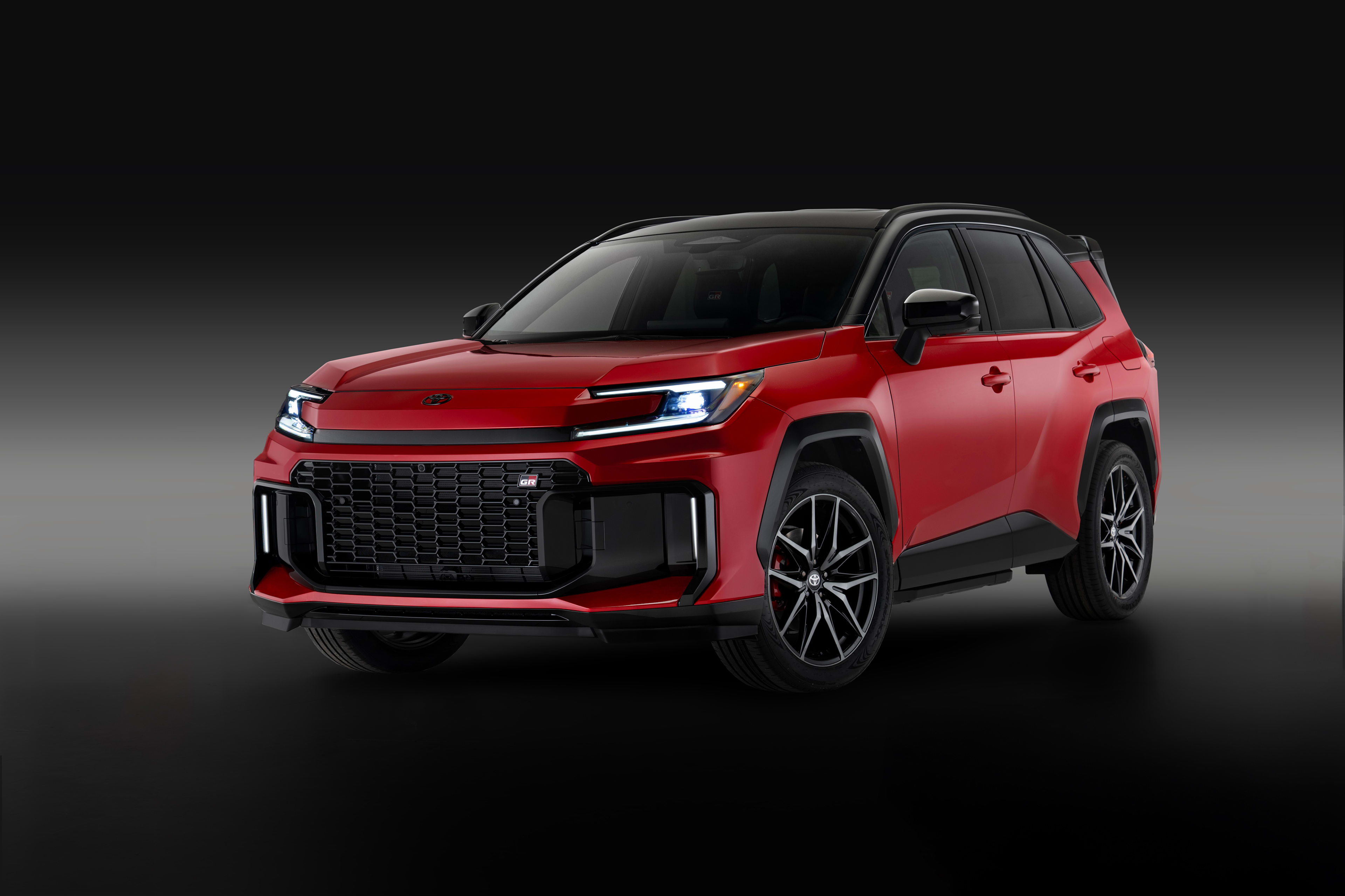
As we cast our gaze towards 2026, the current generation RAV4, which debuted in 2019, will be due for a comprehensive overhaul. The anticipation for the next-generation 2026 Toyota RAV4 is palpable, promising a fresh assault on its burgeoning rivals. The core question on every discerning buyer’s mind, however, remains: will the new RAV4 still represent the "best SUV for the money" when stacked against an increasingly sophisticated and diverse field of competitors?
Let’s buckle up and dive into what the 2026 Toyota RAV4 might bring to the table, and how it will need to perform to maintain its crown against a formidable array of challengers.
The Anticipated 2026 Toyota RAV4: A Glimpse into the Future
Toyota, a master of measured evolution rather than revolution, is expected to deliver a 2026 RAV4 that builds upon its predecessor’s strengths while addressing contemporary demands. Drawing on insights from recent Toyota redesigns (Prius, Camry, Crown), we can anticipate several key areas of improvement:
1. Design Evolution: Expect a more modern, perhaps slightly more aerodynamic and sophisticated aesthetic. While the current RAV4’s rugged, angular lines have been a hit, Toyota might soften some edges, incorporating cues from its new design language seen in the Crown or even a toned-down version of the bZ4X’s futuristic elements. LED lighting will be standard, with intricate daytime running lights. The overall stance will likely remain assertive, but with a refined elegance.
2. Powertrain Prowess: The Hybrid Heartbeat: This is where the 2026 RAV4 will likely shine brightest. Toyota’s commitment to hybridization is unwavering.
- Standard Hybrid: Expect an evolution of the current 2.5-liter hybrid powertrain, potentially offering increased horsepower (pushing towards 230-240 hp) and, critically, even better fuel economy. A focus on thermal efficiency and lighter components will be key. We could see combined MPG figures comfortably in the low to mid-40s.
- RAV4 Prime (PHEV): The Prime is already a standout, and the 2026 version could push the boundaries further. A larger battery pack is a strong possibility, aiming for an all-electric range exceeding 50 miles, paired with enhanced total system output (perhaps approaching 320-330 hp). This would cement its position as one of the most compelling performance and efficiency options in the segment.
- Traditional ICE: While hybrids will dominate, a refined non-hybrid gasoline option (likely a naturally aspirated 2.5L) might still be offered in base trims for cost-conscious buyers, though its prominence will diminish.
- All-Wheel Drive: Toyota’s various AWD systems (mechanical, and electronic AWD-i for hybrids) will undoubtedly continue, offering segment-leading traction and light off-road capability.
3. Interior Revolution: Tech, Comfort, and Quality: This is an area where the current RAV4, while practical, has sometimes felt a step behind competitors in terms of premium feel and cutting-edge tech.
- Infotainment: A significantly larger, more vibrant central touchscreen will be standard across most trims, running Toyota’s latest multimedia system (wireless Apple CarPlay/Android Auto, cloud-based navigation, OTA updates). A fully digital instrument cluster will likely become standard or widely available.
- Materials: Expect an uplift in perceived quality, with more soft-touch surfaces, better-quality plastics, and more sophisticated trim options.
- Comfort: Improved sound deadening, more supportive seating, and enhanced ergonomics will contribute to a more refined cabin experience. Expect clever storage solutions to remain a RAV4 hallmark.
4. Safety and Driver-Assist: Toyota Safety Sense (TSS) will undoubtedly evolve to TSS 3.0 or even 4.0. This means enhanced radar and camera systems, leading to more refined adaptive cruise control, lane-keeping assistance, improved pre-collision systems, and potentially features like hands-free driving assistance on certain highways (a la Lexus Teammate).
5. Ride and Handling: The TNGA-K platform, which underpins the current RAV4, is excellent. The 2026 model will likely feature refinements to suspension tuning, leading to a more composed ride, reduced body roll, and perhaps slightly sharper steering, striking a better balance between comfort and engagement.
The Contenders: Who’s Chasing the Crown?
The 2026 RAV4 won’t be entering an empty arena. Its rivals are growing stronger, smarter, and more diverse. Here’s how some key competitors will likely stack up:
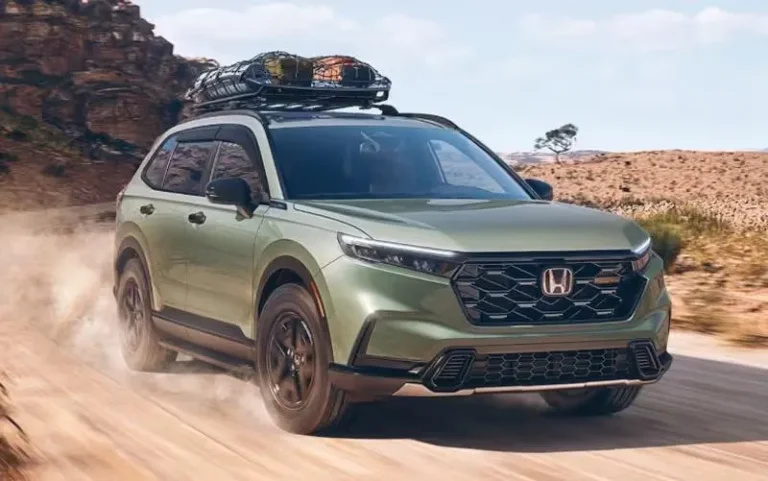
1. Honda CR-V (Hybrid): The Refined All-Rounder
The CR-V has always been the RAV4’s most direct rival, and the current generation (launched 2023) has upped its game significantly. By 2026, it will be a well-established player.
- Strengths: Exceptional interior space, particularly for rear passengers and cargo. A refined, comfortable ride, and a premium-feeling interior. Its hybrid powertrain is smooth and efficient, delivering solid MPG figures. Honda’s reputation for reliability is nearly on par with Toyota.
- Weaknesses: Its hybrid system, while good, doesn’t offer a PHEV option like the RAV4 Prime. Styling, while improved, is still conservative for some. Driving dynamics are competent but not exciting.
- Value Proposition: Offers excellent overall practicality and comfort, making it a strong "best for the money" contender for those prioritizing space and a smooth ride. Its resale value is consistently high.
2. Hyundai Tucson / Kia Sportage (Hybrid & PHEV): The Style & Tech Mavericks
These Korean twins, refreshed or slightly updated by 2026, will continue to be disruptive forces. They offer bold styling, feature-rich interiors, and strong warranty packages.
- Strengths: Eye-catching, futuristic designs that stand out. Interiors are packed with technology, large screens, and often premium-feeling materials at competitive price points. Both offer potent hybrid and PHEV options with good power and efficiency, and often segment-exclusive features. Hyundai/Kia’s industry-leading warranties (10-year/100,000-mile powertrain) offer unmatched peace of mind.
- Weaknesses: Resale value, while improving, might not quite match Toyota or Honda. Some find the infotainment interfaces a bit overwhelming. Long-term reliability is improving but historically hasn’t reached Toyota’s legendary status.
- Value Proposition: For buyers who want maximum features, bold style, and a long warranty for their dollar, the Tucson and Sportage offer compelling value, especially their hybrid and PHEV variants.
3. Mazda CX-50: The Driver’s Choice with a Premium Feel
The CX-50, already relatively new, will likely see minor updates by 2026. It targets a slightly different buyer – one who values driving dynamics and a more premium, rugged aesthetic.
- Strengths: Class-leading driving dynamics with precise steering and a well-tuned chassis. The interior materials and design feel genuinely premium, often punching above its price class. Standard i-Activ AWD and a robust optional turbo engine make it appealing.
- Weaknesses: Less interior and cargo space than the RAV4 or CR-V. Fuel economy is competitive but doesn’t offer a hybrid or PHEV option (yet, though one is rumored for future models). The infotainment system can be clunky at times.
- Value Proposition: For those who prioritize driving enjoyment and a sophisticated cabin experience, the CX-50 offers fantastic value, feeling like a near-luxury SUV without the luxury price tag. Its reliability is also very strong.
4. Subaru Forester: The Adventurous, Practical Stalwart
The Forester, known for its go-anywhere capability and safety, will likely have seen a full redesign by 2026, bringing it up to speed with rivals.
- Strengths: Standard Symmetrical All-Wheel Drive, offering superior off-road capability and all-weather traction. Excellent outward visibility and a practical, durable interior. Subaru’s EyeSight safety suite is among the best. Renowned for safety and reliability.
- Weaknesses: Traditionally less powerful and refined engines (though a hybrid could change this). Interior design is often more utilitarian than stylish. Infotainment can lag behind competitors.
- Value Proposition: For buyers in snowy climates or those who frequently venture off paved roads, the Forester’s unique combination of AWD, practicality, and safety makes it an undeniable value leader. If a new hybrid powertrain arrives, its "for the money" argument will strengthen significantly.
The "Best for the Money" Equation: Where the 2026 RAV4 Must Excel
Defining "best for the money" is subjective, but it generally encompasses a holistic view of initial cost, running costs, reliability, features, and resale value.
1. Initial Price vs. Features:
The 2026 RAV4 will likely see a price increase, but Toyota is adept at packaging features. Expect base models to offer a strong suite of safety tech (TSS), a decent infotainment system, and robust powertrains. Competitors like Hyundai/Kia might offer more "wow factor" features for the dollar, while Mazda might offer more premium materials. The RAV4’s value will come from its balanced offering across all trims.
2. Fuel Economy:
This is Toyota’s wheelhouse. The 2026 RAV4 Hybrid will likely set a new benchmark for efficiency, and the Prime will be unrivaled in its segment for combined electric range and performance. For buyers prioritizing low fuel bills, the RAV4 will remain exceptionally strong.
3. Maintenance & Reliability:
Toyota’s legendary reliability is a cornerstone of its "for the money" argument. Lower long-term maintenance costs and fewer unexpected repairs contribute significantly to value. While competitors have improved, Toyota’s reputation here is almost untouchable, giving buyers invaluable peace of mind.
4. Resale Value:
Another area where Toyota consistently dominates. The RAV4’s ability to hold its value exceptionally well means lower depreciation over time, translating into a lower total cost of ownership. This is a crucial, often overlooked, aspect of "best for the money."
5. Safety:
The 2026 RAV4, with its advanced TSS suite and robust construction, will undoubtedly achieve top safety ratings. Most competitors also excel here, making it a table stakes requirement rather than a unique differentiator.
6. Driving Experience:
The 2026 RAV4 will aim for a more refined and engaging drive. While it might not match the Mazda CX-50 for pure athleticism, it will likely strike a better balance between comfort and handling than previous generations, appealing to a broader audience.
7. Technology & Interior:
This is an area where the new RAV4 must significantly improve to stay competitive. If Toyota delivers on a premium-feeling interior with a state-of-the-art infotainment system and ample connectivity, it will solidify its position. Hyundai/Kia will likely still offer more overt tech flash, but the RAV4 will aim for intuitive functionality.
Conclusion: Will the 2026 RAV4 Still Reign Supreme?
The 2026 Toyota RAV4 is poised to be a formidable evolution of an already segment-defining vehicle. It will likely double down on its core strengths: unparalleled hybrid efficiency, legendary reliability, and segment-leading resale value. Its anticipated improvements in interior quality, technology, and driving dynamics will address the criticisms of the current model, making it a more well-rounded and appealing package.
For the discerning buyer seeking the "best SUV for the money," the 2026 RAV4 will undoubtedly remain a top contender. Its holistic value proposition – combining low running costs, peace of mind, and strong retained value – will be incredibly difficult to beat.
However, the competition is fiercer than ever. The Honda CR-V offers supreme practicality and refinement. The Hyundai Tucson and Kia Sportage dazzle with style, tech, and warranty. The Mazda CX-50 delivers driving pleasure and a premium cabin. The Subaru Forester provides unmatched all-weather capability and safety.
Ultimately, the "best SUV for the money" will depend on individual priorities. But for the vast majority of buyers prioritizing a balanced blend of efficiency, reliability, practicality, and long-term value, the 2026 Toyota RAV4 is not just likely to remain a kingpin; it’s likely to strengthen its grasp on the throne. The battle will be fascinating to watch, but one thing is certain: the compact SUV segment in 2026 will offer an embarrassment of riches for consumers.