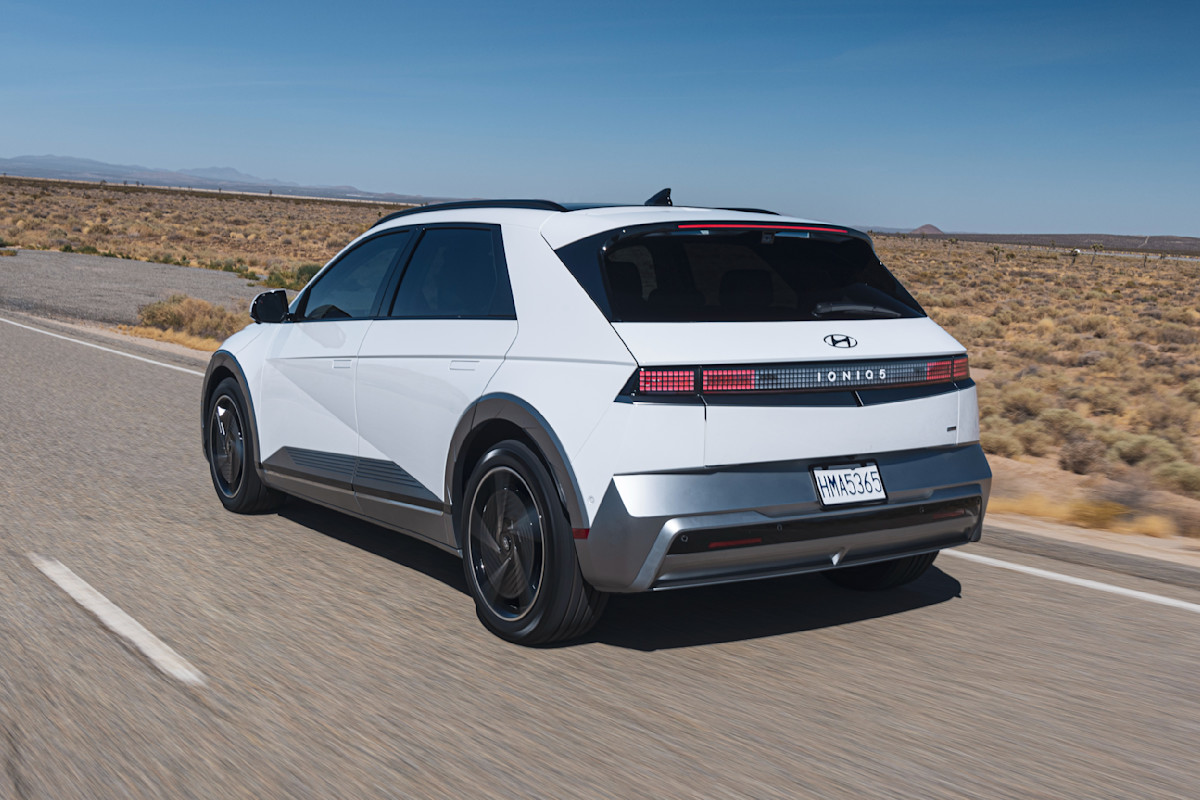
The Hyundai Ioniq 5 has been a groundbreaking force in the electric vehicle (EV) market since its debut, captivating drivers with its retro-futuristic design, spacious interior, and impressive performance. As the automotive industry sprints forward, anticipation is building for what the next iteration of this beloved EV will bring. While Hyundai has yet to make official announcements, industry speculation, typical automotive refresh cycles, and evolving EV technology point towards a significantly updated, if not redesigned, 2026 Hyundai Ioniq 5.
This article delves into the highly anticipated 2026 Hyundai Ioniq 5, exploring its potential release date, what exciting changes we might expect, estimated pricing, and a comprehensive buying guide to help you navigate the journey of acquiring this cutting-edge electric SUV.
The Anticipated 2026 Hyundai Ioniq 5: What to Expect from the Next-Generation EV
While the current Ioniq 5 is already a formidable contender, the automotive world never stands still. Manufacturers typically introduce mid-cycle refreshes around 3-4 years into a model’s lifecycle and a full redesign around 6-7 years. Given the Ioniq 5’s initial release, a major update is certainly on the horizon. The 2026 model year could represent a significant refresh or even a full second-generation redesign, pushing the boundaries of what an electric crossover can be.
Here’s what we might realistically expect from the 2026 Hyundai Ioniq 5:
1. Design Evolution: Sharper Aesthetics & Enhanced Aerodynamics
The Ioniq 5’s "Parametric Pixel" design language has been a hallmark of its appeal. For 2026, we anticipate an evolution rather than a revolution of this distinctive aesthetic.
- Exterior: Expect subtle yet impactful changes. This could include revised front and rear fascias, potentially with updated pixel graphics in the LED lighting elements for an even more futuristic signature. Aerodynamic improvements will likely be a key focus, with redesigned wheels, smoother body panels, and potentially active aero elements to boost efficiency and range. New exterior color options and unique trim accents could also be introduced.
- Interior: The current cabin is already minimalist and spacious. The 2026 model might refine this further with higher-quality, more sustainable materials throughout. Expect updated digital displays, possibly with larger screens or a more integrated dual-screen setup. Ergonomic improvements, new ambient lighting options, and enhanced storage solutions are also likely.
2. Performance & Battery Technology Advancements
The core of any EV lies in its powertrain and battery. Hyundai is at the forefront of battery technology, and the 2026 Ioniq 5 will undoubtedly benefit.
- Increased Range: Expect an incremental but noticeable increase in range across all trim levels, possibly pushing the top-tier models closer to or beyond the 320-mile mark on a single charge. This would be achieved through more efficient motors, improved battery chemistry, and better thermal management.
- Faster Charging: While the E-GMP platform already boasts ultra-fast 800V charging, the 2026 model could see refinements that further reduce charging times, especially for the critical 10-80% window. Enhanced battery preconditioning systems will likely be standard, optimizing charging speed in various conditions.
- Power & Acceleration: While not a primary focus for a family-oriented crossover, minor power bumps are possible. Hyundai might also introduce new performance variants, perhaps leveraging learnings from the Ioniq 5 N, offering a more potent electric experience.
- New Battery Pack Options: There’s a possibility of new battery pack sizes or different chemistry options (e.g., LFP for base models, NMC for longer range) to cater to a wider market and optimize cost-efficiency.
3. Technology & Connectivity Upgrades
Hyundai’s commitment to cutting-edge technology is unwavering.
- Infotainment System: Expect a refreshed infotainment system with a new user interface, faster processors, and enhanced connectivity features. Wireless Apple CarPlay and Android Auto will likely become standard across more trims. Over-the-air (OTA) update capabilities will undoubtedly be expanded, allowing for continuous improvement.
- Advanced Driver-Assistance Systems (ADAS): The current Ioniq 5 features a robust suite of safety tech. The 2026 model could introduce more advanced Level 2+ semi-autonomous driving capabilities, potentially including improved highway driving assist features, automated lane changes, and more sophisticated parking assistance systems. The integration of enhanced sensor arrays (more cameras, radar, lidar) could pave the way for future Level 3 autonomous driving features in select markets.
- Vehicle-to-Load (V2L) & Vehicle-to-Grid (V2G): The innovative V2L feature is a huge selling point. The 2026 model might offer higher V2L output and could potentially introduce Vehicle-to-Grid (V2G) capabilities, allowing the car to feed energy back into the home or grid, making it a true mobile power solution.
- Digital Key Enhancements: Expect more seamless integration with smartphones and smartwatches for vehicle access and control.
4. Safety Features
Hyundai’s SmartSense suite is already comprehensive. The 2026 Ioniq 5 will likely refine existing features and add new ones, benefiting from updated sensor technology and improved software algorithms. Expect enhanced forward collision avoidance, blind-spot monitoring, rear cross-traffic alert, and advanced occupant protection systems.
Decoding the 2026 Hyundai Ioniq 5 Release Date
Pinpointing an exact release date for a future model year is always challenging, especially without official announcements. However, we can make an educated guess based on industry patterns:
- Current Model Cycle: The Ioniq 5 was first released globally in late 2021 (as a 2022 model in North America). A typical mid-cycle refresh often occurs around the third or fourth year. This suggests a refresh for the 2025 model year is highly plausible, potentially unveiled in late 2024.
- The "2026" Model Year: If a significant refresh happens for 2025, a full redesign (second generation) would then logically follow around the 2027-2028 timeframe. However, if the 2025 update is minor, Hyundai might opt for a more substantial refresh, bordering on a soft redesign, for the 2026 model year. This would typically mean an official unveiling sometime in late 2025, with production and sales beginning in early to mid-2026.
- Unveiling Events: Keep an eye on major international auto shows (like CES, LA Auto Show, New York Auto Show, Geneva Motor Show) in late 2024 and throughout 2025. These are common venues for automakers to debut significant new models or refreshes.
- Pre-Orders: Once officially unveiled, Hyundai typically opens a pre-order reservation system a few months before production begins. This allows eager customers to secure an early build slot.
In summary, while unofficial, a late 2025 unveiling with a market launch in early-to-mid 2026 for the 2026 Hyundai Ioniq 5 is a strong possibility, especially if it represents a significant refresh.
Estimated Pricing & Trim Levels
The current Hyundai Ioniq 5 offers excellent value, but with inflation, technological advancements, and increased manufacturing costs, expect a slight price bump for the 2026 model.
-
Current Pricing Reference (2024 Ioniq 5):
- SE Standard Range: ~$41,800
- SE RWD Long Range: ~$45,900
- SEL RWD Long Range: ~$48,650
- Limited RWD Long Range: ~$54,200
- AWD variants add ~$3,500 – $4,000 to the RWD price.
-
Estimated 2026 Pricing: Given the expected upgrades and general market trends, we could see an increase of $1,500 – $4,000 across the board.
- Base (SE Standard Range): Starting around $43,000 – $45,000
- Mid-Tier (SEL RWD/AWD): Ranging from $50,000 – $55,000
- Top-Tier (Limited RWD/AWD): Approaching $56,000 – $60,000+
-
Trim Levels: Hyundai will likely retain a similar trim structure (SE, SEL, Limited) to offer a range of features and price points. There’s also potential for a new "N Line" trim to bridge the gap between standard models and the high-performance Ioniq 5 N, offering sportier aesthetics and suspension tuning.
-
Federal Tax Credits: Crucially, the eligibility for federal EV tax credits (up to $7,500) depends on various factors, including the vehicle’s manufacturing location, battery component sourcing, and the buyer’s income. As of now, Ioniq 5s assembled in Ulsan, South Korea, do not qualify for the full credit. However, if Hyundai shifts production for the 2026 model to a North American plant (like the upcoming Metaplant America in Georgia), or if battery sourcing changes, the Ioniq 5 could once again become eligible, making it a much more attractive proposition. This is a key factor to watch for potential buyers.
The Comprehensive 2026 Hyundai Ioniq 5 Buying Guide
Acquiring an EV, especially a highly anticipated new model, requires careful planning. Here’s a step-by-step guide to help you prepare for the 2026 Hyundai Ioniq 5:
Step 1: Research and Stay Informed
- Official Sources: Regularly check Hyundai’s official global and regional websites for announcements, press releases, and concept reveals.
- Reputable Automotive News: Follow trusted automotive news outlets and EV-specific publications for leaks, spy shots, and expert analysis.
- Forums & Communities: Join online Ioniq 5 owner forums and EV enthusiast communities. These can provide real-world insights and early discussions about potential features.
- Sign Up for Updates: Many manufacturers allow you to sign up for email notifications regarding upcoming models.
Step 2: Assess Your Needs and Budget
Before committing, honestly evaluate what you need in an EV:
- Range: How much daily driving do you do? Do you take frequent long trips?
- Charging Habits: Do you have access to home charging? How often will you rely on public charging?
- Space & Utility: How many passengers/cargo do you typically carry?
- Performance: Do you prioritize quick acceleration, or is efficiency more important?
- Features: What tech, comfort, and safety features are non-negotiable for you?
- Budget: Determine your absolute maximum purchase price, including potential financing costs, insurance, and charging infrastructure.
Step 3: Test Drive the Current Model (and Competitors)
Even if the 2026 model isn’t available, test driving the 2024 or 2025 Ioniq 5 (or even the Ioniq 6 sedan, which shares the E-GMP platform) will give you a strong sense of:
- Driving Dynamics: How it handles, accelerates, and brakes.
- Interior Comfort: Seat comfort, visibility, cabin noise.
- Infotainment Usability: How intuitive the current system is.
- Size & Maneuverability: How it fits into your lifestyle.
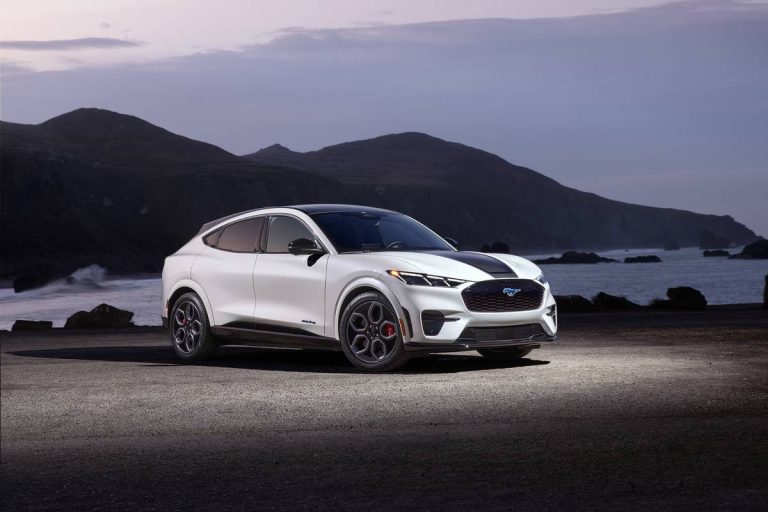
Also, test drive key competitors like the Kia EV6, Tesla Model Y, Ford Mustang Mach-E, and Volkswagen ID.4 to compare features, driving feel, and value.
Step 4: Understand Pricing, Incentives, and Financing
- MSRP & Options: Be clear on the base price and the cost of desired options/packages. Don’t forget destination fees.
- Tax Credits & Rebates: Research federal, state, and local EV incentives. These can significantly reduce the effective purchase price. Check if the 2026 Ioniq 5 is likely to qualify for federal tax credits based on its manufacturing and battery sourcing.
- Financing: Shop around for the best interest rates from banks, credit unions, and Hyundai’s own financing services. Consider the pros and cons of buying vs. leasing.
- Insurance: Get insurance quotes. EV insurance can sometimes be higher due to specialized components and repair costs.
Step 5: Decide on Pre-Order vs. Waiting
- Pre-Order: If available, pre-ordering can secure an early build slot and often includes unique launch offers. However, you’re committing to a vehicle you haven’t physically seen or driven yet, and final pricing might not be fully transparent.
- Wait: Waiting allows you to see full reviews, compare final specs, and potentially avoid early production glitches. However, you might face longer waiting lists or fewer available configurations initially.
Step 6: Plan Your Home Charging Solution
This is arguably the most crucial step for a seamless EV ownership experience.
- Level 1 (120V): Comes with the car, uses a standard wall outlet. Very slow (3-5 miles of range per hour). Only suitable for very low daily mileage.
- Level 2 (240V): Requires a dedicated 240V circuit and a home EV charger (Wallbox). Provides 25-40 miles of range per hour, fully charging overnight. This is highly recommended for most EV owners.
- Installation: Get quotes from certified electricians. Costs vary based on your home’s electrical panel, wiring distance, and local labor rates (typically $500 – $2,000+). Many utility companies offer rebates for charger installation.
- Consider your daily driving needs to determine if a Level 2 charger is a necessity or a luxury.
Step 7: Understand Public Charging Networks
- Apps: Download and familiarize yourself with public charging apps (e.g., Electrify America, ChargePoint, EVgo, Shell Recharge).
- Payment: Understand how payment works (app, RFID card, credit card, Plug & Charge).
- Availability: Research the charging infrastructure along your frequently traveled routes and at common destinations.
- Charging Speed: Distinguish between Level 2 AC chargers and DC Fast Chargers. Plan long trips around DC Fast Charger locations.
Step 8: Factor in Maintenance and Ownership Costs
EVs generally have lower maintenance costs due to fewer moving parts (no oil changes, spark plugs, etc.). However:
- Tires: EVs are heavier and have instant torque, which can lead to faster tire wear.
- Brakes: Regenerative braking reduces wear on physical brakes, but they still need occasional service.
- Battery Degradation: Batteries degrade over time, but modern EV batteries are designed to last for many years and miles, often with long warranties.
- Software Updates: Most updates are free and done over-the-air.
Step 9: The Dealership Experience
- Negotiate: Don’t be afraid to negotiate the price, especially if the vehicle doesn’t qualify for federal incentives.
- Avoid Unnecessary Add-ons: Be wary of forced dealer add-ons like paint protection, fabric guard, or extended warranties you don’t need.
- Understand Warranties: Familiarize yourself with Hyundai’s excellent EV battery warranty (typically 10 years/100,000 miles) and the standard vehicle warranty.
2026 Hyundai Ioniq 5 vs. The Competition
The 2026 Ioniq 5 will enter an even more competitive market. Key rivals will include:
- Kia EV6: Its platform sibling, likely undergoing similar updates.
- Tesla Model Y: The segment sales leader, known for its Supercharger network and tech.
- Ford Mustang Mach-E: A stylish and engaging electric crossover.
- Volkswagen ID.4: A practical, family-friendly option.
- Upcoming entrants: Other manufacturers are constantly introducing new EV models that will challenge the Ioniq 5’s position.
The 2026 Ioniq 5 will need to differentiate itself with its unique design, advanced charging capabilities, refined interior, and competitive pricing to maintain its strong standing.
Conclusion: The Electric Horizon Awaits
The 2026 Hyundai Ioniq 5 is poised to build upon the tremendous success of its predecessor, offering an even more compelling package of design, technology, performance, and sustainability. While specific details remain under wraps, the industry trends and Hyundai’s track record suggest a truly exciting evolution of this beloved electric crossover.
By staying informed, assessing your needs, and meticulously planning your purchase and charging infrastructure, you can be well-prepared to welcome the next generation of the Hyundai Ioniq 5 into your garage. The future of electric driving is bright, and the 2026 Ioniq 5 promises to be a shining star on that horizon. Get ready to experience the electric future, redefined.