The automotive world is a relentless conveyor belt of innovation, and few segments demand more careful consideration from manufacturers than the venerable three-row SUV. For decades, the Honda Pilot has been a cornerstone of this competitive landscape, synonymous with reliability, practicality, and family-friendly appeal. As we look ahead, the anticipation for the 2026 Honda Pilot is building, promising an evolution that will undoubtedly solidify its position as a top contender.
While official details remain shrouded in Honda’s characteristic pre-release secrecy, industry whispers, historical refresh cycles, and the current trajectory of automotive design and technology paint a compelling picture of what’s to come. This isn’t just a speculation piece; it’s your comprehensive guide to understanding the likely release, potential redesign elements, and crucially, how to navigate the buying process for what promises to be one of the most significant family vehicle launches of the mid-2020s.
The Anticipation: What’s Driving the 2026 Pilot?
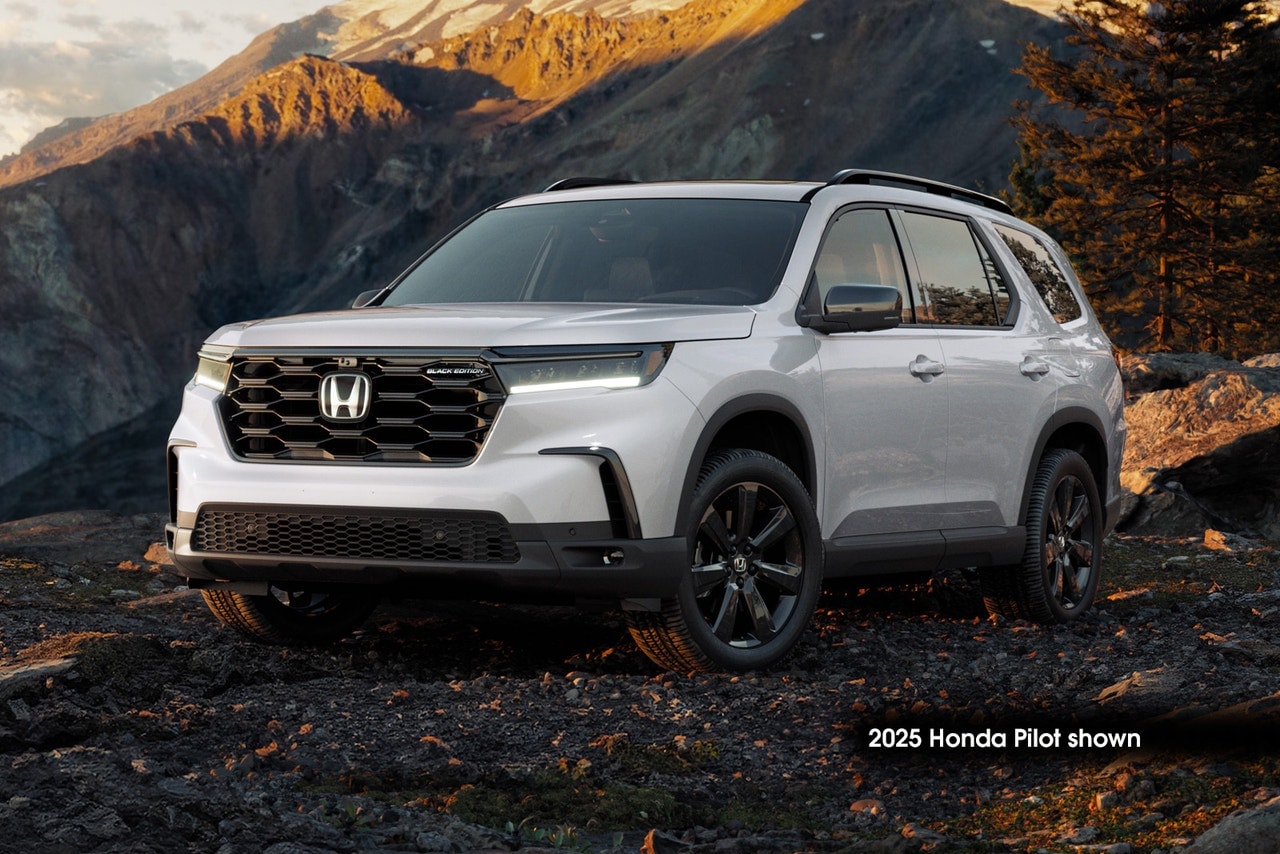
The current fourth-generation Honda Pilot, introduced for the 2023 model year, represented a significant step forward, embracing a more rugged aesthetic and enhanced capability, particularly with the introduction of the TrailSport trim. However, in the fast-paced automotive world, even a fresh design needs continuous refinement. Honda typically operates on a roughly 3-4 year refresh cycle for its major models, meaning the 2026 model year is perfectly poised for a significant mid-cycle refresh (often referred to as a "facelift" or "minor redesign") or potentially even a more substantial overhaul if market trends demand it.
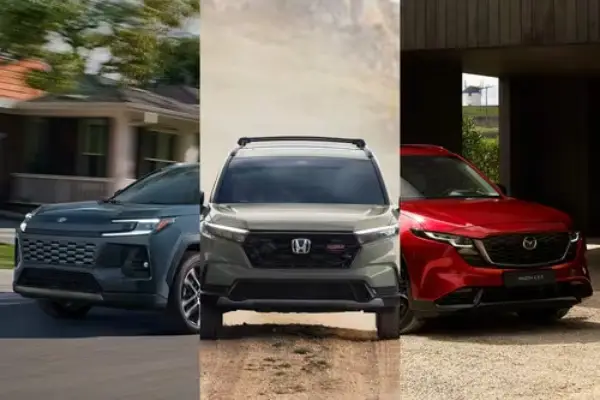
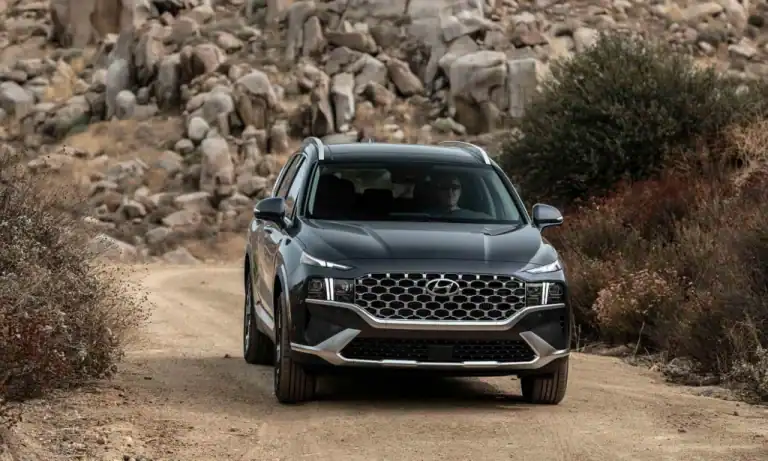
This refresh isn’t just about cosmetic tweaks; it’s about incorporating the latest technological advancements, refining the driving experience, and addressing evolving consumer expectations. With competitors like the Kia Telluride, Hyundai Palisade, Toyota Grand Highlander, and Chevrolet Traverse constantly upping their game, Honda cannot afford to rest on its laurels. The 2026 Pilot will need to deliver a compelling package of style, substance, and cutting-edge features to maintain its competitive edge.
Release Date Speculation: When Can You Expect to See It?
Based on Honda’s historical product launch cadence, we can make an educated guess about the 2026 Pilot’s arrival. Typically, a "2026 model year" vehicle begins production and arrives at dealerships in the latter half of the preceding calendar year.
Therefore, expect the 2026 Honda Pilot to make its official debut – likely a press release followed by auto show appearances – sometime in mid-to-late 2025. Dealer allocations and customer deliveries would then commence in late Q3 or early Q4 of 2025. For those eager to be among the first owners, keeping a close eye on Honda’s official newsroom and your local dealership’s announcements from mid-2025 onwards will be crucial.
What to Expect: A Glimpse into the Future Pilot
While concrete details are scarce, we can infer several key areas where Honda is likely to focus its efforts for the 2026 Pilot.
1. Exterior Design: Refined Ruggedness
The current Pilot’s shift towards a more assertive, truck-like stance was well-received. For 2026, expect Honda to build upon this foundation, perhaps with:
- Refreshed Front and Rear Fascias: This is standard for a mid-cycle refresh. Expect redesigned headlights (potentially with new LED signatures), a revised grille pattern, and a more sculpted bumper design. The rear could see updated taillight graphics and a subtly reshaped tailgate or bumper.
- New Wheel Designs: A fresh set of alloy wheel options across the trim levels will contribute significantly to the updated aesthetic.
- Subtle Body Panel Tweaks: While major sheet metal changes are less likely for a refresh, minor sculpting or character line adjustments could be implemented to give it a more modern, aerodynamic, or robust appearance.
- Expanded Color Palette: New exterior paint options are almost a certainty, catering to evolving color trends.
2. Interior & Comfort: A Sanctuary of Sophistication
The Pilot’s interior has always prioritized space and functionality. For 2026, Honda will likely elevate the experience with:
- Enhanced Materials: Expect a push towards more premium soft-touch materials, improved trim accents (wood, brushed aluminum, piano black), and potentially updated upholstery options, especially on higher trims.
- Technological Integration: This is where the biggest leaps often occur. Expect larger, higher-resolution infotainment screens (potentially a wider aspect ratio), a fully digital instrument cluster across more trims, and a more seamless integration of physical controls with digital interfaces.
- Improved Ergonomics: Honda is known for user-friendly cabins. Expect refinements to button placement, console design, and storage solutions.
- Quiet Cabin Enhancements: Additional sound deadening materials, acoustic glass, and active noise cancellation could be employed to create an even more serene environment, a crucial factor for long family road trips.
- Seating Comfort: Minor revisions to seat cushioning, bolstering, and adjustability could further improve comfort for all three rows. The versatile second-row removable middle seat option is likely to carry over, cementing its utility.
3. Powertrain & Performance: Efficiency and Electrification
The current Pilot is powered by a robust 3.5-liter V6 engine, a Honda hallmark. For 2026, the strategy could involve:
- Refined V6: The existing V6 is a proven performer. Honda may eke out minor improvements in horsepower, torque, and fuel efficiency through engine management tweaks, improved aerodynamics, or a more advanced 10-speed automatic transmission calibration.
- Hybrid Option (Highly Probable): This is perhaps the most anticipated powertrain development. Given Honda’s strong commitment to electrification and the success of hybrid options in its CR-V and Accord lines, a hybrid powertrain for the Pilot would be a game-changer. This could be a variation of their existing two-motor hybrid system, offering significant fuel economy gains without sacrificing much in terms of power, making it a highly attractive option for environmentally conscious buyers and those seeking lower running costs.
- Improved AWD System: The i-VTM4 all-wheel-drive system is already competent. Expect minor refinements for better traction management, especially in adverse conditions, and potentially further optimization for fuel efficiency.
4. Technology & Infotainment: Connectivity and Convenience
Modern buyers demand seamless connectivity and intuitive tech. The 2026 Pilot will likely deliver:
- Next-Generation Infotainment: A larger central touchscreen, possibly 10-inch or even 12-inch on higher trims, with improved processing speed, clearer graphics, and enhanced voice recognition.
- Wireless Apple CarPlay & Android Auto: This is becoming a standard expectation and will almost certainly be offered across most trims.
- Over-the-Air (OTA) Updates: The ability to update software wirelessly will ensure the Pilot’s systems remain current throughout its lifespan.
- Advanced USB-C Ports: More ubiquitous and faster charging ports throughout the cabin.
- Premium Audio Upgrades: Higher trims could see an enhanced premium sound system with more speakers and advanced sound processing.
- Digital Key Capability: Allowing owners to use their smartphone as a car key is an emerging trend Honda might embrace.
5. Safety Features: Evolution of Honda Sensing
Honda Sensing, Honda’s suite of advanced safety and driver-assist technologies, is already comprehensive. For 2026, expect refinements and potential additions:
- Improved Sensor Technology: Enhanced radar and camera systems for more accurate and reliable detection.
- Expanded Traffic Jam Assist: More sophisticated low-speed steering assistance.
- Enhanced Adaptive Cruise Control: Smoother operation, improved lane centering, and potentially predictive capabilities.
- Blind Spot Monitoring with Steering Assist: A system that gently nudges the vehicle back into its lane if it detects an impending collision during a lane change.
- Advanced Parking Assist: More automated parking functions, possibly including remote parking.
- Rear Seat Reminder System: An auditory and visual reminder to check the back seat for children or pets.
Your Ultimate Buying Guide for the 2026 Honda Pilot
Securing your ideal 2026 Honda Pilot requires preparation, patience, and a strategic approach. Here’s how to navigate the process:
1. Define Your Needs and Budget
Before you even think about dealerships, sit down and honestly assess what you need from a three-row SUV:
- Passenger Capacity: How many people will you regularly carry? Do you need easy third-row access?
- Cargo Space: What kind of gear do you haul? Sports equipment? Luggage for family trips?
- Driving Habits: Mostly city driving? Long highway commutes? Occasional off-road adventures (TrailSport)?
- Technology Desires: Are you a tech enthusiast, or do you prefer simpler interfaces?
- Budget: Be realistic about your maximum monthly payment or total purchase price. Don’t forget to factor in insurance, fuel, and maintenance costs.
2. Research Trim Levels and Options
Once the 2026 Pilot is officially revealed, Honda will detail its trim levels (e.g., Sport, EX-L, TrailSport, Touring, Elite) and available options.
- Identify Core Features: Determine which features are "must-haves" versus "nice-to-haves." Does the base trim offer enough? Do you need the luxury features of the Elite?
- Understand Packages: Honda often bundles popular features into packages. Learn what’s included in each.
- Consider the TrailSport: If adventure and light off-roading are on your agenda, the TrailSport’s unique suspension, tires, and styling cues will be highly appealing.
- Hybrid Option: If a hybrid powertrain is introduced, evaluate its premium price against potential fuel savings over your ownership period.
3. Pricing and Value Assessment
- MSRP (Manufacturer’s Suggested Retail Price): The 2026 Pilot’s MSRP will likely see a slight increase over the 2025 model due to inflation and new features. Expect base models to start in the low to mid-$40,000s, with top trims easily exceeding $55,000-$60,000.
- Market Adjustments (ADM): In the current automotive climate, popular new models, especially early in their release, can sometimes command "Additional Dealer Markup" (ADM). Be prepared for this possibility and research average transaction prices in your area.
- Resale Value: Honda vehicles are renowned for their strong resale value. This is a significant factor in total cost of ownership.
4. Financing vs. Leasing
- Financing (Buying):
- Pros: You own the vehicle, build equity, no mileage limits, can customize, no wear-and-tear penalties.
- Cons: Higher monthly payments, responsible for all maintenance, depreciation is your responsibility.
- Tip: Get pre-approved for a loan from your bank or credit union before visiting the dealership. This gives you leverage and a benchmark interest rate.
- Leasing:
- Pros: Lower monthly payments, always drive a new car, covered by warranty, no trade-in hassle at the end.
- Cons: Mileage limits, no equity, penalties for excessive wear and tear, usually more expensive in the long run if you consistently lease.
- Tip: Understand the money factor, residual value, and all fees involved. Negotiate the selling price of the car (capitalized cost) even when leasing.
5. The Test Drive: Your Ultimate Evaluation
Once the 2026 Pilot hits showrooms, schedule an extensive test drive. Don’t just drive around the block; replicate your typical driving scenarios:
- Ride Quality: How does it handle bumps, potholes, and varied road surfaces?
- Handling: Does it feel agile or cumbersome? How’s the steering feedback?
- Powertrain: Is acceleration adequate? How smooth is the transmission? Pay attention to engine noise.
- Braking: Is it responsive and confident?
- Interior Ergonomics: Are controls easy to reach and operate? How intuitive is the infotainment system?
- Visibility: Check for blind spots. Use the mirrors and cameras.
- Seating: Comfort for all three rows. Ease of third-row access.
- Cargo: Physically test how your typical cargo (stroller, groceries, sports gear) fits.
- Advanced Features: Test out Honda Sensing features like adaptive cruise control and lane-keeping assist in a safe environment.
6. Negotiation Strategies
- Be Prepared: Know the MSRP, invoice price (available from sites like Edmunds or Kelley Blue Book), and current incentives.
- Multiple Dealerships: Get quotes from at least three different dealerships. This fosters competition.
- Focus on Out-the-Door Price: Don’t just negotiate the vehicle price; get a total "out-the-door" price that includes all fees, taxes, and charges.
- Be Patient and Willing to Walk Away: The best leverage you have is the ability to say "no" and leave.
- Separate Negotiations: If you have a trade-in, negotiate the price of the new Pilot first, and then discuss your trade-in separately.
7. Trade-in Considerations
- Get Multiple Appraisals: Don’t just rely on the dealership’s offer. Get quotes from online services (Carvana, Vroom) and other local dealerships.
- Know Your Car’s Value: Research your current vehicle’s private sale and trade-in value based on condition, mileage, and features.
- Clean and Presentable: A well-detailed car always commands a better price.
8. Post-Purchase Tips
- Read the Manual: Understand all the features and proper maintenance schedule.
- Service Schedule: Adhere to Honda’s recommended maintenance to preserve your warranty and vehicle’s longevity.
- Accessories: Consider genuine Honda accessories like all-weather floor mats, roof rails, or cargo organizers to enhance practicality and protect your investment.
- Enjoy! The Pilot is designed for years of reliable family service.
Who is the 2026 Honda Pilot For?
The 2026 Honda Pilot will continue to appeal to its core demographic:
- Growing Families: With its spacious three rows and ample cargo capacity, it’s ideal for those with children and active lifestyles.
- Adventure Seekers: The TrailSport trim, in particular, caters to those who enjoy venturing off the beaten path, offering enhanced capability and rugged styling.
- Commuters Who Need Space: For those with daily commutes but also weekend responsibilities that demand significant passenger and cargo room.
- Value-Conscious Buyers: Honda’s reputation for reliability, strong resale value, and competitive pricing makes the Pilot a smart long-term investment.
- Technology Enthusiasts: With the expected tech upgrades, the 2026 Pilot will satisfy those who desire seamless connectivity and advanced driver-assist features.
Conclusion: The Dawn of a New Family Champion
The 2026 Honda Pilot stands on the precipice of an exciting evolution. With its expected refinements in design, significant technological advancements, and the strong possibility of an efficient hybrid powertrain, it’s poised to not just compete but to lead in the fiercely contested three-row SUV segment.
For families across America, the promise of an even more comfortable, connected, and capable Pilot is a compelling one. By understanding the likely release timeline, potential features, and employing a strategic buying guide, you’ll be well-equipped to welcome the next-generation Honda Pilot into your driveway, ready for countless adventures and years of dependable service. Stay tuned, because the future of family hauling is just around the corner, and it promises to be exceptionally bright.