The mid-size sedan segment, though challenged by the rise of SUVs and crossovers, remains a fiercely competitive arena for automakers. For savvy buyers seeking a blend of style, technology, efficiency, and practicality without breaking the bank, the choice can be overwhelming. Enter the 2026 Hyundai Sonata, a vehicle that has consistently pushed boundaries in design and value. But with formidable rivals from Honda, Toyota, Kia, and others, the crucial question remains: is the 2026 Hyundai Sonata truly the best sedan for the money?
This comprehensive article will delve deep into what the 2026 Hyundai Sonata offers, examining its design, interior, technology, performance, safety, and value proposition. We’ll then put it head-to-head with its key competitors to help you decide if this stylish Korean sedan is the perfect fit for your garage and budget. Whether you’re a first-time car buyer, a family looking for a reliable daily driver, or simply someone who appreciates a well-rounded vehicle, understanding the Sonata’s place in the market is essential.
Overview / Key Highlights of the 2026 Hyundai Sonata
The Hyundai Sonata has undergone a significant transformation in recent years, shedding its formerly conservative image for one that is bold, sophisticated, and undeniably modern. For the 2026 model year, expect Hyundai to continue refining this successful formula, building on the dramatic refresh seen in earlier iterations. The Sonata’s core appeal lies in its ability to offer near-luxury features and design at a mainstream price point, coupled with Hyundai’s impressive warranty and growing reputation for reliability. It aims to deliver a premium experience without the premium price tag, making it a compelling candidate in the "best sedan for the money" discussion. Buyers can anticipate a car that stands out visually, is packed with cutting-edge technology, and provides a comfortable, efficient ride for daily commutes and longer journeys alike.
Exterior Design and Styling
Hyundai’s "Sensuous Sportiness" design language finds its most striking expression in the Sonata. For 2026, the Sonata is expected to maintain its distinctive and aerodynamic silhouette, characterized by sleek lines and a coupe-like roofline. The front fascia, which received a significant update, features Hyundai’s signature "Seamless Horizon Lamp" – a full-width LED light bar that creates an unmistakable presence, especially at night. This futuristic lighting signature integrates seamlessly with the sharply designed headlights and the wide, aggressive grille, giving the Sonata a genuinely premium and forward-thinking look.
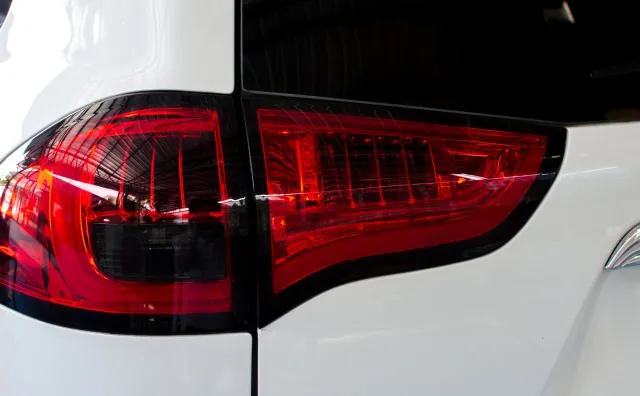
Along the sides, dynamic character lines flow from front to rear, enhancing the car’s athletic stance and contributing to its excellent aerodynamic efficiency. The rear, too, benefits from modern LED taillights that mirror the front’s full-width design, creating a cohesive and sophisticated aesthetic. Depending on the trim, you might find stylish alloy wheel designs ranging from 17 to 19 inches, further enhancing its visual appeal. The N Line variant, in particular, will continue to amplify this sporty persona with unique bumpers, quad exhaust outlets, and specific wheel designs that signal its performance credentials. In a segment often criticized for bland styling, the Sonata consistently proves to be a head-turner, setting it apart from more conservative rivals.
Interior, Space, and Comfort
Step inside the 2026 Hyundai Sonata, and you’re greeted by an interior that rivals cars in higher price brackets. The cabin design is both elegant and driver-centric, featuring high-quality materials and thoughtful ergonomics. Hyundai has paid close attention to creating a sense of spaciousness and sophistication. The dashboard often features a seamlessly integrated panoramic curved display that houses both the digital instrument cluster and the infotainment touchscreen, creating a clean, modern aesthetic.
Comfort is paramount in the Sonata. Both front and rear seats offer excellent support for long drives, with ample head and legroom for adults, even in the rear. Material choices range from durable cloth in base models to luxurious leatherette or genuine leather in higher trims, often complemented by intricate stitching and textured surfaces. The cabin is well-insulated, providing a quiet ride that minimizes road and wind noise, contributing significantly to passenger comfort. Practicality is also a strong suit, with a generous trunk offering competitive cargo space for groceries, luggage, or sports gear. Storage cubbies and cupholders are strategically placed throughout, making the Sonata a highly functional family sedan or an ideal companion for daily commutes.
Technology and Infotainment
Technology is a major highlight of the 2026 Hyundai Sonata, showcasing Hyundai’s commitment to providing cutting-edge features. The centerpiece is likely to be a dual-screen setup, potentially combining a 12.3-inch digital instrument cluster and a 12.3-inch infotainment touchscreen under a single pane of glass, creating a truly immersive digital experience. This system is intuitive, responsive, and boasts crisp graphics.
Standard features are expected to include wireless Apple CarPlay and Android Auto, ensuring seamless smartphone integration. You’ll also find multiple USB ports (including USB-C for faster charging), an available wireless charging pad, and an advanced navigation system. Hyundai’s Bluelink connected car services offer remote start, vehicle diagnostics, and emergency assistance, enhancing convenience and peace of mind. Higher trims may offer a premium Bose audio system for an exceptional listening experience, alongside features like a digital key that allows you to use your smartphone as a car key, and over-the-air (OTA) software updates to keep the vehicle’s systems current. This robust suite of technology makes the Sonata incredibly competitive and a strong contender for the "best sedan for the money" when considering feature-richness.
Engine / Powertrain, Performance, and Fuel Economy
The 2026 Hyundai Sonata is expected to offer a versatile range of powertrains designed to cater to different driving preferences, balancing performance with fuel efficiency.
- Standard Engine: Often a naturally aspirated 2.5-liter four-cylinder engine, producing around 191 horsepower and 181 lb-ft of torque. This engine, paired with an 8-speed automatic transmission, provides smooth, adequate power for most daily driving scenarios and offers respectable fuel economy.
- Turbocharged Engine (N Line): For those seeking more spirited performance, the Sonata N Line typically features a 2.5-liter turbocharged four-cylinder engine, cranking out an impressive 290 horsepower and 311 lb-ft of torque. This engine is usually mated to an 8-speed wet dual-clutch transmission, offering quicker shifts and a more engaging driving experience. The N Line also benefits from a sport-tuned suspension and enhanced steering, transforming the Sonata into a genuine sports sedan.
- Hybrid Powertrain: A highly efficient hybrid option is crucial for many buyers. The Sonata Hybrid combines a 2.0-liter four-cylinder engine with an electric motor, delivering a combined output of around 192 horsepower. This setup prioritizes fuel efficiency, often achieving impressive EPA ratings, particularly in city driving, thanks to its smooth 6-speed automatic transmission.
In terms of driving dynamics, the standard Sonata offers a comfortable and composed ride, absorbing road imperfections with ease. Steering is light and precise, making it easy to maneuver in urban environments. The N Line, however, tightens things up considerably, offering a more athletic feel without sacrificing too much daily comfort. Fuel economy figures will vary by powertrain, but Hyundai consistently aims for competitive numbers, making the Sonata an economical choice for long-term ownership.
Safety and Driver-Assistance Features
Hyundai has made safety a cornerstone of its brand, and the 2026 Sonata will undoubtedly continue this tradition with a comprehensive suite of advanced safety and driver-assistance features, collectively known as Hyundai SmartSense. Many of these features are standard across the lineup, further bolstering the Sonata’s value proposition.
Key standard safety features are expected to include:
- Forward Collision-Avoidance Assist (FCA): Can detect vehicles, pedestrians, and cyclists and automatically apply the brakes to prevent or mitigate a collision.
- Lane Keeping Assist (LKA) and Lane Following Assist (LFA): Helps keep the vehicle centered in its lane.
- Driver Attention Warning (DAW): Monitors driving patterns to detect drowsy or inattentive driving.
- Smart Cruise Control with Stop & Go: Maintains a set distance from the vehicle ahead and can bring the car to a complete stop and resume.
- High Beam Assist (HBA): Automatically switches between high and low beams.
Available features on higher trims often include:
- Blind-Spot Collision-Avoidance Assist (BCA): Provides visual and audible warnings and can apply light braking to prevent collisions when changing lanes.
- Rear Cross-Traffic Collision-Avoidance Assist (RCCA): Warns of approaching vehicles when backing out of a parking space and can apply brakes.
- Highway Driving Assist (HDA): A semi-autonomous driving system that combines adaptive cruise control and lane centering for easier highway driving.
- Remote Smart Parking Assist (RSPA): Allows you to park the car remotely using the key fob.
- Surround View Monitor: Provides a 360-degree view around the vehicle for easier parking.
The Sonata has consistently earned top safety ratings from organizations like the IIHS and NHTSA, and the 2026 model is expected to continue this trend, offering peace of mind to drivers and passengers alike.
Trims, Pricing, and Value for Money
Hyundai is renowned for packing a lot of features into its vehicles at competitive price points, and the 2026 Sonata will be no exception. While specific pricing for 2026 models isn’t available yet, we can anticipate a similar trim structure and value proposition to current models.
Typical trim levels include:
- SE: The entry-level trim, offering excellent standard features like advanced safety tech, an 8-inch touchscreen, and LED lighting. It’s a strong value starting point.
- SEL: Adds more comfort and convenience, such as a larger touchscreen, heated front seats, power-adjustable driver’s seat, and potentially more advanced safety features.
- SEL Plus/Limited: These higher trims introduce premium amenities like leather upholstery, ventilated seats, a panoramic sunroof, the Bose audio system, and the full suite of driver-assistance features.
- N Line: The performance-oriented trim, featuring the more powerful turbocharged engine, sport-tuned suspension, and unique styling elements.
- Hybrid (Blue, SEL, Limited): Dedicated trims for the fuel-efficient hybrid powertrain, mirroring feature sets of their gasoline counterparts.
Expected starting prices for the 2026 Sonata could range from approximately $28,000 for the base SE to well over $38,000 for a fully loaded Limited or N Line model. When you consider the extensive list of standard features, advanced technology, stylish design, and Hyundai’s industry-leading 10-year/100,000-mile powertrain warranty (5-year/60,000-mile new vehicle warranty), the Sonata presents an incredibly compelling value proposition. It consistently offers more bang for your buck than many rivals, making a strong case for being the "best sedan for the money."
Pros and Cons
To truly understand if the 2026 Hyundai Sonata is the right car for you, let’s weigh its strengths and weaknesses:
Pros:
- Striking Design: Stands out in a conservative segment with its futuristic and sporty aesthetics.
- Feature-Rich: Offers an impressive array of standard and available technology and safety features, often found in more expensive cars.
- Excellent Value: Competitive pricing combined with a generous list of features and an outstanding warranty makes it a smart financial choice.
- Spacious and Comfortable Interior: Ample room for passengers and cargo, with a focus on ride comfort and quietness.
- Variety of Powertrains: Options for efficiency (Hybrid), adequate daily performance (2.5L NA), and exhilarating sportiness (N Line).
- User-Friendly Tech: Intuitive infotainment system with seamless smartphone integration.
Cons:
- Subjective Styling: While many love its bold design, it might not appeal to everyone looking for a more traditional sedan aesthetic.
- Driving Dynamics (Non-N Line): While comfortable, base models may not offer the same level of driver engagement as some rivals like the Honda Accord.
- Interior Material Consistency: While generally good, some lower-trim plastics might feel less premium compared to segment leaders.
- No AWD Option: Unlike some competitors (e.g., Subaru Legacy, Nissan Altima on some trims), the Sonata typically does not offer all-wheel drive, which can be a drawback in colder climates.
Rivals and Alternatives: 2026 Hyundai Sonata vs Competitors
The mid-size sedan segment is a tough battlefield, and the 2026 Hyundai Sonata faces formidable opponents. Here’s how it stacks up against its main rivals, focusing on the "best sedan for the money" aspect:
- Honda Accord: The Accord is often considered the benchmark for driving dynamics in the segment, offering a more engaging ride and strong resale value. Its interior is practical and well-built. However, the Accord’s design is more conservative than the Sonata’s, and it may not offer as many standard features for the price, especially in the technology department. For pure driving pleasure and resale, the Accord might edge out, but for sheer feature-per-dollar, the Sonata often wins.
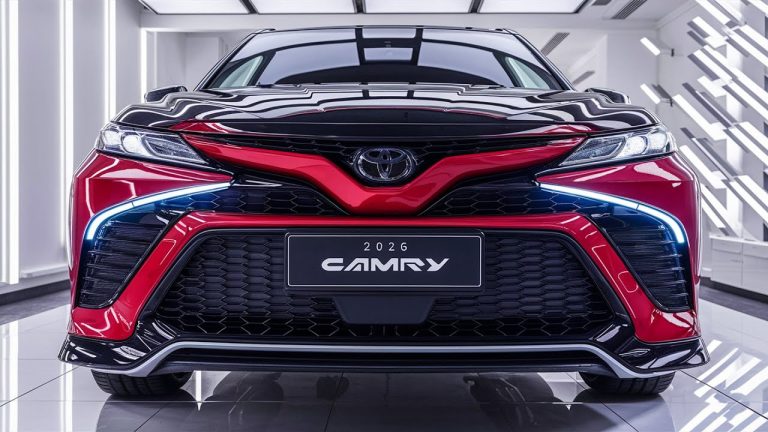
- Toyota Camry: Renowned for its bulletproof reliability, strong resale value, and excellent hybrid fuel economy, the Camry is a perennial best-seller. It offers a wide range of powertrains, including a V6 option. While its recent styling updates have made it more aggressive, it still doesn’t quite match the Sonata’s futuristic flair. The Camry’s infotainment can feel a bit dated compared to Hyundai’s cutting-edge displays, and its base models might feel less upscale. The Sonata often delivers more luxury and tech for similar money, challenging the Camry’s value proposition for many.
- Kia K5: As a platform mate and sibling from the Hyundai-Kia group, the K5 shares many mechanical components and a similar philosophy to the Sonata. It boasts an equally dramatic and sporty design, perhaps even more aggressive than the Sonata. The K5 offers similar technology and value. The choice between the two often comes down to subjective styling preferences and minor interior design differences. Both are strong contenders for "best sedan for the money," with the K5 potentially appealing more to those seeking an overtly sporty look.
- Nissan Altima: The Altima offers comfortable "Zero Gravity" seats and available all-wheel drive, which is a significant advantage for some buyers. Its ProPILOT Assist semi-autonomous driving system is also highly regarded. However, its CVT transmission can feel less refined than the Sonata’s traditional automatic, and its interior design and material quality, while improved, might not feel as premium or as technologically advanced as the Sonata’s. The Altima often competes on price and AWD availability, but the Sonata generally offers a more compelling overall package.
- Subaru Legacy: The Legacy stands out with standard all-wheel drive across its lineup, making it a strong choice for buyers in snowy climates. It’s also known for its strong safety scores and a comfortable, if somewhat understated, interior. However, its design is much more conservative, and its infotainment system, while functional, doesn’t possess the same visual flair or seamless integration as the Sonata’s. Its powertrain options are less exciting than the Sonata N Line, and it may not offer the same level of luxury appointments for the price.
In the head-to-head, the 2026 Hyundai Sonata consistently distinguishes itself with its avant-garde design, a wealth of standard technology, and an unbeatable warranty, making it a very strong contender for the "best sedan for the money" when considering the balance of style, features, and long-term ownership costs.
Buying Tips and Who This Car Is Best For
If you’re considering the 2026 Hyundai Sonata, here are some practical buying tips:
- Test Drive Multiple Trims: The driving experience can vary significantly between the base 2.5L engine, the N Line’s turbo, and the Hybrid. Drive them all to see which suits your style.
- Explore Feature Packages: Hyundai often bundles desirable features into packages. Understand what comes standard and what’s optional on your preferred trim.
- Consider the Hybrid: If fuel economy is a top priority, the Sonata Hybrid offers excellent efficiency without sacrificing much in terms of space or features.
- Compare Warranty: Hyundai’s warranty is a major selling point. Factor this long-term peace of mind into your overall value calculation.
- Check Local Deals: Hyundai often offers competitive financing and lease deals, so shop around at different dealerships.
Who is the 2026 Hyundai Sonata best for?
- Style-Conscious Buyers: If you want a car that stands out from the crowd and looks more expensive than it is.
- Tech Enthusiasts: Those who appreciate a modern, feature-packed interior with advanced infotainment and connectivity.
- Value Seekers: Buyers looking for a car that offers an abundance of features, strong safety, and a great warranty at a competitive price point.
- Families and Commuters: With its spacious and comfortable interior, good fuel economy, and comprehensive safety features, it’s an excellent choice for daily driving and family duties.
- Performance-Oriented Drivers (N Line): If you desire a sportier driving experience without venturing into premium brand territory, the N Line is a fantastic option.
Final Verdict / Conclusion: Is the 2026 Hyundai Sonata the Best Sedan for the Money?
After a thorough examination of its design, interior, technology, performance, safety, and competitive landscape, the 2026 Hyundai Sonata emerges as an incredibly compelling choice in the mid-size sedan segment. It challenges established norms with its bold styling, pushes boundaries with its advanced technology, and delivers exceptional value with its feature-rich trims and industry-leading warranty.
While the definition of "best" can be subjective and depend on individual priorities—the Honda Accord might offer a sharper drive, and the Toyota Camry unbeatable reliability—the Hyundai Sonata strikes an almost unparalleled balance. It provides a near-luxury experience at a mainstream price, blending head-turning aesthetics with practical space, cutting-edge infotainment, and a comprehensive suite of safety features.
For the vast majority of buyers seeking a stylish, comfortable, technologically advanced, and remarkably well-equipped sedan that delivers outstanding value for every dollar spent, the answer is a resounding yes. The 2026 Hyundai Sonata is not just a strong contender; it makes a powerful argument for being the best sedan for the money on the market today. It redefines expectations for the segment and proves that you don’t need to compromise on style, features, or peace of mind to stay within budget. If you’re in the market for a new sedan, the Sonata deserves a top spot on your test-drive list.