The compact SUV segment isn’t just a market; it’s a colossal, fiercely contested battleground. It’s where practicality, efficiency, versatility, and increasingly, style and technology collide. For decades, one name has largely stood sentinel over this domain: the Toyota RAV4. A ubiquitous sight on roads worldwide, the RAV4 has consistently delivered on its promise of reliability, resale value, and sensible transportation. But as we look towards 2026, the landscape is more competitive than ever. Every major automaker has thrown their hat into the ring, often with compelling designs, cutting-edge tech, and innovative powertrains.
So, as the automotive world eagerly anticipates the arrival of the next-generation 2026 Toyota RAV4, the burning question remains: Can it not only defend its crown but also truly stand out as the best SUV for the money against an onslaught of formidable rivals? Let’s strap in and dissect the impending showdown.
The Anticipated Challenger: The 2026 Toyota RAV4
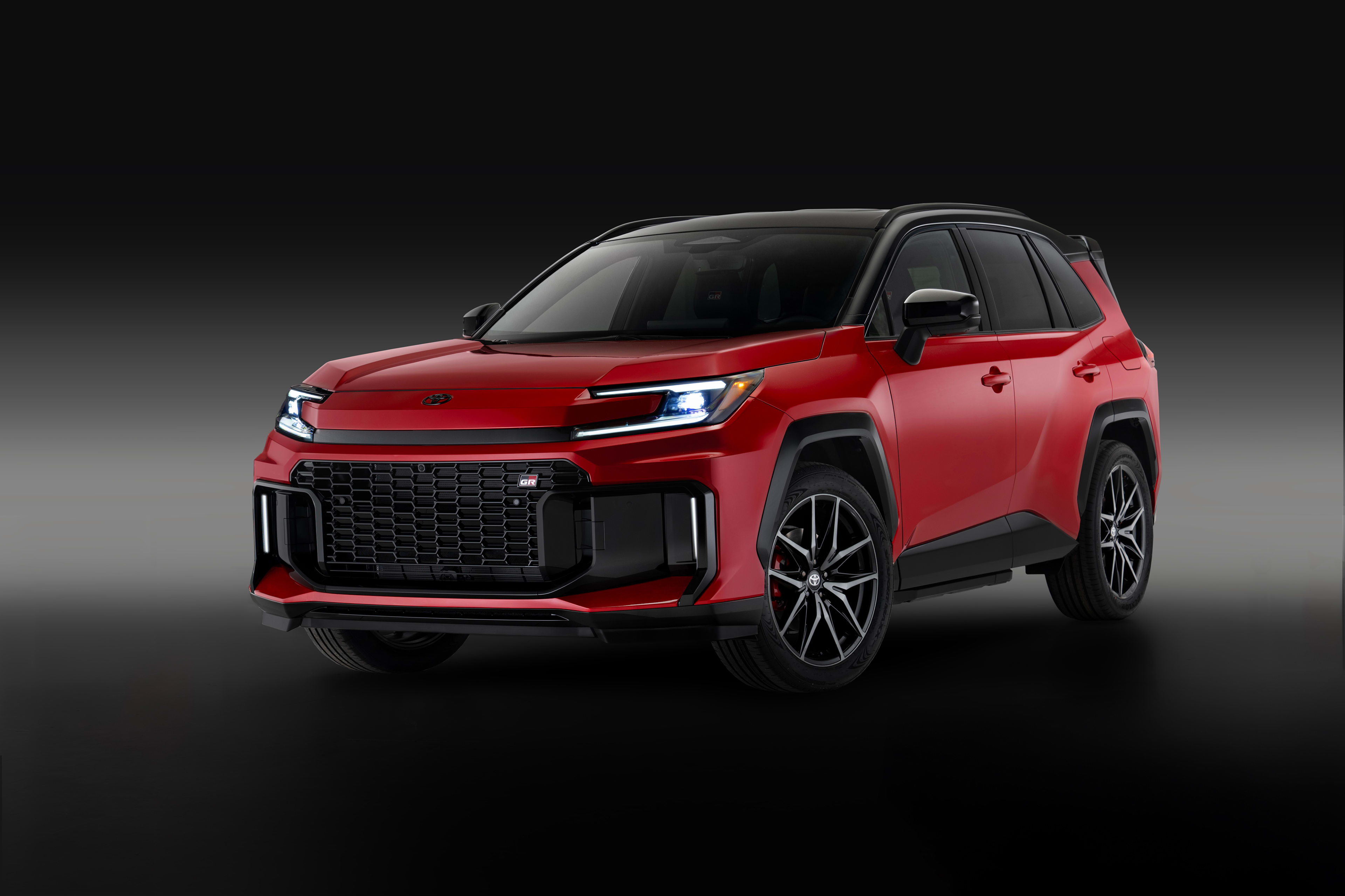
Toyota, ever the master of measured evolution rather than radical revolution, is expected to deliver a 2026 RAV4 that builds upon its strengths while addressing areas where competitors have started to pull ahead. While official details are still under wraps, informed speculation points to several key advancements:
- Design Evolution: Expect a more refined, perhaps slightly more upscale exterior design. The current generation’s rugged, angular aesthetic has been a hit, but 2026 might see a softening of some edges, paired with more sophisticated lighting signatures (think advanced matrix LED headlights) and a wider stance for a more planted look. Toyota will likely aim for a design that balances adventure with urban sophistication.
- Interior Revolution: This is where the RAV4 needs to make its biggest leap. While functional, the current interior can feel a step behind some rivals in terms of material quality, digital integration, and overall ambiance. The 2026 model should feature a fully digital gauge cluster, a larger, more responsive infotainment touchscreen (likely 12.3 inches or more) with wireless Apple CarPlay and Android Auto, and potentially more premium soft-touch materials throughout the cabin. Ergonomics will remain a Toyota strong suit, but expect a more modern, less utilitarian feel. Haptic feedback controls and a more integrated dash design are probable.
- Powertrain Refinements: The heart of the RAV4’s appeal has increasingly been its hybrid offerings. The 2026 model will undoubtedly refine these, offering even better fuel economy figures (pushing 45+ MPG combined for the standard hybrid) and potentially more power. The RAV4 Prime, already a segment leader in PHEV range and performance, could see an extended all-electric range (approaching 50 miles) and a slight bump in total system output, making it an even more compelling proposition. Toyota’s new hybrid architecture, already seen in other models, will ensure smoother power delivery and improved NVH (Noise, Vibration, and Harshness). A conventional gasoline engine option will likely remain, but the focus will firmly be on electrification.
- Chassis and Driving Dynamics: While never a performance SUV, the current RAV4 offers a competent ride. The 2026 model should benefit from a more refined TNGA-K platform, promising a more compliant ride, improved steering feel, and better body control. Toyota might even inject a touch more driving engagement, acknowledging that even mainstream buyers appreciate a car that feels good to drive.
- Technology and Safety: Toyota Safety Sense (TSS) will undoubtedly evolve to version 3.5 or 4.0, offering enhanced capabilities for adaptive cruise control, lane-keeping assist, and automatic emergency braking. Features like hands-free driving assistance on highways (similar to Nissan’s ProPILOT Assist 2.0 or GM’s Super Cruise, albeit perhaps a less comprehensive version) could debut on higher trims. Over-the-air (OTA) updates for software and infotainment will likely be standard.
The Competitor Gauntlet: Who’s Still Standing Strong?
The RAV4 won’t be entering a vacuum. Its rivals have been busy, refining their offerings and pushing boundaries.
-
Honda CR-V (Likely a Mid-Cycle Refresh by 2026): The CR-V has always been the RAV4’s closest rival, often trading blows for sales supremacy. By 2026, we’d expect a mid-cycle refresh for the current generation, bringing updated styling, potentially more advanced infotainment, and further refinements to its excellent hybrid powertrain. The CR-V excels in interior space, clever storage solutions, and a generally smooth, refined driving experience. Its hybrid system is incredibly efficient and seamless. For the money, the CR-V offers a slightly more sophisticated and comfortable interior experience than the outgoing RAV4, with strong resale value.
-
Hyundai Tucson / Kia Sportage (Likely a Mid-Cycle Refresh by 2026): These Korean twins have been design powerhouses, pushing the envelope with aggressive, futuristic styling and feature-packed interiors. By 2026, their current generations will likely receive refreshes, maintaining their striking aesthetics while further refining their robust infotainment systems and potent hybrid/PHEV options. They often offer segment-leading warranties and an impressive array of standard features for the price, making them incredible value propositions. Their interiors are often perceived as more upscale and tech-forward than the current RAV4.
-
Mazda CX-50 / CX-5 (CX-50 the likely focus): Mazda has carved a niche by offering a more premium, driver-focused experience without the premium price tag. The CX-50, with its slightly more rugged aesthetic and excellent driving dynamics, will likely be the primary competitor by 2026. Mazda’s interiors consistently punch above their weight in material quality and design elegance. While their hybrid offerings aren’t as prevalent, their turbocharged gasoline engines provide engaging performance. For buyers prioritizing driving feel and a near-luxury ambiance for their money, Mazda is a strong contender.
-
Nissan Rogue (Likely a New Generation by 2026): Nissan’s turnaround with the current Rogue has been impressive, focusing on comfort, quietness, and a fuel-efficient VC-Turbo engine. By 2026, a new generation is highly probable, potentially building on these strengths with improved ProPILOT Assist capabilities, a more refined CVT, and a further elevated interior experience. The Rogue often leads in front-seat comfort (Nissan’s "Zero Gravity" seats are excellent) and a serene highway ride, offering a compelling value proposition for those prioritizing comfort and ease of use.
-
Subaru Forester (Likely a New Generation by 2026): The Forester is the outdoorsy, practical choice, renowned for its standard Symmetrical All-Wheel Drive, excellent visibility, and robust safety features. A new generation by 2026 would undoubtedly refine its platform, potentially introduce a stronger hybrid option, and modernize its interior tech while retaining its core rugged charm. For those living in areas with challenging weather or who frequently venture off-pavement, the Forester’s unique blend of capability and safety represents exceptional value.
-
Ford Escape (Likely a Mid-Cycle Refresh by 2026): The Escape offers a European-influenced driving experience, with nimble handling and a range of efficient powertrain options, including a compelling hybrid and PHEV. A refresh by 2026 would likely refine its design, update its tech, and potentially improve interior material quality. It often flies under the radar but provides a very balanced package, particularly for those who appreciate a slightly sportier feel.
Head-to-Head: The "Best for the Money" Equation
"Best for the money" isn’t just about the lowest sticker price; it’s a holistic assessment of initial cost, features offered, fuel efficiency, long-term reliability, maintenance costs, and crucially, resale value.
- Initial Cost & Features: Hyundai and Kia often lead here, packing their vehicles with advanced tech, large screens, and safety features that might be optional on base trims of rivals. The new RAV4 will likely close this gap, offering a strong standard feature set, but Toyota rarely aims to be the cheapest upfront.
- Fuel Efficiency: The RAV4 Hybrid and Prime are segment benchmarks. While the CR-V Hybrid is neck and neck, and the Tucson/Sportage hybrids are strong, Toyota’s long-standing dominance in hybrid tech gives it a psychological edge and proven real-world efficiency. For the money, fewer trips to the pump translate directly to savings.
- Long-Term Reliability & Maintenance: This is Toyota’s fortress. Its reputation for ironclad reliability and relatively low maintenance costs is a significant factor in total cost of ownership. While Honda is close, and Korean brands have made huge strides, Toyota often holds the edge in consumer perception and long-term studies.
- Resale Value: This is perhaps the RAV4’s strongest "for the money" argument. Toyota vehicles, especially popular models like the RAV4, consistently command some of the highest resale values in the industry. This means that while your initial purchase might not be the absolute cheapest, the amount you get back when you sell it significantly lowers your true cost of ownership. This factor alone makes a strong case for the RAV4 as "best for the money."
- Warranty: Hyundai and Kia excel with their industry-leading 10-year/100,000-mile powertrain warranties, offering significant peace of mind. Toyota’s standard warranty is more typical, but its proven reliability often negates the need for extensive warranty claims.
The Verdict: A Nuanced Crown
The 2026 Toyota RAV4 is poised to be an incredibly strong contender. Its anticipated improvements in interior quality, technology, and driving dynamics, combined with its proven hybrid powertrains and legendary reliability, will undoubtedly solidify its position as a top choice.
Is it the absolute best SUV for the money for everyone? Not necessarily.
- For the buyer prioritizing absolute upfront value, a cutting-edge design, and a long warranty, the Hyundai Tucson or Kia Sportage might still edge it out.
- For those who value driving engagement and a near-luxury feel without the premium badge, the Mazda CX-50 will remain a compelling alternative.
- For families needing maximum space and clever practicality with a refined hybrid system, the Honda CR-V will continue to be a formidable rival.
- For the adventurer who needs robust AWD and rugged capability, the Subaru Forester stands alone.
However, for the vast majority of compact SUV buyers – those who seek a balanced blend of efficiency, practicality, safety, and, most importantly, unbeatable long-term value through stellar reliability and exceptional resale value – the 2026 Toyota RAV4 will likely remain the undisputed champion. Its improvements will address key competitive weaknesses while leveraging its established strengths, making it incredibly difficult to argue against its overall proposition.
The 2026 RAV4 won’t just be defending its crown; it will be reinforcing its legacy, proving once again that sometimes, the best money you can spend is on the vehicle that simply continues to deliver, year after dependable year. The reign will be reimagined, but the king will likely remain firmly on the throne of value.