The Toyota GR86 has, in its current second-generation guise, cemented its place as a rare beacon of pure, unadulterated driving pleasure in an increasingly electrified and SUV-dominated automotive landscape. It’s a car built for the driver, a throwback to an era where engagement trumped brute force, and lightweight agility was king. As we look ahead to 2026, the question isn’t if the GR86 will continue, but how it will evolve. Will Toyota lean into its successful formula with subtle refinements, or will it embark on a more revolutionary path to adapt to changing industry demands and enthusiast expectations?
While a definitive 2026 model is still several years away and subject to the usual industry secrecy, we can anticipate the direction Toyota’s Gazoo Racing division might take, drawing insights from current automotive trends, the brand’s strategic roadmap, and the enduring philosophy behind the GR86 itself. This comprehensive review delves into the likely design cues, technological advancements, potential powertrain developments, and the crucial pricing strategy that will define the speculated 2026 Toyota GR86.
The Enduring Philosophy: Why the GR86 Matters
Before we dive into the specifics, it’s crucial to understand the GR86’s raison d’être. It’s not about headline-grabbing horsepower figures or opulent interiors. It’s about balance, communication, and accessibility. The GR86 (and its Subaru BRZ twin) offers a front-engine, rear-wheel-drive platform, a naturally aspirated engine, and a precise manual transmission (with an automatic option) at a price point that makes it attainable for a broad spectrum of enthusiasts. It’s a gateway drug to performance driving, a car that teaches you how to drive properly, rewarding skill over sheer power. This core philosophy is unlikely to change drastically, even with future iterations. Toyota understands the niche it occupies and the passionate fanbase it serves.
Exterior Design: Refined Aggression
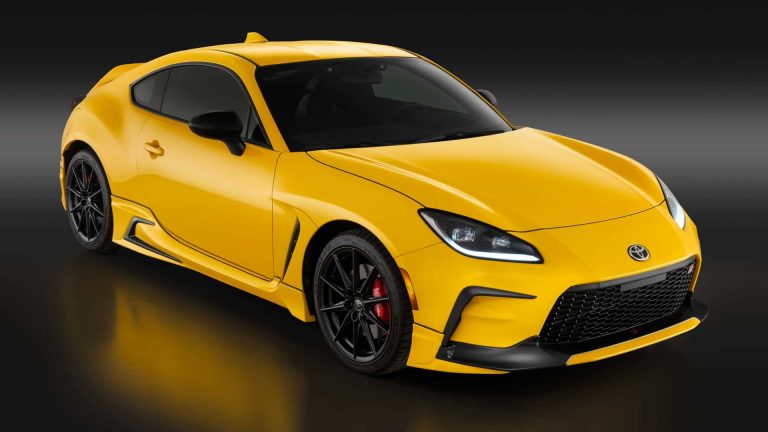
The current GR86, launched for the 2022 model year, features a sleek, low-slung profile with aggressive styling cues that hint at its sporting intentions. For a 2026 model, particularly if it’s a mid-cycle refresh rather than a full redesign, we can expect Toyota to build upon this foundation with subtle yet impactful enhancements.
The overall silhouette, characterized by its long hood, short rear deck, and muscular fenders, will almost certainly remain. Anticipated changes would likely focus on the front and rear fascias. Upfront, expect a more intricate evolution of the GR-specific "Functional Matrix" grille, perhaps with sharper, more defined edges and integrated aerodynamic elements. LED lighting signatures, already a strong point, could become even more distinctive, possibly incorporating sequential turn signals or dynamic welcome lighting sequences.
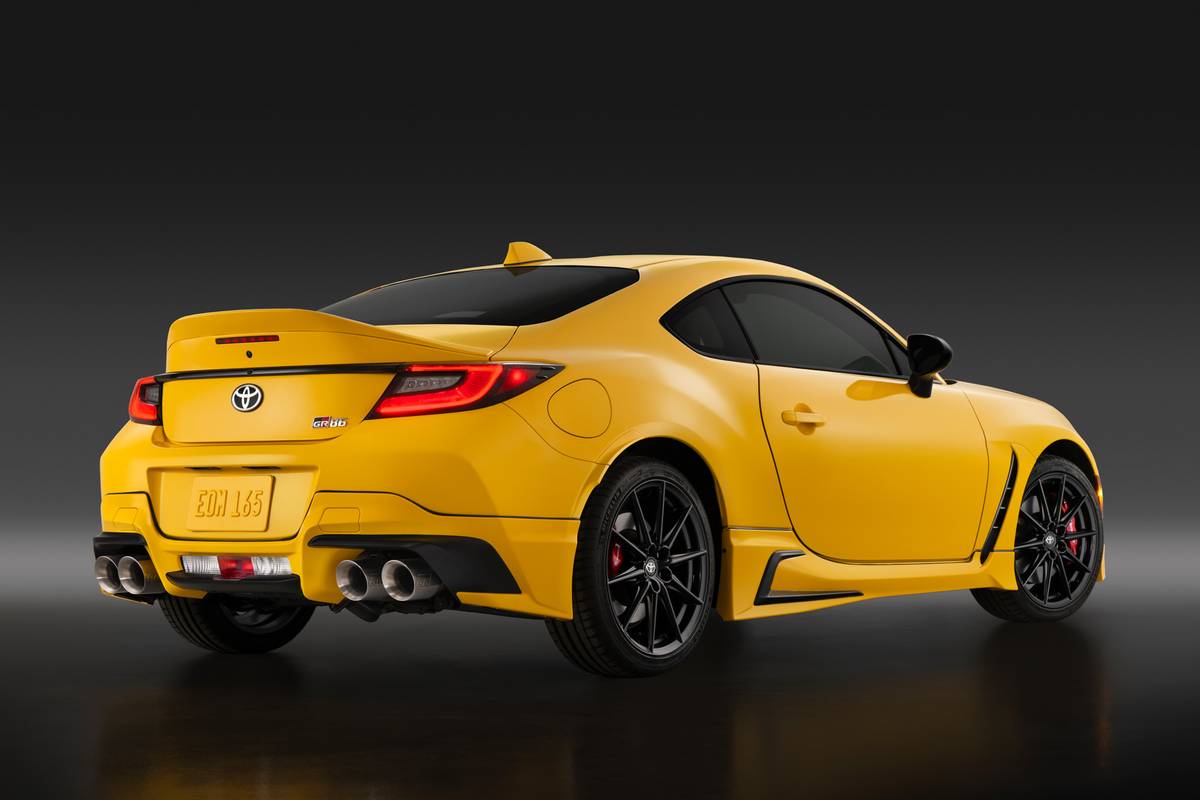
The side profile might see new wheel designs – lighter, more intricate, and perhaps offering new color options. Aerodynamic tweaks, such as subtle side skirt revisions or functional vents, could further refine airflow and improve stability at higher speeds. At the rear, expect updated LED taillight graphics, potentially a more sculpted bumper, and perhaps a redesigned diffuser that integrates the twin exhaust outlets more seamlessly. New paint colors, including vibrant metallic or matte finishes, could also be introduced to keep the GR86 fresh and appealing. The goal will be to maintain its instantly recognizable form while giving it a sharper, more contemporary edge.
Interior & Technology: Driver-Focused Modernity
The current GR86’s interior is a testament to its driver-centric design, prioritizing ergonomics and functionality over lavish luxury. For 2026, this philosophy will undoubtedly continue, but with significant upgrades in technology, materials, and perceived quality.
The cockpit will remain low-slung, with supportive sport seats designed to hold occupants firmly during spirited driving. Material quality, while good for its price point, could see an uplift. Expect more soft-touch surfaces on the dashboard and door panels, improved stitching accents, and potentially new upholstery options, including more premium synthetic leathers or Alcantara inserts. The steering wheel, a crucial point of contact, will likely retain its thick rim and perfect diameter but might incorporate more intuitive button layouts or even haptic feedback controls.
Technology will be a major area of enhancement. The current 8-inch infotainment touchscreen, while functional, could be replaced by a larger, higher-resolution display – perhaps a 10.25-inch unit – with a more intuitive user interface. Wireless Apple CarPlay and Android Auto will likely become standard, addressing a minor criticism of the current model. The digital gauge cluster will almost certainly receive updated graphics, offering more customization options and displaying performance-relevant data with greater clarity. Expect more USB-C charging ports, an improved wireless charging pad, and potentially a more robust premium audio system option.
Toyota’s commitment to safety will also see the GR86 benefit from the latest iteration of Toyota Safety Sense (TSS). This could include enhanced pre-collision systems with pedestrian and cyclist detection, improved adaptive cruise control (for automatic models), lane keeping assist, and potentially a 360-degree camera system, a feature currently absent. While some purists prefer fewer electronic nannies, modern safety features are increasingly mandated and expected by consumers.
Powertrain & Performance: The Million-Dollar Question
This is arguably the most speculative and hotly debated aspect of the 2026 GR86. The current model’s 2.4-liter naturally aspirated flat-four engine, producing 228 horsepower and 184 lb-ft of torque, is a significant improvement over its predecessor. It offers a linear power delivery and a satisfying exhaust note, perfectly complementing the car’s balanced chassis. However, in an era of increasing emissions regulations and the relentless march of electrification, maintaining a naturally aspirated engine presents challenges.
Several scenarios are plausible for 2026:
-
Refined Naturally Aspirated: For a mid-cycle refresh, the most straightforward path is to retain the 2.4-liter FA24 engine with minor tweaks. These could include optimizations for efficiency, slightly revised tuning for a broader torque curve, or minor power bumps (e.g., to 235-240 hp) achieved through software or intake/exhaust improvements. This option would preserve the GR86’s core character and keep development costs down, maintaining its accessible price point. Many enthusiasts would cheer this decision, valuing purity over outright power.
-
Forced Induction (Turbocharging): This is the most significant "what if." The GR Corolla’s potent G16E-GTS 1.6-liter turbocharged three-cylinder engine (producing 300+ hp) has fueled speculation. While transplanting a three-cylinder into a car traditionally known for its flat-four might be a stretch, the idea of a turbocharged GR86 is tantalizing. A small, responsive turbocharger could provide a substantial power boost (e.g., 270-300 hp) without adding excessive weight or fundamentally altering the car’s balance. However, this would drastically change the GR86’s character, introducing turbo lag and a different power delivery, potentially alienating purists who value the NA engine’s linearity. It would also increase complexity and cost. A more plausible turbo option, if pursued, might be a specifically developed smaller turbo for the FA24 engine itself.
-
Hybridization: Toyota is a leader in hybrid technology, and it’s almost inevitable that hybrid powertrains will trickle down into performance models. A mild-hybrid system, similar to those seen in other sports cars, could provide a small electric boost, improve fuel economy, and smooth out power delivery without significantly altering the driving experience. A more advanced performance hybrid, drawing inspiration from Lexus’s hybrid sports cars or even GR’s rally-bred hybrids, could offer significant power gains while still achieving impressive efficiency. This would likely involve a small electric motor integrated with the transmission or rear axle, potentially offering torque vectoring benefits. However, hybridization adds weight and complexity, challenging the GR86’s lightweight ethos.
Given that 2026 is likely a mid-cycle refresh rather than a full third generation, the most probable outcome is a refined naturally aspirated engine, perhaps with slight power bumps and efficiency improvements. A significant powertrain overhaul like turbocharging or full hybridization might be reserved for a hypothetical third-generation model later in the decade. The manual transmission will undoubtedly remain a key offering, alongside an improved automatic transmission that offers quicker shifts and better integration with the engine.
Chassis & Handling: Precision Perfected
The GR86’s current chassis is a masterclass in balance and driver engagement. Its low center of gravity, near 50/50 weight distribution, and stiff body shell contribute to its agile and predictable handling. For 2026, expect Toyota to focus on refining, rather than reinventing, this winning formula.
Suspension components might see recalibrated dampers, potentially offering an even wider range of compliance and stiffness. Bushings could be optimized for reduced NVH (noise, vibration, harshness) without compromising feedback. Subtle tweaks to suspension geometry or anti-roll bar stiffness could further sharpen turn-in and improve mid-corner stability. The electric power steering system, already praised for its linearity and feel, could receive minor software updates for even greater communication between the road and the driver’s hands.
The current GR86 already benefits from a significantly stiffer chassis than its predecessor, thanks to strategic bracing and structural adhesives. For 2026, further minor chassis reinforcements might be implemented to enhance torsional rigidity, leading to even more precise handling and better impact absorption. Larger, more powerful brakes or optional performance brake packages could also be introduced, offering enhanced stopping power and fade resistance for track enthusiasts.
The Driving Experience: An Unbroken Connection
Ultimately, the 2026 GR86 will still be about the driving experience. Regardless of the specific powertrain choice, Toyota will strive to maintain the visceral, connected feel that defines the car. The precise short-throw manual shifter, the perfectly weighted clutch, the immediate throttle response (especially if NA), and the direct, communicative steering will all combine to create a symphony of mechanical feedback.
It will remain a car that encourages you to explore its limits, to learn its nuances, and to grow as a driver. Whether on a winding back road or a track day, the GR86’s ability to communicate its intentions and respond faithfully to driver inputs is its greatest strength. It’s a car that makes you smile, not because of its raw speed, but because of the sheer joy of piloting a finely tuned machine.
Pricing & Trims: Accessible Performance
The GR86’s accessibility has always been a cornerstone of its appeal. The current model offers incredible value for money, positioning it as one of the most affordable true sports cars on the market. For 2026, while inflation and technological upgrades will inevitably lead to a slight price increase, Toyota will likely strive to keep the GR86 competitive.
Current trims (Base and Premium) are likely to continue, with the Premium offering more creature comforts, larger wheels, and perhaps upgraded interior materials. Pricing for the base model might start in the low to mid-$30,000 range, with the Premium trim pushing into the high $30,000s or even touching $40,000 with options. Special editions, often a staple for enthusiast cars, could also be introduced, offering unique colors, badges, or performance-oriented packages at a slight premium.
The Competitive Landscape
The GR86 operates in a shrinking but fiercely loyal segment. Its primary rival will remain the Mazda MX-5 Miata, which offers an even purer, lighter experience, albeit with less power. Other competitors, though perhaps less direct, include the entry-level trims of the Nissan Z, which offers more power but at a higher price point, and performance-oriented hot hatches like the Honda Civic Si or even the Civic Type R, which offer different driving dynamics (front-wheel drive) but similar enthusiast appeal. The GR86’s unique combination of RWD, a naturally aspirated engine (for now), and an accessible price keeps it distinct.
Conclusion: A Future Built on Passion
The speculated 2026 Toyota GR86 represents a pivotal moment for this beloved sports car. While the exact details remain shrouded in mystery, the overriding theme will undoubtedly be one of careful evolution, not radical revolution. Toyota’s Gazoo Racing division has proven its dedication to driver engagement and performance purity.
We can expect a GR86 that looks sharper, feels more refined inside, and offers a more comprehensive suite of technology. The powertrain will remain the biggest question mark, but even if it retains its naturally aspirated heart, it will likely be a more optimized and responsive unit. The chassis, already brilliant, will be honed to deliver an even more telepathic connection between car and driver.
In a world increasingly dominated by autonomous features and electric propulsion, the 2026 Toyota GR86, whatever its final form, will stand as a testament to the enduring appeal of the analog driving experience. It will continue to be a beacon for enthusiasts, a reminder that the joy of driving isn’t about numbers, but about feel, feedback, and the sheer exhilaration of controlling a perfectly balanced machine. The future of the GR86 looks bright, and undeniably, exciting.