The Ford Explorer nameplate is more than just a badge; it’s a cornerstone of American automotive history, a symbol of family adventure, and a consistent best-seller for nearly 35 years. From its groundbreaking debut in 1990, defining the modern SUV, to its contemporary status as a sophisticated three-row crossover, the Explorer has continuously adapted, evolved, and set benchmarks. As we look towards the 2026 model year, Ford is poised to unveil an Explorer that doesn’t just build on its illustrious past but truly redefines its future, marrying cutting-edge technology, enhanced refinement, and an unwavering commitment to versatility.
This isn’t just a mild refresh; the 2026 Ford Explorer is expected to represent a significant evolution, solidifying its position in an intensely competitive segment. With rivals like the Kia Telluride, Hyundai Palisade, Jeep Grand Cherokee L, and Honda Pilot continually raising the bar, Ford understands the imperative of innovation. The 2026 Explorer aims to deliver a compelling package that caters to the modern family’s diverse needs, from daily commutes to cross-country road trips, blending rugged capability with premium comfort and connectivity.
Design: A Commanding Presence, Refined for the Future
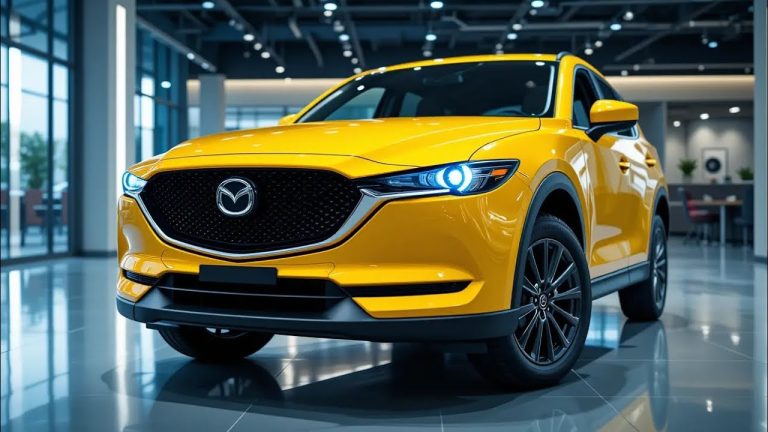
The 2026 Explorer is expected to sport a more assertive and contemporary design language, building on the success of the current generation while incorporating fresh, forward-thinking elements. Anticipate a redesigned front fascia, featuring a larger, more sculpted grille that takes cues from Ford’s latest truck and SUV lineup, perhaps with intricate textures and available active shutters for improved aerodynamics. Sleeker, re-profiled LED headlights, likely with signature daytime running lights, will integrate seamlessly into the grille, giving the Explorer a wider, more confident stance.
The side profile is expected to retain the Explorer’s familiar athletic proportions, but with subtly revised character lines that emphasize its dynamic nature. New wheel designs, ranging from sophisticated multi-spoke alloys on the Platinum trim to rugged, blacked-out options on the Timberline and ST, will add to its visual appeal. The rear will likely see updated LED taillights, perhaps connected by a horizontal light bar for a more cohesive and premium look, along with a reshaped bumper and exhaust finishers that hint at the powertrain within.
Ford is also expected to offer a broader palette of exterior colors, including some vibrant new metallic options, allowing buyers more personalization. The ST-Line and ST variants will undoubtedly retain their sporty accents – unique grilles, body-colored cladding, and larger performance wheels – while the Timberline will continue its distinct off-road aesthetic with increased ground clearance, underbody protection, and all-terrain tires. Overall, the 2026 Explorer’s exterior will communicate a sense of robust elegance, capable of tackling both urban jungles and remote trails with equal aplomb.
Interior: A Digital Tapestry of Comfort and Connectivity
Step inside the 2026 Ford Explorer, and the transformation is expected to be even more pronounced. Ford has clearly listened to feedback, focusing on elevating material quality, refining ergonomics, and integrating state-of-the-art technology. The cabin will likely feel more spacious and airy, thanks to a redesigned dashboard that prioritizes horizontal lines and a less cluttered appearance.
The centerpiece of the interior will undoubtedly be a dramatically larger, horizontally oriented touchscreen infotainment system, likely running the next generation of Ford’s SYNC software (potentially SYNC 5). This screen, anticipated to be 13.2 inches or even larger, will offer crisp graphics, lightning-fast responsiveness, and intuitive menus. Wireless Apple CarPlay and Android Auto will be standard, along with multiple USB-C ports and an available wireless charging pad. A fully digital instrument cluster, customizable to display a wealth of driving information, navigation, and media, will complement the central screen, creating a cohesive digital cockpit experience.
Comfort remains paramount in the Explorer, and the 2026 model is expected to deliver. Ford will likely introduce new seating designs with enhanced bolstering and adjustability, particularly for the front passengers, with available heating, ventilation, and massage functions on higher trims. The second row will offer either a bench seat or captain’s chairs, both providing ample legroom and comfort. Crucially, access to the third row is expected to be improved, perhaps with a more sophisticated one-touch folding mechanism for the second-row seats. While the third row, like in most three-row SUVs, will remain best suited for children or smaller adults on longer journeys, Ford will likely ensure it’s more accommodating than ever, with dedicated climate vents and charging ports.
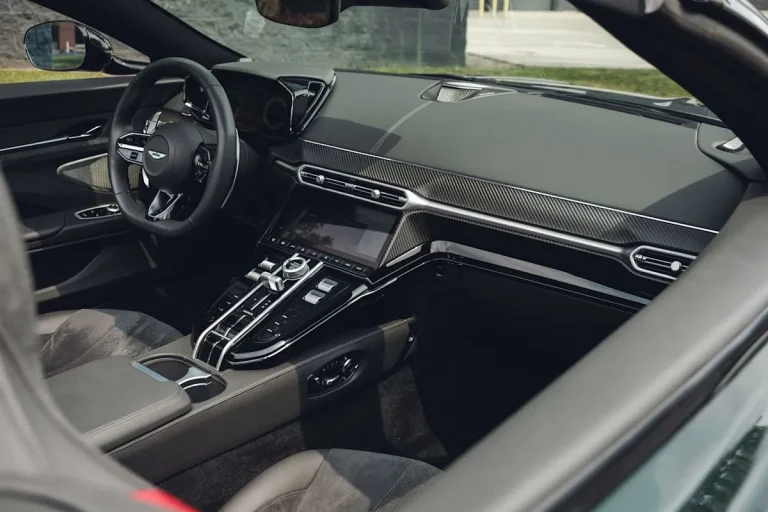
Material quality will see a significant uplift, with soft-touch surfaces throughout the cabin, premium stitching, and thoughtful accent materials like open-pore wood, brushed aluminum, or carbon fiber-look trim depending on the chosen variant. Ambient interior lighting, customizable in a spectrum of colors, will add to the premium ambiance. Storage solutions will be abundant and intelligently designed, including a cavernous center console, large door pockets, and clever cubbies throughout. Cargo capacity, a traditional Explorer strength, will remain impressive, with a flat load floor when the second and third rows are folded, making it ideal for hauling gear.
Powertrain and Performance: Power, Efficiency, and Choice
Ford has historically offered a diverse range of powertrains for the Explorer, and the 2026 model is expected to continue this tradition, emphasizing both performance and fuel efficiency. The venerable 2.3-liter EcoBoost four-cylinder engine, likely with minor refinements for improved output and efficiency, will serve as the base engine, offering a strong balance of power and economy for most buyers. Anticipate around 300 horsepower and 310 lb-ft of torque, paired with Ford’s smooth and efficient 10-speed automatic transmission.
For those seeking more exhilarating performance, the ST and Platinum trims will likely continue to offer the potent 3.0-liter EcoBoost V6. This engine is expected to deliver around 400 horsepower and 415 lb-ft of torque, transforming the Explorer into a genuine performance SUV, especially in the ST guise with its sport-tuned suspension and braking.
However, the real star of the powertrain lineup for 2026 is expected to be the significantly updated Hybrid variant. Leveraging Ford’s extensive experience with electrification, the 2026 Explorer Hybrid is anticipated to offer a more powerful and efficient system than its predecessor. While specific details are still speculative, expect a sophisticated hybrid system combining an efficient gasoline engine (perhaps the 2.3L EcoBoost or a specially tuned V6) with a robust electric motor and a larger battery pack. This setup will likely deliver improved electric-only range, seamless transitions between power sources, and substantially better fuel economy, making it an incredibly attractive option for eco-conscious families without sacrificing power or towing capability. It wouldn’t be surprising to see a combined output approaching 350-400 horsepower, offering strong acceleration alongside impressive MPG figures.
All Explorer models will come standard with rear-wheel drive (RWD), with Ford’s intelligent all-wheel-drive (AWD) system available across the lineup and standard on specific trims like the Timberline and ST. The AWD system will feature selectable drive modes (Normal, Sport, Eco, Tow/Haul, Trail, Slippery, Deep Snow/Sand) to optimize performance for various conditions. Suspension tuning will be refined across the board, aiming for a more composed and comfortable ride, while the ST will retain its firmer, performance-oriented setup for sharper handling. Towing capacity is expected to remain competitive, with the V6 EcoBoost and Hybrid models capable of pulling upwards of 5,000 to 5,600 pounds, making it suitable for boats, campers, or utility trailers.
Safety and Driver-Assistance Technologies: A Guardian on Wheels
Safety has always been a priority for family SUVs, and the 2026 Explorer will set new standards. The Ford Co-Pilot360 suite of driver-assistance technologies is expected to be comprehensive and standard across all trims. This includes features like Pre-Collision Assist with Automatic Emergency Braking, Lane-Keeping System, Blind Spot Information System (BLIS) with Cross-Traffic Alert, and Auto High-Beam Headlamps.
Building on this foundation, higher trims will offer an even more robust array of advanced systems. Ford’s highly acclaimed BlueCruise hands-free driving technology is expected to be a prominent feature, allowing for hands-free driving on pre-mapped highways, further reducing driver fatigue on long journeys. Other anticipated features include Adaptive Cruise Control with Stop-and-Go and Lane Centering, Evasive Steering Assist, Reverse Brake Assist, a 360-degree camera system with split-view display, and enhanced Active Park Assist, which can automatically steer the vehicle into parallel or perpendicular parking spaces. The structural integrity of the Explorer’s platform, combined with these advanced systems, is expected to earn it top safety ratings from both the NHTSA and IIHS.
Trim Levels and Anticipated Pricing
The 2026 Ford Explorer will likely continue its familiar trim structure, offering a ladder of features and capabilities to suit a wide range of budgets and preferences. While exact pricing is speculative, we can project based on current trends, inflation, and the significant technological upgrades.
- Explorer (Base): Expected to start around $38,000 – $40,000. This entry-level model will still be well-equipped with the 2.3L EcoBoost engine, new SYNC infotainment, LED lighting, and the Co-Pilot360 suite, offering excellent value.
- Explorer XLT: Starting around $42,000 – $45,000. Adds features like roof rails, power driver’s seat, upgraded interior materials, and available options like heated seats and a power liftgate.
- Explorer ST-Line: Starting around $47,000 – $50,000. Offers a sporty aesthetic with unique exterior accents, larger wheels, and a sport-tuned suspension, but retains the 2.3L EcoBoost engine.
- Explorer Timberline: Starting around $52,000 – $55,000. The adventurer’s choice, featuring standard AWD, increased ground clearance, underbody skid plates, all-terrain tires, and unique styling elements for enhanced off-road capability.
- Explorer Limited: Starting around $55,000 – $58,000. A more luxurious offering, adding leather upholstery, premium audio system, heated and ventilated front seats, heated second-row seats, and more advanced tech features. The Hybrid powertrain will likely be a standard or highly recommended option here.
- Explorer ST: Starting around $60,000 – $63,000. The performance king, featuring the 3.0L EcoBoost V6, sport-tuned suspension, performance brakes, unique ST styling, and a host of luxurious and tech features.
- Explorer Platinum: Starting around $65,000 – $68,000+. The pinnacle of luxury and technology, likely offering the 3.0L EcoBoost V6 or the Hybrid as standard, premium leather, unique interior trim, adaptive suspension, the full suite of Co-Pilot360 features including BlueCruise, and exclusive exterior details.
These price points reflect the Explorer’s move upmarket, driven by advanced technology, enhanced powertrains, and premium interior appointments. Ford aims to position the Explorer as a strong competitor not just against mainstream rivals but also against some entry-level luxury SUVs.
The Competition: Standing Tall in a Crowded Arena
The three-row SUV segment is arguably the most competitive in the industry, and the 2026 Explorer faces formidable opponents. The Kia Telluride and Hyundai Palisade continue to impress with their value, styling, and robust features. The Honda Pilot and Toyota Highlander offer legendary reliability and strong resale. The Jeep Grand Cherokee L provides a blend of luxury and off-road prowess, while the Volkswagen Atlas caters to those needing maximum interior space.
However, the 2026 Ford Explorer brings a unique blend to the table. Its anticipated design refresh gives it a modern, robust appeal. The interior technological leap, particularly with the large SYNC screen and available BlueCruise, positions it at the forefront of connectivity and driver assistance. The diverse powertrain options, especially the highly efficient and capable Hybrid, offer a compelling choice for various buyers. Furthermore, the distinct personalities of the ST and Timberline trims allow the Explorer to cater to specific niche markets within the broader segment – performance enthusiasts and adventure seekers, respectively. Ford’s deep-rooted understanding of the American family and its needs shines through in the Explorer’s practical design, strong towing capabilities, and comprehensive safety features.
Conclusion: A Legacy Reimagined
The 2026 Ford Explorer is poised to be much more than just another SUV; it’s an ambitious statement from Ford about the future of its most iconic family vehicle. By blending a refreshed, assertive design with a vastly upgraded, tech-rich interior, potent and efficient powertrains (especially the highly anticipated Hybrid), and an arsenal of cutting-edge safety features, the Explorer is ready to tackle the demands of the next generation of families.
It offers a compelling package for those who value versatility, capability, and modern amenities. Whether you’re hauling kids to soccer practice, embarking on a cross-country road trip, or seeking a touch of adventure off the beaten path, the 2026 Explorer is engineered to excel. It’s a testament to Ford’s commitment to innovation and a powerful reminder that some icons, rather than fading, only grow stronger with time, ready to lead the way into a new era of exploration. The 2026 Ford Explorer isn’t just an evolution; it’s a redefinition of what a family SUV can be.