The automotive landscape is a constantly shifting battleground, a vibrant ecosystem where established giants clash with agile newcomers, all vying for the hearts, minds, and wallets of consumers. In the fiercely contested compact SUV segment, the stakes are particularly high. This is the sweet spot for many families and individuals, a blend of practicality, efficiency, and increasingly, style and driving pleasure. For years, the Mazda CX-5 has carved out a unique niche, punching above its weight with a premium feel and engaging dynamics. But as we look towards 2026, with the promise of a next-generation CX-5 on the horizon, the question intensifies: can Mazda’s renewed contender truly stand as the "best SUV for the money" against a formidable roster of rivals?
Let’s buckle up and dive into a speculative, yet informed, analysis of what the 2026 Mazda CX-5 might bring to the table, and how it will stack up against the titans of the segment.
The 2026 Mazda CX-5: A Glimpse into Mazda’s Premium Future
Mazda has been on an undeniable upward trajectory, subtly positioning itself as a "premium" alternative without necessarily commanding luxury brand price tags. The current CX-5 exemplifies this strategy, offering an interior ambiance, material quality, and driving experience that often embarrasses its segment peers. For the 2026 model, the expectation isn’t merely an evolution, but a significant step forward, likely building on the new Large Product Group architecture (which underpins the CX-70 and CX-90) or at least incorporating its design and technological ethos into a refined FWD/AWD platform.
Design and Exterior: Expect the 2026 CX-5 to further refine Mazda’s "Kodo" design language. This means even more sculpted lines, a bolder, perhaps more sophisticated grille, and LED lighting signatures that exude a sense of upscale modernity. It will likely maintain its sleek, athletic stance, perhaps growing marginally in dimensions to address previous criticisms regarding rear passenger space and cargo volume, without sacrificing its nimble feel. The goal will be to make it instantly recognizable as a Mazda, yet distinctly fresh and more aspirational than ever before.
Interior Ambiance and Technology: This is where Mazda truly shines, and the 2026 CX-5 will undoubtedly elevate the experience. Anticipate even higher-quality materials, with soft-touch surfaces extending further down the cabin, intricate stitching, and perhaps more sophisticated trim options like open-pore wood or brushed aluminum accents. The ergonomic layout, a Mazda hallmark, will likely be preserved, focusing on driver-centric controls and an intuitive user experience.
Technology will see a significant leap. While Mazda has traditionally favored a less-is-more approach to screens, the 2026 CX-5 will likely feature a larger, crisper infotainment display, perhaps with wireless Apple CarPlay and Android Auto as standard. A fully digital instrument cluster, configurable to the driver’s preferences, is also a strong possibility. Expect a comprehensive suite of i-Activsense safety features, potentially enhanced with more advanced semi-autonomous driving capabilities, further cementing Mazda’s commitment to safety.
Powertrain and Driving Dynamics: This is the core of the CX-5’s appeal. Mazda’s Skyactiv philosophy emphasizes efficiency and driving pleasure. The base engine will likely be an updated version of the naturally aspirated 2.5-liter four-cylinder, potentially with mild-hybrid assistance for improved fuel economy and smoother power delivery. The turbocharged 2.5-liter, a segment standout, is almost certainly returning, offering exhilarating performance.
Crucially, whispers suggest that higher trims of the CX-5 might even inherit elements of the new inline-six engine family from the larger CX-70/CX-90, albeit perhaps in a less potent, more efficiency-focused tune, or as a sophisticated mild-hybrid offering. This would be a game-changer, pushing the CX-5 squarely into entry-luxury territory regarding refinement and power delivery. Regardless of the engine choice, expect Mazda’s engineers to meticulously tune the chassis, steering, and suspension to deliver that signature engaging, confidence-inspiring driving experience that sets it apart from its more appliance-like competitors. i-Activ AWD will remain a cornerstone, offering sure-footed traction in varying conditions.
The Contenders: A Battle for the Budget Crown
To assess the 2026 CX-5’s value proposition, we must pit it against its fiercest rivals, each bringing unique strengths to the table.
1. Honda CR-V: The perennial bestseller, the CR-V is the gold standard for practicality.
- Strengths: Unmatched interior space (especially rear legroom and cargo), exceptional fuel economy (especially the hybrid), renowned reliability, comfortable ride, strong resale value. It’s the sensible choice that rarely disappoints.
- Weaknesses: While the latest generation is more stylish, its driving dynamics remain competent rather than engaging. The interior, while functional, lacks the premium flair of a Mazda. The base engine can feel uninspired.
- Value Proposition: The CR-V offers incredible long-term value through its reliability, efficiency, and spaciousness. If the 2026 CX-5 grows in size but retains its premium price point, the CR-V might still win on sheer practicality per dollar.
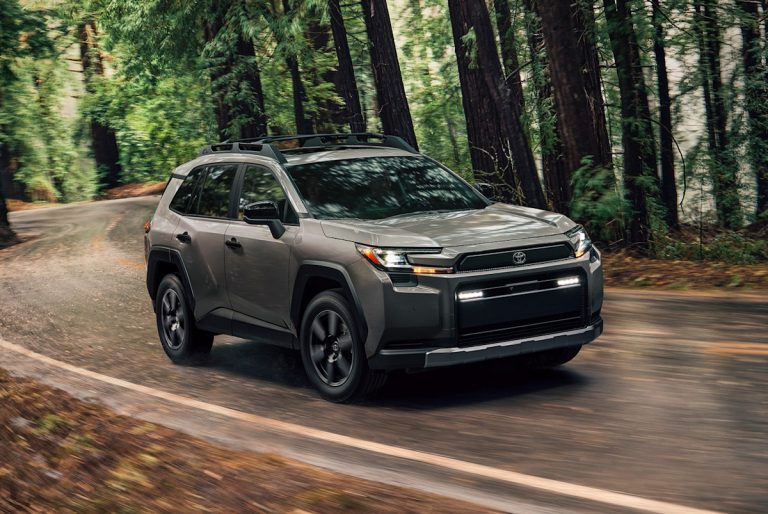
2. Toyota RAV4: The adventurous and rugged alternative, dominating sales charts alongside the CR-V.
- Strengths: Broad appeal with diverse trims (from rugged Adventure/TRD Off-Road to fuel-sipping Hybrid/Prime), stellar reliability, impressive resale value, capable AWD systems, excellent hybrid efficiency.
- Weaknesses: Interior quality, while improved, still lags behind Mazda. The base engine can be noisy, and the infotainment system, though functional, isn’t always cutting-edge. The ride can be a bit firm on certain trims.
- Value Proposition: The RAV4’s diverse offerings and legendary reliability make it a safe and smart buy. Its strong hybrid options provide undeniable value at the pump. The CX-5 will need to offer a compelling alternative in performance or luxury to sway RAV4 loyalists.
3. Hyundai Tucson / Kia Sportage: The Korean twins, redefining what’s possible in the compact SUV segment with bold design and cutting-edge tech.
- Strengths: Daring, futuristic exterior designs, surprisingly upscale and tech-laden interiors (especially on higher trims), excellent standard features, strong warranties, available hybrid and plug-in hybrid powertrains.
- Weaknesses: Driving dynamics, while competent, don’t match the Mazda’s finesse. Some interior materials can still feel a bit plasticky on lower trims. Resale value, while improving, historically trails Honda and Toyota.
- Value Proposition: The Tucson and Sportage offer an incredible amount of style, technology, and features for the money, often undercutting rivals on price. They are compelling choices for those prioritizing aesthetics and modern tech. The 2026 CX-5 will need to justify its likely higher price with an even more refined experience.
4. Subaru Forester: The segment’s utilitarian and safety-focused all-wheel-drive specialist.
- Strengths: Standard symmetrical AWD, excellent outward visibility, impressive safety ratings (EyeSight suite), comfortable ride, practical interior, strong off-road capability for its class.
- Weaknesses: Less powerful engine (solely a 2.5L naturally aspirated flat-four), conservative styling, infotainment can feel dated, CVT transmission isn’t the most engaging.
- Value Proposition: For those prioritizing safety, all-weather capability, and robust practicality, the Forester is a strong value. Its appeal is niche but loyal. The CX-5 will attract a different buyer, one who values driving dynamics and premium feel over pure utility.
5. Nissan Rogue: The comfort-focused, technology-rich option.
- Strengths: Comfortable "Zero Gravity" seats, refined ride quality, strong fuel economy from its VC-Turbo engine, impressive ProPILOT Assist semi-autonomous driving system, attractive interior design.
- Weaknesses: Driving dynamics are uninspired, CVT can drone under hard acceleration, some cabin materials feel a step below Mazda.
- Value Proposition: The Rogue offers a comfortable, tech-forward experience at a competitive price, especially for highway cruising. The CX-5 will easily outshine it in terms of driver engagement.
Head-to-Head: CX-5 vs. the Field on "Value"
The concept of "best SUV for the money" is inherently subjective. For some, it means the lowest purchase price. For others, it’s about the most features for the dollar. For Mazda, it’s always been about delivering an experience that feels more expensive than it is.
1. Driving Dynamics & Performance:
- CX-5 Advantage: This will remain Mazda’s trump card. The 2026 CX-5, with its finely tuned chassis, communicative steering, and potentially more advanced powertrains, will likely run rings around all its direct competitors in terms of driving pleasure. For enthusiasts who appreciate a car that feels alive, the CX-5 offers unparalleled value.
- Competitor Challenge: None truly challenge the CX-5 here, though the Sportage/Tucson are making strides.
2. Interior Quality & Comfort:
- CX-5 Advantage: The 2026 CX-5 is poised to solidify its lead in this area. Its commitment to premium materials, meticulous fit and finish, and ergonomic excellence will likely outclass the mainstream offerings.
- Competitor Challenge: The Hyundai/Kia twins come closest in terms of design and tech, but Mazda’s tactile quality and overall ambiance are generally superior. Honda and Toyota prioritize durability and function over outright luxury.
3. Technology & Safety:
- CX-5 Neutral/Slight Advantage: While Mazda’s i-Activsense is comprehensive, the Korean twins and Nissan offer very compelling tech suites, sometimes with more flashy displays or advanced semi-autonomous features. The 2026 CX-5 will need to match or exceed these to stay competitive on perceived value. Wireless CarPlay/Android Auto and a robust digital gauge cluster will be crucial.
4. Practicality & Space:
- CX-5 Disadvantage (Historically): This is where the CX-5 has traditionally lagged. While the 2026 model might grow slightly, it’s unlikely to rival the cavernous CR-V or the expansive cargo of the RAV4. For buyers prioritizing maximum usable space, the CX-5 might still fall short.
- Competitor Advantage: CR-V and RAV4 are the segment leaders here, offering superior rear legroom and cargo volume.
5. Fuel Economy & Powertrain Diversity:
- CX-5 Neutral/Slight Disadvantage: While Mazda’s Skyactiv engines are efficient, the strong hybrid and PHEV options from Honda (CR-V Hybrid), Toyota (RAV4 Hybrid/Prime), and the Korean twins (Tucson/Sportage Hybrid/PHEV) offer superior fuel economy and, in the case of PHEVs, electric-only range. Mazda’s potential mild-hybrid or inline-six options will need to deliver compelling efficiency to compete.
6. The "Premium" Factor & Resale Value:
- CX-5 Advantage: Mazda’s deliberate move upmarket, coupled with its engaging driving dynamics, gives it a unique "premium for less" appeal. This often translates into strong loyalty and decent resale value, though perhaps not quite at the Honda/Toyota levels. If the 2026 CX-5 further refines this identity, its perceived value will be high.
- Competitor Challenge: Honda and Toyota are kings of resale value. The Korean brands are closing the gap but still have ground to cover.
The Verdict: Is the 2026 Mazda CX-5 the Best SUV for the Money?
The 2026 Mazda CX-5, building on its legacy of driving enjoyment and premium feel, has the potential to be a truly compelling offering. If Mazda plays its cards right – by subtly growing the interior, incorporating cutting-edge technology, and perhaps offering a sophisticated hybrid or inline-six option on higher trims – it will continue to stand out.
However, labeling it the "best SUV for the money" depends entirely on the buyer’s priorities:
- For the driving enthusiast who appreciates quality, design, and a premium feel without breaking the bank: The 2026 CX-5 will likely be the undisputed champion. Its value lies in the experience it delivers, punching far above its price class.
- For the family prioritizing maximum space, bulletproof reliability, and fuel efficiency: The Honda CR-V and Toyota RAV4 (especially their hybrid variants) will likely continue to offer more tangible "value" in terms of pure utility and lower running costs.
- For the tech-savvy buyer who wants bold styling and a feature-packed interior at a competitive price: The Hyundai Tucson and Kia Sportage will remain formidable rivals, offering incredible bang for the buck.
In conclusion, the 2026 Mazda CX-5 won’t be the cheapest option, nor will it likely be the most spacious. But for those who view a vehicle as more than just transportation – for those who value the journey as much as the destination, who appreciate thoughtful design, tactile quality, and an engaging drive – the next-generation CX-5 has every chance of being the most satisfying SUV for the money. It offers a slice of premium motoring at a mainstream price, a proposition that, in today’s market, is increasingly rare and incredibly valuable. The battle for the compact SUV crown will be fierce, but the 2026 Mazda CX-5 is poised to make a very strong case for itself.