The year is 2026, and the automotive landscape, particularly the compact SUV segment, remains a battleground of epic proportions. For decades, one name has consistently stood atop the sales charts, a titan of practicality, reliability, and shrewd value: the Toyota RAV4. But as competitors grow sharper, more technologically advanced, and increasingly diverse in their offerings, can the next-generation 2026 Toyota RAV4, fresh off its anticipated redesign, still claim the coveted title of "Best SUV for the Money?"
Let’s pull back the curtain on what we expect from the all-new RAV4 and pit it against the formidable contenders vying for your hard-earned dollar.
The Anticipated Arrival: The 2026 Toyota RAV4
Toyota doesn’t merely update its best-sellers; it redefines them. The current fifth-generation RAV4, launched for 2019, revolutionized the model with a more rugged aesthetic and a robust hybrid offering that quickly became a segment benchmark. For 2026, we anticipate a RAV4 that builds on this foundation, pushing boundaries in efficiency, refinement, and digital integration while retaining its core tenets of dependability and user-friendliness.
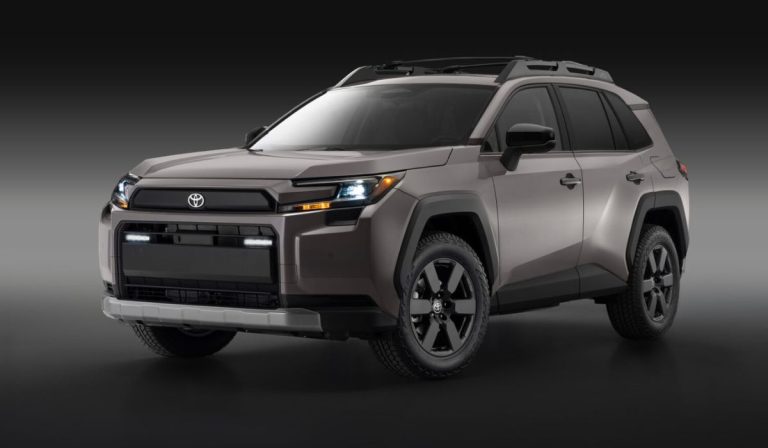
Design & Exterior: Expect an evolution rather than a revolution. The current RAV4’s chunky, adventurous styling has resonated deeply with buyers, and Toyota will be loath to abandon it entirely. We predict a more sculpted, aerodynamic profile, perhaps borrowing cues from the Crown series with sleeker lighting signatures and a more integrated grille. Wheel designs will undoubtedly become more adventurous, and new color palettes will likely include bolder, more sophisticated hues. The Adventure and TRD Off-Road trims will surely continue to offer even more pronounced ruggedness, perhaps with increased ground clearance and more aggressive body cladding.
Interior & Technology: This is where the 2026 RAV4 must make its biggest leap. While functional, the outgoing model’s interior, particularly its infotainment, has started to feel dated compared to fresher rivals. We expect a complete overhaul, with higher-quality soft-touch materials adorning more surfaces, improved ergonomics, and a vastly more sophisticated digital experience. A larger, perhaps curved, infotainment screen running the latest Toyota Audio Multimedia system (seen in recent Tacoma and Grand Highlander models) will be a given, offering wireless Apple CarPlay and Android Auto, robust voice commands, and over-the-air update capabilities. A fully digital instrument cluster will likely become standard or widely available, offering customizable displays. Crucially, we anticipate significant improvements in sound insulation (NVH – Noise, Vibration, Harshness) to provide a quieter, more premium cabin experience. Rear passenger space, already a RAV4 strength, should remain competitive, as will cargo capacity, maintaining its family-friendly utility.
Powertrains & Performance: Efficiency and electrification will undoubtedly remain the RAV4’s north star. While a conventional gasoline engine (likely a refined 2.5-liter four-cylinder) will probably still be offered, the spotlight will be firmly on the hybrid variants. The standard Hybrid is expected to see power increases and even better fuel economy, perhaps pushing past 40 MPG combined. The RAV4 Prime plug-in hybrid (PHEV) will likely receive a substantial upgrade, potentially boasting a larger battery for an extended all-electric range (perhaps 50+ miles) and even quicker acceleration, further solidifying its "performance hybrid" credentials. Toyota might even hint at, or offer, a full battery-electric (BEV) RAV4 variant later in its lifecycle, leveraging its expanding BEV portfolio. Driving dynamics should also see refinement, with a retuned suspension offering a more compliant ride without sacrificing the current model’s composed handling. Toyota’s advanced all-wheel-drive systems, including torque vectoring, will surely continue to be available, catering to various climates and light off-road adventures.
Safety & Driver Assistance: Toyota Safety Sense (TSS) is already a comprehensive suite, but for 2026, we expect TSS 4.0 or an equivalent, bringing even more advanced features. This could include enhanced pedestrian and cyclist detection, intersection assist, improved lane-keeping functionalities, and perhaps a more sophisticated hands-free driving assist system for highway use, similar to what’s found in some Lexus models.
The Gauntlet of Contenders: Who Dares Challenge the King?
The compact SUV segment is a cutthroat arena, and the RAV4 faces a truly formidable lineup of rivals, each bringing its own strengths to the table.
1. Honda CR-V (6th Generation): The CR-V, having received its own complete redesign for the 2023 model year, is a paragon of refinement and practicality. Its interior is spacious, well-appointed, and remarkably user-friendly. The hybrid powertrain is smooth and efficient, delivering excellent real-world fuel economy. Driving dynamics are balanced, prioritizing comfort and predictability. The CR-V’s value proposition lies in its strong reputation for reliability, excellent resale value, and a more upscale cabin feel than its predecessor. However, its exterior design, while handsome, is less adventurous than the RAV4’s, and its hybrid system, while good, doesn’t offer the power or efficiency of the RAV4 Prime.
2. Hyundai Tucson / Kia Sportage (Current Generations): These Korean cousins, both radically redesigned for 2022/2023, represent a seismic shift in the segment. They boast audacious, futuristic styling that turns heads, and interiors that are often perceived as more luxurious and tech-forward than anything else in their class. With available hybrid and plug-in hybrid powertrains, robust standard features, and impressive warranties, they offer incredible bang for the buck. The Tucson focuses on a more sophisticated, digital interior, while the Sportage leans into a slightly more rugged aesthetic. Their value proposition is immense, offering premium features at a mainstream price, though their long-term reliability and resale value, while improving, still don’t quite match Toyota or Honda.
3. Mazda CX-50 / CX-5 (Current Generations): Mazda offers a two-pronged attack. The venerable CX-5, despite its age, continues to impress with its premium interior, engaging driving dynamics, and available turbocharged engine. It’s the choice for those who prioritize driving pleasure and a near-luxury experience. The newer CX-50, launched for 2023, brings a more rugged, outdoorsy aesthetic, higher ground clearance, and a slightly larger, more practical cabin, while retaining Mazda’s signature driving verve. Both offer exquisite interiors for their price point, but their fuel economy (especially with the turbo engines) isn’t class-leading, and neither offers a hybrid option as compelling as the RAV4 or CR-V.
4. Subaru Forester (New Generation Expected by 2026): By 2026, the Forester will likely have received its own comprehensive redesign. Subaru’s calling card remains its standard symmetrical all-wheel-drive, exceptional outward visibility, and rugged capability. The Forester appeals to buyers prioritizing safety, light off-roading, and a no-nonsense approach to utility. We expect the new model to retain these strengths while modernizing its interior tech and potentially offering a more potent or electrified powertrain, building on the current Forester Wilderness’s success. Its value lies in its niche capability and strong safety reputation, but it traditionally lags in powertrain excitement and interior polish compared to the RAV4.
5. Nissan Rogue (Likely Refreshed/New Gen by 2026): The current Rogue, refreshed for 2024, is a strong contender focusing on comfort, quietness, and a surprisingly punchy and efficient variable compression turbo engine. Its interior is plush and well-designed, and Nissan’s ProPILOT Assist offers one of the best semi-autonomous driving experiences in the segment. A new generation or significant refresh by 2026 would likely push these strengths further, potentially reintroducing a hybrid option. The Rogue’s value is in its comfortable ride, premium feel, and strong highway fuel economy, but it lacks the hybrid diversity and long-term resale reputation of the RAV4.
The Crucial Question: Best SUVs for the Money?
Defining "best for the money" is inherently subjective, as it depends on individual priorities. However, we can break down the RAV4’s likely position against its competitors across key value metrics:
1. Initial Purchase Price & Standard Features:
- RAV4: Toyota tends to price its vehicles competitively but often holds back some premium features for higher trims. Its standard safety suite (TSS) will be a major draw.
- Hyundai/Kia: These brands are the masters of offering an abundance of features at every price point, often undercutting rivals on perceived value. They’ll likely offer larger screens, ventilated seats, and more advanced driver aids at lower price points.
- Honda/Mazda/Subaru/Nissan: Generally competitive, with Mazda offering a more premium feel, and Subaru emphasizing AWD and safety.
2. Fuel Economy & Running Costs:
- RAV4: This will likely remain the RAV4’s ace in the hole, particularly its hybrid and Prime variants. The Prime, with its significant EV range, offers substantial fuel savings for daily commuters.
- Honda CR-V Hybrid: A very strong contender here, offering excellent real-world efficiency.
- Hyundai/Kia Hybrids/PHEVs: Also very competitive, offering choice and good efficiency.
- Nissan Rogue: Its VC-Turbo engine offers surprisingly good gas-only efficiency.
- Mazda/Subaru: Tend to lag here, especially with the more powerful engine options.
3. Reliability & Maintenance:
- RAV4: This is Toyota’s enduring legacy. Expect top-tier reliability, lower maintenance costs over time, and a vast, competent dealer network. This translates directly to lower overall cost of ownership.
- Honda CR-V: A very close second to Toyota in this regard, with an equally strong reputation.
- Hyundai/Kia: While vastly improved, their long-term reliability is still being proven against the Japanese giants, though their excellent warranties mitigate some risk.
- Mazda/Subaru/Nissan: Generally good, but not quite matching Toyota/Honda’s legendary status.
4. Resale Value:
- RAV4: Historically, RAV4s hold their value exceptionally well, often depreciating less than most rivals. This is a massive component of "value for the money" over several years of ownership.
- Honda CR-V: Another strong performer in this category, just behind Toyota.
- Subaru Forester: Also tends to hold its value well, especially in regions where AWD is highly valued.
- Hyundai/Kia/Mazda/Nissan: While improving, typically don’t match the top tier.
5. Features Per Dollar & Ownership Experience:
- RAV4: Offers a balanced package of utility, efficiency, and a solid feature set. Its new tech should bring it up to par.
- Hyundai/Kia: Unbeatable for sheer features and perceived luxury at their price points.
- Mazda: Delivers a premium driving and interior experience, if not the most cargo space.
- Honda: A highly refined and practical experience, albeit less flashy.
- Subaru: Best for those who need genuine all-weather/light off-road capability.
- Nissan: Comfort-focused, with strong highway driving aids.
The Verdict: Still the King of Value?
The 2026 Toyota RAV4 is poised to be an even more formidable contender. By refining its already potent hybrid powertrains, dramatically upgrading its interior tech, and maintaining its reputation for bulletproof reliability and outstanding resale value, the RAV4 will continue to appeal to a vast swathe of buyers seeking a dependable, efficient, and practical family hauler.
Will it be the absolute cheapest to buy initially? Perhaps not, especially against the value-packed offerings from Hyundai and Kia. Will it offer the most thrilling driving experience? Probably not, as Mazda still holds that crown. Will it have the most outright luxury? Unlikely.
However, when you factor in the entire cost of ownership – initial price, fuel economy, maintenance, and crucially, depreciation – the 2026 Toyota RAV4 is highly likely to retain its crown as one of, if not the, best SUVs for the money. It offers an unparalleled blend of attributes that make it an intelligent, long-term investment.
For the buyer who prioritizes peace of mind, low running costs, and strong long-term value above all else, the 2026 Toyota RAV4 will almost certainly remain the benchmark. Its competitors are closer than ever, offering more specialized appeals, but the RAV4’s comprehensive excellence across the board will likely ensure its reign continues, albeit against an increasingly sophisticated and diverse court of challengers. The compact SUV market remains a truly exciting place to be.