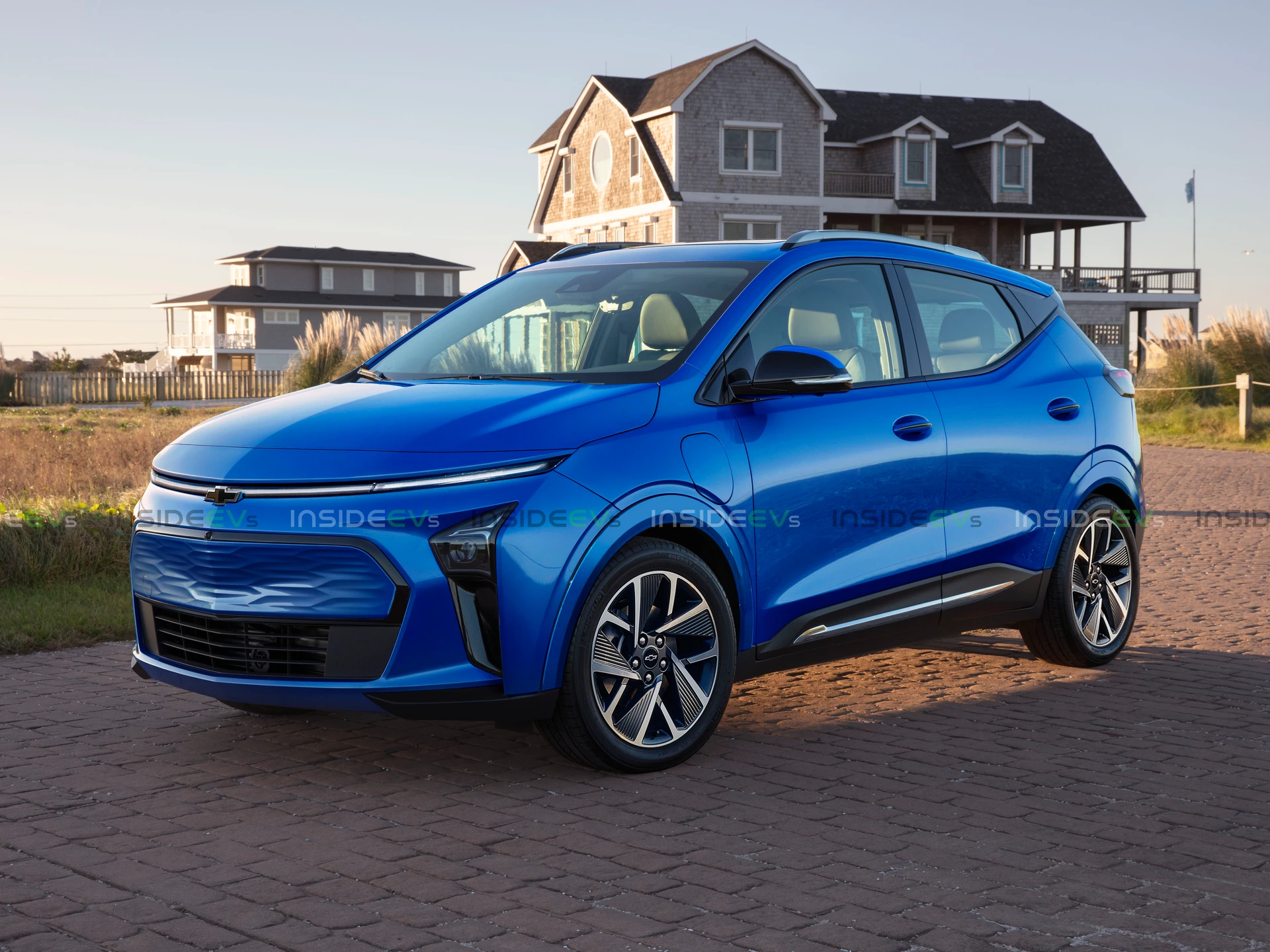
The automotive world is abuzz with anticipation as Chevrolet prepares to resurrect a beloved nameplate: the Bolt EUV. After a brief hiatus, the 2026 Chevrolet Bolt EUV is set to return, not just as a familiar face, but as a groundbreaking vehicle built on GM’s revolutionary Ultium platform. This revival signifies a strong commitment from Chevrolet to dominate the affordable and accessible electric vehicle (EV) market, promising enhanced performance, range, and technology, all while retaining the practicality that made its predecessor so popular.
This comprehensive article will delve into everything prospective buyers need to know, from the eagerly awaited release date to a detailed buying guide designed to help you navigate the purchase process of this exciting new EV.
The Anticipated Return: Why the 2026 Chevrolet Bolt EUV Matters
The original Chevrolet Bolt and Bolt EUV carved out a significant niche in the burgeoning EV market. They were celebrated for their impressive range, practical size, and, crucially, their affordability. However, production of both models ceased at the end of 2023, leaving a void for budget-conscious EV buyers.
Chevrolet, listening intently to consumer demand and recognizing the strategic importance of an entry-level EV, quickly announced the Bolt EUV’s return. The decision to bring it back on the Ultium platform is a game-changer. Ultium is GM’s highly flexible and scalable EV architecture, designed to underpin everything from compact cars to heavy-duty trucks. For the Bolt EUV, this means a host of benefits:
- Improved Efficiency and Range: Ultium’s modular battery and motor system allows for optimized packaging and energy density, translating to longer driving ranges and better overall efficiency.
- Faster Charging Capabilities: The new electrical architecture will undoubtedly support quicker DC fast charging speeds, addressing a key desire for many EV owners.
- Enhanced Performance: Ultium can accommodate more powerful motor configurations, potentially offering improved acceleration and driving dynamics.
- Advanced Technology Integration: The platform is built with future-proofing in mind, enabling seamless integration of advanced driver-assistance systems (ADAS) and cutting-edge infotainment.
- Cost-Effectiveness: By leveraging the economies of scale inherent in the Ultium platform, Chevrolet aims to maintain the Bolt EUV’s competitive pricing, making it accessible to a broader audience.
The 2026 Bolt EUV isn’t just a comeback; it’s a re-imagining, promising to blend the cherished attributes of its predecessor with the cutting-edge capabilities of GM’s next-generation EV technology.
2026 Chevrolet Bolt EUV Release Date and Availability
One of the most pressing questions for eager consumers is: "When can I get my hands on the 2026 Chevrolet Bolt EUV?" While Chevrolet has confirmed the model’s return, precise dates are still somewhat fluid, as is common with new vehicle launches.
Current Projections:
Based on official announcements and industry insider information, the 2026 Chevrolet Bolt EUV is expected to begin production in late 2025, with initial deliveries commencing in early to mid-2026.
Key Milestones to Watch For:
- Official Reveal: Expect a full unveiling of the production-ready 2026 Bolt EUV sometime in late 2024 or early 2025. This event will likely showcase the final design, interior, and detailed specifications.
- Order Books Opening: Following the reveal, Chevrolet will typically open order books or a reservation system. This is your first opportunity to secure a spot in line for the new model.
- Manufacturing Start: Production is anticipated to begin in late 2025. The Bolt EUV will likely be manufactured at a GM facility in North America, which could make it eligible for federal EV tax credits (more on this later).
- Dealer Arrivals: The first units will arrive at dealerships across North America in early 2026. The rollout might be gradual, with certain regions receiving vehicles before others.
How to Stay Informed:
To ensure you don’t miss any crucial updates, we recommend:
- Subscribing to Chevrolet’s official email newsletters.
- Following reputable automotive news outlets and dedicated EV publications.
- Contacting your local Chevrolet dealership and expressing your interest. They can often provide the most localized and up-to-date information on pre-orders and availability.
What to Expect: Features and Specifications of the 2026 Bolt EUV
While specific details are still under wraps, the move to the Ultium platform allows us to make educated predictions about the 2026 Bolt EUV’s capabilities and features.
A. Performance & Range
- Electric Powertrain: Expect a single-motor, front-wheel-drive (FWD) configuration as standard, delivering responsive acceleration suitable for urban and highway driving. Given Ultium’s flexibility, an all-wheel-drive (AWD) option with a dual-motor setup could also be introduced, offering enhanced traction and potentially more power.
- Anticipated Range: The original Bolt EUV offered an EPA-estimated 247 miles. With Ultium’s advancements, it’s highly probable the 2026 model will surpass this, likely targeting an EPA-estimated range of 275 to 300+ miles on a full charge, making it even more competitive for longer commutes and road trips.
- Horsepower & Torque: While exact figures are pending, expect a power output that feels robust for its segment, likely in the range of 200-250 horsepower, providing swift acceleration.
B. Charging Capabilities
- AC Level 2 Charging (Home/Work): The 2026 Bolt EUV will undoubtedly come with an onboard charger capable of handling Level 2 (240V) AC charging. Expect charging times from empty to full in approximately 7-9 hours, making overnight charging convenient.
- DC Fast Charging: This is where Ultium will shine. The new Bolt EUV is expected to support significantly faster DC fast charging speeds compared to its predecessor. While the exact kilowatt (kW) rate is unknown, it should be competitive, allowing for a 10-80% charge in well under an hour, making road trips more feasible.
- Charging Port: A standard CCS (Combined Charging System) port is expected in North America, ensuring compatibility with a wide array of public charging stations.
C. Interior & Technology
- Refined Cabin: Expect a noticeable upgrade in interior materials, fit, and finish compared to the previous generation. Chevrolet will likely aim for a more modern, comfortable, and aesthetically pleasing cabin design, perhaps borrowing cues from other Ultium-based models like the Equinox EV.
- Infotainment System: A large, central touchscreen display running GM’s latest infotainment system with Google Built-in (Google Maps, Google Assistant, Google Play Store) is a near certainty. Wireless Apple CarPlay and Android Auto will also be standard.
- Digital Instrument Cluster: A fully digital driver’s display will provide customizable information, enhancing the modern feel.
- Advanced Driver-Assistance Systems (ADAS): The Chevy Safety Assist suite will be standard, including Automatic Emergency Braking, Front Pedestrian Braking, Lane Keep Assist with Lane Departure Warning, Forward Collision Alert, IntelliBeam (auto high beams), and Following Distance Indicator. Higher trims may offer additional features like Adaptive Cruise Control, Rear Cross Traffic Alert, and potentially even Super Cruise, GM’s acclaimed hands-free driving technology, as an option.
- Connectivity: Over-the-air (OTA) update capabilities will ensure the vehicle’s software remains current, and an available Wi-Fi hotspot will keep occupants connected.
D. Exterior Design
- Modernized Aesthetic: While retaining the EUV’s crossover proportions, the 2026 model will likely feature a fresh, more aggressive, and aerodynamic design in line with Chevrolet’s current EV styling language. Expect sleek LED lighting signatures, a bolder front fascia, and perhaps more sculpted body lines.
- Compact Footprint: It will likely maintain its urban-friendly dimensions, offering easy maneuverability and parking.
- Practicality: The EUV designation means a slightly taller stance and more interior space than a traditional hatchback, particularly for rear passengers and cargo.
The Ultimate Buying Guide for the 2026 Chevrolet Bolt EUV
Purchasing an EV, especially a new and highly anticipated one like the 2026 Bolt EUV, involves several unique considerations. This guide will walk you through the process, from understanding your needs to finalizing the purchase.
A. Understanding the Market & Your Needs
-
Why an EV?
- Lower Running Costs: Electricity is generally cheaper per mile than gasoline, and EVs require less maintenance (no oil changes, spark plugs, etc.).
- Environmental Benefits: Zero tailpipe emissions contribute to cleaner air.
- Driving Experience: EVs offer instant torque, leading to quick acceleration and a quiet, smooth ride.
- Incentives: Significant federal, state, and local incentives can make EVs more affordable.
-
Is the Bolt EUV Right for You?
- Daily Commute & Range Anxiety: Assess your daily driving habits. With an anticipated 275-300+ mile range, the Bolt EUV should comfortably handle most commutes and weekend trips. Consider if you have access to charging at home or work.
- Charging Infrastructure: Do you have a garage or dedicated parking spot for home charging? Are public charging stations readily available in your area?
- Family Size & Cargo: The EUV offers a comfortable ride for four adults and a decent amount of cargo space. If you frequently carry five passengers or very large items, you might consider larger SUVs, but for most families, the EUV is perfectly adequate.
- Budget: While designed to be affordable, ensure it fits your financial plan, considering potential incentives.
-
Competitor Analysis (Brief):
The 2026 Bolt EUV will compete with models like the Hyundai Kona Electric, Kia Niro EV, Volkswagen ID.4, and potentially the upcoming Tesla Model 2 (if it materializes). Its key differentiators will likely be its competitive pricing, the robust Ultium platform, and the extensive Chevrolet dealer network.
B. Pricing and Trims
- Anticipated Starting Price: The previous Bolt EUV started around $27,800. While the Ultium platform adds value, Chevrolet is committed to affordability. Expect the 2026 Bolt EUV to start in the low-to-mid $30,000s before incentives, making it one of the most accessible Ultium-based EVs on the market.
- Trim Levels: Chevrolet typically offers a few trim levels (e.g., LT, Premier, or similar designations). Each trim will build upon the previous one, adding more features, luxury elements, and potentially exclusive options.
- Base Trim: Focuses on essential EV features, good range, and standard safety tech at the lowest price point.
- Mid-Tier Trim: Adds more convenience features, upgraded infotainment, larger wheels, and enhanced interior materials.
- Top Trim: Includes all available luxuries, advanced driver-assist features (potentially Super Cruise), premium audio, and unique styling elements.
- Optional Packages: Look for optional packages that bundle popular features like a sunroof, specific wheel designs, or advanced tech upgrades.
C. Incentives and Tax Credits
Navigating EV incentives can significantly impact the final purchase price.
-
Federal EV Tax Credit:
- The Inflation Reduction Act (IRA) offers a tax credit of up to $7,500 for new qualifying EVs.
- Key Requirements:
- The vehicle must be manufactured in North America (the 2026 Bolt EUV is expected to meet this).
- It must meet specific battery component and critical mineral sourcing requirements (these rules are complex and can change, so stay updated).
- The vehicle’s MSRP must not exceed certain limits ($80,000 for SUVs). The Bolt EUV will easily qualify here.
- The buyer must meet income limitations ($150,000 for single filers, $300,000 for joint filers).
- Point-of-Sale Credit: As of January 1, 2024, buyers can transfer the tax credit to the dealer at the point of sale, effectively reducing the purchase price immediately, rather than waiting for tax season. This is a huge benefit!
-
State and Local Incentives:
- Many states offer additional rebates, tax credits, or other incentives for EV purchases or leases. These can range from a few hundred to several thousand dollars.
- Check your state’s energy or environmental agency websites for current programs (e.g., California’s Clean Vehicle Rebate Project, New York’s Drive Clean Rebate).
- Local utility companies sometimes offer rebates for purchasing EVs or installing home charging equipment.
-
Other Potential Benefits:
- HOV Lane Access: Some states grant EVs access to High-Occupancy Vehicle (HOV) lanes, even with a single occupant.
- Reduced Registration Fees: A few states offer reduced vehicle registration fees for EVs.
D. Financing Your Purchase
-
Leasing vs. Buying:
- Leasing:
- Pros: Lower monthly payments, less upfront cost, ability to drive a new car every few years, avoids long-term depreciation risk, tax credits often "pass through" to lease payments.
- Cons: No ownership equity, mileage restrictions, potential fees for excessive wear and tear.
- Good for: Those who like frequent upgrades, want lower monthly costs, or are unsure about long-term EV ownership.
- Buying:
- Pros: Full ownership, no mileage limits, builds equity, potential resale value.
- Cons: Higher monthly payments, higher upfront costs, responsible for long-term maintenance and depreciation.
- Good for: Those who plan to keep the car for many years, drive a lot, or prefer ownership.
- Leasing:
-
Loan Options:
- Dealership Financing: Convenient, but always compare rates.
- Banks/Credit Unions: Often offer competitive rates. Get pre-approved before visiting the dealership to strengthen your negotiation position.
- Interest Rates: Shop around for the best rates. A good credit score will be crucial.
- Down Payment: A larger down payment can reduce your monthly payments and overall interest paid.
E. The Pre-Order and Purchase Process
- Stay Informed: As mentioned, follow official Chevrolet channels and reputable news sources for updates on the reveal, order opening, and pricing.
- Research Trims and Options: Once details are released, identify which trim level and optional features best suit your needs and budget.
- Contact Dealerships: Reach out to local Chevrolet dealerships expressing your interest. Some may have an internal waiting list or preferred customer programs for pre-orders.
- Pre-Order/Reservation: Be prepared to place a refundable deposit when pre-orders open. This secures your place in the production queue.
- Test Drive: Once vehicles arrive, schedule a test drive to experience the Bolt EUV firsthand. Pay attention to comfort, driving dynamics, technology interface, and overall feel.
- Negotiation (Limited for New EVs): For highly anticipated new models, especially EVs, there might be less room for negotiation on the MSRP, particularly during the initial launch phase. Focus on securing any available incentives, getting a fair trade-in value (if applicable), and favorable financing.
- Finalize Paperwork: Review all purchase agreements, loan documents, and warranty information carefully before signing.
F. Home Charging Installation
For most EV owners, home charging is essential for convenience and cost savings.
- Level 1 (120V) Charging: The Bolt EUV will come with a portable charging cord. This plugs into a standard wall outlet. It’s very slow (adds about 3-5 miles of range per hour) but can be sufficient for low-mileage drivers who charge overnight.
- Level 2 (240V) Charging: This is highly recommended. It requires the installation of a dedicated 240V circuit (similar to a clothes dryer outlet) and a Wall Connector (EVSE – Electric Vehicle Supply Equipment).
- Cost: Installation can range from $500 to $2,000+, depending on your home’s electrical panel, wiring complexity, and local electrician rates.
- Rebates: Check for local utility or government rebates on EVSE purchases and installation.
- Professional Installation: Always hire a licensed electrician for safe and compliant installation.
- Smart Charging: Many home chargers offer smart features, allowing you to schedule charging during off-peak hours (when electricity is cheaper) and monitor usage via an app.
G. Ownership Considerations
- Maintenance: EVs generally have lower maintenance costs than gasoline cars. No oil changes, spark plugs, fuel filters, or complex exhaust systems. Focus will be on tire rotations, brake fluid checks (though regenerative braking reduces brake wear), cabin air filters, and general inspections.
- Insurance: EV insurance rates can sometimes be slightly higher due to the newer technology, higher repair costs for specialized components (like batteries), and potentially higher purchase prices. Get insurance quotes before finalizing your purchase.
- Warranty: Chevrolet will provide a comprehensive warranty, including a separate warranty for the battery and electric powertrain components (typically 8 years/100,000 miles, whichever comes first).
- Resale Value: While predicting long-term resale value for new models is difficult, popular EVs with good range and a strong brand reputation tend to hold their value well. The Ultium platform and continued demand for affordable EVs bode well for the Bolt EUV.
The Future of Affordable EVs and the Bolt’s Role
The return of the Chevrolet Bolt EUV on the Ultium platform is more than just a new model launch; it’s a strategic move that underscores GM’s commitment to making EVs accessible to the masses. The original Bolt proved that a practical, long-range EV didn’t have to break the bank. The 2026 iteration aims to reinforce that message, leveraging advanced technology to offer an even more compelling package.
As the EV market continues to expand and mature, vehicles like the Bolt EUV will be critical in driving mainstream adoption. By offering an attractive blend of affordability, utility, range, and modern features, the 2026 Chevrolet Bolt EUV is poised to become a significant player, helping accelerate the transition to an all-electric future. It represents a crucial entry point into the Ultium ecosystem, paving the way for millions to experience the benefits of electric mobility.
Conclusion
The 2026 Chevrolet Bolt EUV is undoubtedly one of the most anticipated EV releases in the coming years. Its return on the advanced Ultium platform promises a refined, efficient, and technologically superior electric crossover that retains the affordability and practicality that made its predecessor a favorite. With an expected release in early to mid-2026, prospective buyers have time to research, prepare, and plan their purchase.
By understanding the expected features, navigating the incentives, and preparing for the unique aspects of EV ownership, you can confidently embark on the journey to owning a 2026 Chevrolet Bolt EUV – a vehicle poised to once again redefine the landscape of accessible electric mobility. Stay tuned for official announcements, and get ready to electrify your drive.
Frequently Asked Questions (FAQs)
Q1: When is the 2026 Chevrolet Bolt EUV expected to be released?
A1: Production is anticipated to begin in late 2025, with initial deliveries expected in early to mid-2026.
Q2: Will the 2026 Bolt EUV be built on the Ultium platform?
A2: Yes, the 2026 Chevrolet Bolt EUV will be built on GM’s advanced Ultium EV platform, bringing significant improvements in range, charging speed, and technology.
Q3: What is the estimated range of the 2026 Bolt EUV?
A3: While official figures are pending, with the Ultium platform, the 2026 Bolt EUV is expected to offer an EPA-estimated range of 275 to 300+ miles on a full charge.
Q4: How much will the 2026 Chevrolet Bolt EUV cost?
A4: Chevrolet aims to keep the Bolt EUV affordable. The anticipated starting price is in the low-to-mid $30,000s before any applicable incentives.
Q5: Will the 2026 Bolt EUV qualify for the federal EV tax credit?
A5: It is highly anticipated that the 2026 Bolt EUV, being built in North America on the Ultium platform and likely priced under the MSRP cap, will qualify for the federal EV tax credit of up to $7,500. However, eligibility is also subject to battery component sourcing and buyer income limits, so confirm requirements closer to purchase.
Q6: What charging options will the 2026 Bolt EUV offer?
A6: It will support both AC Level 2 home charging (typically 7-9 hours for a full charge) and significantly faster DC fast charging, allowing for a 10-80% charge in well under an hour.
Q7: Will the 2026 Bolt EUV have Super Cruise?
A7: While not confirmed, it is a strong possibility that Super Cruise, GM’s hands-free driving technology, could be offered as an option on higher trim levels of the 2026 Bolt EUV, given its integration into other Ultium-based EVs.
Q8: How does the new Bolt EUV compare to the previous generation?
A8: The 2026 Bolt EUV is expected to be a significant upgrade, offering better range, faster charging, a more refined interior, and enhanced technology thanks to the Ultium platform, while maintaining its core value proposition.