The automotive landscape is a constantly shifting tapestry, with manufacturers perpetually refining, redesigning, and reintroducing their stalwarts to meet evolving consumer demands and technological advancements. In the bustling three-row SUV segment, few names resonate with the same blend of practicality, reliability, and family-friendly appeal as the Honda Pilot. For decades, it has been the steadfast choice for countless households, ferrying kids to soccer practice, tackling road trips, and confidently navigating the daily grind.
While the current, fourth-generation Pilot, which debuted for the 2023 model year, brought a much-needed injection of rugged styling, enhanced capability, and updated technology, the automotive world never stands still. Whispers and educated speculation are already beginning to swirl around the inevitable: the 2026 Honda Pilot. While it’s highly unlikely to be a full redesign given its recent overhaul, the 2026 model year is precisely when Honda typically introduces a significant mid-cycle refresh for its popular models. This means subtle but impactful changes that keep the Pilot competitive and fresh.
For prospective buyers, this impending refresh presents a compelling dilemma: do you jump on the current model, or hold out for the potentially more refined 2026 iteration? This comprehensive article will delve into everything we anticipate for the 2026 Honda Pilot, from its expected release date and the likely enhancements it will bring, to a detailed buying guide designed to equip you with all the knowledge needed to make an informed decision.
Part 1: The Anticipation – What to Expect from the 2026 Honda Pilot
Given the 2023 model year marked a comprehensive overhaul, transforming the Pilot into a more adventurous and capable SUV, the 2026 model will almost certainly represent a mid-cycle refresh. Think evolution, not revolution. These refreshes are crucial for manufacturers to address early feedback, integrate newer tech that might have matured since the initial launch, and keep the model visually appealing.
1. Exterior Design: Subtle Sharpening and Modern Touches
Expect the core aesthetic of the current Pilot to remain, but with strategic updates designed to enhance its contemporary appeal. We’re likely to see:
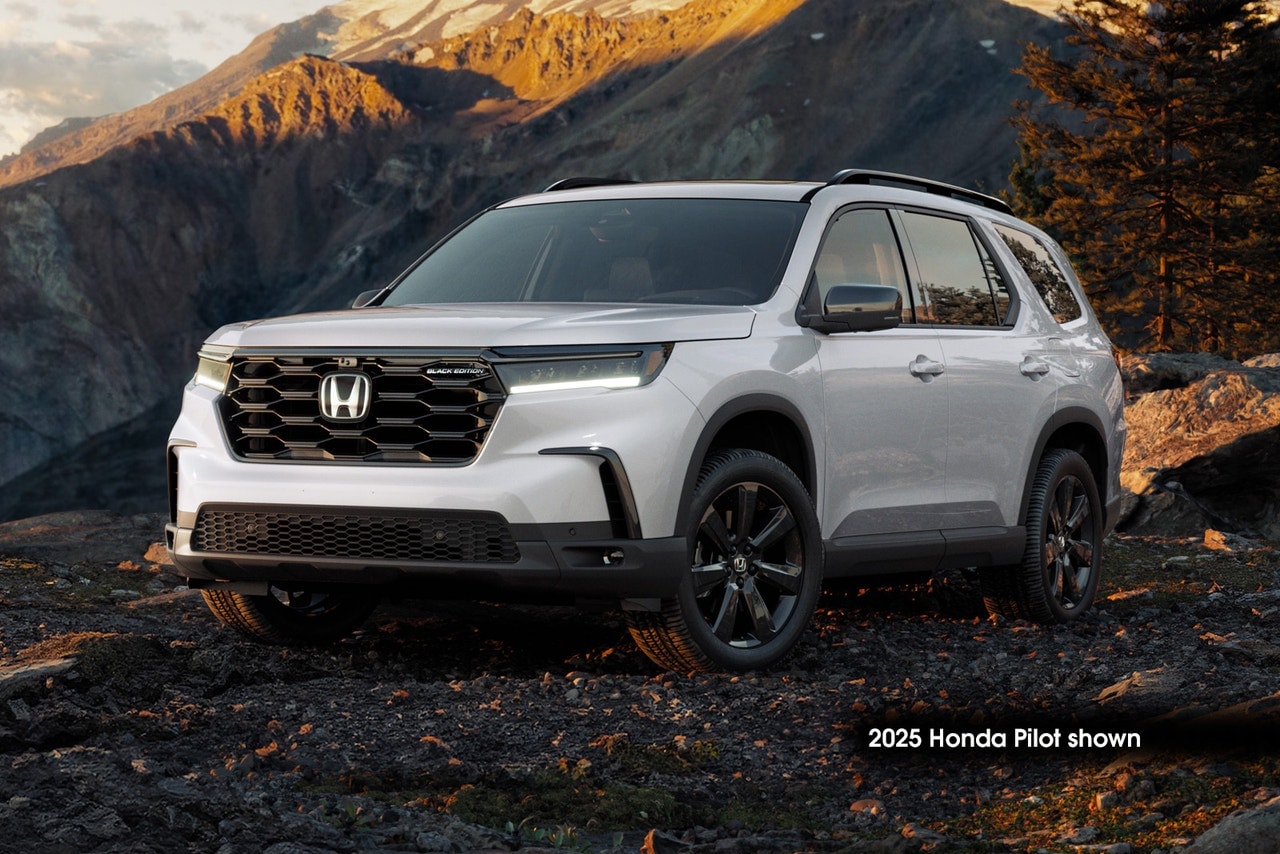
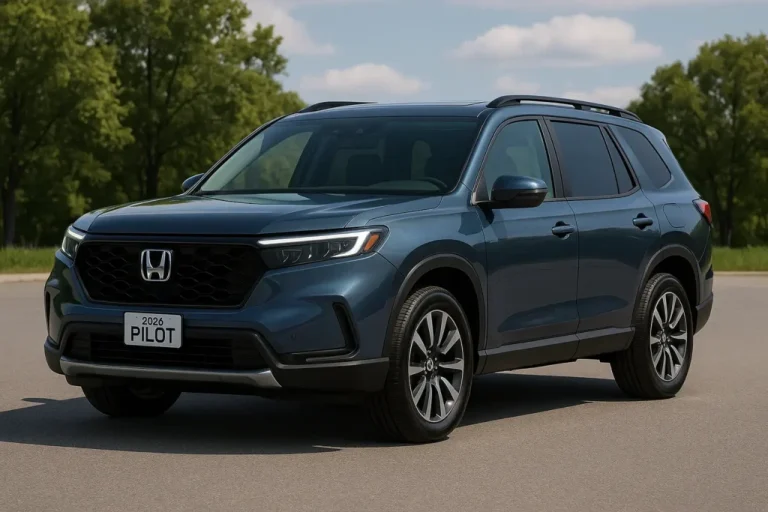
- Revised Front and Rear Fascias: This is a common refresh tactic. Expect subtly reshaped bumpers, possibly with new intake designs or trim accents. The grille might see a minor tweak in pattern or finish.
- Updated Lighting Signatures: Honda could introduce new LED daytime running light designs or slightly alter the internal graphics of the head and taillight clusters. This small change can significantly modernize a vehicle’s face.
- New Wheel Designs: A fresh set of alloy wheel options across various trim levels is almost a certainty, offering buyers more choice and updating the vehicle’s profile.
- New Exterior Color Palettes: Manufacturers often introduce a few new paint options and retire some older ones during a refresh to keep the lineup vibrant.
The rugged, squared-off aesthetic introduced with the fourth generation, especially prominent in the TrailSport trim, will undoubtedly carry over, perhaps with some minor enhancements to its off-road-oriented features.
2. Interior Refinements: Enhanced Tech and Premium Comfort
The current Pilot’s interior is a significant step up from its predecessor, focusing on functionality, spaciousness, and robust materials. For 2026, Honda will likely aim to elevate the experience further:
- Infotainment System Upgrade: While the current system is competent, technology evolves rapidly. We could see a larger central touchscreen option, updated software with faster processing, enhanced graphics, and potentially more wireless integration features beyond just Apple CarPlay and Android Auto. Expect improvements in voice command recognition and native navigation systems.
- Digital Instrument Cluster Enhancements: The available digital driver’s display might receive new customizable layouts or higher-resolution graphics.
- Material Upgrades: Honda might introduce new upholstery options, revised trim accents (e.g., different wood grain, metallic finishes), or softer-touch materials in key areas to give the cabin a more premium feel, especially in higher trims.
- Ergonomic Tweaks: Minor adjustments to button layouts, console storage, or charging ports are possible based on user feedback.
- Improved Sound Deadening: While already quiet, Honda might add further sound insulation to enhance cabin serenity, a common mid-cycle refinement.
3. Powertrain: The V6 Continues, Hybrid Hopes Remain
The current Pilot is powered by a robust 3.5-liter V6 engine, producing 285 horsepower and 262 lb-ft of torque, paired with a 10-speed automatic transmission. This powertrain is lauded for its smooth operation, proven reliability, and ample power for family duties.
- Carryover V6: It’s highly probable that this V6 engine will carry over unchanged for the 2026 refresh. It’s a relatively new iteration and performs admirably.
- Hybrid Speculation: This is where things get interesting and could be a significant addition. Honda has been aggressive in electrifying its lineup, and a hybrid variant of the Pilot seems like a natural and necessary step to compete with rivals like the Toyota Grand Highlander Hybrid and Kia Sorento Hybrid. While not guaranteed for a mid-cycle refresh, the 2026 model year would be an ideal time to introduce such an option, potentially leveraging technology from the CR-V Hybrid or Ridgeline (if a more powerful system is needed). A hybrid Pilot would significantly boost fuel economy and appeal to an even broader segment of buyers concerned about efficiency. This would be the "game-changer" feature for a refresh.
4. Technology & Safety: Honda Sensing Evolution
Honda’s commitment to safety is paramount, and the Honda Sensing suite of driver-assist technologies is a cornerstone of the Pilot’s appeal.
- Enhanced Honda Sensing: While the core features (adaptive cruise control, lane-keeping assist, collision mitigation braking) will remain, expect refinements. This could include improved camera and radar sensors for more accurate detection, smoother operation of adaptive cruise control, or even new features like enhanced traffic jam assist or expanded blind-spot monitoring capabilities.
- Connectivity Features: Over-the-air (OTA) update capabilities for the infotainment system might become more robust, and new subscription-based connected services could be introduced or enhanced.
5. Driving Dynamics: Refined Ride and Handling
The current Pilot offers a comfortable and composed ride. For 2026, any changes would likely be subtle:
- Suspension Tweaks: Minor recalibrations to the suspension could further refine ride comfort or slightly sharpen handling, without compromising its family-friendly character.
- Steering Improvements: A slightly more direct or communicative steering feel could be a minor but welcome enhancement.
6. Trim Levels: Consistency with Potential Additions
The existing trim structure (LX, Sport, EX-L, Touring, Elite, TrailSport) is comprehensive. Honda will likely retain these, but a mid-cycle refresh could introduce:
- Special Edition Trim: Sometimes, manufacturers introduce a special edition with unique styling elements or a specific package of features to generate buzz.
- Re-packaging of Features: Some features currently exclusive to higher trims might trickle down to mid-range models, or new option packages might become available.
Part 2: The Release Date – When Can You Get Behind the Wheel?
Predicting exact release dates years in advance is always speculative, but based on Honda’s typical product cycles, we can make an educated guess.
- Current Generation Launch: The fourth-generation Pilot was introduced for the 2023 model year.
- Typical Mid-Cycle Refresh: Honda usually implements a significant mid-cycle refresh roughly 3-4 years into a new generation’s lifecycle.
- Projected Timeline: Therefore, the 2026 model year aligns perfectly with this pattern. This means we can expect the 2026 Honda Pilot to officially debut in late 2025. Sales would then likely commence in late 2025 or early 2026.
Factors Influencing the Timeline:
- Supply Chain Resilience: Global supply chain issues have eased but remain a factor. Honda will want to ensure a smooth production ramp-up.
- Market Conditions: Economic factors and consumer demand will always play a role in how aggressively a new model or refresh is rolled out.
- Competitor Actions: The introduction of new rivals or significant updates from competitors could influence Honda’s timing.
Staying Informed:
The best way to stay updated on the official release date and confirmed features is to:
- Follow Automotive News Outlets: Reputable car magazines and websites will be the first to report on spy shots, official announcements, and embargoed information.
- Check Honda’s Official Website: As the launch approaches, Honda will release teaser images and eventually a full press release.
- Contact Your Local Honda Dealership: Sales managers often receive early information from the manufacturer.
Part 3: The Buying Guide – Navigating Your Purchase Journey
Whether you decide to wait for the 2026 model or find a great deal on a current 2024/2025 Pilot, this buying guide will help you make a smart, informed decision.
1. Is the 2026 Honda Pilot Right for You?
Before diving into trims and features, assess your needs:
- Family Size: Do you regularly need seating for 7 or 8 people? The Pilot excels here.
- Lifestyle: Do you often transport gear, go on road trips, or need light towing capability?
- Budget: What’s your comfortable spending range for purchase and ongoing ownership?
- Priorities: Is fuel economy paramount, or are you willing to trade a bit for robust power and capability? Do you prioritize cutting-edge tech or proven reliability?
- Adventure Quotient: If you like venturing off paved roads, the TrailSport trim is specifically designed for you.
2. Understanding Trim Levels (Based on Current, Expected for 2026)
Honda typically structures its trims to offer increasing levels of features and luxury.
- LX: The entry point. Offers core necessities: Honda Sensing, basic infotainment, LED lighting. Great for budget-conscious buyers who need space and reliability without frills.
- Sport: A popular step up. Adds more aesthetic appeal (larger wheels, roof rails), heated front seats, and potentially more tech like blind-spot monitoring. A good balance of value and popular features.
- EX-L: Often considered the sweet spot. Elevates comfort and convenience with leather upholstery, power liftgate, larger infotainment screen, wireless Apple CarPlay/Android Auto, and more USB ports. Ideal for families wanting a comfortable, connected experience.
- TrailSport: The rugged adventurer. Builds on EX-L with off-road tuned suspension, all-terrain tires, skid plates, increased ground clearance, and unique exterior styling. Perfect for those who venture beyond pavement.
- Touring: Adds significant luxury and technology. Features often include navigation, premium audio system, panoramic sunroof, heated steering wheel, and potentially ventilated front seats. For buyers who want a near-premium experience.
- Elite: The top-tier luxury. Builds on Touring with exclusive interior materials, a fully digital instrument cluster, ventilated front seats (if not on Touring), and advanced comfort features. Offers the full Honda Pilot experience.
Key Questions to Ask Yourself about Trims:
- Which safety features are non-negotiable for me? (All Pilots come with Honda Sensing, but higher trims add more.)
- Do I need leather seats, or is cloth fine?
- How important is a premium audio system or a panoramic sunroof?
- Will I ever go off-road enough to justify the TrailSport?
3. Pricing Expectations (Estimated for 2026)
Given the current pricing and the nature of a mid-cycle refresh, expect a slight increase over the 2025 model year.
- Current Range (2025 Est.): $39,000 (LX) to $54,000 (Elite) before destination.
- 2026 Estimated Range: $40,000 (LX) to $56,000 (Elite) before destination.
- Hybrid Premium (if introduced): A hybrid option would likely command a premium of $2,000 – $4,000 over comparable gasoline trims.
4. Key Features to Prioritize
- Safety (Honda Sensing): This is standard across the board, providing crucial driver assistance.
- All-Wheel Drive (i-VTM4 AWD): If you live in a snowy climate or plan on light off-roading, Honda’s intelligent Variable Torque Management AWD system is highly recommended. It’s optional on most trims and standard on Elite and TrailSport.
- Seating Configuration: Decide if you prefer a second-row bench (8-passenger) or captain’s chairs (7-passenger). Higher trims often default to captain’s chairs.
- Infotainment & Connectivity: Ensure the system meets your needs for navigation, media, and smartphone integration.
- Comfort Features: Heated seats, power liftgate, tri-zone climate control can significantly enhance daily enjoyment.
5. The Test Drive Experience
This is non-negotiable. Spend adequate time with your chosen trim.
- Bring the Family: Load up the kids, car seats, and even some gear to simulate real-world usage.
- Drive Your Route: If possible, take it on your commute, a highway stretch, and some city streets.
- Assess Comfort: Pay attention to seat comfort, visibility, and ergonomics.
- Evaluate Powertrain: How does the V6 feel under acceleration? Is the transmission smooth?
- Test Technology: Play with the infotainment system, use voice commands, and try out the Honda Sensing features (safely!).
- Cargo Space: Practice folding seats and accessing the third row.
6. Financing & Leasing
- Financing (Buying): You own the vehicle outright after payments. Good for those who drive many miles, customize their vehicle, or plan to keep it for a long time. Shop for interest rates before you go to the dealership.
- Leasing: You essentially rent the car for a set period (typically 24-48 months) with mileage limits. Good for those who like to drive a new car every few years, have a predictable commute, and want lower monthly payments. Be aware of wear-and-tear charges at lease end.
- Haggling: Don’t be afraid to negotiate the price, especially if you have competing offers or are looking at a current model year.
7. Trade-ins and Negotiation
- Know Your Trade-in Value: Get estimates from multiple sources (Kelley Blue Book, Edmunds, CarGurus) before stepping into the dealership. This empowers you to negotiate.
- Separate Negotiations: Treat your trade-in as a separate transaction from the new car purchase. Get a price for the new Pilot, then discuss your trade.
- Be Prepared to Walk Away: This is your most powerful negotiating tool.
8. Ownership Costs
- Fuel Economy: The current V6 Pilot is rated around 21 MPG combined (FWD) or 20 MPG combined (AWD). Factor this into your budget. A potential hybrid would significantly improve this.
- Insurance: Get quotes for the specific trim you’re considering, as rates vary based on location, driver history, and vehicle.
- Maintenance: Honda vehicles are known for reliability, but regular maintenance (oil changes, tire rotations) is essential. Factor in annual costs.
- Resale Value: Honda Pilots typically hold their value well, which is a significant long-term benefit.
9. Competition
The three-row SUV segment is fiercely competitive. Consider these rivals:
- Toyota Grand Highlander: A strong contender, especially its hybrid variants, offering exceptional fuel economy and space.
- Kia Telluride / Hyundai Palisade: Known for upscale interiors, strong value, and distinctive styling.
- Nissan Pathfinder: Also recently redesigned, offering a robust V6 and competitive features.
- Subaru Ascent: Standard AWD and strong safety features, but with a less powerful turbocharged four-cylinder.
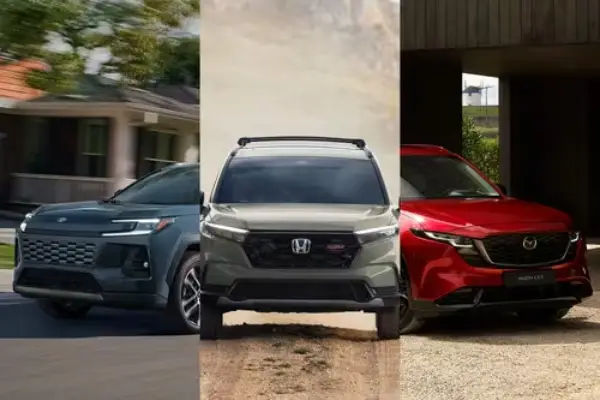
- Mazda CX-90: A newer, more premium entrant with inline-six engine options and a focus on driving dynamics.
Compare the Pilot against these based on your specific priorities for space, driving dynamics, fuel economy, and features. The Pilot typically stands out for its blend of proven reliability, practical interior design, and balanced driving experience.
Conclusion: The Enduring Appeal of the Pilot
The 2026 Honda Pilot, while likely a mid-cycle refresh, promises to build upon the strong foundation of the current generation. With anticipated updates to its styling, interior technology, and potentially the groundbreaking addition of a hybrid powertrain, it’s poised to reinforce its position as a segment leader.
For families and adventurers alike, the Pilot continues to offer an enticing package of space, safety, and Honda’s renowned reliability. Whether you choose to jump into a current model or patiently await the refined 2026 iteration, understanding what to expect and how to navigate the buying process will ensure you make a choice that perfectly suits your lifestyle and budget.
The horizon for the Honda Pilot looks bright, continuing its legacy as the quintessential family SUV, ready for whatever the road—or the trail—throws its way. Stay tuned, as the official details of the 2026 Pilot will undoubtedly be worth the wait.