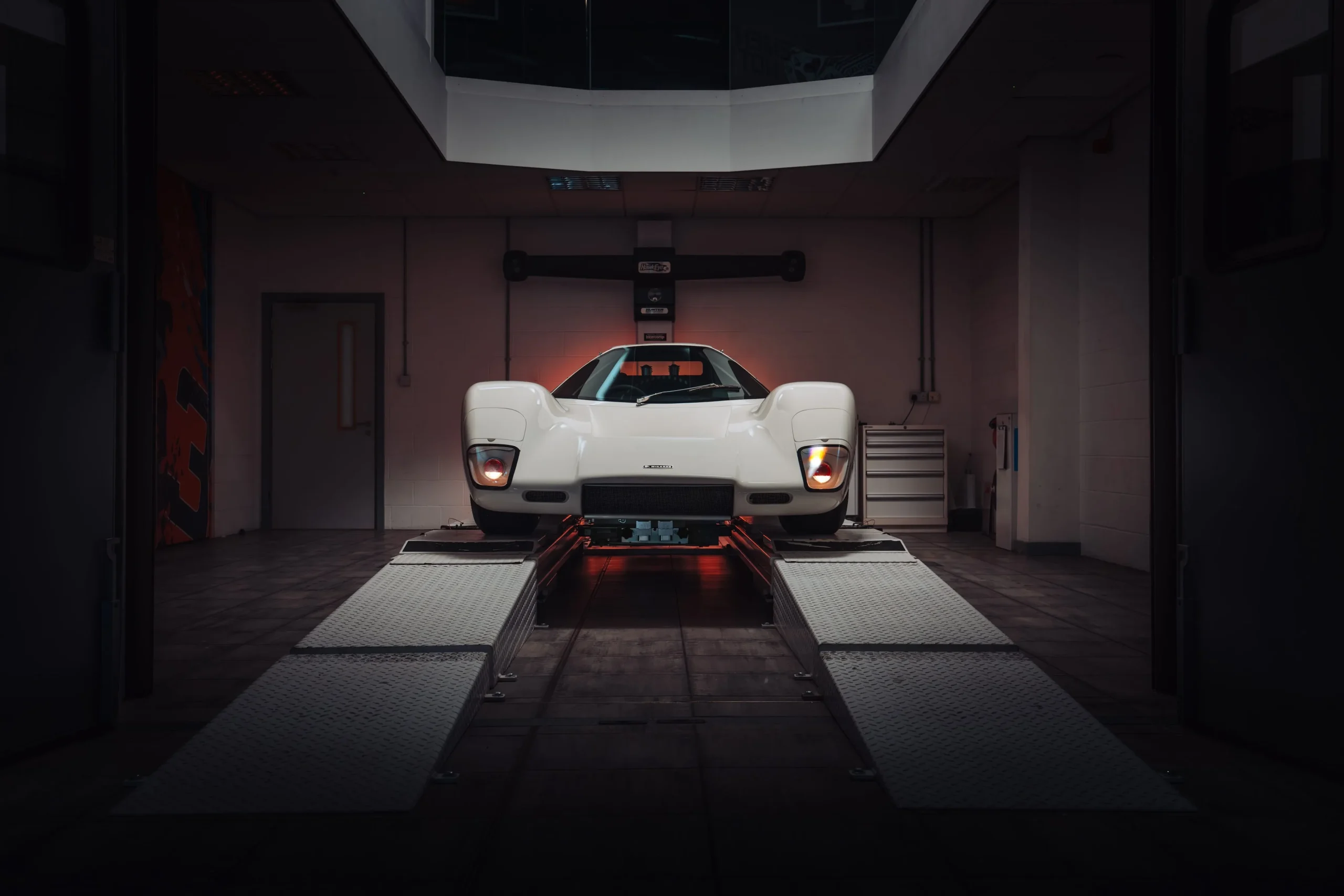
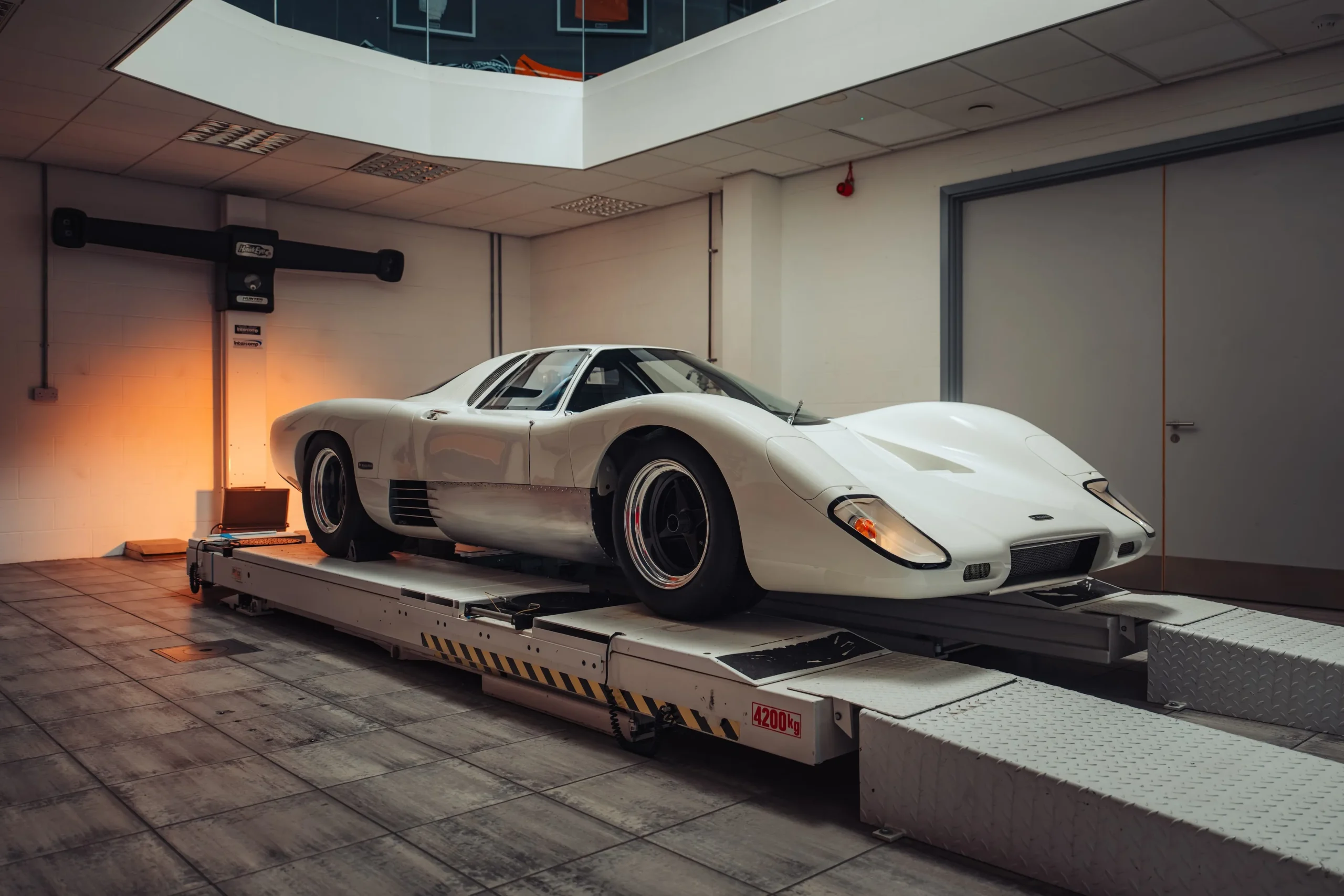
SpeedSUVs.com u2014 The dream of a legendary automotive pioneer has finally been realized five decades after his passing. McLaren Special Operations (MSO) has completed a stunning, faithful reconstruction of the M6GT, the road-going supercar that founder Bruce McLaren had envisioned building before his tragic death in 1970. This remarkable project brings one of the most intriguing “what-if” stories in automotive history to life, utilizing an authentic chassis, historical blueprints, and modified period molds discovered in the United Kingdom.
Before McLaren became a household name for high-performance road cars with the launch of the legendary three-seat F1 in 1992, Bruce McLaren wanted to bridge the gap between track dominance and road usability. In the late 1960s, his primary ambition was to adapt the successful M6A Can-Am prototype racer into a closed-cockpit Group 4 racing machine. This development path eventually birthed the M6GT. While the official racing program did not proceed as planned due to changing regulations, Bruce McLaren became so enamored with the prototype that he used it as his personal daily driver. Recognizing its immense potential, he partnered with British manufacturer Trojan with the intention of producing a limited run of road-legal M6GT supercars. However, his sudden death during a test session at Goodwood in 1970 abruptly halted the project, leaving only a tiny handful of prototype vehicles in existence.
The Reconstruction Process by McLaren Special Operations
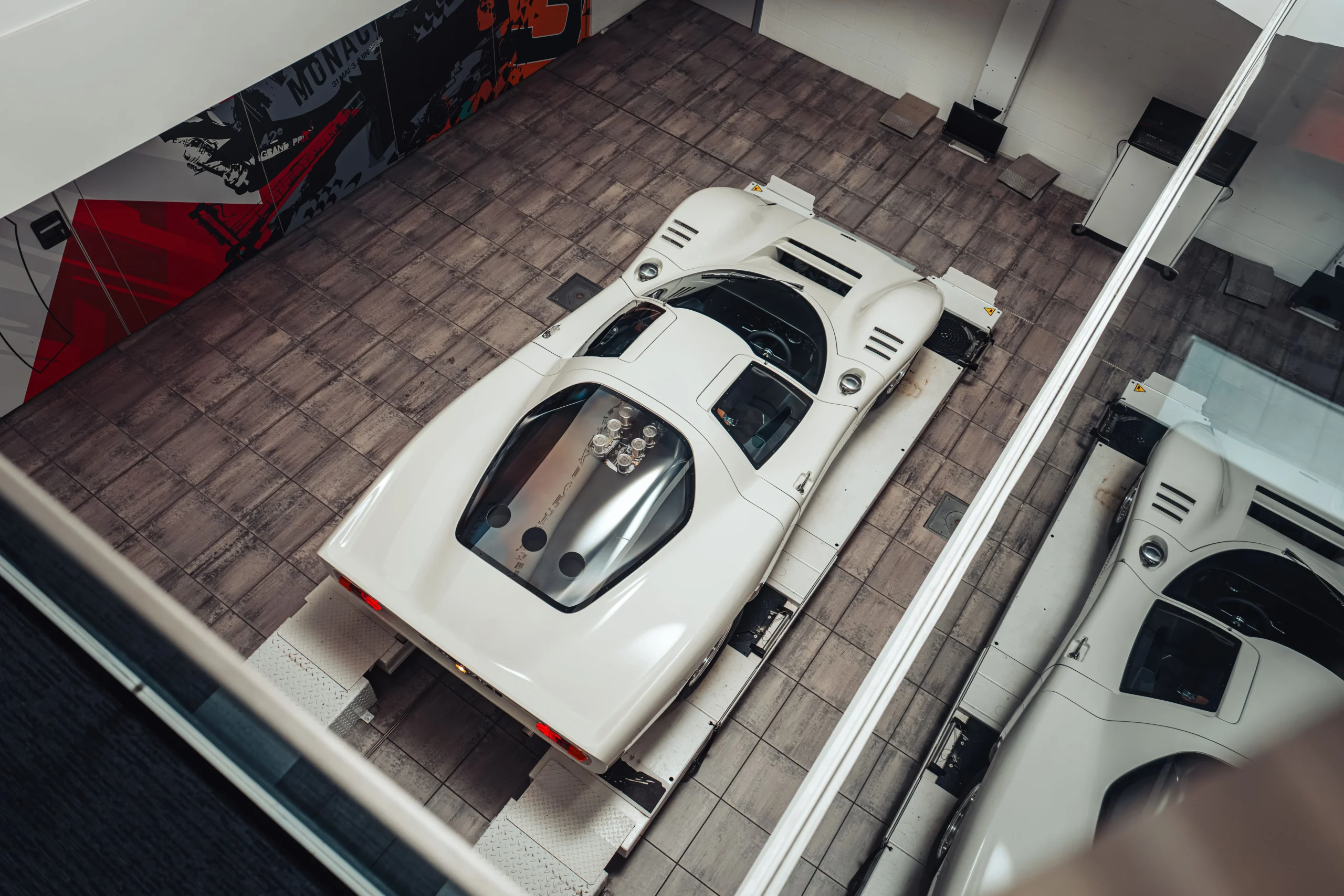
To honor this unfinished chapter of the brand’s history, the specialists at McLaren Special Operations undertook a rigorous restoration and build process. The foundation of this unique project is an authentic chassis sourced directly from an original M6A race car. The MSO team then sourced original body molds from the United Kingdom. Upon examining these historical molds, engineers discovered they had been modified during the late 1960s. This key finding suggests that the design of the M6GT was actively evolving in-period before the program was officially canceled. By utilizing these specific molds, the newly constructed bodywork provides a fascinating, highly accurate look at how the production M6GT would have looked had Bruce McLaren’s project reached fruition.
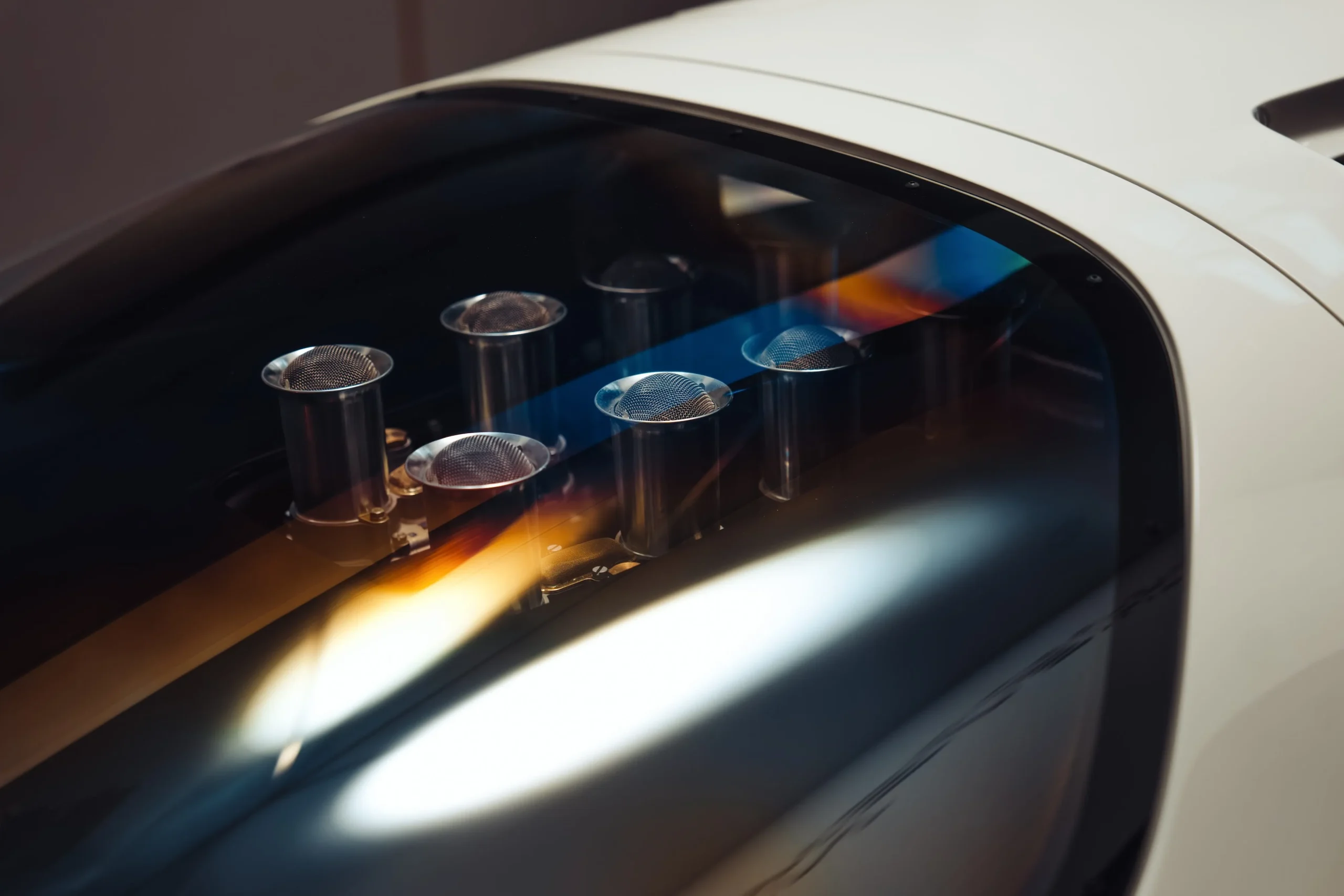
The mechanical underpinnings of the M6GT reconstruction are as period-accurate as its exterior styling. Under the rear clamshell sits a classic small-block Chevrolet V-8 engine, paired with a traditional five-speed manual transmission. Rather than relying on modern electronic conveniences, MSO stayed true to the engineering of the era. The expert fabricators at MSO hand-built the vehicle’s roll hoop, the rear frame-support structure, the internal clam reinforcements, and even the entire wiring harness from scratch. Additionally, they carefully restored and rebuilt an original M6GT suspension system, ensuring that the car drives and handles exactly as it would have in the late 1960s.
Aesthetics, Colors, and Historical Tributes
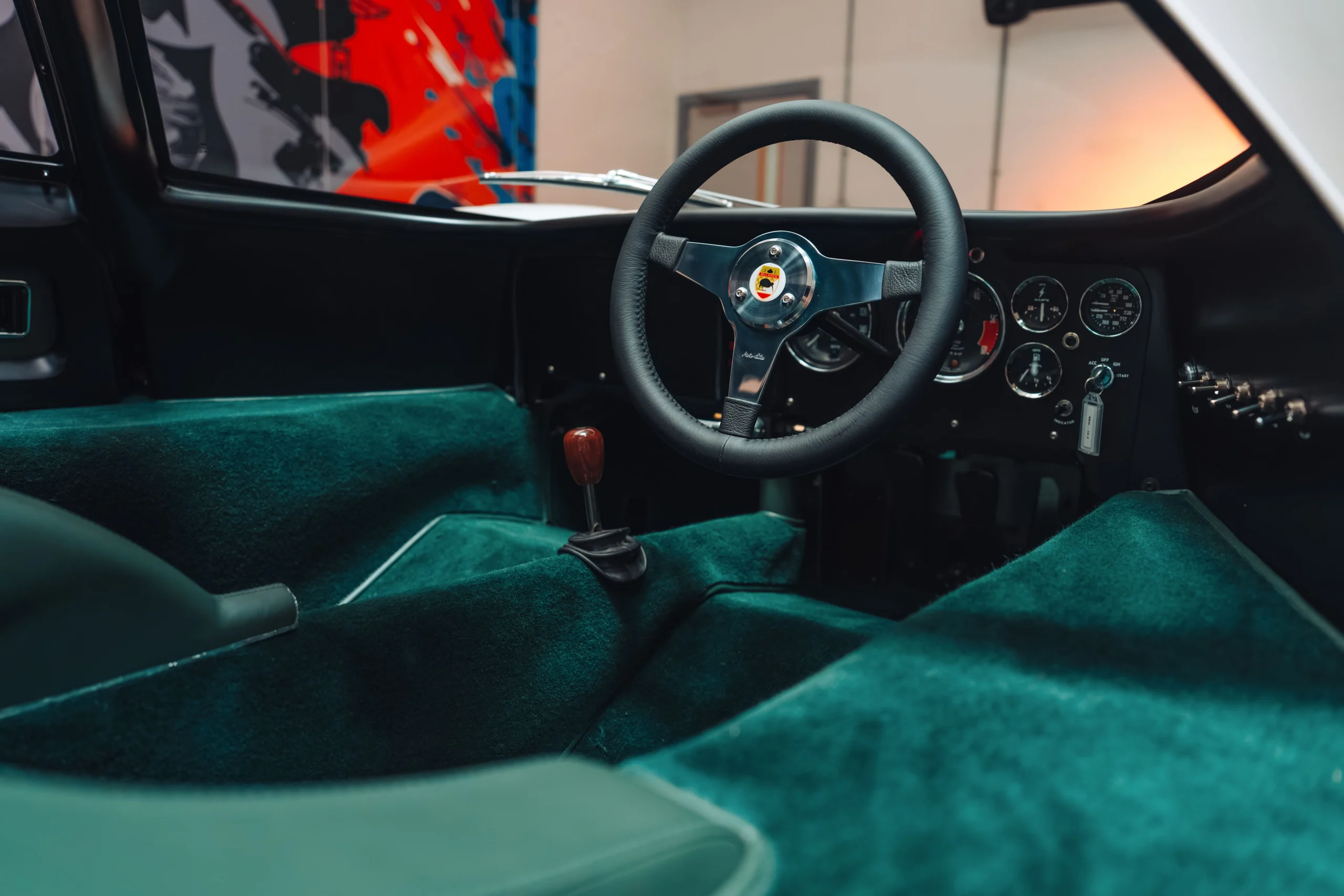
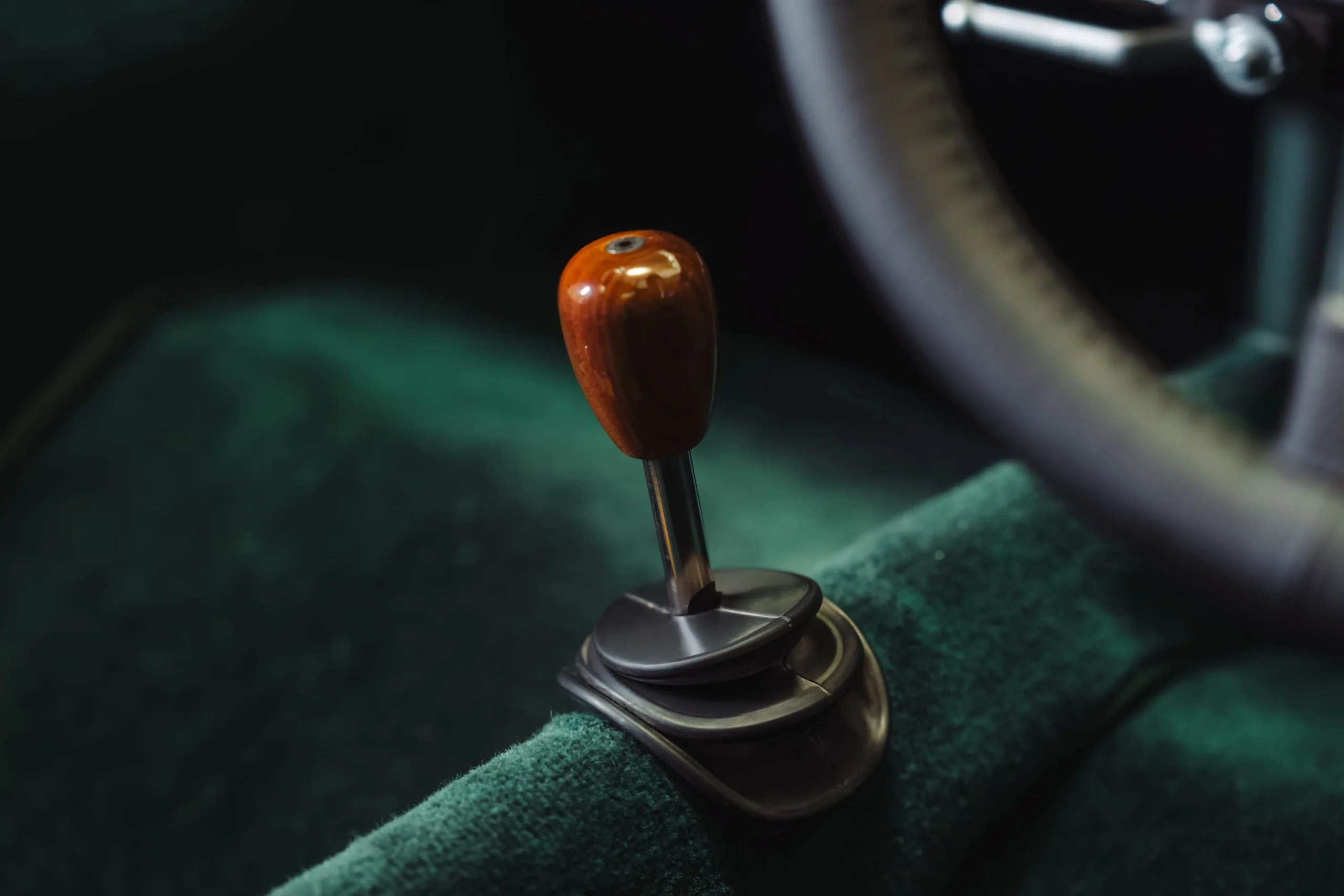
Every visual element of this reconstructed supercar is steeped in McLaren history. The exterior is finished in a custom paint color named Colnbrook White. This specific hue is a direct tribute to the historic Colnbrook factory in England, where Bruce McLaren and his team developed their initial proposals for a road-going sports car. Inside the cabin, the attention to detail is equally meticulous. The seats are upholstered in a custom green vinyl, and the gear shift knob is crafted from hand-turned walnut wood. This striking white-over-green color combination is not a random choice; it references the classic livery of the 1966 McLaren M2B, which was the brand’s very first Formula 1 car. This historical color scheme was also recently celebrated by McLaren’s modern F1 team at the British Grand Prix.
Pros and Cons of the M6GT Reconstruction
When analyzing this unique project from an enthusiast’s perspective, there are distinct advantages and inherent limitations to consider based on the available information.
- Pro – Unmatched Historical Authenticity: By using an original M6A chassis, genuine period-modified molds, and an original restored suspension, MSO has created a vehicle that is as close to an original 1960s production unit as possible.
- Pro – Mechanical Purity: The combination of a small-block Chevy V-8 and a five-speed manual transmission offers an unadulterated, nostalgic driving experience that cannot be replicated by modern hybrid supercars.
- Con – Extreme Rarity and Non-Production Status: Because this is a one-off historical recreation built by McLaren’s bespoke division, it is not a vehicle that collectors can readily purchase or drive on public roads regularly.
- Con – A Modern Build of a Classic Concept: While highly authentic, purists may still view it as a modern toolroom copy rather than a survivor car that rolled out of the factory during Bruce McLaren’s lifetime.
Conclusion
The McLaren M6GT reconstruction by MSO is a magnificent tribute to the origins of McLaren’s road car legacy. It bridges a fifty-year gap, showing what could have been if Bruce McLaren’s life had not been cut tragically short. For automotive historians and fans of classic motorsports, this recreation is a rare masterpiece. While it remains a highly exclusive, non-commercial museum piece rather than a road car you can buy, its public showcase at events like the Goodwood Festival of Speedu2014alongside modern hypercars like the W1 and the Le Mans-bound MCL-HYu2014serves as a vital reminder of the raw, mechanical passion that built the McLaren brand.