SpeedSUVs.com — Rising gasoline prices driven by geopolitical conflicts in the Middle East have significantly altered the landscape of the American automotive market. With fuel costs climbing above $4.50 per gallon in numerous states, consumers are rapidly shifting their preferences away from traditional internal combustion engines. However, instead of making a direct leap to fully electric vehicles, a growing number of car buyers are opting for hybrid SUVs. This shift represents a highly practical middle ground, combining the efficiency of electrification with the familiarity and convenience of gasoline-powered vehicles.
According to recent industry data, U.S. hybrid sales have surged by 37% since the onset of the Middle East conflict, heavily outpacing the growth of electric vehicles, which peaked at an 11% sales increase. This trend highlights a broader consumer hesitancy toward pure electric vehicles, primarily driven by range anxiety and charging infrastructure concerns. In contrast, hybrid SUVs offer the fuel economy once reserved for compact sedans while maintaining the utility, interior space, and driving dynamics that modern families demand. Currently, three midsize hybrid SUVs dominate this rapidly growing market segment: the Honda CR-V Hybrid, the Toyota RAV4 Hybrid, and the Hyundai Tucson Hybrid.
The Honda CR-V Hybrid: The Balanced Market Leader
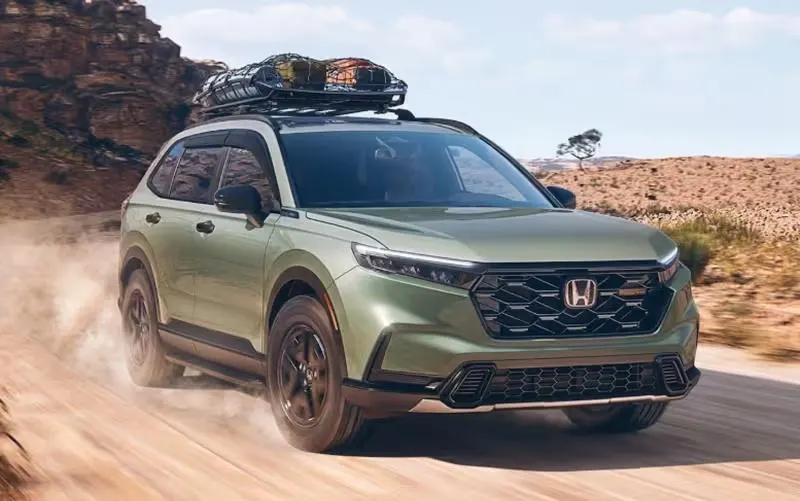
The Honda CR-V Hybrid has quietly established itself as one of the most successful vehicles in the United States, with hybrid models now accounting for more than half of all CR-V sales. During the first quarter of 2026, Honda sold approximately 99,400 CR-Vs, which translates to a remarkable average of 33,000 units per month. The hybrid variant is leading this sales charge, proving that buyers are eager to embrace electrification when packaged in a familiar and highly reliable vehicle.
Powering the CR-V Hybrid is a 2.0-liter four-cylinder engine paired with Honda’s advanced two-motor hybrid system. Together, they produce a respectable 204 horsepower. The vehicle delivers an estimated 40 mpg in the city and 34 mpg on the highway, resulting in a real-world cruising range that approaches 560 miles on a single tank of fuel. This exceptional range provides drivers with a strong safeguard against fluctuating fuel prices.
Pros of the Honda CR-V Hybrid
- Spacious and Practical Cabin: Offers one of the roomiest interiors in the midsize crossover segment, providing excellent passenger comfort and cargo capacity.
- Intuitive Controls: Avoids the trend of overly complicated digital interfaces, retaining easy-to-use physical buttons and straightforward layouts.
- Excellent Visibility: Designed with slim pillars and large glass areas to ensure superior outward visibility.
- Proven Reliability: Backed by Honda’s strong historical reputation for durability and long-term resale value.
Cons of the Honda CR-V Hybrid
- Higher Entry Price: With a starting price of roughly $35,000, it carries a slightly higher initial cost than some of its direct competitors.
- Premium Features Locked to High Trims: Desirable features like Google built-in infotainment, Bose premium audio, and advanced driver-assistance systems require upgrading to more expensive trim levels.
The Toyota RAV4 Hybrid: The Pioneer Goes All-In
The Toyota RAV4 Hybrid remains one of the most influential electrified vehicles in North America. Even during a transitional phase to its redesigned 2026 model year, Toyota managed to sell approximately 59,900 RAV4s in the first quarter of 2026, averaging about 20,000 units monthly. These strong numbers were achieved despite temporary inventory shortages caused by the production transition to the new generation.
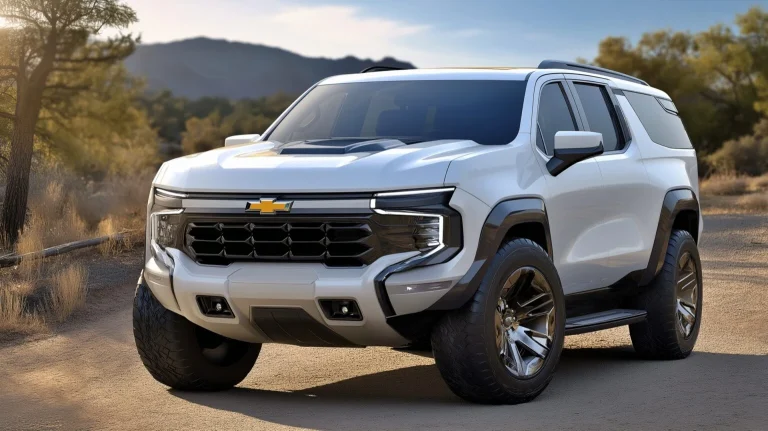
In a bold move that underscores the strength of the hybrid market, Toyota has made the RAV4 exclusively hybrid for the 2026 model year. The powertrain combines a 2.5-liter gasoline engine with Toyota’s proven hybrid system, achieving up to 41 mpg in the city and 38 mpg on the highway. The latest redesign brings a more rugged, tough-looking exterior design, upgraded interior materials, and modernized onboard technology.
Pros of the Toyota RAV4 Hybrid
- Exceptional Fuel Economy: Delivers outstanding efficiency with up to 41 mpg city and 38 mpg highway, outpacing many rivals.
- Strong Resale Value: Benefits from Toyota’s legendary reputation for durability, ensuring low depreciation over time.
- Competitive Starting Price: Begins at an accessible price of approximately $32,000 for the entry-level LE trim.
- Upgraded Cabin and Tech: The 2026 redesign brings significantly improved interior quality and modern infotainment options.
Cons of the Toyota RAV4 Hybrid
- Inventory Shortages: The transition to the redesigned 2026 model has limited availability at dealerships, making it harder for some buyers to secure a vehicle immediately.
- Higher Cost for Premium Trims: Upgraded trims like the XLE Premium quickly push the price beyond $36,000.
The Hyundai Tucson Hybrid: The Tech-Forward Challenger
As one of the fastest-rising models in the segment, the Hyundai Tucson Hybrid is rapidly closing the gap with its Japanese competitors. Hyundai recorded approximately 55,400 Tucson sales during the first quarter of 2026, representing about 18,500 units per month. The Tucson Hybrid distinguishes itself by focusing heavily on bold styling, cutting-edge cabin technology, and engaging driving dynamics.
Under the hood, the Tucson Hybrid utilizes a turbocharged 1.6-liter four-cylinder engine paired with electric assistance and standard all-wheel drive (AWD). This setup generates a robust 231 horsepower, making it the most powerful vehicle among the three. Despite this focus on performance, it still achieves a competitive fuel economy rating of between 35 and 38 mpg combined.
Pros of the Hyundai Tucson Hybrid
- Superior Power and Performance: The turbocharged hybrid powertrain delivers 231 horsepower, offering a quicker and more responsive driving experience.
- Standard All-Wheel Drive: Provides excellent traction and stability across all trim levels without requiring an extra charge.
- Advanced Technology: Features a highly modern cabin equipped with dual digital displays and premium safety systems.
- Strong Warranty: Offers Hyundai’s highly competitive warranty coverage, providing long-term peace of mind.
Cons of the Hyundai Tucson Hybrid
- Slightly Lower Fuel Economy: While still highly efficient, its combined fuel economy of 35-38 mpg is slightly lower than the city ratings of the RAV4 and CR-V.
The Strategic Choice: Finding the Right Hybrid SUV
The sudden surge in hybrid SUV adoption is not merely a temporary reaction to rising gas prices; it represents a fundamental shift in how American drivers view electrified transportation. By offering outstanding fuel economy without requiring changes to daily driving habits, these vehicles provide an ideal alternative to fully electric cars. Buyers can significantly reduce their monthly fuel bills without worrying about public charging networks or range limitations.
For buyers prioritizing balanced driving dynamics, a spacious interior, and straightforward, intuitive controls, the Honda CR-V Hybrid stands out as a highly practical choice. Those focused on maximizing fuel economy, long-term durability, and strong resale value will find the Toyota RAV4 Hybrid hard to beat, especially with its rugged new design. Meanwhile, drivers who crave a more powerful, tech-filled, and stylish vehicle with standard all-wheel drive will likely prefer the Hyundai Tucson Hybrid. Ultimately, each of these three vehicles offers an excellent defense against high fuel costs, making them highly recommended options in today’s challenging economic environment.