SpeedSUVs.com — A medical emergency while driving is a terrifying scenario that demands immediate action and clear thinking. When severe health issues strike behind the wheel, every passing second becomes critical. Recent attention has focused on how modern connected vehicle technology, specifically within a Tesla Model Y, played a pivotal role in assisting a driver during a sudden heart attack. While no vehicle can replace professional emergency services like 911, this case serves as a profound lesson on the importance of preparing connected-car settings, managing trusted app access, and establishing emergency contacts before a crisis occurs.
The Incident: Technology Assisting in a Crisis
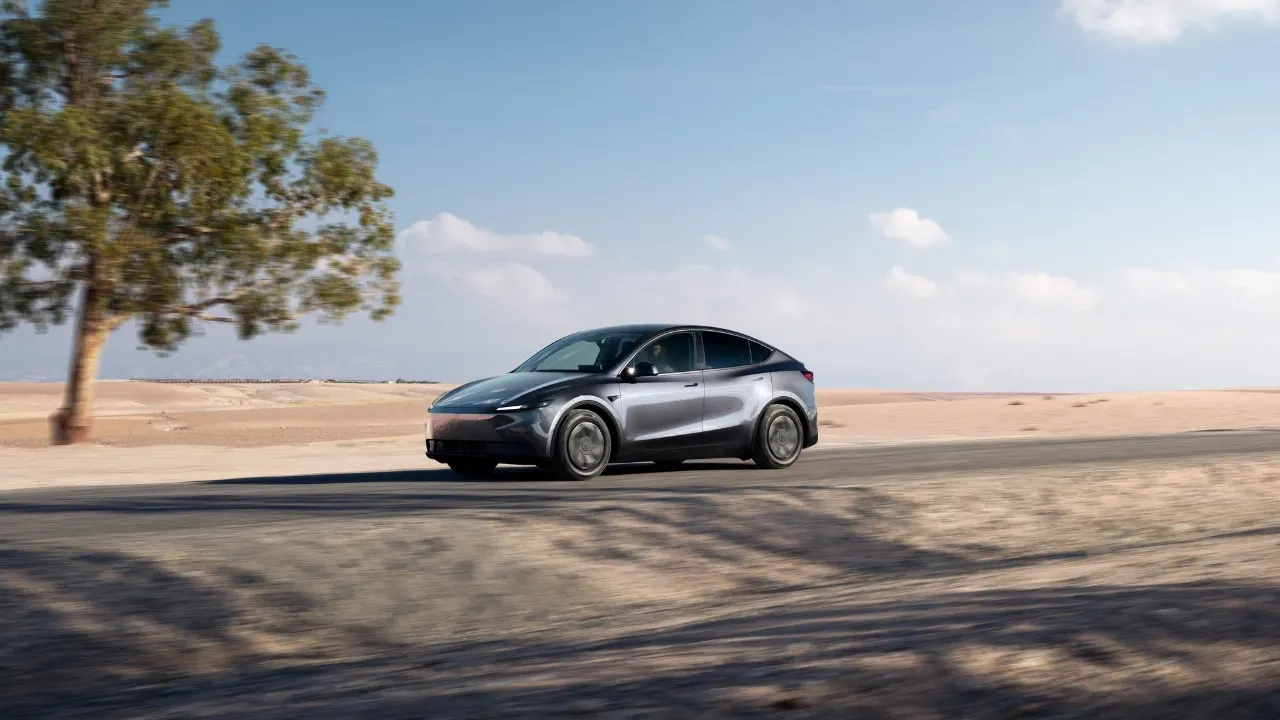
The situation involved John Brandt, who was driving from Atlanta to Birmingham on I-20 during the early morning hours. When he experienced severe chest pain that rendered him incapable of safely controlling the vehicle, he was able to rely on his Tesla’s Full Self-Driving (Supervised) feature to maintain the car’s course. This allowed him the critical window of time to call his son, Jack, for help.
Because Jack was an authorized driver on his father’s Tesla account, he was able to use the Tesla mobile app from his own device to take immediate action. Jack successfully rerouted the vehicle to the Tanner Medical Center in Carrollton, Georgia, and contacted the emergency room staff in advance to prepare them for his father’s arrival. Doctors later determined that the rapid intervention and the timely rerouting to the hospital were instrumental in saving Brandt’s life, as he was suffering from three blocked arteries.
Pros and Cons of Relying on Car Technology
Pros:
- Remote Intervention: Authorized family members can update vehicle navigation to redirect a driver to the nearest hospital.
- Advanced Driver Assistance: Features like Full Self-Driving (Supervised) can help keep a vehicle centered in its lane if the driver becomes incapacitated.
- Connectivity: Integrated apps allow for real-time location sharing and vehicle control, which are vital during a medical episode.
Cons:
- Not a Medical Device: No car system is designed to act as a paramedic or a replacement for emergency services.
- Dependence on Connectivity: Features require a strong cellular signal to work reliably, which may not always be available in remote areas.
- Complexity: Users must proactively set up permissions, which can be confusing or overlooked until it is too late.
Preparing Your Vehicle for Emergencies
This event underscores the reality that vehicle safety is no longer just about physical features like airbags, brakes, or tires. It now includes digital preparedness. Drivers should take proactive steps to ensure that if they cannot manage a trip, someone they trust can step in to assist.
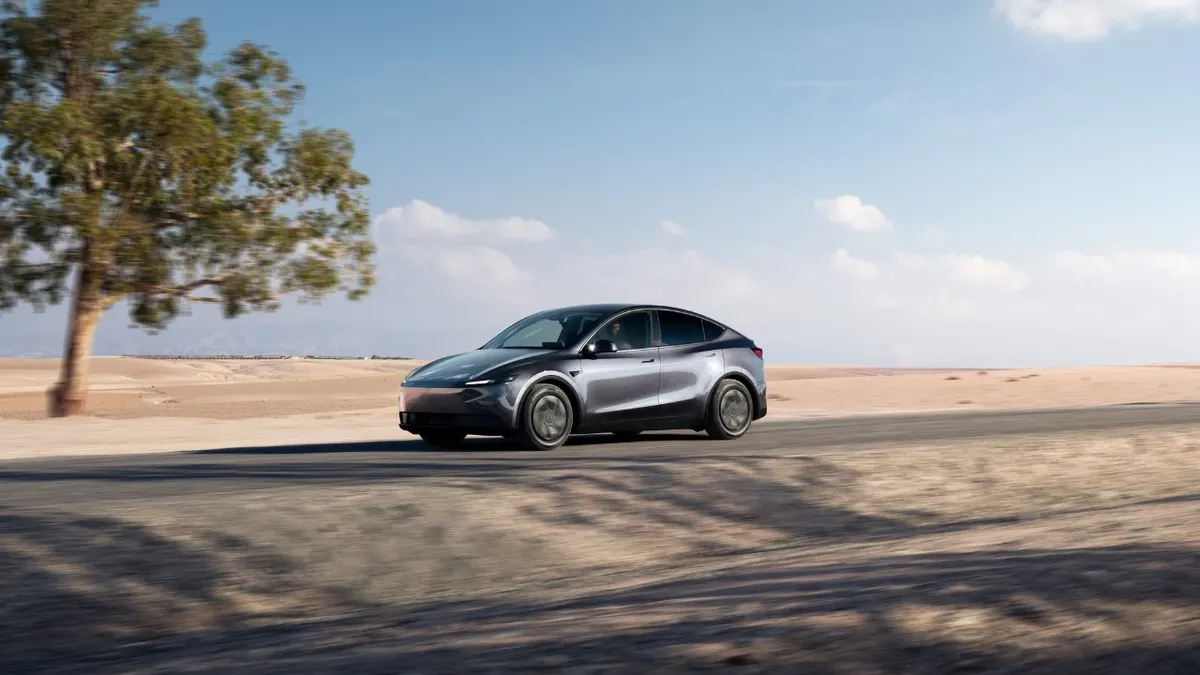
For Tesla owners, this begins with adding a trusted person to the vehicle’s account. By using the Tesla app to grant access to a spouse or adult child, you provide them with the capability to see the vehicle’s location and send commands in an emergency. It is essential to test these features by sitting in the parked vehicle together and practicing how to send a destination from a phone to the car’s navigation screen.
General Steps for Any Connected Vehicle
You do not need a specific brand of electric vehicle to apply these safety lessons. Many modern automobiles come equipped with connected apps, roadside assistance buttons, and navigation tools. To better prepare, consider the following:
- Review App Permissions: Check your automaker’s app for features like remote lock, location tracking, and navigation. Ensure your trusted contact has the necessary permissions.
- Secure Your Access: Use strong, unique passwords and enable two-factor authentication (2FA) for your vehicle accounts to prevent unauthorized access while maintaining emergency availability for trusted family.
- Test Navigation: Practice sending locations to your vehicle dashboard to ensure your designated contact understands how the system displays incoming data.
- Understand Emergency Buttons: Identify what your vehicle’s SOS or roadside assistance buttons actually do. Do they connect to 911 or a private service? Knowing this can save precious minutes.
- Optimize Your Phone: Your smartphone is often more powerful than your car in an emergency. Configure your Medical ID on your iPhone or Samsung device, and ensure that emergency contacts are set to bypass “Do Not Disturb” settings.
Conclusion: A Complement, Not a Replacement
While the story of John Brandt is a testament to how modern technology can support human resilience, it is vital to remember that a vehicle’s automated systems are not substitutes for professional emergency care. If you experience symptoms such as chest pain, shortness of breath, or lightheadedness, your first priority must always be to pull over safely if possible and call 911. The connected features of a car serve only as a secondary layer of support to help your family reach you or guide you to help more effectively. By preparing your vehicle and your phone today, you ensure that you are ready for the unexpected, providing your loved ones with the tools they need to help you in your time of greatest need.