SpeedSUVs.com — Automotive safety regulations in Europe have entered a strict new phase as the European Union officially enforces its updated General Safety Regulation across all new passenger vehicles. Under this framework, every new car and van sold within the trading bloc must be equipped with an eye-tracking driver-monitoring system designed to detect distraction and fatigue. Far from being a localized European policy, this technology serves as a direct preview for upcoming United States federal safety initiatives, which aim to mandate similar driver-monitoring hardware by 2027. While regulators argue that real-time eye tracking is essential to reduce traffic fatalities, the widespread implementation of interior cameras has triggered intense debate regarding false positives, vehicle price inflation, and significant data privacy vulnerabilities.
Understanding the Technology: How ADDW Systems Operate
At the center of the European Union’s mandate is the Advanced Driver Distraction Warning system, commonly abbreviated as ADDW. This safety suite relies on dashboard-integrated infrared sensors coupled with specialized computer vision software. The hardware creates a continuous visual map of the vehicle’s cabin, paying granular attention to critical interior regions such as the instrument cluster, the main infotainment screen, the center console, the dashboard, and the steering wheel itself. By monitoring the exact positioning of a driver’s head and the direction of their gaze, the software assesses whether the person behind the wheel is maintaining proper situational awareness.
The system operates under strict operational parameters based on vehicle speed and gaze duration. When traveling at moderate speeds between 20 and 50 km/h (12 to 31 mph), the software triggers visual and acoustic warnings if the driver’s eyes remain directed away from the road toward lower cabin zones for longer than 6 seconds. At speeds exceeding 50 km/h (31 mph), the tolerance threshold drops sharply: looking away for more than 3.5 seconds triggers an immediate cascade of audible and visual alarms. To minimize unnecessary interruptions, engineers integrated a minimum tolerance cushion of 50 milliseconds to account for natural human eye movements and micro-adjustments.
Statistical Rationale and Safety Projections
The push for mandatory interior surveillance is rooted in alarming traffic safety statistics across both Europe and North America. European Commission estimates indicate that driver distraction is a contributing factor in 10% to 30% of all road collisions throughout the continent. European lawmakers anticipate that universal adoption of driver-monitoring technology, alongside related safety rules, could save up to 25,000 lives by the year 2038. This legislation impacts an estimated 15 million new vehicles entering European roads every year.
In the United States, data compiled by the National Highway Traffic Safety Administration mirrors these concerns. Federal figures link driver distraction to roughly 16% of all fatal vehicle collisions, 21% of crashes resulting in injuries, and 22% of total automotive accidents overall. These shared statistical realities explain why American regulatory bodies are moving rapidly toward their own mandated rollout for new vehicles in the coming years.
Evaluating the Benefits: Enhanced Road Safety
From a safety standpoint, standardized driver monitoring offers clear advantages for public health and collision avoidance:
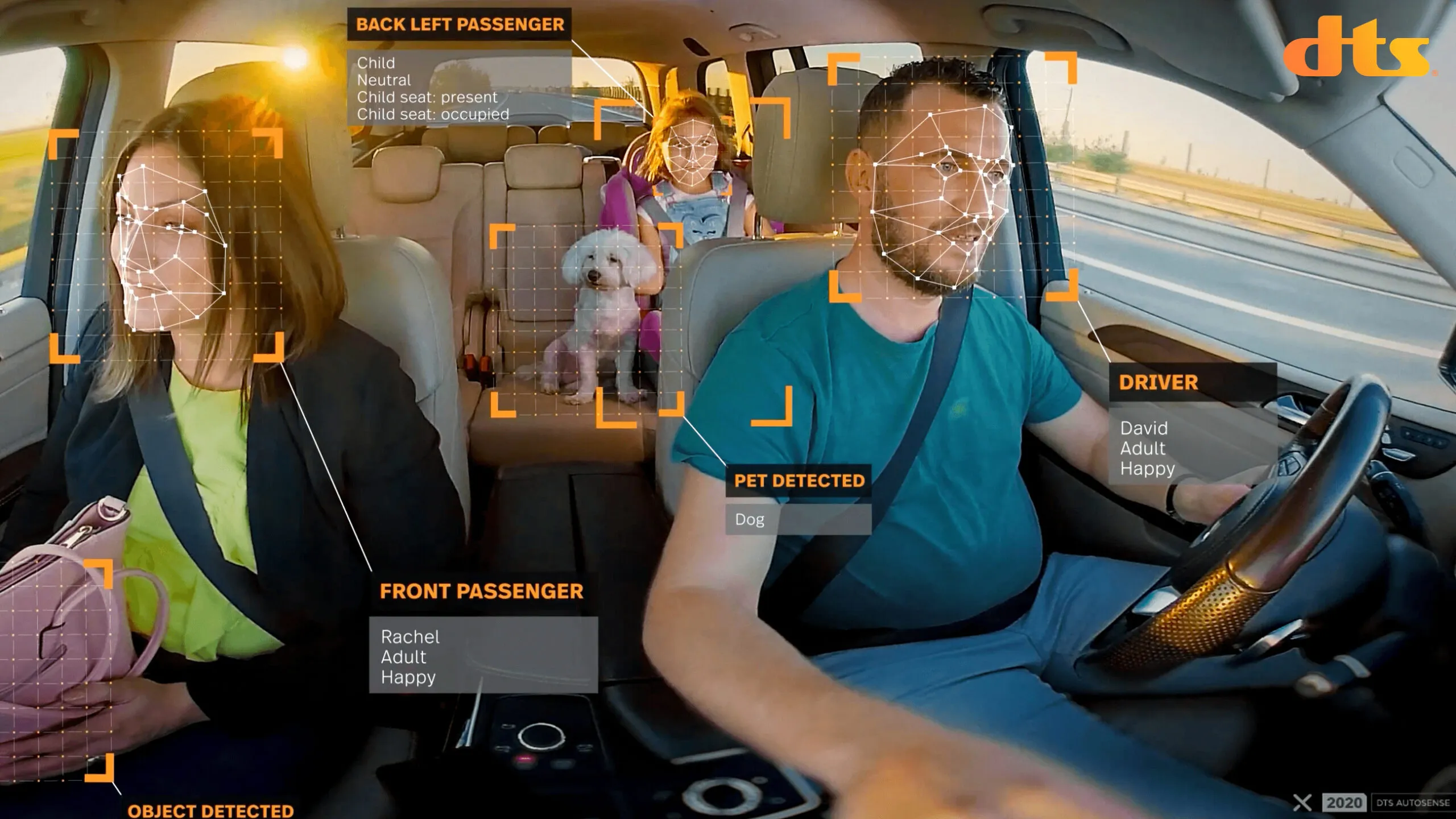
- Proactive Hazard Mitigation: By alerting drivers before a crash occurs, ADDW systems actively counteract dangerous habits like texting, adjusting complex touchscreen menus, or driving while severely fatigued.
- Standardized Protection: Transforming driver-monitoring technology from an expensive optional add-on into mandatory standard equipment ensures that safety features are not limited to premium luxury vehicles.
- Foundation for Automated Driving: Reliable interior monitoring provides essential safeguards as driver-assist software becomes more sophisticated, ensuring human operators remain attentive when manual intervention is required.
Identifying Drawbacks: System Reliability and Costs
Despite the noble safety intentions, real-world deployment reveals noticeable friction points for car buyers and industry observers:
- Nuisance Alarms and Calibration Errors: Automotive reviewers and early adopters note that software algorithms frequently misinterpret ordinary head movements, glance checks, or natural blinking patterns as signs of drowsiness, resulting in frustrating auditory nagging.
- Increased Vehicle Costs: Adding mandatory infrared cameras, dedicated control units, and licensed monitoring software inevitably increases manufacturing expenses, contributing to higher sticker prices for consumers.
- Risk of Driver Desensitization: Frequent false alarms can lead to driver annoyance, potentially prompting motorists to look for loopholes or defeat devices to bypass mandatory safety hardware.
The Privacy Controversy and Data Security Risks
The most alarming critique surrounding mandatory camera surveillance involves data privacy and corporate compliance. On paper, official European Union regulatory texts explicitly mandate that ADDW systems must operate on a closed-loop architecture, meaning biometric data should be processed locally inside the vehicle and immediately erased without external transmission. However, regulators have failed to establish independent auditing mechanisms to verify whether automakers are adhering to these closed-loop boundaries.
This oversight became evident when Volvo publicly disclosed that its driver-monitoring architecture processes real-time telemetry on secure external cloud servers—a clear contradiction of the closed-loop guidelines. Such admissions create deep anxiety given the auto industry’s troubling record regarding consumer data. Major manufacturers including General Motors, Hyundai, and Kia have previously faced public backlash for tracking driving behaviors and selling raw telemetry to third-party data brokers, who subsequently passed the information to insurance companies to justify raising consumer premiums.
Broader Mandates Under the Updated EU Regulation
The driver-monitoring system represents just one component of Europe’s comprehensive safety update. The broader General Safety Regulation mandates several additional vehicle technologies for all new passenger cars and vans:
- Advanced Autonomous Emergency Braking: Required AEB systems must feature dedicated detection capabilities for vulnerable road users, specifically pedestrians and cyclists.
- Enhanced Forward Vision: Car manufacturers must design vehicle front ends to offer drivers direct line-of-sight improvements to minimize blind spots around the front bumper.
- Pedestrian Protection Glass: Vehicle design requirements mandate expanded safety glass areas to cushion impacts and mitigate head injuries during pedestrian collisions.
- Strict Worn Tire Testing: New testing protocols ensure that safety systems and braking performance remain effective even as tire tread wears down over time.
Conclusion and Final Verdict
The European Union’s driver-monitoring mandate represents a momentous shift in automotive safety regulations, establishing a precedent that American regulators will soon follow. While the technology offers undeniable potential to reduce distraction-related fatalities and standardize lifesaving alerts across millions of vehicles, it introduces undeniable challenges. Between the annoyance of false warnings, elevated vehicle purchase prices, and severe privacy vulnerabilities highlighted by cloud-data processing, consumers face significant trade-offs. Ensuring that safety camera mandates do not devolve into unchecked driver surveillance will require strict independent oversight, transparent data policies, and continuous software refinement from automakers worldwide.