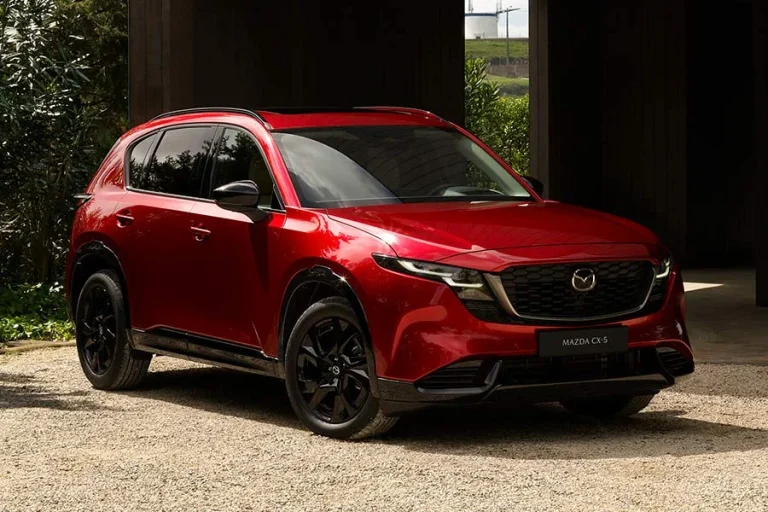
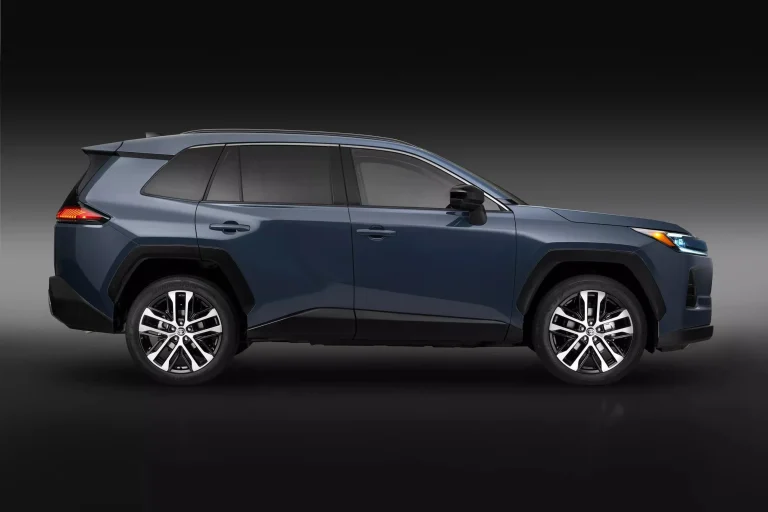
SpeedSUVs.com — The allocation of government-provided transportation remains a subject of intense debate, particularly regarding how officials interact with the city they serve. Under the current administration, numerous high-level officials, ranging from deputy mayors to various agency heads, are provided with a dedicated car and driver. This long-standing municipal perk has come under renewed scrutiny following public discussions about the influence of transportation methods on political perspective.
The Philosophy of Public Visibility
Before his transition into the mayoral role, Zohran Mamdani expressed concerns regarding the isolation that tinted SUV windows can create. He argued that the physical barrier of a private vehicle can alter an official’s perception of the city, potentially distancing them from the daily experiences of their constituents. Mamdani famously noted that relying exclusively on such transport might lead officials to see only a reflection of themselves rather than the diverse reality of New York City residents.
Pros and Cons of Official Transportation
Pros:

- Provides high-level officials with secure and reliable transportation for demanding schedules.
- Allows for increased productivity and communication while moving between official engagements.
- Ensures that key decision-makers can navigate the city efficiently during emergencies or urgent matters.
Cons:
- Creates a perceived barrier between city leadership and the public they represent.
- Adds significant operational costs to the city budget for fuel, maintenance, and personnel.
- Contradicts the ideal of public servants experiencing the same infrastructure and transit challenges as ordinary citizens.
Conclusion
While the provision of cars and drivers is designed to facilitate government efficiency, it presents a clear tension between operational necessity and public connectivity. The administration faces the ongoing challenge of balancing these logistical requirements with the stated goal of maintaining a grounded, empathetic view of the city. Whether these transportation policies will be reformed remains a key point of interest for those monitoring municipal spending and government transparency.