SpeedSUVs.com — Ford Motor Company has announced a major strategic transition for its luxury brand, planning to phase out the importation of Chinese-built Lincoln vehicles beginning in 2030. This decision marks a significant pivot toward domestic manufacturing, as the automaker intends to bring all Lincoln vehicle production back to the United States. The move is designed to strengthen domestic operations and reinforce the manufacturer’s position as a leading automotive producer in America.
The Current State of Lincoln’s Global Production
Currently, Lincoln’s vehicle assembly is divided between domestic facilities and international plants. Two of the brand’s prominent models are already manufactured in the United States. The large Lincoln Navigator is assembled at the Kentucky Truck Plant, while the Lincoln Aviator is produced at the Chicago Assembly Plant. However, other key models in the lineup rely on overseas production.
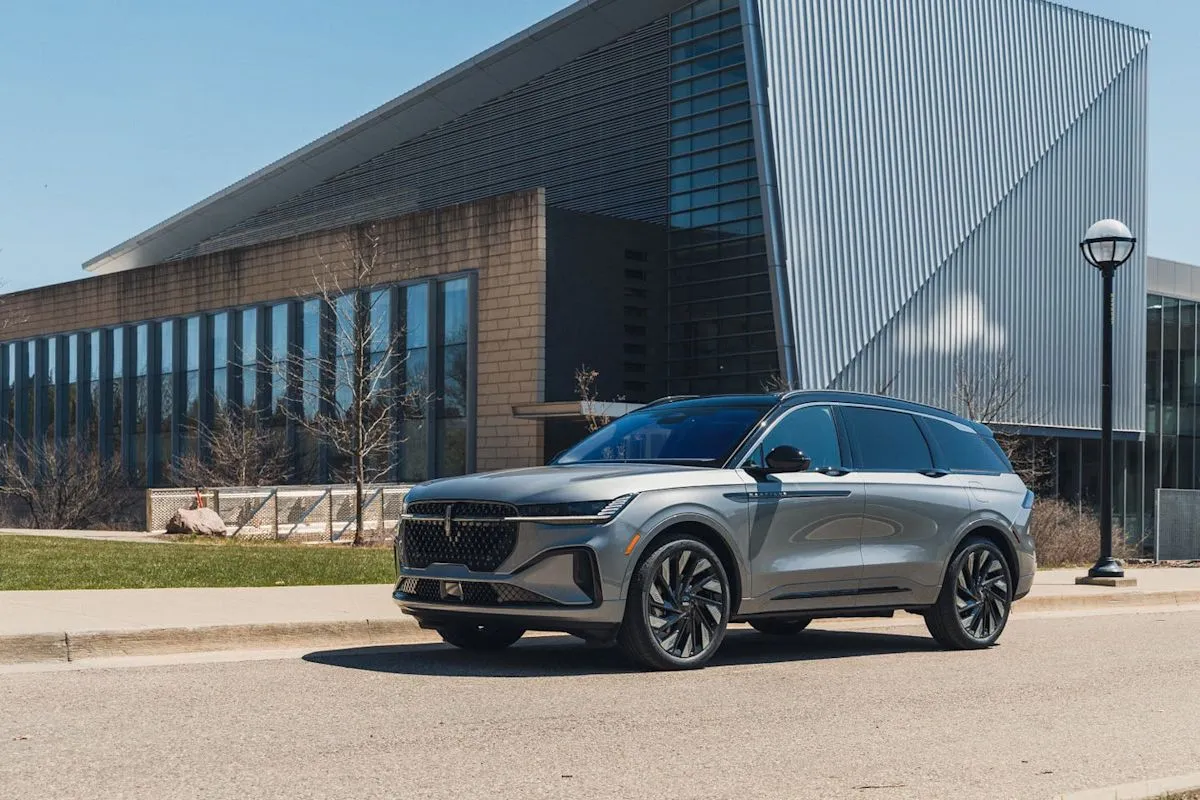
The Lincoln Nautilus, which was the brand’s bestselling model in 2025, is currently manufactured in Hangzhou, China. The Nautilus was originally assembled in Canada during its first generation before its production was shifted to China in 2024. Additionally, the entry-level Lincoln Corsair recently ended its production run in the United States. This change occurred because Ford is retooling its Louisville Assembly Plant to prepare for the production of the upcoming Fathom electric truck. Consequently, Lincoln is expected to begin importing the Corsair from China starting with the 2027 model year. Under the current plan, both the Corsair and the Nautilus will continue to be imported from China until the transition begins in 2030.
Key Drivers Behind the Domestic Shift
Several external factors and regulatory pressures are driving this manufacturing realignment. The automotive industry is currently facing intense federal backlash and escalating tariffs on Chinese-produced vehicles imported into the United States. These economic hurdles make long-term reliance on Chinese manufacturing increasingly difficult for domestic brands.
Furthermore, new regulatory mandates regarding vehicle technology are forcing automakers to adjust their supply chains. Companies are already navigating software-related bans on internet-connected vehicles, which take effect for the 2027 model year. This will be followed by a comprehensive hardware ban set to impact 2030 model year vehicles. Shifting production back to the United States allows the company to better comply with these strict security and trade regulations.
Pros and Cons of the Transition
Evaluating this strategic decision reveals several distinct advantages and challenges for the brand and its consumers.

Advantages of the Move
- Job Creation: Expanding production within the United States is projected to generate thousands of new domestic jobs, supporting local economies.
- Strengthened Domestic Presence: The shift aligns with the manufacturer’s status as a major employer. By the end of 2025, the parent company employed 56,300 hourly workers in the U.S. and led the industry in domestic vehicle output, producing over 2 million vehicles.
- Regulatory Compliance: Moving assembly to the U.S. helps the brand bypass heavy import tariffs and strictly adhere to upcoming software and hardware bans on foreign vehicle components.
Disadvantages and Uncertainties
- Interim Reliance on Imports: For the next several years, consumers looking to purchase the Corsair or Nautilus must accept that these vehicles will be imported from China, which may deter buyers sensitive to manufacturing origins.
- Production Uncertainty: It remains unclear where the Nautilus and Corsair will be assembled once Chinese imports cease. While the parent company operates nine assembly plants in the United States, it has not yet specified which facility will absorb these models.
- Potential Lineup Disruption: There is lingering uncertainty over whether these models will eventually be discontinued entirely or successfully integrated into existing U.S. facilities.
Conclusion
The decision to phase out Chinese imports by 2030 represents a complex but calculated shift toward American manufacturing. While the transition promises to boost domestic jobs and resolve regulatory challenges, buyers should note that key models like the Nautilus and Corsair will remain Chinese imports for the immediate future. Consumers planning a purchase will need to weigh the current import status of these SUVs against the long-term stability of the brand’s domestic production plans.