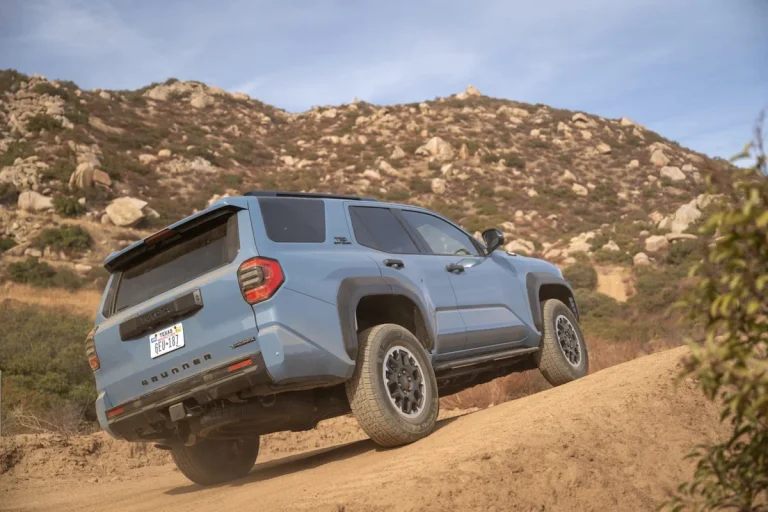
SpeedSUVs.com — North Carolina is preparing for a significant shift in how vehicle registrations are handled, marking the end of a decades-long tradition for drivers in the Tar Heel State. Beginning October 1, 2026, the state will officially transition to an electronic registration system. This major policy change means that vehicle owners will no longer receive physical paper registration cards or traditional license plate stickers.
The transition to a digital-first database was established as part of North Carolina’s massive $34.4 billion state budget, which was signed into law by Governor Stein in July. Under this new framework, all registration details will be maintained electronically, allowing law enforcement officers and other authorized entities to verify a vehicle’s status directly through digital databases.
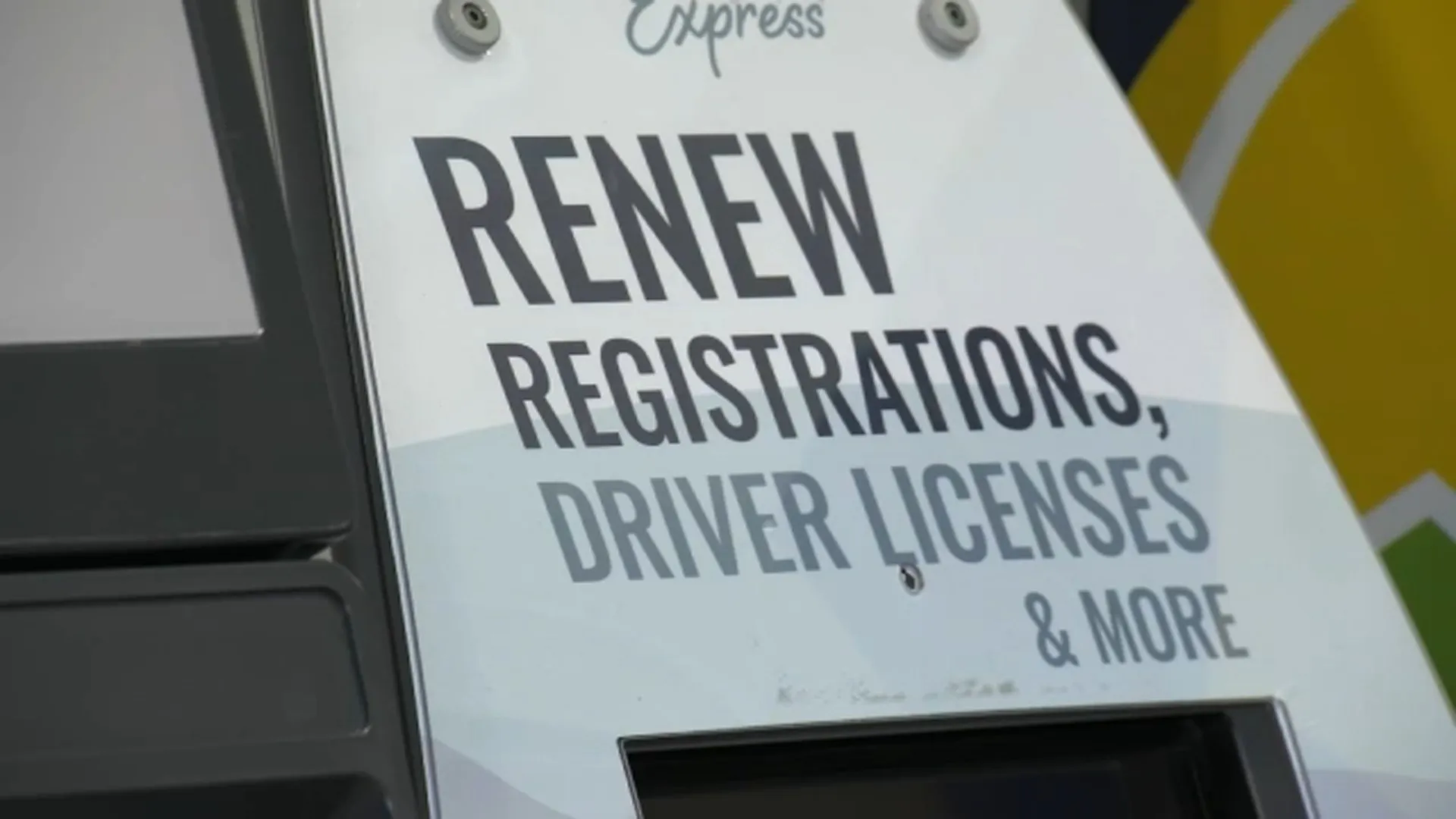
Key Changes to the Registration Process
- No More Stickers: Traditional license plate renewal stickers will be entirely eliminated from vehicles.
- Electronic Notices: Physical registration cards will be replaced by electronic notices of registration.
- No Physical Proof Required: Drivers will no longer be legally required to carry a paper registration card or paper insurance proof inside their vehicle’s glove compartment, wallet, or armrest.
- Database Inspections: Vehicle inspections remain mandatory, but their status will now be tied directly to the state’s electronic registration records. Drivers can still complete their inspections up to 90 days before their registration expires.
Pros of the New Electronic System
The new electronic system offers a highly streamlined experience for North Carolina motorists. Drivers will no longer have to worry about peeling and applying yearly renewal stickers or keeping track of physical paper documents inside their vehicles. This eliminates clutter in glove compartments, wallets, and armrests. Furthermore, linking vehicle inspections directly to electronic records ensures a more integrated verification process for law enforcement and state agencies, which can access the database instantly.
Cons and Adjustments for Drivers
On the other hand, there are certain drawbacks and adjustments that drivers must consider. For those who still prefer or require physical documentation, the state will no longer provide paper registration cards by default. Instead, drivers who want a physical copy of their registration will have to request one and pay an additional fee. Additionally, the complete reliance on digital databases means that both drivers and law enforcement will depend entirely on electronic access to verify registration status, representing a major procedural shift from the paper-based systems used for decades.

Conclusion
In conclusion, the upcoming transition on October 1, 2026, modernizes North Carolina’s vehicle registration process by removing the need for physical stickers and paper cards. While this change promises greater convenience and less physical clutter for most drivers, those who prefer traditional paper records should prepare to pay a fee for printed copies.