SpeedSUVs.com — The premium mid-size luxury SUV segment is about to get more competitive with the introduction of the upcoming Genesis GV80 Hybrid. As the South Korean luxury brand’s highly anticipated entry into the hybrid market, this new variant promises to blend enhanced fuel efficiency with the premium comfort and styling that the GV80 is known for. With an official launch expected sometime later next year, early details indicate that Genesis is aiming for a balanced approach to performance and economy.
At the heart of the Genesis GV80 Hybrid is a newly developed gas-electric powertrain. This system pairs a turbocharged 2.5-liter four-cylinder engine with electric motors to generate a combined output of 347 horsepower. This power rating positions the hybrid model strategically within the existing GV80 lineup. It delivers more power than the standard nonhybrid 2.5-liter turbocharged four-cylinder engine, which produces 300 horsepower, while sitting just below the more powerful 375-horsepower twin-turbocharged 3.5-liter V6 engine option.
One of the primary selling points of any hybrid vehicle is fuel economy, and Genesis has made promising claims in this department. The manufacturer projects a 25 percent improvement in fuel efficiency compared to the standard nonhybrid four-cylinder powertrain. While official EPA ratings are not yet available, we can estimate the hybrid’s efficiency based on current figures. The standard GV80 2.5T with a nonhybrid setup is rated at an EPA-estimated 22 mpg combined. A 25 percent improvement would elevate the GV80 Hybrid to approximately 27 mpg combined when configured with rear-wheel drive and 19-inch wheels.
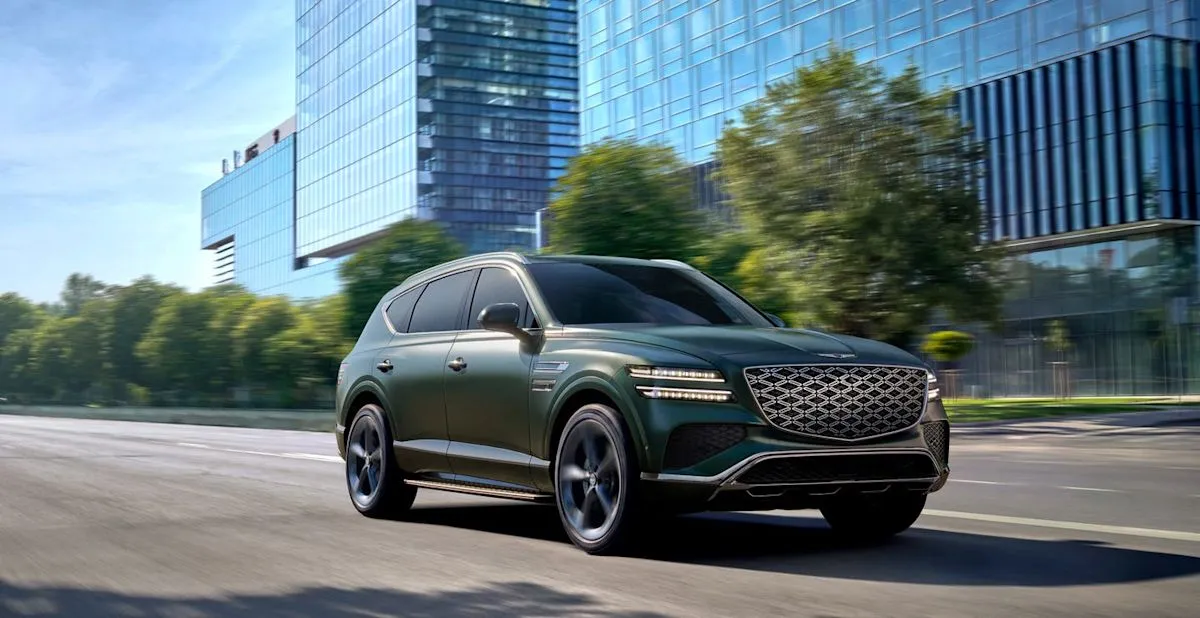
Visually, the Genesis GV80 Hybrid maintains the sophisticated aesthetic of its gas-powered siblings, with only minor exterior modifications. Discerning observers will notice a redesigned front grille and unique wheel designs that set the hybrid model apart. Beyond aesthetics, the vehicle introduces practical, tech-driven features designed to optimize the hybrid driving experience.
Among these unique features is a dedicated Stay mode. This system is designed to run all of the vehicle‘s secondary functions, such as climate control and infotainment, directly off the hybrid battery while the SUV is stationary. This ensures that the gasoline engine remains off during extended periods of idling, saving fuel and reducing emissions. Additionally, the hybrid comes equipped with an intelligent driving mode that dynamically adjusts regenerative braking. By utilizing real-time navigation data and monitoring the distance to the vehicle ahead, the system automatically optimizes energy recuperation.
Pros and Cons of the Genesis GV80 Hybrid
To help prospective buyers evaluate this upcoming luxury SUV, here is a balanced look at its advantages and potential drawbacks based on the initial specifications.
Pros
- Balanced Performance: The 347-horsepower output offers a compelling middle ground between the entry-level four-cylinder and the top-tier V6 engine.
- Improved Efficiency: A projected 25 percent boost in fuel economy makes it a much more practical choice for daily commuting and long-distance travel.
- Smart Battery Features: Innovative technologies like Stay mode and navigation-linked regenerative braking enhance overall convenience and energy savings.
- Subtle Styling: Retains the handsome, upscale look of the standard GV80 without overly aggressive hybrid badging.
Cons
- Conventional Hybrid Setup: Unlike several key luxury rivals that offer plug-in hybrid (PHEV) powertrains with dedicated electric-only range, the GV80 utilizes a traditional hybrid configuration.
- Unconfirmed Specifications: Complete details regarding all-wheel drive availability and official pricing for the U.S. market remain unconfirmed.
Market Comparison and Verdict
The introduction of the GV80 Hybrid marks an important step for Genesis as it establishes a presence in the electrified luxury segment. When it arrives on the market, it will face stiff competition from established mid-size luxury hybrid SUVs. Rivals such as the Volvo XC90, BMW X5, and Mercedes-Benz GLE-class are prominent players in this space. However, it is worth noting that many of these competitors rely on plug-in hybrid systems, which require external charging to maximize their efficiency benefits.
For buyers who want a premium, high-tech luxury SUV with improved fuel economy but do not want the hassle of plugging in a vehicle, the Genesis GV80 Hybrid presents an incredibly attractive middle ground. It successfully combines modern efficiency features with the proven luxury and performance of the GV80 platform.