The automotive world is a perpetual cycle of innovation, anticipation, and evolution. Few brands embody this dynamic as consistently as BMW, a marque synonymous with performance, luxury, and cutting-edge technology. As we look towards the middle of the decade, attention is beginning to coalesce around the next iteration of one of its most stylish and engaging models: the BMW 4 Series.
Introduced as a distinct model line in 2013, separating the two-door coupe and convertible variants from the 3 Series sedan, the 4 Series quickly carved out its niche. It offers a sportier, more emotionally charged driving experience compared to its sedan sibling, coupled with a design language that emphasizes athleticism and elegance. The current G22/G23/G26 generation, launched in 2020, stirred considerable discussion with its bold new grille design, but has ultimately solidified its position as a compelling choice in the premium compact executive segment.
Now, as BMW’s product cycles typically dictate a significant refresh or full redesign every seven years, the 2026 model year is poised to usher in either a comprehensive Life Cycle Impulse (LCI – BMW’s term for a mid-cycle facelift) or, more likely, an entirely new generation of the 4 Series. This article delves into the speculative release date, what we can expect from its redesign, and offers an extensive buying guide for those considering making the next-gen 4 Series their own.
The Road to 2026: Anticipated Release Date and Redesign
Predicting a precise release date for a car still years away involves a degree of informed speculation, but BMW’s patterns provide a strong roadmap. Given the current 4 Series launched for the 2021 model year (with production starting in late 2020), a full redesign for the 2026 model year aligns perfectly with BMW’s typical 6-7 year generation lifespan.
Anticipated Timeline:
- Late 2025: We can expect to see initial spy shots of camouflaged prototypes undergoing testing on public roads and at the Nürburgring. This period will be followed by official teasers and concept reveals.
- Q1/Q2 2026: The official global unveiling of the all-new 2026 BMW 4 Series is highly probable. This could take place at a major international auto show or a dedicated digital launch event.
- Mid-to-Late 2026: Market launch and first customer deliveries are expected to commence, initially in key markets like North America and Europe, before a broader global rollout.
Expected Redesign – What to Anticipate:
While definitive details remain under wraps, we can extrapolate from BMW’s current design philosophy, technological trajectory, and industry trends to paint a picture of the next 4 Series.
-
Exterior Design Evolution:
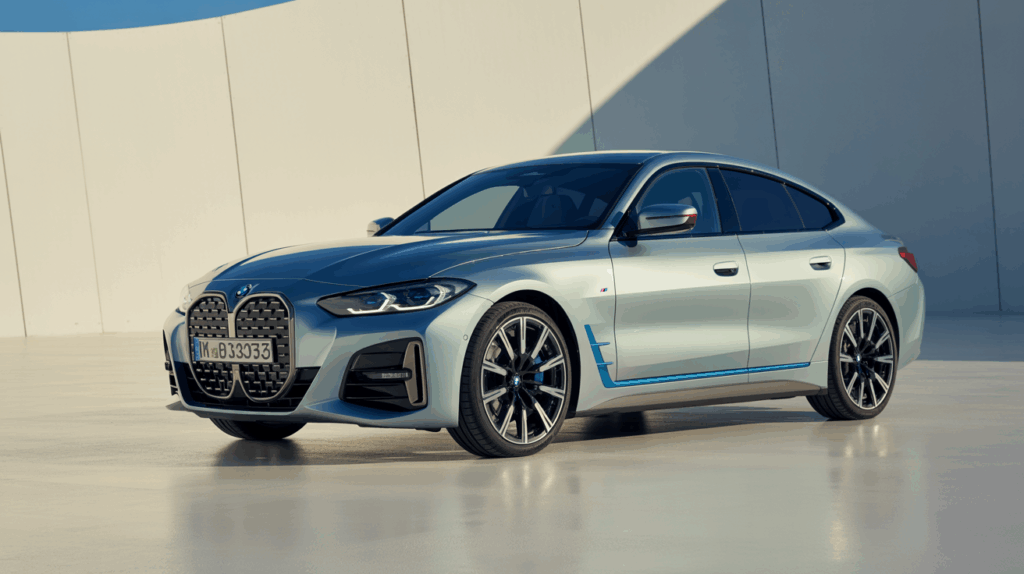
- The Grille: The controversial vertical kidney grille of the current generation has matured, and while it’s unlikely to disappear entirely, expect a refined and potentially more integrated interpretation. BMW designers have shown a willingness to evolve, and the next 4 Series might feature a grille that strikes a better balance between presence and elegance, perhaps with more intricate internal detailing or a slightly less aggressive vertical stance.
- Sleeker Profile: Expect a continuation of the current generation’s emphasis on a low, wide, and muscular stance. Sharper character lines, a more aerodynamic silhouette, and subtly flared wheel arches will likely contribute to an even more dynamic appearance.
- Lighting Signatures: BMW’s lighting technology is always a highlight. Expect slimmer, more intricate LED headlights and taillights with distinct daytime running light (DRL) and brake light signatures that further differentiate the 4 Series from its siblings and competitors. Adaptive LED Matrix or even Laserlight technology will likely be available, offering enhanced visibility and a premium aesthetic.
- Variants: The full spectrum of 4 Series body styles – the traditional Coupe (G42/G43-series, assuming new internal codes), the Convertible (G44-series), and the practical yet stylish Gran Coupe (G46-series) – are expected to return, each offering its unique blend of aesthetics and functionality.
-
Interior Revolution and Technology Integration:
- Curved Display: The current generation has already adopted the large, curved display housing the digital instrument cluster and infotainment touchscreen. The 2026 model will likely refine this setup, perhaps with even larger screens, improved graphics, and seamless integration into the dashboard architecture.
- iDrive System: BMW’s iDrive infotainment system is continuously evolving. The 2026 4 Series will undoubtedly feature the latest iteration (likely iDrive 9 or 10), offering enhanced voice control, gesture control, faster processing, and even deeper integration with cloud-based services and smartphone functionality (Apple CarPlay, Android Auto).
- Sustainable Materials & Personalization: Expect an increased focus on sustainable and recycled materials in the cabin, alongside the traditional premium leather and wood/aluminum trim options. Personalization will remain key, with a wide array of interior color schemes, trim finishes, and ambient lighting options.
- Reduced Physical Buttons: Following current trends, BMW will likely further minimize physical buttons, integrating more functions into the touchscreen or steering wheel controls, though critical functions like climate control and volume will likely retain tactile inputs.
- Advanced Driver-Assistance Systems (ADAS): The 2026 4 Series will feature an even more comprehensive suite of ADAS technologies. This will include enhanced adaptive cruise control with stop-and-go functionality, improved lane-keeping assist, automated parking, and potentially Level 2+ semi-autonomous driving capabilities, allowing for hands-off driving in certain highway conditions.
-
Powertrain Prognosis:
- Continued ICE Dominance with Electrification: While BMW is pushing electrification, the 4 Series is likely to retain a strong internal combustion engine (ICE) lineup, albeit heavily hybridized.
- Mild-Hybrid (MHEV) Standard: Expect 48-volt mild-hybrid technology to become standard across most, if not all, ICE variants. This system provides a small electric boost for improved acceleration, smoother start/stop functionality, and enhanced fuel efficiency.
- Engine Lineup:
- 430i Equivalent: A refined 2.0-liter turbocharged four-cylinder engine, likely producing around 255-265 horsepower, paired with the mild-hybrid system.
- M440i Equivalent: The popular 3.0-liter turbocharged inline-six engine, also with substantial mild-hybrid assistance, potentially pushing output beyond the current 382 horsepower mark, offering thrilling performance.
- Plug-in Hybrid (PHEV): A plug-in hybrid variant is a strong possibility, combining a four-cylinder engine with a powerful electric motor and a larger battery pack for significant all-electric range, appealing to eco-conscious buyers who still desire performance.
- Transmission: The venerable ZF 8-speed automatic transmission, renowned for its smoothness and responsiveness, will undoubtedly continue as the sole transmission option.
- Drivetrain: Rear-wheel drive (RWD) will likely remain standard for the entry-level models, with BMW’s xDrive all-wheel-drive system offered as an option or standard on higher-performance variants.
- The M4: The high-performance M4 will follow, featuring an even more potent version of the inline-six, likely with further electrification and advanced chassis tuning.
The 2026 BMW 4 Series Buying Guide: Making the Right Choice
Once the new 4 Series is officially revealed, navigating the various options and configurations will be key to finding your perfect BMW. This comprehensive buying guide aims to prepare you for that decision-making process.
-
Understanding Your Needs: Coupe, Convertible, or Gran Coupe?
- The Coupe (2-door): This is the quintessential 4 Series experience. It prioritizes sleek styling, a dynamic driving feel, and a more intimate cabin. Ideal for individuals or couples who rarely need rear seats and appreciate uncompromised aesthetics and sportiness.
- The Convertible (2-door): For those who crave open-air driving, the convertible offers the same stylish lines as the coupe but with the added exhilaration of a retractable hardtop or soft-top (depending on BMW’s future design choice). It’s a lifestyle choice, perfect for scenic drives. Expect a slight weight penalty and reduced trunk space compared to the coupe.
- The Gran Coupe (4-door): Don’t let the name confuse you; this is a four-door sedan with a coupe-like roofline. It offers the practicality of rear doors and more usable back seats than the coupe, combined with the sportier styling and driving dynamics of the 4 Series. It bridges the gap between the 3 Series sedan and the 2-door 4 Series, making it the most versatile option for families or those needing more passenger space. The electric i4 is currently based on the Gran Coupe, hinting at its potential for diverse powertrains.
-
Decoding the Trim Levels and Engine Choices:
- 430i (Expected): This will likely be the entry point, powered by the 2.0-liter turbocharged four-cylinder engine with mild-hybrid assist. It offers a strong balance of performance, fuel efficiency, and affordability. It’s perfectly capable for daily driving and spirited weekend excursions.
- M440i (Expected): Stepping up significantly in performance, the M440i will feature the 3.0-liter turbocharged inline-six with mild-hybrid technology. This is the sweet spot for many enthusiasts, delivering exhilarating acceleration, a glorious engine note, and enhanced dynamic capabilities, often bundled with M Sport design elements and chassis upgrades.
- PHEV Variant (Expected): If a plug-in hybrid is offered, it will likely be positioned as a premium, eco-conscious option, possibly named 430e or 440e. It will combine the best of both worlds: electric-only commuting and long-distance ICE capability.
- M4 (Future Release): For the ultimate performance, the M4 will arrive later, featuring significantly more power, aggressive styling, and a track-focused chassis. This is for the dedicated performance enthusiast.
-
Must-Have Options and Packages: BMW is renowned for its extensive options list. Carefully consider what truly enhances your driving and ownership experience.
- M Sport Package: A popular choice for its aesthetic and dynamic upgrades. It typically includes M Sport specific wheels, aerodynamic body kit, sport suspension (often optional to upgrade further), M Sport steering wheel, and unique interior trim.
- Premium Package: Focuses on comfort and convenience, often including features like heated steering wheel, heated seats, lumbar support, a head-up display, and enhanced ambient lighting.
- Executive Package: Builds on the Premium Package, adding luxury items such as a panoramic sunroof (for Gran Coupe), power trunk lid, laser headlights, and advanced parking assistance features.
- Driving Assistance Professional Package: A crucial investment for safety and convenience, offering adaptive cruise control with stop-and-go, lane-keeping assist, blind-spot monitoring, front cross-traffic alert, and hands-free driving capabilities.
- Dynamic Handling Package: For the enthusiast, this package typically includes adaptive M suspension, M Sport differential, and upgraded brakes, significantly sharpening the car’s agility and responsiveness.
- Individual Options: Don’t forget to explore individual choices for specific paint colors, wheel designs, interior leather upholstery, and trim finishes to truly personalize your 4 Series.
- Audio System: For audiophiles, consider upgrading from the standard system to Harman Kardon or the premium Bowers & Wilkins setup for an immersive sound experience.
-
Interior and Infotainment Considerations:
- Ergonomics: During your test drive, assess the seating position, visibility, and ease of access to controls. Ensure the digital instrument cluster and infotainment screen are clear and intuitive.
- Material Quality: BMW interiors are known for their quality. Pay attention to the feel of the plastics, leathers, and metal trims.
- Connectivity: Confirm the latest Apple CarPlay and Android Auto integration, wireless charging, and USB-C ports are sufficient for your needs.
- Storage: Check the size of the glovebox, center console, and door pockets. Trunk space will vary significantly between the Coupe, Convertible, and Gran Coupe.
-
Safety and Driver Assistance:
- Standard Features: All 2026 4 Series models will come with a robust suite of standard safety features, including multiple airbags, stability control, and basic driver aids.
- Optional Upgrades: As mentioned, the Driving Assistance Professional Package is highly recommended for its advanced semi-autonomous features and comprehensive safety net. Consider features like surround-view cameras for easier parking.
-
The Electrification Question: 4 Series vs. i4:
- The current BMW i4, an all-electric Gran Coupe, already exists. For the 2026 model year, if a 4 Series PHEV is offered, it presents an interesting dilemma. The i4 offers pure electric driving, instant torque, and zero emissions. The 4 Series (ICE/PHEV) offers the traditional BMW engine experience, potentially longer range on a single tank/charge, and a different fueling infrastructure. Your decision will hinge on your daily commute, access to charging, and preference for electric vs. combustion power.
-
Pricing Projections (Speculative):
- Given the redesign and inflationary pressures, expect a modest price increase over the current generation.
- 2026 430i Coupe (RWD): Starting around $55,000 – $58,000 USD.
- 2026 M440i Coupe (RWD/xDrive): Starting around $68,000 – $72,000 USD.
- Convertible and Gran Coupe variants: Typically command a premium of $5,000 – $8,000 over their Coupe counterparts.
- Fully Loaded M440i/PHEV: Could easily push into the $80,000 – $90,000+ range with all desirable options.
-
Competitor Landscape:
- The 2026 4 Series will continue to face stiff competition from rivals like the Audi A5/S5 (Coupe, Cabriolet, Sportback), Mercedes-Benz C-Class Coupe/Cabriolet, and potentially the Lexus RC. Each offers a different blend of luxury, performance, and styling, so cross-shopping will be essential.
-
The Test Drive: A Non-Negotiable Step:
- Drive Multiple Variants: If possible, test drive both the four-cylinder and six-cylinder engines to understand the power delivery differences.
- Varying Conditions: Drive on highways, city streets, and winding roads to assess ride comfort, handling, and noise levels in different scenarios.
- Test Technology: Spend time with the infotainment system, practice using voice commands, and test out the ADAS features in a safe environment.
- Comfort Check: Pay attention to seat comfort, visibility, and ease of ingress/egress. If you’re considering a convertible, test it with the top up and down.
- Parking: Try parking in tight spots to evaluate maneuverability and the effectiveness of parking aids.
-
Financing and Ownership Costs:
- Lease vs. Buy: Consider your ownership horizon. Leasing often means lower monthly payments and the flexibility to get a new car every few years, while buying offers equity and no mileage restrictions.
- Insurance: Premium cars like the 4 Series will have higher insurance premiums. Get quotes before committing.
- Maintenance: BMW offers various maintenance plans. Factor these into your budget. Regular servicing is crucial for longevity and resale value.
- Depreciation: While BMWs hold their value relatively well, especially performance models, all new cars depreciate. This is a factor to consider for long-term ownership.
The 2026 BMW 4 Series promises to be an exciting evolution of a beloved model. With a redesign that is expected to blend BMW’s storied driving dynamics with cutting-edge technology and a refined aesthetic, it’s poised to continue its legacy as a benchmark in the premium compact executive segment. For prospective buyers, understanding the nuances of its various body styles, powertrains, and extensive options list will be crucial to configuring a vehicle that perfectly aligns with their desires and driving ambitions. The wait may be long, but the anticipation for the next chapter of the 4 Series is already building.