SpeedSUVs.com — Upgrading a car camping setup often brings to mind high-profile equipment like sleek rooftop tents, heavy-duty awnings, or multi-burner camp stoves. However, practical experience in off-grid environments demonstrates that the most impactful gear is often far less flashy. While sleeping setups and outdoor cooking apparatuses receive significant attention, a reliable portable toilet provides a level of comfort and convenience that fundamentally transforms the off-grid experience. Navigating dark woods or unfamiliar terrain in the middle of the night with a handheld flashlight to find a suitable spot free from poisonous plants highlights the immediate utility of a self-contained sanitation system. Portable toilets designed for vehicle camping, overland travel, and temporary off-grid living address essential biological needs cleanly and discreetly.
Modern off-grid sanitation relying on urine-diverting dry toilets has advanced significantly beyond primitive buckets or basic chemical systems. Models like the Boxio Composting Toilet and the OGO Nomad rely on urine-diverting technology to manage waste effectively without requiring pressurized water lines or complex plumbing. By separating liquid waste from solid waste at the point of use, these units effectively mitigate odor generation, which primarily occurs when urine and feces mix. In these systems, liquid waste drains into a front-facing collection reservoir, while solid waste falls into a rear compartment lined with a compostable bag. Users then cover the solid waste with a carbon-rich bulking agent, such as hemp, coconut coir, or sawdust. This separation process keeps disposal straightforward, hygienic, and manageable for campers, festivalgoers, van lifers, and hunters.
An In-Depth Look at the Boxio Composting Toilet
The Boxio Composting Toilet features a distinct design language modeled after standard Eurobox storage containers. When fully closed, the unit presents a clean, blocky appearance that blends seamlessly into standard storage setups, effectively concealing its inner function. Measuring 15.8 inches deep, 11.8 inches wide, and 11.0 inches tall, the Boxio is intentionally compact, making it one of the most space-efficient dry toilets available for vehicle-based camping.
Functional design inside the Boxio is simple and practical. Beneath its main hinged seat lies a 5-liter liquid collection tank situated toward the front of the frame. The rear section houses a dedicated, removable plastic bin designed to be lined with a waste bag, much like a household trash can. Disposing of solid waste requires lifting the seat, pulling out the lined bag, and securing it for disposal. A second hinged outer lid folds down over the top when the unit is not in use, maintaining a clean aesthetic and securing the interior components during transport.
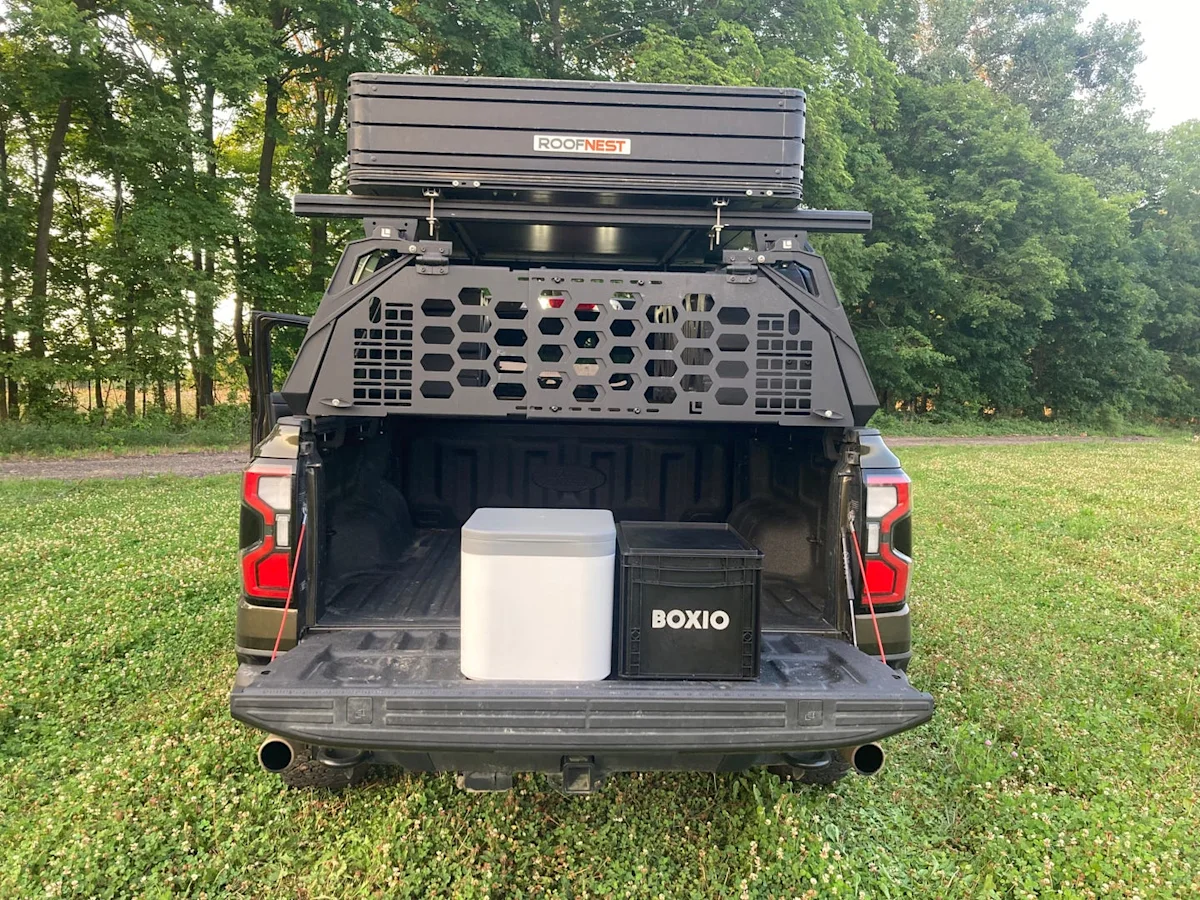
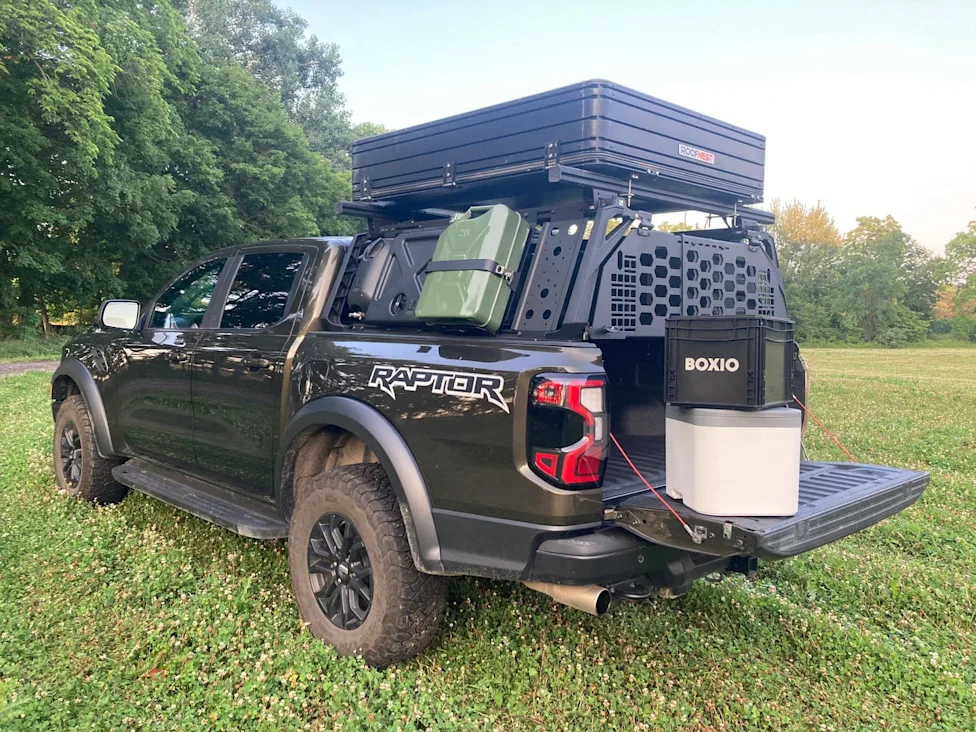
The main advantage of the Boxio is its ultra-compact footprint and effortless waste handling. The internal removable bin allows for quick lining and simple bag removal without fussy attachment mechanisms. Its low weight and compact size allow it to fit neatly into tight vehicle compartments, such as the space between a tailgate and a wheel well. However, the compact dimensions create a notable compromise regarding seat height. Sitting at just 11.0 inches tall, the low posture can feel uncomfortable for tall individuals or users with knee and hip mobility limitations. While Boxio offers stackable riser boxes or integration with its companion portable sink to elevate the unit, adding extra height increases overall bulk, which somewhat detracts from the space-saving appeal that defines the product.
An In-Depth Look at the OGO Nomad
The OGO Nomad offers a different approach to off-grid sanitation by prioritizing ergonomic seating comfort. Measuring 15.4 inches deep, 13.0 inches wide, and 12.4 inches tall, the Nomad has a footprint only slightly larger than the Boxio on paper. However, its dedicated toilet shape creates a substantially different physical presence and a higher, more natural seating position that closely mirrors standard residential toilets.
Despite its superior seating ergonomics, the OGO Nomad introduces operational friction in its assembly and waste maintenance system. The upper seat and lid are molded into a single continuous piece designed to slide tightly onto the lower structural base. While this snug construction creates a tight seal that effectively contains unwanted odors during transport and storage, it introduces physical difficulty during routine cleaning. Separating the upper section from the lower housing to access the internal waste containers frequently requires physical effort and patience, as the tight tolerances make alignment tricky when reassembling the two halves.
Waste bag retention in the OGO Nomad also differs from standard bin systems. Rather than placing a liner into a removable inner box, the Nomad relies on four rotating corner clips located inside the solid waste compartment to hold the bag in place. While these clips hold the waste bag securely and prevent slipping during use, they are inherently fussier to align compared to the simple bucket-liner design found in the Boxio. Despite these minor functional frustrations during cleaning and lining, the Nomad excels in overall user comfort, making it a strong contender for long-term off-grid living setups.
Comparing Features, Comfort, and Maintenance
When evaluating the Boxio and the OGO Nomad side by side, specific trade-offs emerge across portability, seating comfort, waste management, and structural execution:
- Design and Discretion: The Boxio disguises itself as a modular Eurobox container, fitting naturally among stacked storage crates. The OGO Nomad features an explicit toilet shape that prioritizes traditional ergonomics over camouflage.
- Seating Ergonomics: The OGO Nomad’s 12.4-inch height and contoured profile offer a more comfortable posture, particularly for extended use or individuals with joint sensitivity. The Boxio’s 11.0-inch height requires a lower squat position unless elevated on secondary risers.
- Waste Container Maintenance: The Boxio employs a simple drop-in removable bin that accepts standard waste liners effortlessly. The OGO Nomad utilizes corner retention clips, which require extra care during liner setup.
- Odor Retention and Structural Fit: The OGO Nomad features precise molded tolerances between its upper and lower halves, locking in odors effectively but making disassembly for maintenance challenging. The Boxio utilizes double hinged lids that open easily while keeping the unit sealed when closed.
Pros and Cons Summary
Boxio Composting Toilet
- Pros: Highly compact Eurobox design; extremely lightweight; intuitive drop-in liner system for solid waste; easy to store in minimal trunk spaces.
- Cons: Low seating height requires a deep squat posture; adding optional risers increases overall cargo bulk.
OGO Nomad Portable Toilet
- Pros: Taller, traditional seat shape provides superior physical comfort; effective odor sealing due to tight construction; great for extended road trips.
- Cons: Tight tolerances make separating upper and lower sections difficult during cleaning; corner bag clips are less intuitive to set up.
Final Verdict: Which Portable Toilet Should You Choose?
Choosing between the Boxio Composting Toilet and the OGO Nomad depends primarily on your travel style, available vehicle storage space, and how long you plan to live off-grid. Both models successfully deliver hygienic, waterless waste management through effective urine diversion, eliminating the need for harsh chemicals or complex plumbing.
For weekend campers, festivalgoers, or minimalists operating out of compact vehicles where every inch of cargo space matters, the Boxio is the pragmatic choice. Its lightweight Eurobox structure, disguised appearance, and effortless waste bag changing routine make it an exceptional space-saving companion. Conversely, for full-time van lifers, extended overlanders, or off-grid cabin dwellers spending consecutive weeks or months on the road, the extra comfort provided by the OGO Nomad outweighs its mechanical friction. The taller seating profile and traditional shape make daily use significantly more comfortable, justifying its slightly larger footprint and tighter assembly fittings.