SpeedSUVs.com provides a comprehensive look at the realities of vehicle ownership, specifically focusing on the often-overlooked expenses associated with scheduled maintenance. While the purchase price of a vehicle is the primary hurdle for most buyers, the long-term costs of keeping that vehicle running—including oil changes, filter replacements, and specialized service—can vary drastically between brands and models.
The High Cost of Performance: Porsche and Luxury Maintenance
Luxury sports cars often carry premium service requirements that reflect their engineering complexity. The 2022 Porsche 718 Cayman GTS 4.0 serves as a prime example, racking up $3,200 in maintenance costs during its long-term test period. Although the first scheduled stop was complimentary, the subsequent three visits at 10,000-mile intervals, which included essential work like spark plug replacements at 30,000 miles, proved quite expensive.
Similarly, the 2019 Porsche Cayenne demonstrated that even Porsche’s SUV lineup commands high service fees. Over three scheduled maintenance visits, the Cayenne cost $2,677. While these vehicles offer exhilarating performance and high-quality build materials, owners should be prepared for the higher cost of entry regarding dealership labor and specialized parts.

The Role of Complimentary Maintenance Programs
One of the most effective ways manufacturers manage the perception of high ownership costs is through complimentary maintenance programs. The 2022 BMW M3 stands out as a success story in this category. Despite being a high-performance vehicle, the BMW’s three-year or 36,000-mile complimentary maintenance program covered every service stop, resulting in zero out-of-pocket costs for the owner during the testing period. This generous policy significantly lowers the initial barrier to ownership.
The 2021 Hyundai Sonata also benefited from a similar structure, where Hyundai’s plan covered all but one of the scheduled service visits. However, it is crucial for prospective buyers to note that Hyundai discontinued this coverage for the 2026 model year, changing the ownership landscape for future buyers.
Mainstream SUV and Truck Maintenance Comparisons
In the mainstream market, service costs can fluctuate based on engineering shifts. The 2024 Mazda CX-90, for instance, showed a total of $1,593 in maintenance, a figure that trends closer to luxury vehicles than traditional mass-market SUVs. This stands in contrast to rivals like the 2024 Toyota Grand Highlander ($938), 2020 Kia Telluride ($728), and 2019 Subaru Ascent ($821), which proved more economical in their long-term tests.

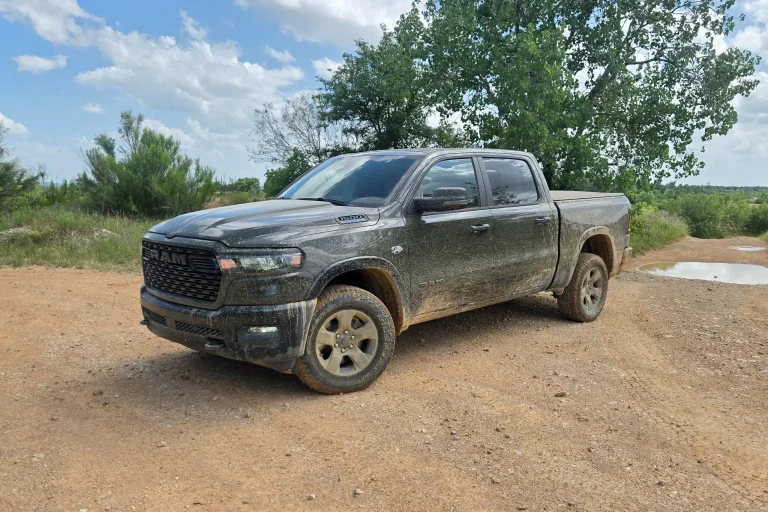
Trucks also show significant variance. The 2023 Toyota Tundra Hybrid incurred $1,413 in maintenance, largely driven by an expensive 30,000-mile service interval that involved complex tasks like differential fluid changes and transfer case oil replacement. This is notably higher than the $425 cost recorded for a 2019 Ram 1500 during a similar period, highlighting how powertrain complexity impacts long-term budget planning.
Economical Options for Daily Drivers
For those prioritizing low ownership costs, certain models consistently prove their worth. The 2021 Honda CR-V Hybrid, for example, cost only $476 for essential services like tire rotations and filter changes. This was notably cheaper than the $781 spent on a Mazda CX-30, despite the CR-V lacking a complimentary maintenance plan.
Honda’s performance-oriented Civic Si also remains a budget-friendly option, totaling $383 for three scheduled service stops. Even the high-performance Civic Type R kept service costs around $369, though owners should account for the increased expense of replacing high-performance tires frequently. Meanwhile, the 2024 Ford Maverick Hybrid continues to be a practical choice, with its four scheduled stops totaling a modest $593.

The Electric Vehicle Advantage
Electric vehicles (EVs) are fundamentally changing maintenance expectations. The 2024 Kia EV9, costing just $355, demonstrated that the lack of internal combustion components—such as engine oil—drastically reduces service requirements. Following the BMW i4, which cost nothing due to a maintenance program, the EV9 proved to be one of the cheapest vehicles to maintain, rivaling the Rivian R1T ($405) and Tesla Model 3 ($432). As automotive technology evolves, these trends suggest that scheduled maintenance will continue to be a primary factor in total cost-of-ownership calculations for consumers.