SpeedSUVs.com — Ford is actively preparing a new compact electric pickup truck designed for the mass market, and recent spy photos have provided a much closer look at what the American automaker has in development. Spotted testing near Ford’s headquarters in Dearborn, Michigan, the upcoming electric vehicle is currently being referred to as the Universal EV pickup. Speculation is growing that this new vehicle could revive a historic nameplate to become the Ford Ranchero.
A Strategic Pivot After the F-150 Lightning
Ford’s journey with electric trucks has faced challenges. The larger electric F-150 Lightning struggled to find sustained traction in the market, with many industry analysts and observers viewing it as a commercial disappointment. In response, the automaker is circling its wagons and shifting its focus toward a completely different class of electric vehicles. Instead of a premium, full-size workhorse, Ford is targeting the budget-conscious consumer with a compact, highly efficient alternative.

The upcoming truck is designed to be roughly the size of the current Ford Maverick. This smaller footprint allows Ford to target a highly accessible price point of approximately $30,000. To achieve this ambitious pricing, the vehicle will be built on Ford’s upcoming Universal EV platform. This platform is engineered specifically to utilize fewer individual parts and feature a simplified assembly process, which will keep production and material costs low. Ford plans to initiate production of this affordable truck at its manufacturing plant in Kentucky, with a projected launch timeline set for some time in 2027.
Exterior Design Clues and Aerodynamics
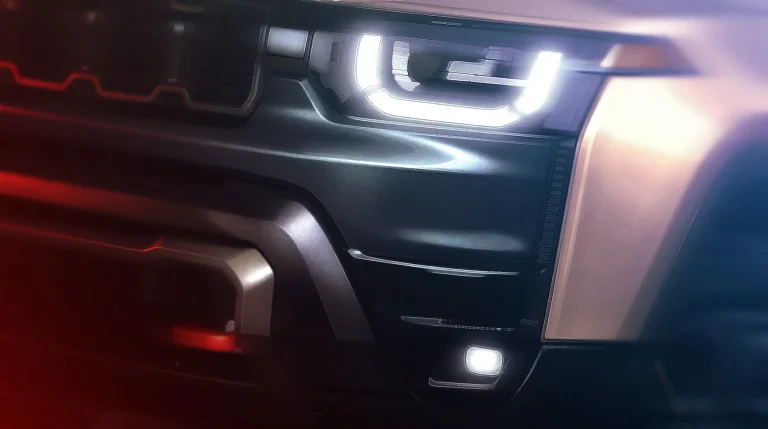
The prototype captured by spy photographers was covered in heavy, bulky camouflage, particularly around the front end. While the blocky cladding suggests a tall, blunt front grille similar to Ford’s traditional gas-powered trucks, this visual layout is highly likely to be a decoy. Information and teaser images published on Ford’s own promotional website for the project show air flowing smoothly around a much lower, gently arching front end. This indicates that aerodynamic efficiency is a top priority for the engineering team to maximize battery range and efficiency.

The spy images also revealed specific details about the vehicle’s rolling stock. Although the wheel faces were fully disguised in the spy photos, they are confirmed to be 19-inch wheels. The prototype was riding on Michelin E Primacy all-season tires, with a tire specification of 245/55R-19. These low-rolling-resistance tires are specifically designed to optimize the efficiency of electric drivetrains.
Further inspection of the front end reveals a small opening in the camouflage that exposes a front-facing camera, indicating advanced driver-assistance features or a 360-degree parking system. The headlights also stand out, showing off an intricate, modern lighting signature that does not resemble any other current model in the Ford lineup.

At the back of the cab, a prominent spoiler-like trim piece protrudes outward. It remains unclear if this element is a production-intent aerodynamic feature or another camouflage decoy meant to throw off onlookers. However, the photos do show that the rear window will feature a sliding section, a highly practical element appreciated by traditional truck buyers.
Interior Space and Technology Expectations
The spy photos also provide a sneak peek inside the cabin, confirming the presence of a large center touchscreen display. This tech-heavy layout is standard for modern electric vehicles, though it remains to be seen how minimalist the rest of the dashboard will be. Ford could follow the design path popularized by Tesla, opting for a single dominant display with almost no physical buttons or switchgear, or it could retain physical controls for primary functions.

Despite its compact Maverick-sized exterior dimensions, Ford claims the interior will be surprisingly spacious. According to the automaker, the cabin will offer more passenger and cargo room than Toyota’s compact RAV4 crossover SUV. This packaging efficiency is a natural benefit of dedicated electric vehicle platforms, which lack the bulky transmission tunnels and engine bays of internal combustion vehicles.
The Ranchero Legacy
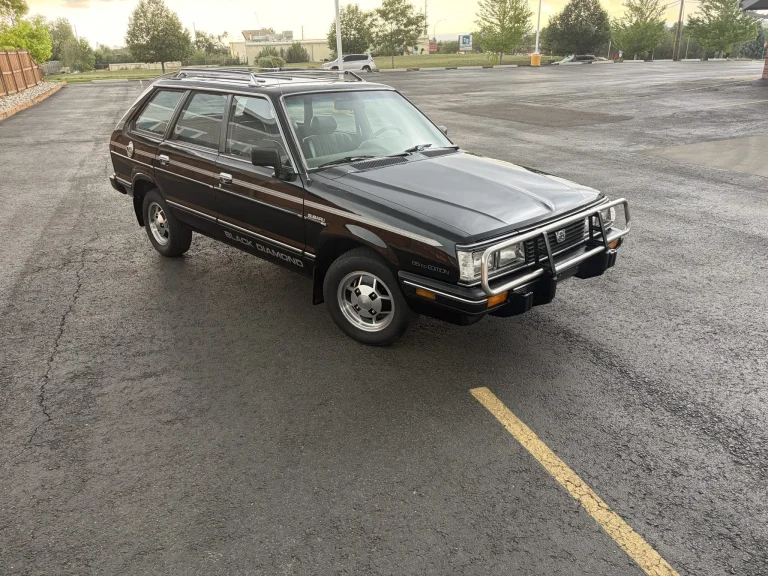
Speculation surrounding the truck’s name has intensified since Ford trademarked the “Ranchero” nameplate last fall. Historically, the Ranchero was a two-door, car-based utility vehicle sold by Ford from the mid-1950s through the late 1970s. Utilizing a vintage nameplate for a futuristic electric vehicle is a bold marketing move. It remains to be seen if the Ranchero name carries enough modern brand equity to successfully market a high-volume, mass-market electric vehicle to a new generation of buyers.

Pros and Cons Based on Current Information
Pros
- Affordable Target Price: At an estimated $30,000, it could lower the barrier of entry for electric pickup ownership.
- Efficient Packaging: Promises more interior space than a Toyota RAV4 despite its compact footprint.
- Simplified Platform: The Universal EV platform’s reduced parts count should support manufacturing reliability and lower repair costs.
- Aerodynamic Styling: A low-slung front end and specialized Michelin tires point to optimized highway range.
Cons
- Distant Launch Timeline: Production is not scheduled to begin in Kentucky until 2027, leaving a long wait for buyers.
- Potential Lack of Physical Controls: If Ford opts for a completely minimalist interior, some traditional buyers may miss physical buttons.
- Unproven Nameplate Appeal: The Ranchero name has been dormant for decades, and its historical car-based legacy may not resonate with modern truck buyers.
Conclusion
Ford’s upcoming $30,000 electric truck represents a vital course correction for the brand’s EV strategy. By moving away from expensive, full-size electric platforms and focusing on a simplified, compact design, Ford is positioning itself to capture the budget-conscious segment of the market. For buyers who want a practical utility vehicle with low operating costs, this upcoming model is certainly worth watching as its 2027 production date approaches.