SpeedSUVs.com provides an in-depth look at the automotive market as manufacturers prepare for significant shifts. As we look toward the 2027 model year, a variety of vehicles—ranging from luxury sedans to electric SUVs—will be exiting the market. Understanding these departures is essential for enthusiasts and potential buyers who may want to secure a final example of their favorite models.

The Transition Toward New Automotive Eras
The automotive industry is currently in a state of flux. Manufacturers are constantly evaluating their portfolios, balancing the need for legacy brand identity with the push for new electric platforms and revised design languages. The end of a model’s lifecycle does not always signal the death of a nameplate, but it does mark a definitive end for current iterations.

Luxury and Sports Cars Taking a Bow
Several high-profile luxury vehicles are facing retirement. The BMW 8-Series, for instance, will conclude its current run after 2026. While the nameplate is expected to return, the future of its specific body styles—coupe, convertible, and Gran Coupe—remains uncertain. Similarly, the BMW Z4, a roadster with over two decades of history, is bowing out. Its departure leaves a void in the affordable roadster segment that enthusiasts hope will eventually be filled.

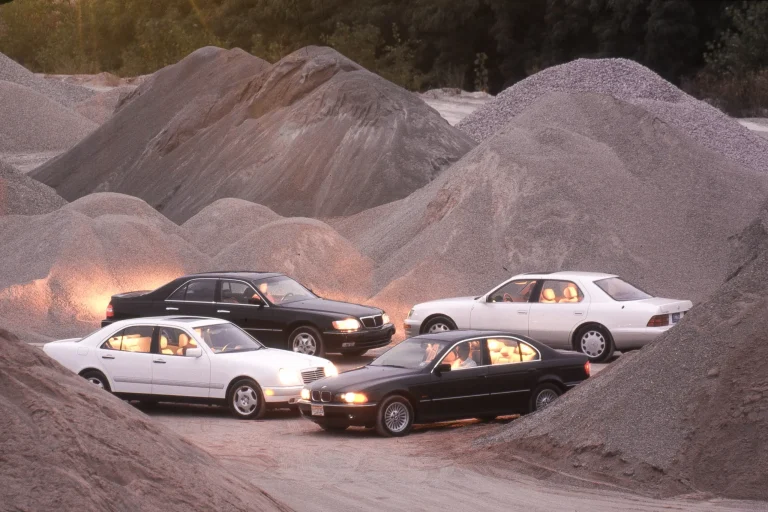
Cadillac is also thinning its ranks. The CT4, particularly the high-performance CT4-V Blackwing with its potent twin-turbo V-6, will be missed by driving enthusiasts. While the CT5 is also leaving for now, its return in a future generation is anticipated. Lexus is making even more dramatic moves, retiring the iconic LS flagship sedan and the stunning LC grand touring coupe. These departures signify a major shift in the brand’s sedan hierarchy, which will soon focus on the IS and ES models.

The Electric Vehicle Evolution
The electric vehicle (EV) segment is seeing rapid changes as well. The BMW iX, praised for its range and comfort, will no longer be available after 2026. Tesla is also shaking things up by ending the production of the Model S and Model X. These vehicles were instrumental in establishing Tesla’s dominance, and their retirement marks the end of an era. Interestingly, rumors suggest a three-row version of the Model Y might fill the gap left by the Model X. Meanwhile, the Polestar 4 is being discontinued as the Polestar brand faces uncertainty, and the Volvo EX30 will cease sales in the United States after just two years on the market.

Practical and Compact Crossovers
Utility vehicles are not immune to these changes. The Acura RDX will take a temporary hiatus, with a new generation expected to arrive for the 2028 model year. Ford is streamlining its lineup by discontinuing the Escape, leaving the Bronco Sport as the primary choice for compact SUV buyers. Additionally, the Volkswagen ID.4 will take a brief break, likely returning under the name ID.Tiguan. The Chrysler Voyager will also exit, though its essence continues through the 2027 Chrysler Pacifica LX, which retains similar design cues.

Niche and Specialized Vehicles
Some vehicles are departing due to brand-wide restructuring or changing market focus. The Chevrolet BrightDrop, once a promising electric van, is being phased out quickly. The Toyota GR Supra, which only returned to the market in 2020, is being retired once again. Furthermore, the Volvo V90 wagon will officially reach the end of its life, signaling a further reduction in station wagon offerings in the North American market.

Summary and Consumer Considerations
When a model is discontinued, it presents a unique opportunity for buyers. Those who have long admired these vehicles may want to act quickly to purchase a 2026 model, as these will be the final examples of the current generation. However, it is also important to consider long-term maintenance and parts availability. For those looking for the newest technology, waiting for the subsequent model years—or the next-generation replacements—might be the wiser choice. Ultimately, while it is sad to see some of these classics leave, the industry’s continuous evolution promises new and exciting alternatives in the near future.