The luxury coupe segment has long been a battleground for prestige, performance, and sophisticated design. As we look towards 2026, the automotive landscape is poised for significant evolution, with electrification, advanced technology, and evolving consumer expectations reshaping what it means to be a premium vehicle. At the heart of this transformation will be the next-generation Audi A5, a model widely anticipated to redefine its place among formidable rivals. The burning question for discerning buyers will inevitably be: Can the 2026 Audi A5 truly be the best coupe for the money?
To answer this, we must look beyond initial sticker price and delve into a holistic assessment of performance, technology, interior luxury, ownership costs, and long-term value against its key competitors: the BMW 4 Series, the Mercedes-Benz CLE Coupe, and the Lexus RC.
The 2026 Audi A5: A Glimpse into the Future of Vorsprung durch Technik
While official details for the 2026 Audi A5 are still under wraps, we can make informed predictions based on Audi’s current trajectory and industry trends. The next A5 is expected to represent a significant leap forward, likely built on an updated version of the MLB Evo platform, potentially incorporating elements from the upcoming PPE (Premium Platform Electric) architecture for electrified variants.
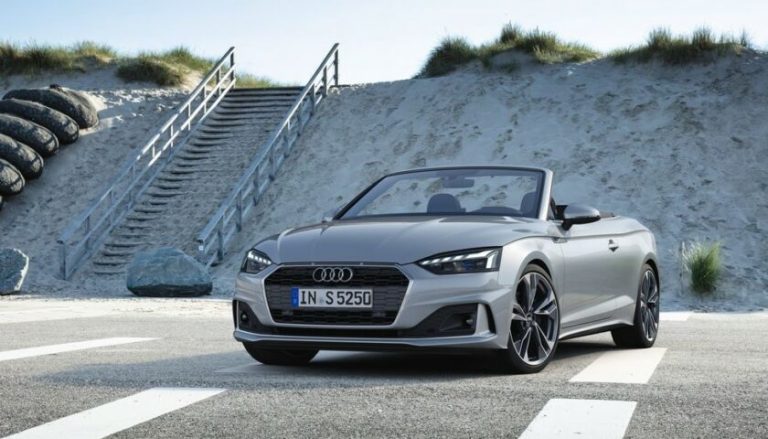
Design Evolution: Expect an evolutionary, rather than revolutionary, design. Audi’s signature clean lines and muscular proportions will likely be refined with sharper creases, a more aggressive Singleframe grille (possibly illuminated), and advanced Matrix LED lighting technology that offers intricate light signatures. Aerodynamics will play an even greater role, influencing everything from wheel designs to subtle body sculpting, contributing to both efficiency and visual dynamism. The Sportback variant will likely remain, but our focus here is on the traditional two-door coupe.
Powertrain Innovation: This is where the 2026 A5 is poised for its most significant transformation. A full transition to internal combustion engines is unlikely. Instead, the A5 lineup will almost certainly embrace widespread hybridization. Mild-hybrid (MHEV) systems will likely be standard across the range, enhancing fuel economy and providing a subtle boost to performance. We can also anticipate a plug-in hybrid (PHEV) variant, offering a significant electric-only range for daily commutes and reduced emissions. The venerable 2.0-liter turbocharged four-cylinder engine, a staple of the Audi lineup, will undoubtedly be refined for greater efficiency and power output. Quattro all-wheel drive, a cornerstone of Audi’s identity, will remain a key differentiator, offering superior traction and confidence in diverse driving conditions. Performance-oriented S5 and RS5 variants will follow, pushing the boundaries of what’s possible with advanced hybrid powertrains, potentially incorporating electric motors for instant torque and exhilarating acceleration.
Interior and Technology: Audi interiors are synonymous with minimalist elegance, impeccable material quality, and cutting-edge technology. The 2026 A5 will elevate this further. Expect a fully digital cockpit featuring a larger, more integrated MMI infotainment system with haptic feedback, likely incorporating advanced voice control and augmented reality features for navigation. Sustainable and recycled materials will be more prominent, aligning with Audi’s commitment to environmental responsibility without compromising luxury. Connectivity will be paramount, with seamless smartphone integration, over-the-air updates, and a suite of advanced driver-assistance systems (ADAS) that approach Level 3 autonomous driving capabilities in specific scenarios. The cabin will likely feel even more spacious and driver-focused, with ergonomic seating and ambient lighting that allows for extensive personalization.
Driving Dynamics: The A5 has always struck a commendable balance between sporty handling and comfortable cruising. The 2026 model will likely refine this equilibrium. With a potentially lighter chassis due to new materials and a lower center of gravity from battery integration, combined with adaptive suspension systems and precise steering, the A5 should offer an even more engaging driving experience while retaining its characteristic composure and refinement on longer journeys.
Anticipated Pricing: The A5 will remain a premium offering. While base prices might see a slight increase due to the added technology and hybrid powertrains, Audi will likely position it competitively within the segment, with a clear strategy for optional packages that allow buyers to tailor their vehicle to their preferences – often at a premium.
The Contenders: A Fierce Battle for Supremacy
The 2026 Audi A5 will not operate in a vacuum. Its success in the "best for the money" category will hinge on how it stacks up against its established and evolving rivals.
1. BMW 4 Series Coupe (G22/G23)
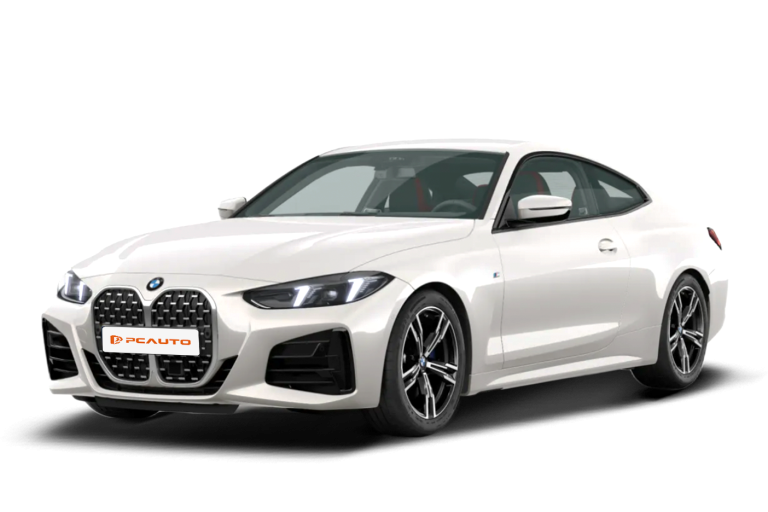
By 2026, the current generation BMW 4 Series, introduced in 2020, will likely have undergone a mid-cycle refresh (LCI – Life Cycle Impulse), addressing any initial criticisms (like the controversial large kidney grille) and incorporating updated technology.
- Strengths: BMW’s unwavering focus on driving dynamics remains its strongest suit. The 4 Series offers exceptional handling, precise steering, and a range of potent turbocharged engines (including mild-hybrid options) that deliver exhilarating performance. The iDrive infotainment system, particularly with the latest Curved Display, is highly intuitive. BMW also offers a strong lineup of M Performance and full M models for ultimate driving enthusiasts.
- Weaknesses: While refreshed, the interior design might feel slightly less avant-garde than Audi’s. The styling, particularly the front fascia, remains polarizing for some. Standard feature lists can sometimes be less generous than competitors, requiring more options to reach a desired level of luxury.
- Value Proposition: For the money, the BMW 4 Series often delivers the most engaging driver’s car. Its resale value is typically strong, and its robust engineering ensures reliable performance. However, optioning it up can quickly escalate the price, potentially diminishing its "for the money" appeal if raw performance isn’t the sole priority.
2. Mercedes-Benz CLE Coupe
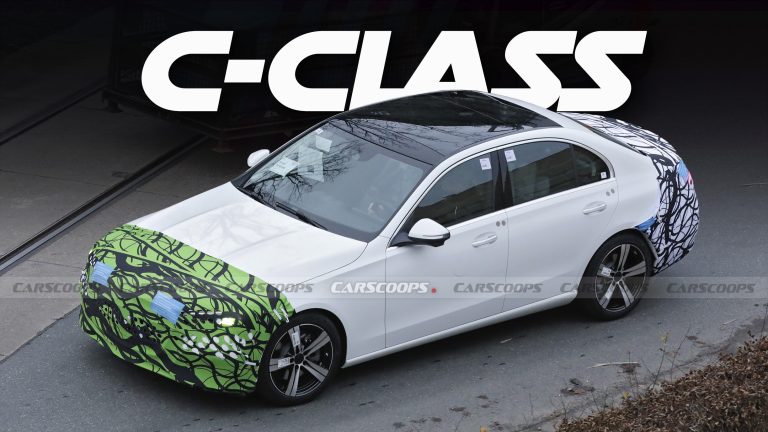
The Mercedes-Benz CLE Coupe is a relatively new entrant, launched to replace both the C-Class and E-Class coupes. By 2026, it will be a seasoned competitor, showcasing Mercedes’ latest design language and technology.
- Strengths: The CLE Coupe blends the sportiness of the C-Class with the luxurious appointments of the E-Class. Its interior is a masterclass in modern luxury, featuring the stunning MBUX infotainment system with its expansive digital displays, exquisite materials, and customizable ambient lighting. The ride quality is typically more comfort-oriented than its German rivals, making it an excellent choice for long-distance cruising. Mild-hybrid powertrains are standard, and a PHEV option is available, offering good efficiency.
- Weaknesses: While competent, the CLE Coupe might not offer the same level of raw driver engagement as the BMW 4 Series or the balanced sportiness of the A5. Its elegant design, while beautiful, might be perceived as less overtly aggressive by some. Mercedes’ reputation for premium pricing, especially with options, means it can quickly become the most expensive option in the segment.
- Value Proposition: The CLE Coupe offers unparalleled interior luxury and comfort for its class. If a lavish, tech-laden cabin and a serene driving experience are top priorities, the CLE presents a strong case. Its high perceived value in terms of materials and design is undeniable, but the initial investment and cost of options might make it a less obvious choice for the "best for the money" crown unless luxury is the primary driver.
3. Lexus RC
The Lexus RC, while perhaps feeling a generation behind its German rivals in terms of platform by 2026, continues to carve out a niche based on its unique strengths.
- Strengths: Lexus is synonymous with impeccable build quality and legendary reliability, often translating to lower long-term maintenance costs and strong resale values. The RC boasts distinctive, often aggressive, styling that stands out from the German trio. Its interior, while not as overtly tech-forward, uses high-quality materials and offers a comfortable, well-insulated cabin. The availability of a naturally aspirated V6 (and even a V8 in the RC F) offers a different kind of performance character that’s increasingly rare.
- Weaknesses: The RC’s platform is considerably older than its rivals’, impacting its agility, efficiency, and integration of the latest infotainment and driver-assistance technologies. The infotainment system, particularly the remote touchpad controller, can be clunky to use compared to MMI, iDrive, or MBUX. Fuel economy is generally not a strong point.
- Value Proposition: For buyers prioritizing bulletproof reliability, a unique aesthetic, and a potentially lower overall cost of ownership over a longer period, the Lexus RC remains a compelling, albeit less dynamic, option. Its "for the money" argument leans heavily on its low depreciation and fewer unexpected repair bills, making it a sensible choice for those who value peace of mind and enduring quality. However, its initial feature set and tech might feel dated against the 2026 A5.
The Value Equation: Deeper Dive into "Best for the Money"
The phrase "best for the money" is subjective and multi-faceted. It’s not just about the lowest price; it’s about the most value delivered across various critical metrics.
-
Initial Purchase Price & Standard Features:
- Audi A5 (2026): Anticipate a starting price in the low to mid-$50,000s, with a respectable but not overly generous list of standard features. Audi typically offers extensive option packages.
- BMW 4 Series: Likely to be similarly priced, possibly slightly higher, with its base models.
- Mercedes-Benz CLE: Expect the highest starting price among the Germans, reflecting its emphasis on luxury.
- Lexus RC: Likely the most affordable entry point, offering good value on base trims but with fewer cutting-edge features.
-
Optional Extras & Packages: This is where the price can quickly balloon. German manufacturers are notorious for their extensive, and expensive, option lists.
- Audi, BMW, Mercedes: Be prepared to add $5,000-$15,000 (or more) for desirable tech, safety, and luxury packages. The "best for the money" calculus here depends on how much of that extra spend feels truly essential or value-adding.
- Lexus: Generally offers fewer individual options, preferring well-defined trim levels, which can simplify purchasing but limit customization.
-
Performance vs. Efficiency:
- Audi A5 (2026): With standard mild-hybrid tech and a likely PHEV option, the A5 is poised to be a segment leader in efficiency, offering a strong blend of usable power and respectable fuel economy. This directly impacts long-term running costs.
- BMW 4 Series: Excellent performance, but pure efficiency might lag behind a dedicated A5 PHEV.
- Mercedes-Benz CLE: Good efficiency from its hybrid powertrains, prioritizing smooth power delivery.
- Lexus RC: Generally the least fuel-efficient, especially with the V6/V8 options, making it a less "for the money" choice in terms of running costs.
-
Technology & Infotainment:
- Audi A5 (2026): Expected to be a benchmark for intuitive, integrated, and visually stunning technology. Its MMI system, virtual cockpit, and ADAS suite will be cutting-edge.
- BMW 4 Series: iDrive with the Curved Display is excellent and driver-focused.
- Mercedes-Benz CLE: MBUX offers a highly luxurious and feature-rich experience, often considered among the best.
- Lexus RC: The oldest system, likely to feel significantly dated by 2026.
-
Interior Quality & Comfort:
- Mercedes-Benz CLE: Likely the segment leader for sheer luxury, comfort, and premium feel.
- Audi A5 (2026): Will offer a blend of modern design, high-quality materials, and ergonomic excellence, leaning towards sophisticated minimalism.
- BMW 4 Series: High quality, but perhaps less overtly luxurious or innovative in design than Audi or Mercedes.
- Lexus RC: Solid build, durable materials, but design and tech might not feel as contemporary.
-
Driving Dynamics & Engagement:
- BMW 4 Series: The enthusiast’s choice, offering the most direct and engaging driving experience.
- Audi A5 (2026): Expected to offer a refined balance – sporty enough for spirited driving, comfortable enough for daily use, with the added confidence of Quattro.
- Mercedes-Benz CLE: Prioritizes comfort and refinement over outright sportiness.
- Lexus RC: More of a grand tourer, comfortable but less agile than its German counterparts.
-
Resale Value & Depreciation: A crucial, often overlooked, aspect of "money." Luxury cars depreciate, but some hold value better than others.
- Lexus RC: Historically strong in resale value due to its reputation for reliability.
- Audi, BMW, Mercedes: Generally experience higher depreciation, though strong demand for well-maintained examples can mitigate this. The A5’s hybrid tech might help it retain value better initially due to future-proofing.
-
Maintenance & Ownership Costs:
- Lexus RC: Typically the lowest in terms of routine maintenance and unexpected repairs.
- Audi, BMW, Mercedes: Premium parts and specialized labor mean higher maintenance costs. Warranty coverage is key in the early years.
Conclusion: Is the 2026 Audi A5 the Best Coupe for the Money?
The answer, as with many things in the luxury car market, is nuanced and highly dependent on individual priorities.
-
For the driving enthusiast who prioritizes raw engagement and performance above all else, the BMW 4 Series will likely remain the top choice, offering the most smiles per mile for the money.
-
For those who seek the pinnacle of modern luxury, comfort, and cutting-edge interior design, the Mercedes-Benz CLE Coupe will undoubtedly present the most compelling argument, despite potentially being the most expensive.
-
For the buyer who values bulletproof reliability, lower long-term ownership costs, and a distinctive, non-German aesthetic, the Lexus RC will continue to be an intelligent, if less technologically advanced, option for the money.
The 2026 Audi A5 is poised to strike a masterful balance. It will likely deliver a highly sophisticated package that excels in technology, interior quality, and efficiency thanks to its widespread hybridization. Its design will be elegantly modern, its driving dynamics refined, and its Quattro all-wheel drive a significant advantage.
For the money, the 2026 Audi A5 is shaping up to be an exceptionally strong contender for the buyer who wants a future-proofed, technologically advanced, and beautifully crafted luxury coupe that offers a superb blend of performance, comfort, and efficiency. It may not be the cheapest to buy outright, nor the most aggressively sporty, but its anticipated comprehensive package of innovation, quality, and lower running costs (due to efficiency) could make it the most sensible and satisfying long-term investment in the segment for a broad range of premium coupe buyers.
Ultimately, the "best for the money" will come down to a test drive and a careful evaluation of one’s personal preferences against the compelling, yet distinct, offerings of these automotive titans. But make no mistake, the 2026 Audi A5 is ready to make a very strong case for itself.