The mid-size, three-row SUV segment is a brutal battleground, a veritable automotive Thunderdome where practicality, safety, technology, and value collide with the demands of modern families. For decades, the Honda Pilot has been a steadfast contender, carving out a reputation for reliability, intelligent design, and a driving experience that balances comfort with competence. As we look ahead to the 2026 model year, the question isn’t just about what new tricks the Pilot will bring, but whether it can maintain its crown as one of the "best SUVs for the money" in an increasingly crowded and sophisticated arena.
Let’s buckle up and dissect the landscape, anticipating the refinements and innovations Honda is likely to unleash, and how they stack up against the formidable challengers vying for the discerning buyer’s dollar.
The Anticipated 2026 Honda Pilot: Evolution, Not Revolution (But With Key Enhancements)
Honda, ever the pragmatist, rarely throws the baby out with the bathwater. The current generation of the Pilot, launched in 2023, brought a more rugged aesthetic, improved off-road capability with the TrailSport trim, and a significantly upgraded interior. For 2026, we can expect Honda to build upon this solid foundation, refining what works and integrating the latest technological advancements to keep it fresh and competitive.
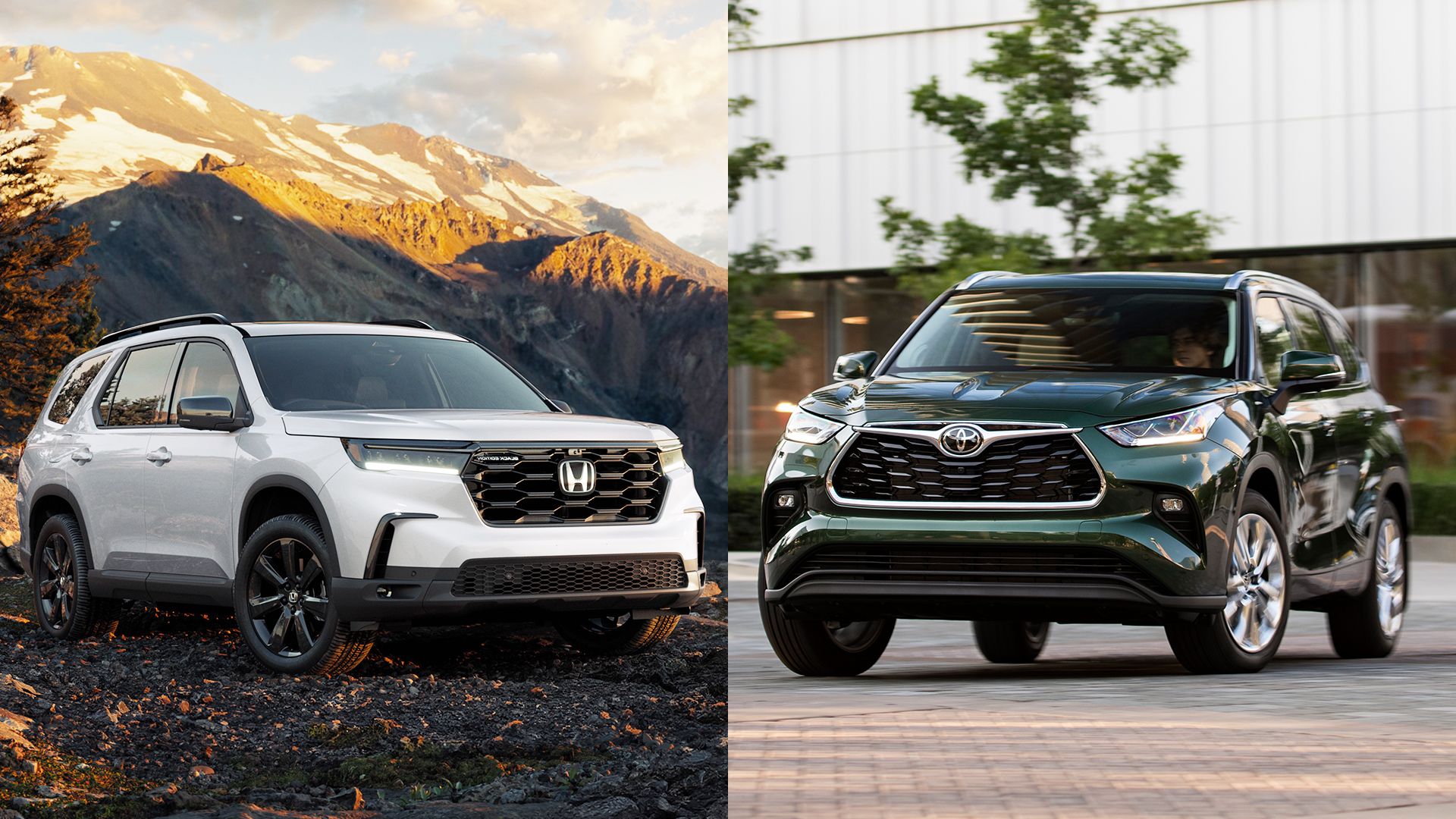
Design and Presence: The 2023 redesign already moved the Pilot away from its minivan-esque past towards a more assertive, truck-like stance. For 2026, expect subtle tweaks to the grille, lighting signatures (full LED will be standard across more trims), and wheel designs to maintain a contemporary edge. The TrailSport variant will undoubtedly continue to offer a more adventurous look with unique styling cues, all-terrain tires, and increased ground clearance. Honda understands that curb appeal matters, even in a family hauler.
Interior Refinement and Technology: This is where Honda is likely to double down. The current Pilot’s interior is functional and spacious, but by 2026, consumer expectations for digital integration will be even higher. We anticipate larger, more vibrant infotainment screens – perhaps a standard 10.2-inch unit with an optional 12.3-inch display on higher trims, boasting wireless Apple CarPlay and Android Auto as standard. The digital instrument cluster will likely become more configurable and visually appealing.
Material quality, particularly in the upper trims, will see a subtle but noticeable upgrade, aiming for a more premium feel without venturing into luxury pricing territory. Expect enhanced sound deadening for a quieter cabin, and continued focus on clever storage solutions, a Honda hallmark. The magic of a multi-configurable second row and an accessible third row will remain paramount, ensuring genuine three-row usability.
Powertrain and Driving Dynamics: The tried-and-true 3.5-liter V6, likely paired with a smooth 10-speed automatic transmission, is expected to continue as the primary powerplant. Honda’s V6 is renowned for its smooth power delivery and bulletproof reliability, delivering around 285 horsepower – ample for merging, passing, and hauling a full complement of passengers and gear.
However, the "for the money" equation in 2026 will heavily lean on fuel efficiency. Given the rapid advancement in hybrid technology across the industry, it would be a missed opportunity for Honda not to offer a hybrid variant of the Pilot. A "Pilot e:HEV" or even a "Pilot PHEV" (Plug-in Hybrid Electric Vehicle) would significantly bolster its value proposition, offering superior fuel economy and potentially even electric-only range for shorter commutes. This is where Honda could truly leapfrog some competitors.
Driving dynamics will remain a strong suit. Honda engineers consistently deliver a ride that is comfortable and composed, soaking up road imperfections while still offering a degree of engagement for the driver. Steering will be precise, and body roll well-controlled, making the Pilot feel smaller and more agile than its dimensions suggest. The available i-VTM4 all-wheel-drive system will continue to offer confident traction in adverse conditions, with specialized drive modes for snow, mud, and sand.
Safety and Driver-Assist Systems: Honda Sensing, the brand’s comprehensive suite of safety and driver-assist technologies, will be standard across all trims. By 2026, expect enhancements to existing features like adaptive cruise control (smoother operation, stop-and-go capability), lane-keeping assist (more natural steering intervention), and blind-spot monitoring. Predictive collision warnings, traffic jam assist, and potentially even hands-free highway driving capabilities on higher trims could make an appearance, keeping pace with industry leaders.
The Competitors: A Gauntlet of Formidable Foes
The 2026 Pilot will face an array of incredibly capable and value-driven rivals. Here are the main contenders:
-
Toyota Grand Highlander: This is arguably the Pilot’s most direct and potent rival. Introduced in 2024, the Grand Highlander addresses the regular Highlander’s cramped third row, offering true adult-friendly space. It boasts multiple powertrain options, including efficient hybrid and powerful Hybrid MAX variants. Toyota’s reputation for reliability and strong resale value is legendary.
- Pilot’s Challenge: The Grand Highlander’s dedicated hybrid powertrains offer superior fuel economy and instant torque, potentially outclassing a V6-only Pilot in the "cost of ownership" aspect. Its cavernous interior directly targets one of the Pilot’s traditional strengths.
- Pilot’s Edge: Honda’s driving dynamics are often considered more engaging, and its interior packaging can feel slightly more intuitive and user-friendly in some aspects.
-
Kia Telluride / Hyundai Palisade: The Korean twins continue to be benchmarks for style, value, and feature content. They offer upscale interiors, a commanding road presence, a potent V6 engine, and an industry-leading warranty. Their pricing structure often includes more standard features than rivals.
- Pilot’s Challenge: The Telluride and Palisade consistently impress with their luxurious aesthetics and extensive feature lists at competitive prices. Their 10-year/100,000-mile powertrain warranty is unmatched.
- Pilot’s Edge: Honda’s long-term reliability record is arguably stronger, and its resale value typically holds up better. The Pilot’s driving experience is often described as more refined and less floaty than the Korean duo.
-
Chevrolet Traverse: The Traverse underwent a significant refresh for 2024, bringing sharper styling, a new 2.5-liter turbocharged engine (replacing the V6) with more torque, and a vastly improved interior with a massive standard 17.7-inch touchscreen. It remains one of the largest vehicles in the segment, prioritizing maximum passenger and cargo space.
- Pilot’s Challenge: The Traverse offers unmatched interior volume and its new turbocharged engine promises a compelling blend of power and efficiency. Its aggressive styling and tech-forward interior are highly appealing.
- Pilot’s Edge: Honda’s V6, if it remains, offers a naturally aspirated smoothness that some prefer over a turbocharged four-cylinder. The Pilot’s overall interior quality might feel a touch more premium than the Traverse’s workhorse approach.
-
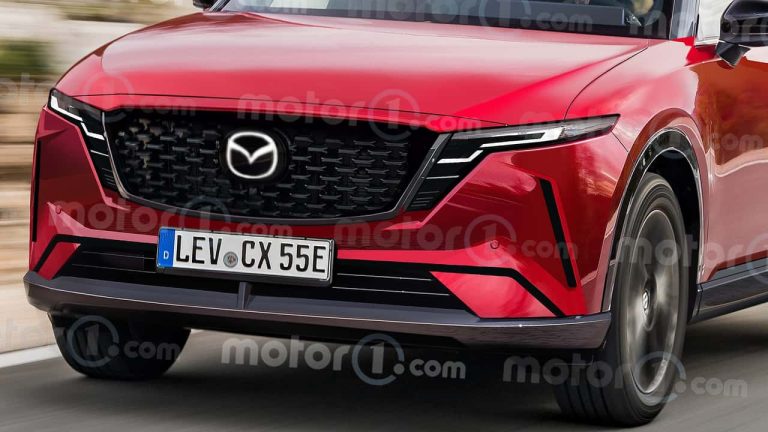
Mazda CX-90: Mazda has boldly moved upmarket, and the CX-90, with its inline-six mild-hybrid engine and available plug-in hybrid, is a testament to that. It boasts sophisticated driving dynamics, a truly premium interior, and elegant styling that could easily be mistaken for a luxury brand.
- Pilot’s Challenge: The CX-90 sets a new bar for driving engagement and interior luxury in the mainstream three-row segment. Its powertrains are modern and efficient, offering a distinct advantage in performance and fuel economy.
- Pilot’s Edge: The CX-90’s premium aspirations come with a higher price tag. The Pilot remains the more family-focused, pragmatic choice, offering greater overall utility and a slightly more robust third row for regular use.
-
Subaru Ascent: The Ascent continues to appeal to buyers prioritizing all-weather capability, robust standard safety features (EyeSight), and a family-friendly ethos. Its standard Symmetrical All-Wheel Drive and turbocharged flat-four engine provide a unique driving character.
- Pilot’s Challenge: The Ascent’s standard AWD and strong safety scores are undeniable strengths, particularly for those in snowy climates or with active outdoor lifestyles.
- Pilot’s Edge: The Pilot offers a more powerful, naturally aspirated engine option (V6), a more spacious third row, and a more refined on-road driving experience.
The "Best SUVs for the Money" Verdict: Where the Pilot Stands
The phrase "best for the money" is inherently subjective, but it generally encompasses a compelling blend of purchase price, standard features, fuel efficiency, long-term reliability, resale value, and overall ownership experience.
The 2026 Honda Pilot, assuming its anticipated improvements, will likely continue to excel in several critical areas:
- Reliability and Durability: Honda’s reputation is ironclad. This translates to lower maintenance costs and fewer unexpected repairs over the vehicle’s lifespan, a significant factor in the "for the money" equation.
- Resale Value: Historically, Honda vehicles hold their value exceptionally well. This means a lower depreciation hit when it’s time to trade in or sell, effectively reducing the true cost of ownership.
- Practicality and Usability: The Pilot’s intelligent interior design, spacious third row (for its class), and ample cargo volume make it genuinely adept at handling family duties without compromise.
- Refined Driving Experience: While not a sports car, the Pilot consistently delivers a comfortable, composed, and confident ride that makes long journeys less fatiguing.
- Comprehensive Standard Safety: Honda Sensing provides peace of mind, and by 2026, its capabilities will only be more advanced.
Where the Pilot needs to shine brighter for its money:
- Fuel Economy: Without a hybrid option, the V6-only Pilot might struggle to compete with the Grand Highlander Hybrid or CX-90 PHEV in terms of operating costs. Introducing a compelling hybrid powertrain would be a game-changer.
- Warranty: While Honda’s reliability minimizes the need for extensive warranty claims, it can’t match the 10-year/100,000-mile powertrain warranty offered by Kia and Hyundai.
- Cutting-Edge Tech Differentiation: While Honda’s tech is robust, it often prioritizes functionality over flash. By 2026, more dramatic digital displays or innovative features could help it stand out against rivals that push boundaries.
The Bottom Line:
The 2026 Honda Pilot is poised to remain a top-tier contender in the mid-size SUV segment. Its enduring strengths in reliability, practicality, and resale value make it an incredibly sensible and financially sound choice for families. If Honda introduces a competitive hybrid powertrain, it will undoubtedly solidify its position as one of the absolute best SUVs for the money, offering a near-unbeatable blend of long-term value, everyday usability, and driving satisfaction.
However, the competition is fiercer than ever. Buyers prioritizing ultimate fuel efficiency might lean towards the Grand Highlander Hybrid. Those seeking a more luxurious experience for a similar price could find the Kia Telluride or Mazda CX-90 more appealing. And for sheer space, the Chevrolet Traverse will be hard to beat.
Ultimately, the 2026 Honda Pilot will likely continue to be the safe, smart bet – the reliable friend that always gets the job done without fuss, and leaves you with more money in your pocket over the long haul. It may not be the flashiest, or the most groundbreaking, but for many families, its unwavering competence and proven value will make it the undisputed champion of the practical dollar. The final choice, as always, will depend on individual priorities, but the Pilot’s comprehensive package ensures it will remain a formidable force in the ongoing SUV wars.