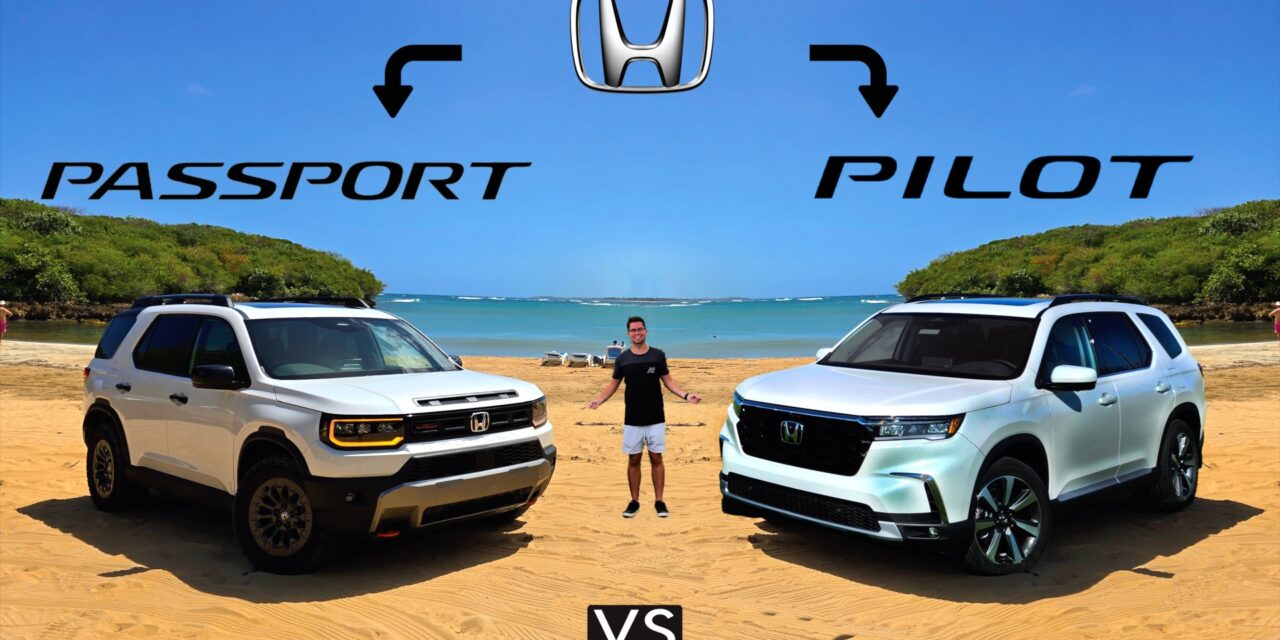
The three-row mid-size SUV segment is less a market and more a gladiatorial arena. Here, practicality reigns supreme, family hauling is a sacred duty, and value for money isn’t just a buzzword – it’s the bedrock upon which buying decisions are made. In this fiercely contested space, the Honda Pilot has long been a stalwart, a sensible shoe in a world of increasingly flashy sneakers. But as we look ahead to the anticipated 2026 model year, the question isn’t just whether the Pilot remains competitive, but whether it can still claim the coveted title of "Best SUV for the Money" against a formidable and evolving cast of rivals.
While details for the 2026 Pilot are still largely under wraps, we can extrapolate based on Honda’s recent trajectory, industry trends, and the relentless march of technological progress. This isn’t just about what the Pilot will be, but what it needs to be to stand out.
The 2026 Honda Pilot: Evolution or Revolution?
Honda, traditionally, is a brand of refinement rather than radical reinvention. The current-generation Pilot, launched in 2023, brought a more rugged aesthetic, a significant step up in interior quality, and refined driving dynamics. For 2026, we anticipate Honda will build upon this solid foundation, likely focusing on incremental but impactful improvements.
What to Expect (and Hope For):
- Powertrain Refinement: The current 3.5-liter V6, while competent and reliable, is facing increasing pressure from more fuel-efficient turbocharged fours and sophisticated hybrid systems. For 2026, it’s highly probable Honda will either significantly update the V6 for improved efficiency or, more excitingly, introduce a hybrid variant. A hybrid Pilot would immediately catapult its value proposition, offering superior fuel economy without sacrificing the brand’s legendary reliability. A Plug-in Hybrid (PHEV) option, while perhaps less likely for 2026, would be a game-changer, appealing to a growing segment of environmentally conscious buyers.
- Technological Leap: Honda has been catching up in the infotainment arms race. We expect a larger, even more intuitive infotainment display, likely with integrated Google built-in or similar advanced connectivity. A fully digital instrument cluster, enhanced voice controls, and over-the-air update capabilities are also strong possibilities. Crucially, the Honda Sensing suite of safety features will undoubtedly evolve, potentially adding more sophisticated hands-free driving assistance (though full Level 2+ autonomy like GM’s Super Cruise might still be a few years out for Honda).
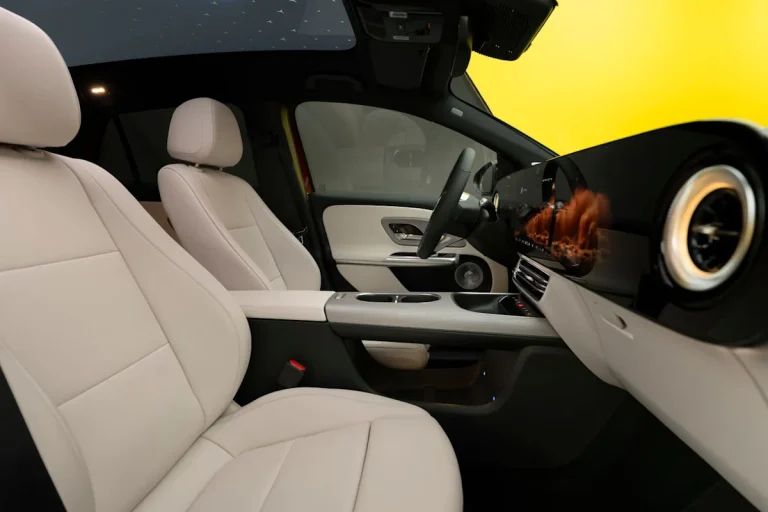
- Interior Ergonomics & Materials: The current Pilot’s interior is practical and well-built. For 2026, expect further refinement in material choices, potentially introducing more soft-touch surfaces in lower trims and premium accents in higher ones. Storage solutions, always a Honda strong suit, will likely be optimized further. The third row, already one of the more accommodating in the segment, might see minor tweaks for even easier access or slightly more passenger comfort.
- Subtle Design Tweaks: While the overall rugged aesthetic will likely remain, expect refreshed lighting signatures (LEDs front and rear), updated wheel designs, and perhaps a subtly revised grille and bumper. Honda tends to err on the side of timelessness, avoiding overly aggressive or polarizing designs.
- Driving Dynamics: Honda vehicles are known for their balanced ride and handling. The 2026 Pilot should continue this tradition, offering a comfortable ride for long journeys while maintaining a composed feel through corners. NVH (Noise, Vibration, Harshness) levels are likely to be further reduced, enhancing the premium feel.
The Gauntlet: Who Are the Pilot’s Toughest Rivals in 2026?
To truly assess the Pilot’s "best for the money" claim, we must stack it against the segment’s heavy hitters, each bringing a unique value proposition to the table.
1. Toyota Highlander (and Grand Highlander)
The Unbeatable Reliability King.
The Highlander has been the Pilot’s most direct and enduring rival. By 2026, we expect the standard Highlander to continue its reign as the fuel-efficient hybrid champion, offering unmatched long-term reliability and exceptional resale value. Its ride is smooth, its interior functional, but often criticized for being a bit staid and having a cramped third row.
The newer Grand Highlander, however, is a game-changer. Addressing the regular Highlander’s third-row shortcomings, it offers significantly more space and a range of potent powertrains, including the impressive Hybrid MAX. By 2026, the Grand Highlander will be a proven entity, presenting a direct challenge to the Pilot’s family-hauling credentials, especially if Honda doesn’t offer a similarly sized "Pilot XL."
- Highlander’s Value Proposition: Legendary reliability, excellent fuel economy (especially hybrid), strong resale. Grand Highlander adds superior space.
- Where the Pilot might win: Potentially more engaging driving dynamics, a slightly more upscale interior feel in top trims (compared to regular Highlander), and potentially a more modern infotainment system.
2. Kia Telluride & Hyundai Palisade
The Value Vanguard.
These Korean twins burst onto the scene and redefined expectations for the segment. By 2026, they will have received further refinements. They consistently offer stunning design, near-luxury interiors, a wealth of standard features, and impressive technology, all at a price point that often undercuts their Japanese rivals. Their 10-year/100,000-mile powertrain warranty remains a powerful selling point for long-term ownership value.
- Telluride/Palisade’s Value Proposition: Unbeatable feature-for-dollar ratio, premium aesthetics, long warranty, strong perceived value.
- Where the Pilot might win: Historically, Honda’s long-term mechanical reliability and resale value have edged out Kia/Hyundai, though the gap is narrowing. The Pilot’s driving experience often feels more refined and planted, and its interior ergonomics are typically more intuitive.
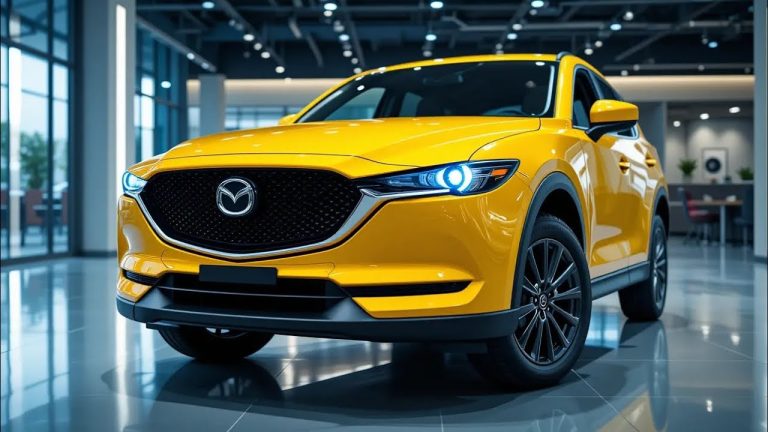
3. Mazda CX-90
The Premium Aspirant.
Mazda’s new CX-90 has elevated the brand’s game, pushing into premium territory with its inline-six engine, sophisticated platform, and upscale interior materials. It offers a truly engaging driving experience, a rarity in this segment. By 2026, it will be a more established player, appealing to buyers who prioritize driving dynamics and a more luxurious feel without stepping into true luxury brands. Its third row, however, is smaller than many rivals.
- CX-90’s Value Proposition: Near-luxury feel, premium driving experience, powerful and efficient inline-six, distinct styling.
- Where the Pilot might win: Superior third-row space and overall practicality, potentially lower running costs (if it gets a hybrid), and a more established reputation for family-friendly reliability.
4. Subaru Ascent
The All-Weather Warrior.
The Ascent excels in its niche: all-weather capability thanks to standard symmetrical all-wheel drive, robust safety features (EyeSight), and excellent outward visibility. Its turbocharged flat-four engine provides decent power, and its interior is practical, if not flashy. For families in snowy climates or those who venture off paved roads regularly, the Ascent offers a compelling value proposition.
- Ascent’s Value Proposition: Standard AWD, top-tier safety, excellent visibility, robust for mild off-roading/bad weather.
- Where the Pilot might win: More interior space, especially in the third row, a more refined powertrain (especially if a hybrid is introduced), and potentially a more modern infotainment experience.
Other Notable Contenders:
- Ford Explorer: Offers a wide range of powertrains (including hybrid and ST performance), but its interior can feel less refined, and its design is aging.
- Chevrolet Traverse: Known for its cavernous interior and strong V6, but its interior materials and technology can lag behind competitors. A new generation is expected soon, which could shake things up.
- Volkswagen Atlas: Immense passenger and cargo space, but its fuel economy and interior refinement often fall short.
Head-to-Head: Defining "Best for the Money"
"Best for the money" is a nuanced concept that encompasses more than just the sticker price. It’s a holistic evaluation of initial cost, running costs, features, long-term reliability, and resale value.
-
Initial Purchase Price & Standard Features:
- Pilot’s Stance: Honda typically positions its vehicles competitively, offering a strong list of standard features (especially safety tech) even in base trims. We expect the 2026 Pilot to continue this, possibly with an even more robust Honda Sensing 360 suite across the board.
- Competitors: Kia/Hyundai will likely continue to offer the most features for the dollar. Mazda aims for a premium feel at a slight discount to true luxury. Toyota focuses on reliability and efficiency, often requiring higher trims for advanced tech.
-
Fuel Economy:
- Pilot’s Stance: This is where a potential hybrid option for the 2026 Pilot becomes critical. If it sticks with only a V6, it will struggle to match the hybrid Highlanders and potentially even the turbocharged CX-90. A Pilot Hybrid would be a game-changer for long-term savings.
- Competitors: Toyota Highlander Hybrid (and Grand Highlander Hybrid) will remain the gold standard. The CX-90’s inline-six is surprisingly efficient for its power. Kia/Hyundai’s V6s are decent but not segment leaders.
-
Reliability & Maintenance Costs:
- Pilot’s Stance: This is Honda’s bread and butter. Expect stellar reliability, low maintenance costs, and fewer unexpected issues. This translates directly to long-term value.
- Competitors: Toyota is equally strong here. Mazda is improving rapidly. Kia/Hyundai offer a great warranty, but long-term data for their newer models is still accumulating.
-
Resale Value:
- Pilot’s Stance: Honda vehicles consistently hold their value exceptionally well, right alongside Toyota. This is a huge factor in the "money" equation, as it significantly reduces the total cost of ownership over several years.
- Competitors: Toyota is the king. Subaru is strong. Kia/Hyundai have improved dramatically but still trail Honda/Toyota slightly. Mazda is also seeing strong improvements.
-
Safety Technology:
- Pilot’s Stance: Honda Sensing is one of the most comprehensive and well-tuned safety suites. The 2026 Pilot will likely feature an advanced iteration, potentially including enhanced pedestrian/cyclist detection, improved lane-keeping, and more sophisticated adaptive cruise control.
- Competitors: All major players offer robust safety suites. Subaru’s EyeSight is particularly acclaimed. Toyota Safety Sense is comprehensive. Kia/Hyundai’s Drive Wise offers many advanced features.
-
Interior Space & Practicality:
- Pilot’s Stance: The current Pilot is a class leader in third-row access and overall cargo space. We expect the 2026 model to maintain or even slightly improve upon this, cementing its reputation as a genuinely family-friendly hauler.
- Competitors: Grand Highlander and VW Atlas excel in sheer volume. The Telluride/Palisade offer great space with a premium feel. CX-90 and regular Highlander are tighter in the third row.
The Verdict: Is the 2026 Honda Pilot the Best for Your Money?
The answer, as with most things in the automotive world, is nuanced, but the 2026 Honda Pilot is poised to remain a top-tier contender for the "best for the money" title, though it faces stiffer competition than ever before.
-
For the buyer prioritizing long-term reliability, exceptional resale value, and a balanced, practical family hauler with a refined driving experience, the 2026 Honda Pilot will likely be an almost unbeatable choice. If Honda introduces a compelling hybrid option, its value proposition will soar, directly challenging the Highlander’s efficiency crown while maintaining its practicality edge.
-
However, if your definition of "best for the money" heavily leans towards initial features-per-dollar and a more overtly luxurious interior feel, the Kia Telluride or Hyundai Palisade will continue to offer an incredibly compelling package.
-
If fuel economy and bulletproof hybrid reliability are paramount, the Toyota Highlander (especially the Grand Highlander for space) will remain a formidable rival.
-
And if you’re willing to sacrifice a bit of third-row space for a more engaging driving experience and a premium feel without breaking the bank, the Mazda CX-90 will carve out its own niche.
The 2026 Honda Pilot won’t necessarily be the cheapest option, nor will it be the flashiest. But its strength will lie in its exquisite balance: a well-rounded package of reliability, practicality, safety, comfort, and increasingly, technology, all backed by a brand renowned for its engineering integrity. It’s the automotive equivalent of a perfectly tailored, versatile suit – it might not grab headlines for being avant-garde, but it will consistently deliver confidence, comfort, and enduring value, making it an incredibly smart investment for the discerning family. The battle for the family SUV dollar is only getting more intense, and the 2026 Pilot is ready for the fight.