In an automotive world increasingly dominated by SUVs, electrification, and autonomous aspirations, the pure, unadulterated sports coupe remains a defiant bastion for driving enthusiasts. Few cars embody this spirit with such accessible charm as the Toyota GR86. Since its revitalization under the Gazoo Racing banner, the GR86 (and its Subaru BRZ twin) has carved out a formidable niche as the go-to choice for those seeking rear-wheel-drive thrills without breaking the bank.
As we look towards 2026, the question looms: will the next iteration of the GR86 continue its reign as the best coupe for the money? With a competitive landscape that’s always evolving, and the potential for a new generation of the beloved coupe, understanding its position against its rivals—both traditional and unexpected—is crucial. This article delves into what we can anticipate from the 2026 GR86, dissecting its potential strengths and weaknesses against a diverse field of competitors to determine if it can maintain its value proposition.
The 2026 Toyota GR86: What to Expect (Speculation & Anticipation)
While official details regarding the 2026 GR86 are, at this stage, purely speculative, a pattern of evolution rather than revolution is a strong likelihood for Toyota’s accessible sports car. The current generation, launched for 2022, was a significant leap forward, primarily thanks to its larger 2.4-liter naturally aspirated Boxer engine, which addressed the primary power complaints of its predecessor.
For 2026, we can expect Toyota and Subaru to refine an already winning formula. Anticipated changes might include:
- Powertrain Refinements: The 2.4-liter FA24 engine, currently producing 228 horsepower and 184 lb-ft of torque, could see minor tweaks for increased efficiency or a slight bump in power output, perhaps nudging towards 240 hp. The characteristic flat-four rumble and linear power delivery, however, are likely to remain. Both a precise 6-speed manual and a responsive 6-speed automatic transmission are expected to continue, catering to different driving preferences.
- Chassis & Suspension Enhancements: The current GR86’s chassis is already a masterclass in balance and feedback. Future iterations might incorporate further weight-saving measures, subtle stiffening in key areas, and recalibrated suspension components to offer even sharper turn-in and enhanced compliance over varied road surfaces. Expect a continued focus on a low center of gravity and optimal weight distribution.
- Technological Upgrades: Inside, the 2026 GR86 will likely feature an updated infotainment system, potentially growing in size and offering wireless Apple CarPlay and Android Auto as standard. Enhanced driver-assistance features, integrated more seamlessly into the design, are also probable, aligning with modern safety expectations without detracting from the driver-centric focus.
- Subtle Design Evolution: A refreshed exterior and interior design will keep the GR86 looking contemporary. Expect an evolutionary approach, retaining the sleek, low-slung profile while incorporating updated lighting signatures, revised aero elements, and fresh wheel designs. The interior will likely maintain its minimalist, driver-focused layout, but with higher-quality materials and improved ergonomics in key areas.
The GR86’s core philosophy—a lightweight, naturally aspirated, rear-wheel-drive coupe designed for pure driving enjoyment at an attainable price point—is almost certain to remain its guiding principle.
The GR86’s Core Strengths: Why it Matters
Before diving into the competition, it’s essential to reiterate the GR86’s foundational appeal:
- Driver Engagement: The GR86 is built around the driver. Its communicative steering, balanced chassis, and willingness to rotate make it an incredibly rewarding car to drive, whether on a winding back road or a track.
- Affordability: This is arguably its biggest draw. Offering genuine sports car dynamics at a price point that undercuts most rivals by a significant margin.
- Reliability & Running Costs: As a Toyota (with Subaru engineering), the GR86 benefits from a reputation for bulletproof reliability, reasonable insurance rates, and manageable maintenance costs, contributing to a lower total cost of ownership.
- Practicality (for a coupe): While not a family hauler, its 2+2 seating configuration and surprisingly usable trunk (especially with the rear seats folded) offer a degree of practicality rarely found in purist sports cars.
The Competitive Landscape: A Diverse Field
The 2026 GR86 will face a varied array of competitors, each with its own unique appeal. We can broadly categorize them:
1. The Direct Sibling: Subaru BRZ
The Subaru BRZ is, for all intents and purposes, the GR86’s identical twin. Sharing the same platform, engine, and interior, the differences are primarily in suspension tuning and minor styling cues. The BRZ typically offers a slightly softer, more compliant ride and perhaps a touch less aggressive turn-in compared to the GR86’s sharper edge. For 2026, expect this dynamic to continue. The choice between them often comes down to brand preference or the specific nuances of their respective dealerships and dealer networks. Both represent phenomenal value.
2. Traditional RWD Sports Car Rivals:
- Mazda MX-5 Miata (ND3/NE Generation): The Miata is arguably the GR86’s philosophical closest rival. Lighter, smaller, and almost exclusively a roadster, the Miata offers an even purer, more intimate driving experience. Its 2.0-liter engine is less powerful than the GR86’s, but its ultra-lightweight chassis makes every horsepower count. For 2026, a refreshed ND3 or an entirely new NE generation could bring subtle improvements. The Miata excels in direct feedback and open-air enjoyment but sacrifices the GR86’s practicality.
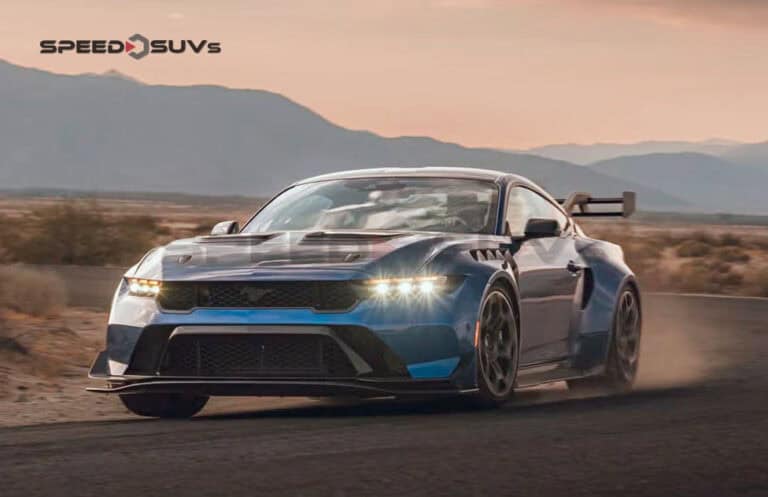
- Ford Mustang EcoBoost: The entry-level Mustang offers a turbo-charged 2.3-liter four-cylinder with significantly more horsepower (currently 310 hp) than the GR86. It’s a larger, heavier car, offering more straight-line thrust and a more traditional American muscle car aesthetic. While it offers a manual transmission and RWD, its handling dynamics are generally not as precise or communicative as the GR86’s, though the latest generation has made strides. It offers more interior space and a more commanding road presence but typically comes at a higher price point.
- Nissan Z (Base Model): Positioned as a step up in performance and price, the base Nissan Z boasts a 3.0-liter twin-turbo V6 producing 400 horsepower. It’s a significantly faster, more luxurious, and more mature sports coupe. While it offers RWD and a manual option, its higher price, increased weight, and greater focus on Grand Touring capabilities mean it’s less of a direct apples-to-apples comparison on value, but a potential aspirational choice for some GR86 buyers.
3. Hot Hatchbacks & Sedans (Performance for the Money):
- Honda Civic Type R: While a front-wheel-drive hot hatchback, the Type R is an undeniable performance champion. Its 2.0-liter turbocharged engine (currently 315 hp) and sophisticated chassis make it a formidable track weapon and an incredibly practical daily driver. It’s faster and more powerful than the GR86, but also significantly more expensive, often commanding dealer markups. Its FWD nature also means a different driving feel, lacking the GR86’s playful rear-wheel-drive dynamics.
- Hyundai Elantra N: This hot sedan offers a compelling package of performance, aggressive styling, and value. With a 2.0-liter turbocharged engine (276 hp) and FWD, it’s known for its engaging chassis, optional manual transmission, and extensive list of standard features. It offers more practicality than the GR86 and a more tech-heavy interior, often at a similar or slightly higher price point. Like the Type R, its FWD platform means a different kind of driving engagement.
- Volkswagen Golf R: An all-wheel-drive hot hatchback, the Golf R is a premium performance car with impressive acceleration (currently 315 hp) and all-weather capability. It offers a refined interior and a more subdued aesthetic compared to its rivals. However, its AWD system and higher price point place it in a different segment, appealing to those who prioritize grip and refinement over pure RWD antics.
4. Entry-Level Premium Sports Cars:
- BMW 230i Coupe: The entry-level BMW 2 Series coupe offers a premium badge, a refined 2.0-liter turbocharged engine (255 hp), and a RWD platform (AWD is optional). It boasts a luxurious interior, advanced technology, and a sophisticated ride. While it offers the RWD layout, its focus is more on refined performance and luxury, making it significantly more expensive than the GR86. It’s a good alternative for those willing to pay a premium for badge appeal and a more upscale experience, but it lacks the raw, unfiltered engagement of the GR86.
Deep Dive Comparison: GR86 vs. The Field
Let’s evaluate how the 2026 GR86 is likely to stack up across key metrics:
- Performance (Acceleration & Top Speed): The GR86, with its anticipated ~230-240 hp, will remain competitive but not dominant in straight-line acceleration. It will be quicker than the Miata but slower than the Mustang EcoBoost, Nissan Z, and all the hot hatches (Type R, Elantra N, Golf R). Its strength lies in its usable performance, where its power delivery is accessible and rewarding on public roads without being overwhelming.
- Driving Dynamics & Engagement: This is the GR86’s undisputed forte. Its near-perfect 50/50 weight distribution, low center of gravity, naturally aspirated engine, and communicative chassis provide an unparalleled connection between driver and road. The Miata comes closest in purity, but the GR86 offers more power and a fixed roof. The hot hatches offer immense grip but lack the GR86’s RWD balance and tail-happy playfulness. The Mustang and Z, while powerful, feel larger and less nimble. The BMW 230i is refined but lacks the GR86’s raw, unfiltered character.
- Interior & Technology: The 2026 GR86 is expected to offer a modern, driver-focused cabin with improved infotainment. However, it will likely remain spartan compared to the tech-laden interiors of the hot hatches (especially the Elantra N and Golf R) or the premium feel of the BMW 230i. Its focus is on function over flashy features.
- Practicality & Daily Usability: This is where the GR86 punches above its weight. The 2+2 seating, though cramped for adults in the rear, is invaluable for extra storage or short trips with small passengers. The fold-flat rear seats create a surprisingly large cargo area capable of swallowing track tires or luggage for a weekend trip. This makes it significantly more practical than the Miata and competitive with smaller sedans, though it can’t match the cargo volume of a hot hatch.
- Price & Value Proposition: This is where the 2026 GR86 is poised to continue its dominance. With an anticipated starting price still likely in the low-to-mid $30,000 range, it offers an incredible performance-to-dollar ratio. The Miata is similarly priced but offers less power and practicality. The Mustang EcoBoost and base Nissan Z will be more expensive. The hot hatches, while offering more power and practicality, often start significantly higher (especially the Type R and Golf R). The BMW 230i sits in a completely different price bracket.
- Reliability & Resale Value: As a Toyota/Subaru product, the GR86 will benefit from excellent reliability and strong resale values, contributing significantly to its long-term value proposition. This is a major advantage over some competitors, particularly those from brands with less stellar reliability records.
Conclusion: Is the GR86 Still the Best Coupe for the Money?
When evaluating the "best coupe for the money," it’s crucial to define what "best" means. If "best" equates to raw speed and ultimate track times, the GR86 might be outgunned by more powerful hot hatches or the Nissan Z. If "best" means pure luxury and refinement, the BMW 230i takes the crown.
However, if "best for the money" signifies an unparalleled blend of driver engagement, accessible rear-wheel-drive dynamics, everyday usability, and outstanding value at an attainable price point, then the 2026 Toyota GR86 is exceptionally well-positioned to retain its title.
It won’t be the fastest, the most luxurious, or the most feature-packed. But for the driving enthusiast who prioritizes feel, balance, and the visceral thrill of a perfectly executed corner over brute force or digital wizardry, all within a reasonable budget, the GR86 remains an almost irresistible proposition. Its expected refinements for 2026 will only sharpen its edge, ensuring that Toyota’s compact sports coupe continues to punch far above its weight, delivering smiles per dollar that few, if any, competitors can match. The GR86 isn’t just a car; it’s a statement that pure driving pleasure doesn’t have to come with an exorbitant price tag, and for that, it remains a true champion.